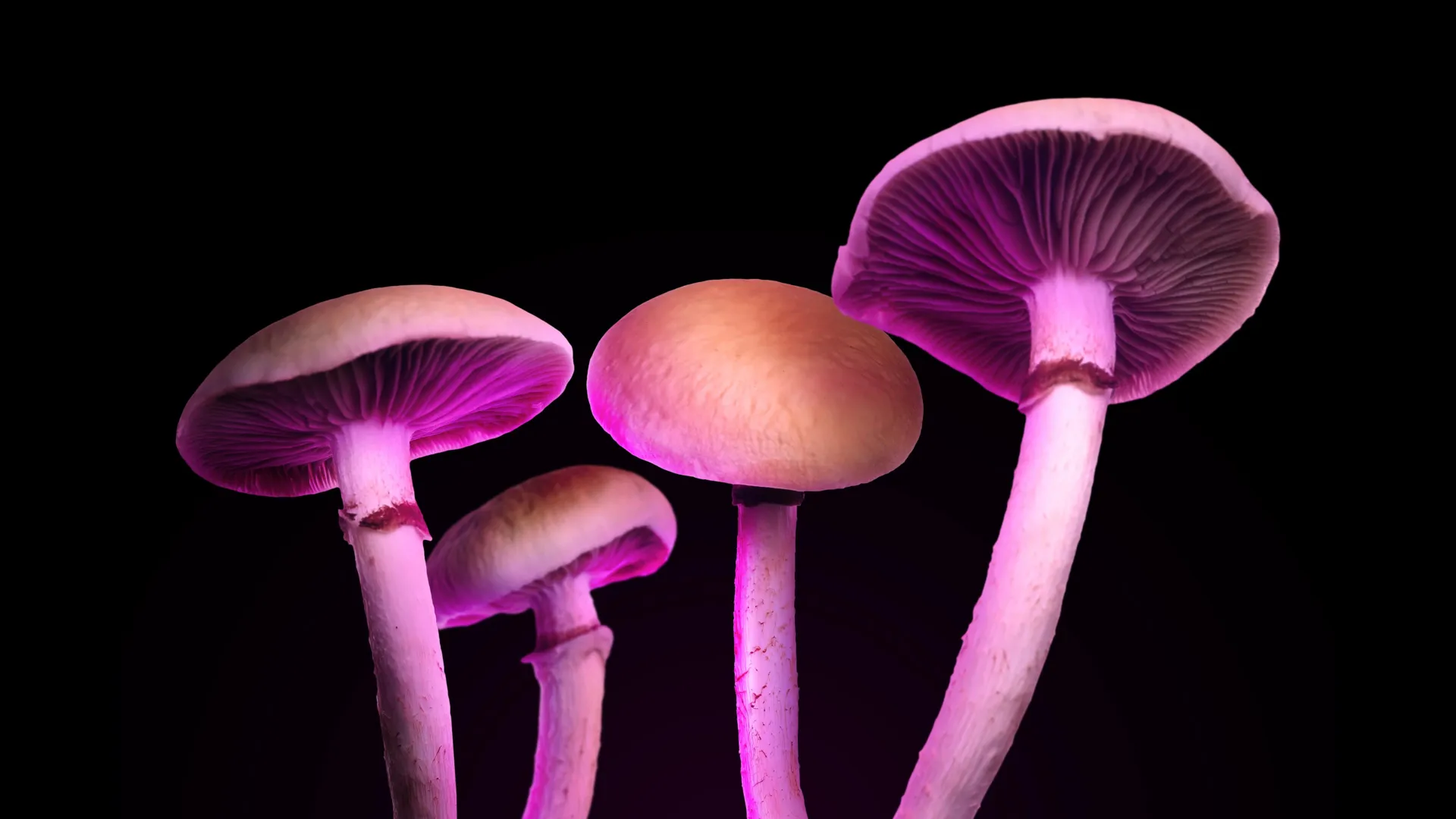
Researchers have developed modified versions of psilocin, the active compound produced when the body metabolizes psilocybin, aiming to preserve potential antidepressant effects while reducing psychedelic-like symptoms. The work, published in the Journal of Medicinal Chemistry, adds to a fast-moving effort to make psychedelic-inspired medicines easier to use in routine care.
Interest in psilocybin has grown as clinical trials explore its potential for major depressive disorder, treatment-resistant depression, anxiety linked to serious illness, and substance use disorders. Yet the hallmark altered state can complicate treatment settings, requiring intensive supervision and limiting who may be willing or able to receive it.
Why scientists are redesigning psilocin
The new research focuses on how strongly and how quickly psilocin reaches the brain and activates serotonin receptors, particularly pathways associated with mood regulation. The team tested five chemical variants designed to release psilocin more gradually, potentially reducing the rapid peak linked with more intense psychedelic effects.
In lab experiments using human plasma and models of gastrointestinal absorption, one candidate stood out for stability and a slower conversion profile. The researchers selected that compound, referred to as 4e, for further testing as a proof of concept rather than a ready-to-use drug.
What the mouse data suggests
When given orally to mice, 4e delivered psilocin to the bloodstream and brain over a longer period, with lower peak levels than an equivalent dose of pharmaceutical-grade psilocybin. The compound still crossed the blood-brain barrier efficiently, suggesting it can reach the intended target tissue.
To estimate psychedelic-like activity, the scientists tracked head-twitch responses, a standard rodent behavioral marker used in serotonin-based psychedelic research. Mice given 4e showed fewer head twitches than those given psilocybin, even though the compound continued to engage key serotonin receptors.
What comes next before human trials
The authors argue the results support a broader hypothesis that some therapeutic signaling may be separable from the most disruptive subjective effects. Even so, the study is early, relies on animal behavior proxies, and does not demonstrate antidepressant outcomes in people.
Next steps typically include deeper safety profiling, dose-ranging studies, and clearer evidence of benefit in validated disease models before any clinical evaluation. The researchers also disclosed industry-linked funding and patent-related interests, which will be important to monitor as the work progresses.
In parallel, human studies of psilocybin-assisted therapy continue to shape the field, including efforts to standardize dosing, supervision, and outcome measures. If non-hallucinogenic or low-hallucinogenic analogs prove effective, they could eventually broaden access by reducing the need for prolonged monitoring while still targeting serotonin-linked mechanisms relevant to depression.
Leave a Reply