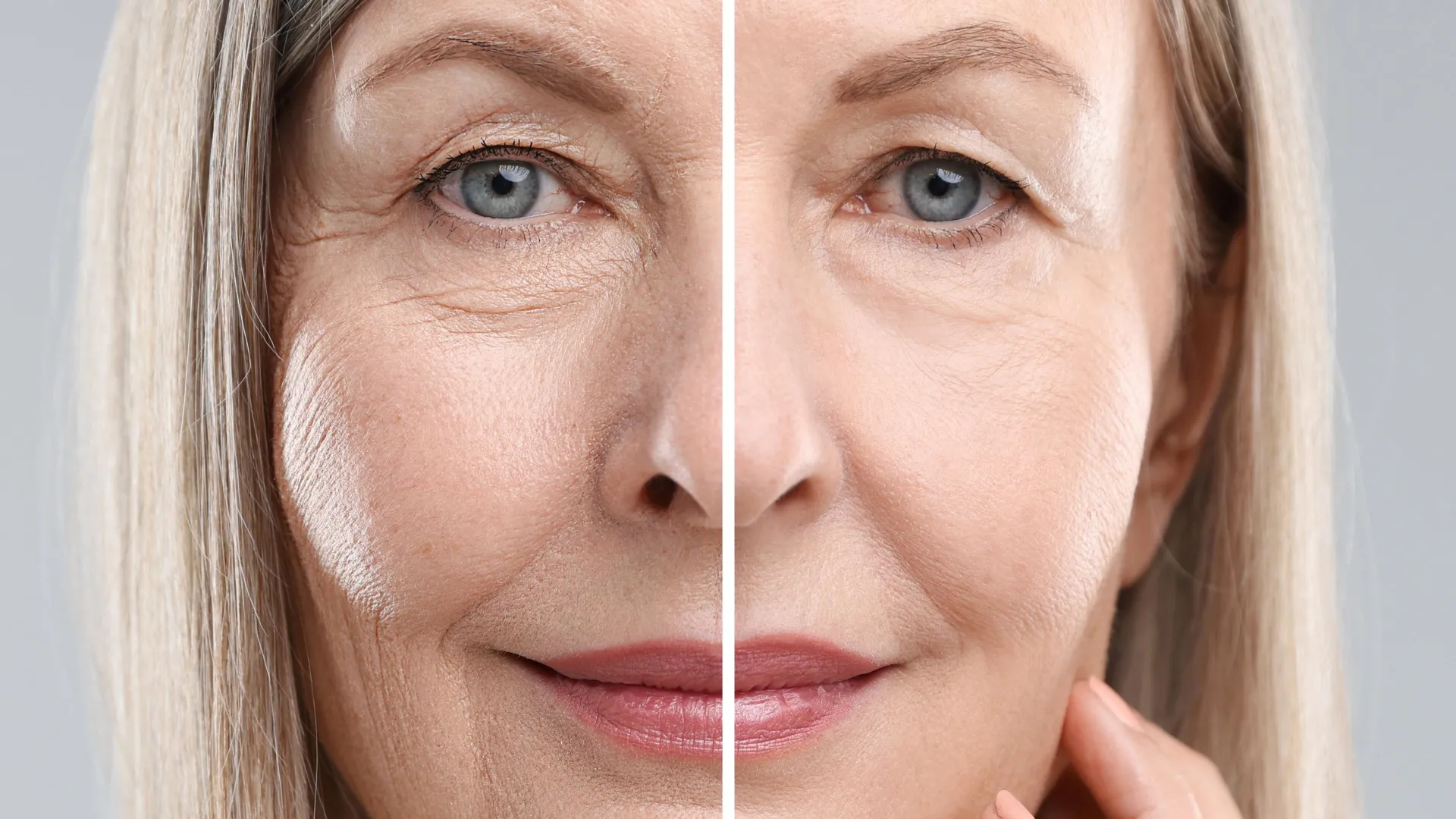
Worrying about getting older, particularly fears of future health decline, may be tied to faster biological aging in women, according to new research from NYU School of Global Public Health. The study connects aging anxiety with changes in epigenetic markers measured in blood.
Researchers analyzed data from 726 women in the Midlife in the United States study, combining survey responses with laboratory measures. They focused on whether subjective anxiety about aging aligned with objective indicators of cellular aging.
How biological aging was measured
The team used two widely cited epigenetic clocks to assess aging biology, including DunedinPACE, which estimates the pace of aging, and GrimAge2, which is designed to capture accumulated biological risk. Higher anxiety scores were associated with faster aging on DunedinPACE.
The clearest link involved worries about age-related health problems rather than concerns about appearance or fertility. Researchers suggested health fears may be more persistent over time, potentially making them more relevant to longer-term stress biology.
Why the link may matter
Accelerated epigenetic aging has been associated in prior research with higher risk of age-related disease and earlier functional decline, though it is not a diagnosis on its own. The NYU findings add to evidence that psychological stressors can correlate with measurable biological changes.
The authors emphasized that mental and physical health are often treated separately despite frequent overlap. They argued that addressing aging anxiety could be a meaningful, potentially modifiable factor in supporting healthier aging.
Limits and what comes next
The study captured a single point in time, so it cannot prove that anxiety causes faster aging. When researchers adjusted for health behaviors that can accompany anxiety, such as smoking and alcohol use, the statistical link weakened and was no longer significant.
The team called for further research to clarify cause and effect, track changes over time, and identify which interventions might reduce harmful stress while supporting healthier coping. They also pointed to broader social pressures and caregiving burdens that can intensify midlife worries for women.
Leave a Reply