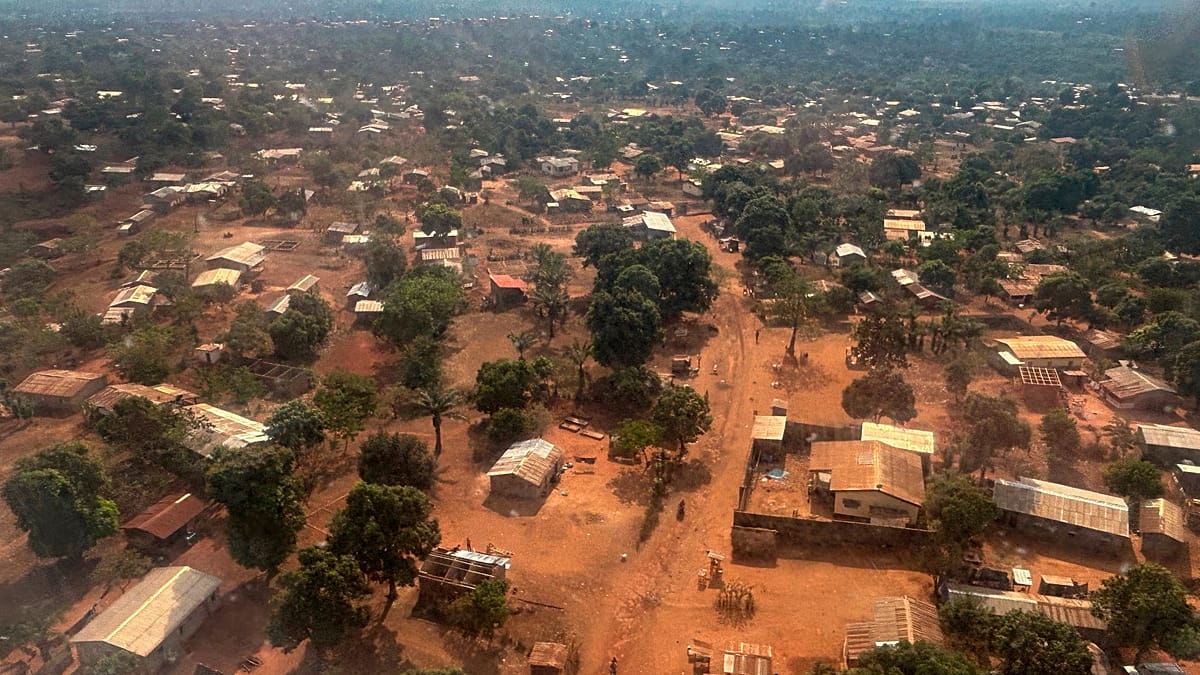
Centrinės Afrikos Respublikoje antradienį įvykusi nelaimė aukso kasykloje galėjo nusinešti mažiausiai 100 žmonių gyvybes. Vietos šaltiniai naujienų agentūrai AFP nurodė, kad aukų skaičius dar gali keistis, nes paieškos ir gelbėjimo darbai nebaigti.
Gelbėtojai dirba Zambojės kasybos vietoje netoli šalies sienos su Kamerūnu. Pranešama, kad dalis teritorijos sunkiai pasiekiama, todėl tikslus nukentėjusiųjų skaičius nustatomas palaipsniui.
Socialiniuose tinkluose paskelbtuose vaizdo įrašuose matyti, kaip nuo kasyklos šlaito atskyla didelis žemės masyvas ir nuslenka į žmonių minią. Manoma, kad dalis žmonių buvo užversti žemėmis ir akmenimis.
„Šiuo etapu mums sunku nustatyti oficialų aukų skaičių“, – sakė Baboua miesto išrinktas pareigūnas Laurent Ngon Baba.
Baboua prokuroro teigimu, incidentą galėjo sukelti kelių požeminių tunelių, kuriuose dirbo kasėjai, griūtis. Tokiose vietose didžiausią riziką kelia ne tik šlaitų nestabilumas, bet ir tunelių konstrukcijų tvirtumas bei grunto prisotėjimas vandeniu.
Vienas kasykloje dirbęs žmogus nelaimę apibūdino kaip katastrofišką ir teigė, kad žemė „visiškai įgriuvo“, palaidodama žmones. Vietos pareigūnai kol kas nepateikė patvirtinto žuvusiųjų sąrašo, tačiau pabrėžia, kad situacija vertinama kaip itin rimta.
Kamerūno rytinio regiono gubernatorius Grégoire Mvongo valstybinio radijo eteryje sakė, kad Kamerūnas glaudžiai bendradarbiauja su Centrinės Afrikos Respublikos institucijomis, siekdamas suvaldyti tragedijos padarinius. Toks bendradarbiavimas ypač svarbus pasienio teritorijose, kur į nelaimės vietą dažnai greičiausiai gali atvykti artimiausios kaimyninės šalies pajėgos.
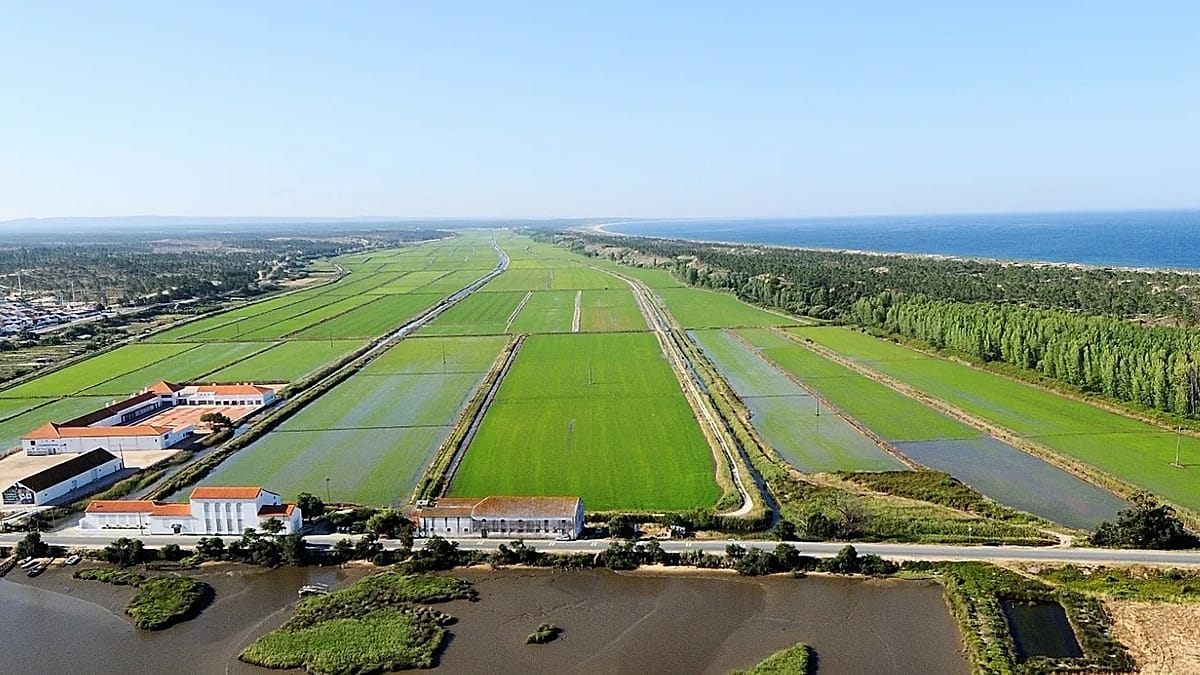
Portugalijos policija sulaikė motiną po to, kai šalies pietuose prie pagrindinio kelio buvo rasti vieni ir verkiantys du maži prancūzų berniukai. Vaikai, kuriems yra 4 ir 5 metai, buvo pastebėti antradienį netoli Komportos kurortinės vietovės.
Portugalijos žiniasklaida skelbė, kad berniukai buvo palikti su kuprinėmis, kuriose buvo maisto ir vandens, tačiau jie neturėjo asmens dokumentų. Praeivis, sustojęs padėti, nugabeno vaikus į šeimos kepyklą ir apie situaciją pranešė tarnyboms.
Ketvirtadienį policija pranešė sulaikiusi motiną centrinėje šalies dalyje esančioje Fatimoje. Kartu buvo sulaikytas ir 55 metų vyras, o tyrimas pradėtas dėl įtariamo piktnaudžiavimo, vaikų nepriežiūros ir palikimo be priežiūros.
Vaikai dingo Prancūzijoje
Pasak pareigūnų ir Prancūzijos prokuratūros, berniukai buvo paskelbti dingusiais maždaug prieš 10 dienų. Apie jų dingimą iš Kolmaro miesto rytų Prancūzijoje pranešė tėvas, kuris su motina gyvena atskirai.
Prancūzijos prokuroras Jeanas Richertas nurodė, kad moters artimieji apie jos pačios dingimą pranešė gegužės 11 dieną, todėl buvo pradėtas teisminis tyrimas. Prokuratūra akcentavo, kad aplinkybės dar aiškinamos, o moters nebuvimas namuose buvo netikėtas.
Ką pasakojo vaikus radę žmonės?
Vaikus radęs vairuotojas Alexandre’as Quintas žiniasklaidai pasakojo, kad berniukai buvo išsigandę, todėl jiems buvo duota maisto ir žaislų. Jo šeima taip pat kreipėsi į mediką, kalbantį prancūziškai, kad būtų lengviau suprasti, kas nutiko.
„Mes jų paklausėme, ar jie mėgsta ledus“, – sakė Alexandre’as Quintas.
Vairuotojo mama Eugenia Quintas agentūrai AFP teigė, kad vaikai sakė atvykę automobiliu ir buvę išleisti krūmynuose, o vienas jų minėjo, jog galėjo būti užrištos akys. Pasak jos, ant vaikų matėsi, kad jie turi po vaisių ir vandens, o akivaizdžių smurto požymių šeima nepastebėjo.
Portugalijos generalinė prokuratūra nurodė, kad tyrimas vyksta kartu su policijos veiksmais, o vaikai buvo pristatyti į ligoninę stebėjimui. Pareigūnai kol kas nekomentuoja, kokiomis aplinkybėmis šeima atsidūrė Portugalijoje ir kas tiksliai lėmė vaikų palikimą.
On Tuesday Burkina Faso, an ally of neighbouring Niger and Mali within the Confederation of the Alliance of Sahel States (AES), all led by military juntas, banned the broadcast of TV5 Monde.
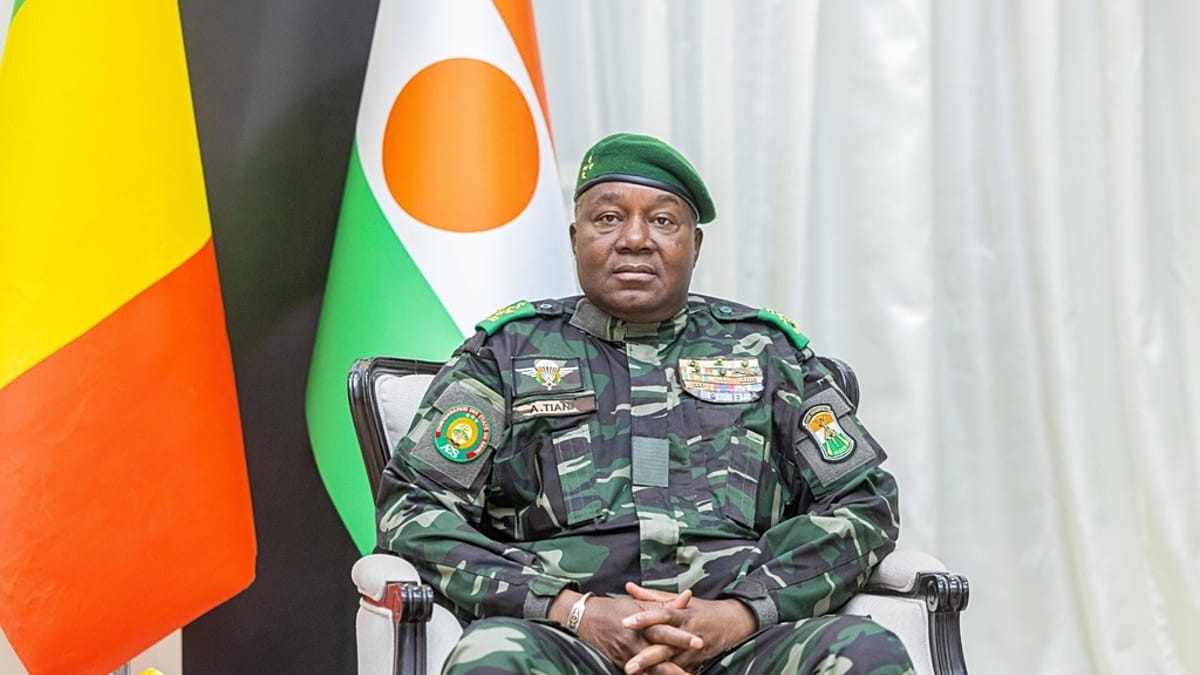
Niger, ruled by a junta hostile to Western countries, on Friday suspended nine French media outlets that could “seriously endanger public order”.
ADVERTISEMENT
ADVERTISEMENT
A statement broadcast on state television said the suspended media had repeatedly broadcast content “likely to seriously endanger public order, national unity, social cohesion and the stability of institutions” in Niger.
They are France 24, Radio France Internationale, France Afrique Média, LSI Africa, AFP (Agence France-Presse), TV5 Monde, TF1 Info, Jeune Afrique and Mediapart.
The suspension is “immediate” and applies to “satellite packages, cable networks, digital platforms, websites and mobile applications”.
RFI and France 24 had already been suspended a few days after the coup d’état in July 2023 that brought the junta to power.
In December 2024, the British BBC was suspended.
Bans in Burkina Faso and Mali
On Tuesday, Burkina Faso, an ally of Niger and Mali within the Confederation of the Alliance of Sahel States (AES), all ruled by military juntas, banned the broadcasting of the TV5 Monde channel.
The junta accuses the French television channel of “disinformation” and “apology for terrorism” in its coverage of jihadist violence in this West African country and in Mali. Reporters Without Borders condemned “a ban based on opaque elements”.
Mali, shaken by unprecedented jihadist and rebel attacks, has also banned French media.
Niger’s decision comes just days before an important summit between France and African countries in Kenya. None of the three junta-ruled countries is taking part.
Anti-French sentiment is running high in some of Africa’s former colonies, at a time when the continent is once again becoming a diplomatic battleground, marked by the growing influence of Russia and China.
Press freedom in free fall
Several Western media outlets have already been suspended since the new government came to power in Niger in a coup d’état in July 2023. Since then, this vast Sahelian country has begun a divorce with France, the former colonial power, notably by obtaining the departure of its army engaged in the fight against the jihadists.
The government in Niamey has turned to other partners, including Russia, and regularly denounces “imperialism”, asserting its “sovereignty”.
Nigerien journalists working for foreign or local media are also targeted by the junta.
This week, two Nigerien journalists, Gazali Abdou, correspondent for the German radio station Deutsche Welle, and Hassane Zada, editor-in-chief of a regional newspaper, were released after having been imprisoned for several months.
In 2025, 13 journalists were arrested in Niger, according to the UN, which had called for their release.
According to the local media, six journalists are still being held in Niger, notably on charges of undermining national defence and plotting against the state.
In 2026, Niger fell 37 places in the Reporters Without Borders (RSF) world press freedom index, to 120th out of 180 countries.
RSF and Amnesty International have repeatedly expressed their deep concern about press freedom violations in Niger.
In 2024, Niger enacted a law criminalising the online dissemination of “information likely to disturb public order”.
The country also suspended nearly 3,000 local and foreign NGOs in 2025, accusing them of a lack of transparency and of supporting “terrorists” or armed groups.














Share
Comments