
Tag: Astrocytes

  • Astrocytes move into the spotlight: New Nature study links overlooked brain cells to fear memories and PTSD pathways

    Astrocytes move into the spotlight: New Nature study links overlooked brain cells to fear memories and PTSD pathways

    Brain research is increasingly challenging the long-held idea that neurons alone drive fear and trauma responses. A new study in Nature points to astrocytes, star-shaped support cells, as active players in how fear memories are formed, recalled and reduced.

    Astrocytes are widely distributed throughout the brain and have traditionally been seen as caretakers that keep neural circuits stable. The new work suggests they can also shape signaling in the amygdala, a central hub for processing threat and generating fear-related learning.

    What the researchers observed

    Using a mouse model of fear learning, scientists tracked astrocyte activity in real time with fluorescent sensors. Astrocyte signaling rose during fear conditioning and again during memory recall, then declined as fear responses weakened through extinction training.

    The team also manipulated how astrocytes communicate with nearby neurons. Enhancing astrocyte-to-neuron signaling strengthened fear expression, while dampening those signals reduced fear responses, indicating astrocytes can tune the intensity of fear memories.

    How it changes the fear circuit

    When astrocyte activity was disrupted, neurons in the amygdala had difficulty forming the typical activity patterns associated with fear. That interference also appeared to affect how defensive-response information is routed to other brain regions involved in choosing and executing behavior.

    Researchers reported effects beyond the amygdala, including changes in fear-related signaling reaching the prefrontal cortex, an area tied to decision-making and regulation of emotional responses. The results suggest astrocytes may influence how the brain decides whether a threat response is appropriate.

    Why it matters for PTSD

    PTSD and several anxiety disorders are marked by persistent, hard-to-extinguish fear memories and heightened reactions to cues that are no longer dangerous. If astrocytes help govern both the expression and the fading of fear, they could become a complementary target alongside neuron-focused approaches.

    The researchers caution that translating mouse findings to human treatments takes time, but the study reframes fear circuitry as a partnership between neurons and glia. Next steps include mapping astrocyte roles across the wider threat network, including regions that coordinate freezing and flight responses.
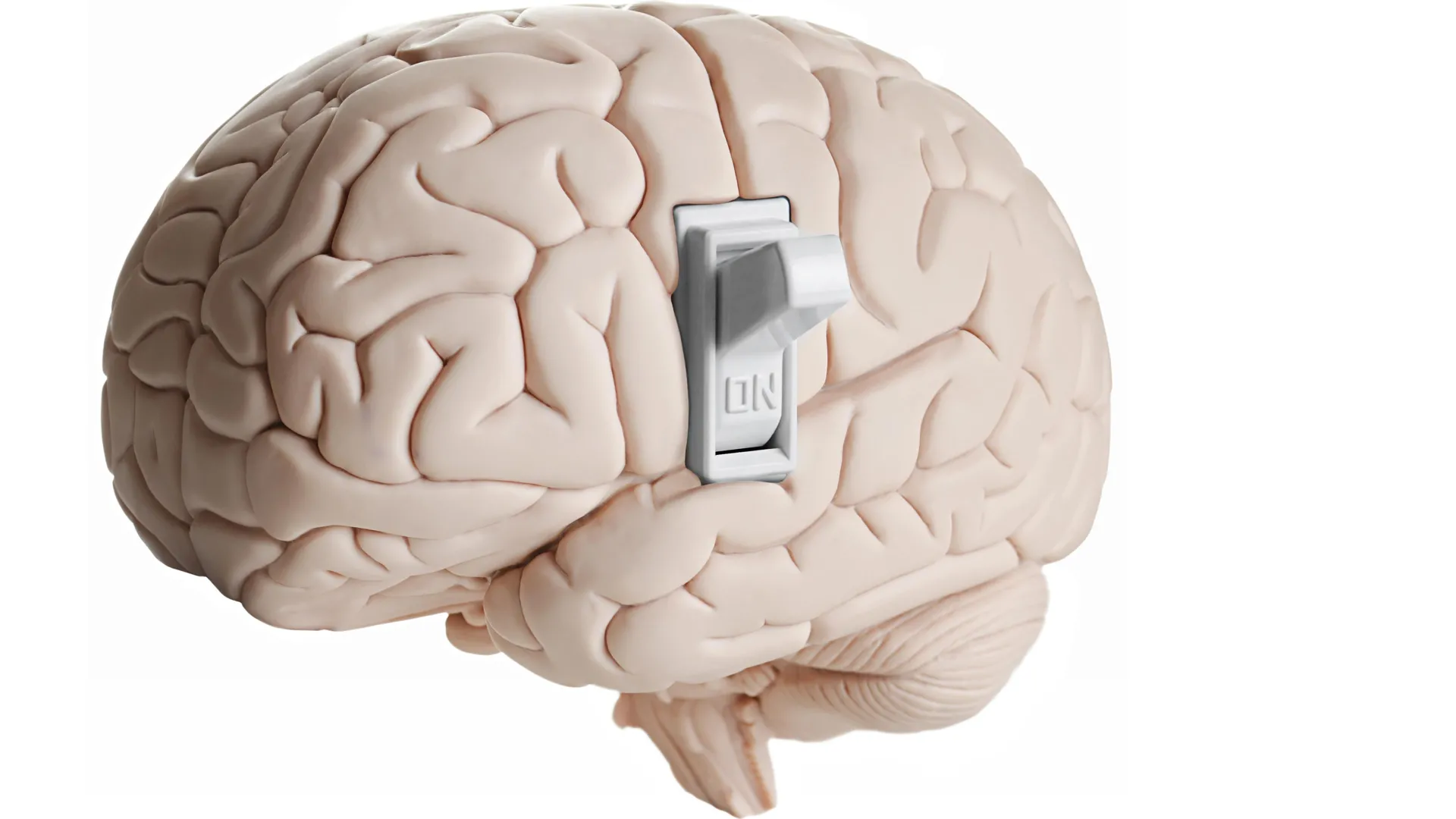
  • Researchers map a brain pathway that may signal fullness: Astrocytes emerge as a new appetite control target

    Researchers map a brain pathway that may signal fullness: Astrocytes emerge as a new appetite control target

    Scientists have identified a previously underappreciated brain signaling pathway that helps the body recognize when it is time to stop eating, shifting attention from neurons alone to a broader cellular network. The work, published April 6, 2026 in Proceedings of the National Academy of Sciences, focuses on how the hypothalamus processes post-meal fuel signals.

    The study centers on astrocytes, abundant brain cells long viewed mainly as support for neurons, and suggests they can actively shape appetite control. Researchers say this mechanism could eventually inform new strategies for obesity and eating-disorder treatments, though the findings are based on animal experiments.

    How glucose signals reach the brain

    After a meal, glucose levels rise and are sensed in part by tanycytes, specialized cells that line fluid-filled spaces in the brain. In the experiments, tanycytes responded to glucose by producing lactate, a metabolic byproduct that can function as a signaling molecule in the surrounding tissue.

    For years, lactate was often discussed as a signal that could act directly on appetite-regulating neurons. This research argues the message commonly takes an additional step, with astrocytes serving as a crucial intermediary before neurons that promote satiety are engaged.

    Astrocytes as appetite messengers

    The team found that astrocytes detect lactate via a receptor known as HCAR1 and, once activated, can release glutamate to influence nearby neurons. In this model, that astrocyte-to-neuron signal increases the excitability of POMC neurons, a population associated with suppressing appetite.

    In closely observed lab tests, stimulating glucose handling in a single tanycyte led to broader astrocyte activity nearby, suggesting the signal can spread through a local network. The researchers also described evidence consistent with a dual effect in the hypothalamus, potentially supporting satiety pathways while dampening hunger-promoting activity through separate routes.

    What this means for obesity research

    Because tanycytes and astrocytes exist across mammals, the authors argue the same kind of circuitry could plausibly operate in humans, but that remains to be confirmed. The next step, they say, is testing whether changing HCAR1 activity in astrocytes can reliably alter eating behavior.

    No approved drugs currently target this exact astrocyte pathway, and translating such findings into therapies typically requires years of follow-up work. Still, the researchers suggest that aiming at astrocyte signaling could one day complement existing anti-obesity approaches rather than replace them.

    The project reflects a long-running collaboration between the University of Concepción in Chile and the University of Maryland. The authors report the work was supported by Chilean research funding programs and the U.S. National Institutes of Health.