Tag: Gamtos mokslai

  • Ar įveiktumėte 15-mečių PISA testą? Patikrinkite matematiką, skaitymą ir mokslus

    Ar įveiktumėte 15-mečių PISA testą? Patikrinkite matematiką, skaitymą ir mokslus

    Ekonominio bendradarbiavimo ir plėtros organizacijos PISA tyrimas kas trejus metus matuoja 15-mečių skaitymo, matematikos ir gamtos mokslų gebėjimus. Naujausi rezultatai rodo ryškų smukimą daugelyje šalių, ypač matematikos ir skaitymo srityse.

    Ekspertai šį kritimą sieja su išaugusiu skaitmeninių įrenginių naudojimu, trumpėjančiu dėmesio išlaikymu ir mažėjančiu skaitymu savo malonumui. Vis daugiau diskusijų kelia ir dirbtinis intelektas, kuris, netinkamai naudojamas, gali pakeisti mąstymą mechaniniu atsakymų generavimu.

    Kas yra PISA ir ką ji matuoja?

    PISA vertina ne vien mokyklines žinias, o gebėjimą jas taikyti kasdienėse situacijose: interpretuoti tekstą, spręsti praktines užduotis, suprasti mokslinius reiškinius. Dėl to tyrimas dažnai laikomas vienu svarbiausių rodiklių, parodančių švietimo sistemos efektyvumą.

    Pastaraisiais metais vis didesnis dėmesys skiriamas ir skaitmeniniam raštingumui, kritiniam vertinimui bei informacijos patikimumo atpažinimui. Tai tampa ypač aktualu, kai mokiniai ir suaugusieji informaciją dažniau gauna iš socialinių tinklų nei iš knygų ar patikimų šaltinių.

    Ką sako PISA kūrėjai apie mokymąsi?

    OECD švietimo analitikai pabrėžia, kad mokymasis nėra pasyvus turinio vartojimas. Tikras supratimas atsiranda tada, kai žmogus lygina idėjas, argumentuoja, daro išvadas ir reflektuoja.

    „Esmė paprasta: sportinės formos neįgausi žiūrėdamas sportą, ją įgauni sportuodamas. Taip pat ir mokymasis neateina vien vartojant turinį, jis ateina įsitraukiant į idėjas, lyginant ir priešpastatant, o DI gali ištuštinti patį šį procesą“, – sakė OECD PISA iniciatorius Andreasas Schleicheris.

    Ar suaugusieji tikrai geresni?

    Diskusija apie mokinių rezultatus neišvengiamai atsiremia į suaugusiųjų įpročius. Tyrimai Europoje rodo, kad nemaža visuomenės dalis per metus neperskaito nė vienos knygos, o skaitymas laisvalaikiu daugeliui tampa retu įpročiu.

    Todėl PISA pavyzdinės užduotys vis dažniau naudojamos kaip paprastas būdas pasitikrinti, ar gebėtume greitai pritaikyti matematiką, suprasti tekstą ir logiškai paaiškinti mokslo reiškinius. Tokios užduotys atskleidžia ne atmintį, o mąstymo aiškumą.

    Tipinėse matematikos užduotyse prašoma apskaičiuoti dalį ar santykį iš pavaizduoto rašto, įvertinti grafiko teiginių pagrįstumą. Gamtos moksluose dažnai tikrinama, ar žmogus supranta priežasties ir pasekmės ryšius, pavyzdžiui, kodėl žaibas matomas anksčiau nei girdimas griaustinis.

    Skaitymo dalyje paprastai vertinama, ar gebama atskirti prasmingą teiginį nuo absurdiško, ir ar žmogus supranta internetinio pokalbio ar forumo ištraukos esmę. Tokie klausimai ypač aktualūs dezinformacijos laikais, kai svarbu ne tik perskaityti, bet ir teisingai interpretuoti.
  • Ar esate protingesni už 15-metį? PISA klausimai iš matematikos, gamtos mokslų ir skaitymo

    Ar esate protingesni už 15-metį? PISA klausimai iš matematikos, gamtos mokslų ir skaitymo

    By&nbspAmber Louise Bryce
    Published on Updated

    Share

    Comments

    Add Euronews on Google

    Share
    Close Button


    This week, the OECD’s PISA report has revealed a global decline in 15-year-old’s maths and reading skills — but how much better can the grown-up’s fare?

    Every three years, the Organisation for Economic Cooperation and Development’s (OECD)’s Programme for International Student Assessment (PISA) evaluates 15-year-olds’ reading, mathematics and science abilities through a standardised test.


    ADVERTISEMENT


    ADVERTISEMENT

    The latest report, published on Tuesday, has revealed a concerning global decline in maths and reading skills in particular. Artificial intelligence (AI), smartphones and social media have been cited as contributing factors.

    “The bottom line is quite simple: You don’t get fit by watching sports. You get fit by doing sports,” Andreas Schleicher, the founder of the OECD’s renowned PISA tests, told Euronews.

    “And the same is true with learning. Learning doesn’t come through the consumption of content; learning comes by engaging with ideas to compare and contrast. And AI can hollow out that very process. That’s what we observe.”

    But what about the adults? Are we any better? A 2024 study by Reading Agency found that half of the adults in the United Kingdom don’t read for pleasure, while a Eurostat survey from the same year found that almost half of EU citizens have not read a single book in twelve months.

    It begs the question: How much better than the 15-year-olds would we all fare?

    Now’s your chance to see — scroll to have a go at a sample of the OECD’s questions. Answers can be found at the very bottom of the page (no cheating!)

    Mathematics

    Question 1: Alex drew the following pattern of red and blue triangles.

    The first four rows of the pattern are shown below.

    Mathematics test from PISA 2022.

    Mathematics test from PISA 2022.
    OECD

    What percentage of the triangles in the first four rows of Alex’s pattern are blue?

    A) 37.5%

    B) 50.0%

    C) 60.0%

    D) 62.5%

    Question 2: Are the statements below supported by the information shown in the graph pictured? Answer either Yes or No for each statement.

    Mathematics test from PISA 2022.

    Mathematics test from PISA 2022.
    OECD

    • The number of DVDs sold declined by about 50% from 2008 through 2014
    • The number of DVDs sold declined by the same amount each year from 2008 through 2014
    • The slope of the line is the average yearly decline in DVDs sold from 2008 to 2014

    Science

    Question 1: Many people are concerned about the global environmental impacts of the manufacture and disposal of clothing.

    Cotton fibres come from the outer layer of the cotton plant’s seeds. Compared to synthetic fibres, cotton fibres need less processing and biodegrade more easily.

    The production of cotton textiles requires a lot of water, fertilisers, pesticides and other harmful chemicals. To try to solve these issues, sustainable cotton production methods are being developed.

    Which of the following actions can be taken to reduce the negative environmental impacts of producing cotton textiles? Highlight all correct answers.

    • Use water more efficiently
    • Reduce the quality of the cotton textiles produced
    • Increase the number of staff that cotton farms employ
    • Use pesticides that are harmful only to the pest species being targeted
    • Dispose of chemical waste in areas far away from the sites involved in cotton production

    Question 2: When lightning strikes, an observer immediately sees a flash of light. Thunder occurs at the same time, but the observer hears it a little later.

    The time taken before an observer hears thunder depends on factors including the distance between the observer and the location of the lightning strike.

    Which one of the following statements best explains why lightning is seen before thunder is heard?

    • The speed of light through air is faster than the speed of sound through air.
    • Light does not need to travel through the air to be seen, but sound does need to travel through the air to be heard.
    • Particles of light are not as heavy as particles of sound, so they are easier to detect
    • Eyes detect light faster than ears detect sound

    Reading

    Question 1: In this test, you will read some sentences and decide if they make sense or not. Answer YES if the sentence makes sense and NO if the sentence does not make sense.

    • The red car had a flat tire
    • Airplanes are made of dogs
    • The student read the book last night

    Question 2: You are visiting your relatives, who recently moved to a farm to raise chickens. You ask your aunt, “How did you learn how to raise chickens?”

    She says, “We talked to a lot of people who raise chickens. And, there are lots of resources on the Internet. For example, there is a Chicken Health forum that I like to visit. It was very helpful to me recently when one of my hens hurt her leg. I’ll show you the conversation I had.”

    Reading test from PISA 2022.

    Reading test from PISA 2022.
    OECD

    What does Ivana_88 want to know?

    • If she can give aspirin to an injured hen
    • How often she can give aspirin to an injured hen
    • How to contact a veterinarian about an injured hen
    • If she can determine the pain level of an injured hen

    Financial literacy

    Financial literacy test from PISA 2022.

    Financial literacy test from PISA 2022.
    OECD

    Greg buys a bike.He takes out a loan with the bike shop’s in-store finance company.How much is Greg likely to pay?

    • Less than 600 zeds
    • More than 600 zeds
    • Exactly 600 zeds

    Answers:

    Mathematics 1. A, 2. Yes, No, Yes.

    Science 1. ’Use water more efficiently’ and ‘Use pesticides that are harmful only to the pest species being targeted’. 2. ‘The speed of light through air is faster than the speed of sound through air.’

    Reading 1. Yes, No, Yes. 2. “If she can give aspirin to my hen”.

    Financial literacy 1. The second response or third response with explanation that Greg will pay additional charges.

    Find the OECD’s full PISA test here.

    Additional sources • OECD

    Go to accessibility shortcuts

    Share

    Comments

    Add Euronews on Google

    Read more

  • Marijampolėje priešmokyklinukai panėrė į chemiją: eksperimentai pavertė mokslą žaidimu

    Marijampolėje priešmokyklinukai panėrė į chemiją: eksperimentai pavertė mokslą žaidimu

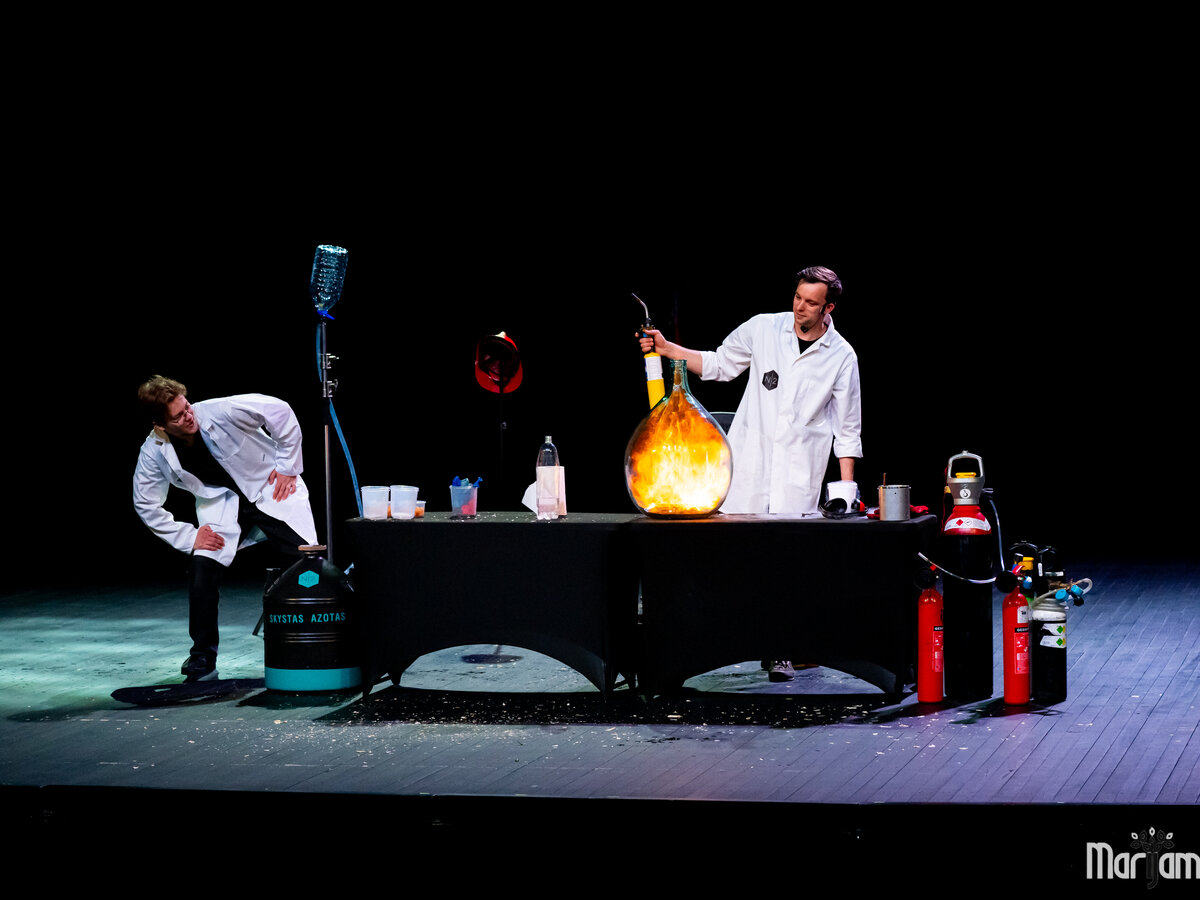
    Marijampolės savivaldybėje priešmokyklinio amžiaus vaikai sulaukė neįprastos dovanos – gyvos pažinties su chemija, kurią lydėjo demonstraciniai eksperimentai ir paprasti, kasdienybėje atpažįstami pavyzdžiai. Edukacijoje mažieji susipažino su medžiagomis, jų savybėmis ir tuo, kaip skirtingi junginiai gali keisti spalvą, formą ar reakcijos eigą.

    Tokios veiklos tampa vis svarbesnės ankstyvajame ugdyme, nes padeda vaikams mokslą sieti ne su teorija, o su patyrimu. Praktiniai bandymai lavina smalsumą, skatina kelti klausimus ir mokytis per stebėjimą, o tai vėliau palengvina gamtos mokslų supratimą pradinėse klasėse.

    Renginio metu vaikams parodyta, kad chemija gali būti saugi ir įdomi, jei laikomasi aiškių taisyklių. Edukatoriai priminė, kad bandymai su ugnimi, kaitinimu ar reakcijomis, kuriose naudojamos stipresnės medžiagos, galimi tik prižiūrint suaugusiesiems ir naudojant apsaugos priemones.

    Savivaldybė pažymi, kad tokios iniciatyvos padeda stiprinti vaikų pasitikėjimą savo gebėjimais ir kuria palankesnį santykį su mokslu nuo pat mažumės. Ankstyvosios edukacijos specialistai pabrėžia ir kitą naudą: eksperimentai ugdo kantrybę, gebėjimą sekti instrukcijas bei dirbti komandoje, kai rezultatas pasiekiamas kartu.

    Organizatoriai tikisi, kad įspūdžiai paskatins vaikus ir namuose domėtis mokslo reiškiniais, tačiau akcentuoja atsakingą požiūrį. Tėvams rekomenduojama rinktis amžiui pritaikytus, saugius bandymus su kasdienėmis priemonėmis, o sudėtingesnius eksperimentus palikti mokyklai ar edukacinėms programoms.