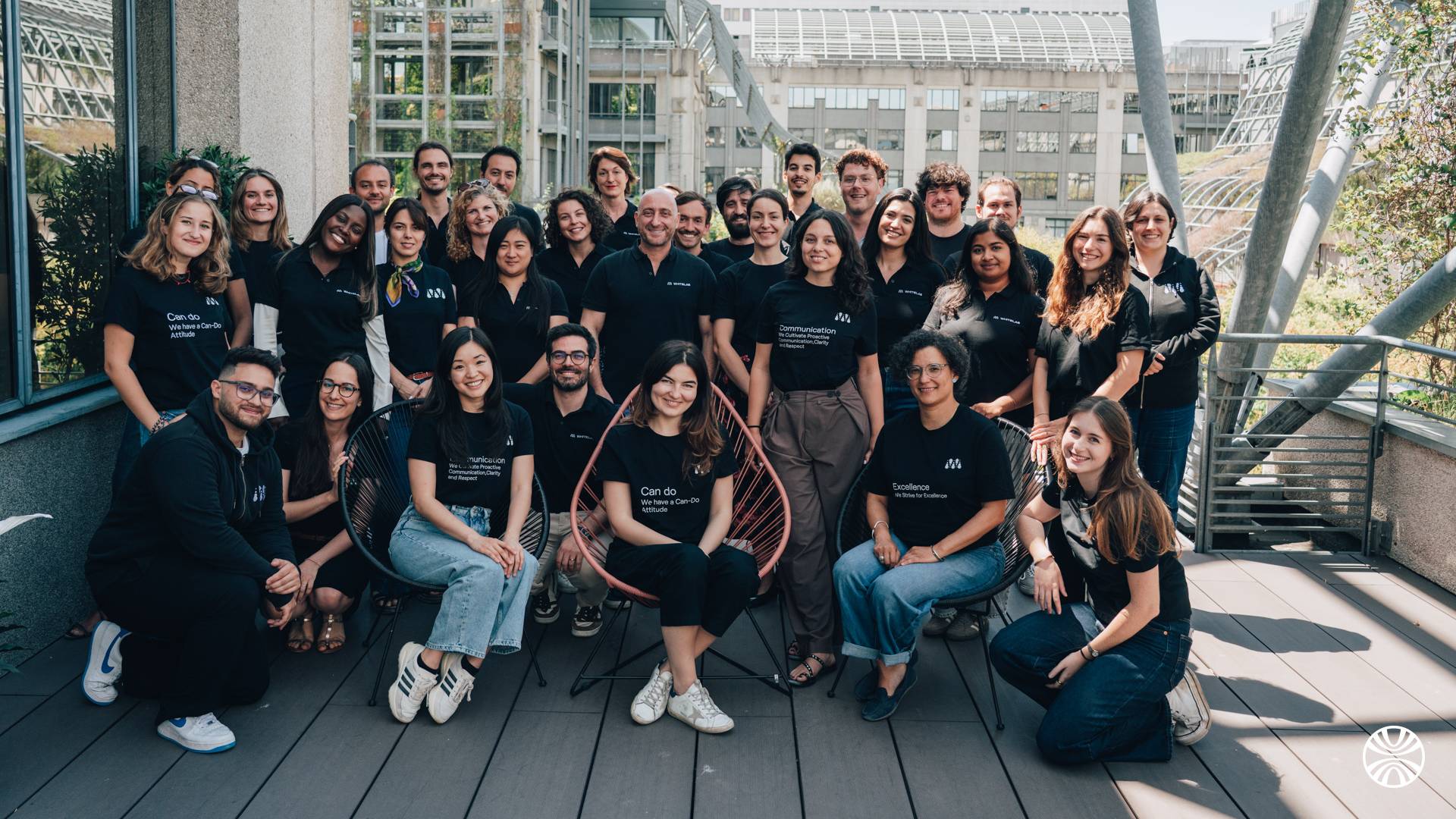
Paryžiuje įsikūrusi biotechnologijų bendrovė „WhiteLab Genomics“ pranešė užbaigusi 23,2 mln. eurų B serijos investicijų etapą. Įmonė kuria platformą, kuri pasitelkdama DI padeda projektuoti genominių vaistų komponentus ir jų pristatymo į ląsteles sprendimus.
Finansavimo etapui vadovavo tarptautinė investicijų platforma AVP, valdanti daugiau kaip 2,5 mlrd. eurų turto. Prie investicijos prisidėjo ir nauji investuotojai „Yaday Health“ bei „Blast Club“, taip pat esami rėmėjai „Omnes Capital“ ir „Debiopharm Innovation Fund“.
„WhiteLab kuria DI, kuris projektuoja genominius vaistus, veikiančius gyvuose organizmuose, o ne tik teoriniuose modeliuose. Būtent tai gali padėti DI tapti apčiuopiamu proveržiu šioje srityje“, – sakė AVP vadovaujantis partneris François Robinet.
„WhiteLab Genomics“ įkurta 2019 metais, o jos veikla orientuota į DI ir biologijos sankirtą. Įmonė vysto nuosavą platformą ALFRED, skirtą racionaliam vaistų dizainui ir vienai didžiausių genominių terapijų kliūčių spręsti: kaip saugiai ir tiksliai pristatyti terapiją į reikiamas žmogaus kūno ląsteles.
Praktikoje tai reiškia darbą tiek su virusiniais, tiek su nevirusiniais pristatymo būdais. Bendrovė optimizuoja tokius sprendimus kaip adenoasocijuoti virusai ir lipidinės nanodalelės, o taip pat kuria programuojamus genetinius krovinius, kuriuos vėliau tikrina eksperimentais ir in vivo tyrimais.
Įmonė skelbia jau pademonstravusi ALFRED potencialą bendradarbiaudama su Paryžiaus smegenų institutu. Pasak „WhiteLab Genomics“, platforma padėjo suprojektuoti naujus adenoasocijuotų virusų variantus, kurie in vivo tyrimuose peržengė kraujo ir smegenų barjerą, kartu išlaikydami gerą taikymą į smegenis ir neparodydami aptinkamo signalo kepenyse.
„DI gali padėti sukurti geresnius genominius vaistus, bet galutinis kriterijus visada tas pats: ar tai veikia gyvose sistemose. Būtent į tai ir orientuojamės, stiprindami eksperimentinį patvirtinimą“, – sakė „WhiteLab Genomics“ bendraįkūrėjas ir vadovas David Del Bourgo.
Gautos lėšos bus nukreiptos į in vivo patvirtinimo darbų plėtrą, didesnį dėmesį skiriant nevirusiniams pristatymo sprendimams ir programuojamiems sintetiniams promotoriams. Taip pat planuojama stiprinti Bostono padalinį, orientuotą į partnerystes su Šiaurės Amerikos biofarmacijos įmonėmis, bei didinti veiklą JAV Vakarų pakrantėje.
Be to, bendrovė nurodo vertinanti galimybes plėstis į Japoniją ir Pietų Korėją, kur didėja investicijos į pažangias terapijas. Kartu su finansavimu paskelbta, kad į valdybą jungiasi François Robinet ir „Yaday Health“ vadovas dr. Daniel Teper.
„WhiteLab Genomics“ veikia Paryžiuje, Bostone ir Monrealyje, o jos strategija remiasi eksperimentiškai patvirtintų biologinių sprendimų portfelio kūrimu. Tokie sprendimai gali būti vystomi pačios įmonės arba licencijuojami farmacijos ir biotechnologijų partneriams, kuriantiems naujos kartos genominius vaistus.
Genominių terapijų rinkoje vienas svarbiausių veiksnių išlieka tikslus pristatymas į norimus audinius, nes nuo to priklauso ir gydymo efektyvumas, ir saugumas. Dėl to įmonės, galinčios greičiau suprojektuoti ir patikrinti pristatymo vektorius bei genetinius krovinius, tampa vis patrauklesnės investuotojams ir didiesiems biofarmacijos žaidėjams.