Tag: Grafenas

  • Grafeną pigiau už vakarienę? Mokslininkai parodė triuką su blenderiu, vandeniu ir laikraščiu

    Grafeną pigiau už vakarienę? Mokslininkai parodė triuką su blenderiu, vandeniu ir laikraščiu

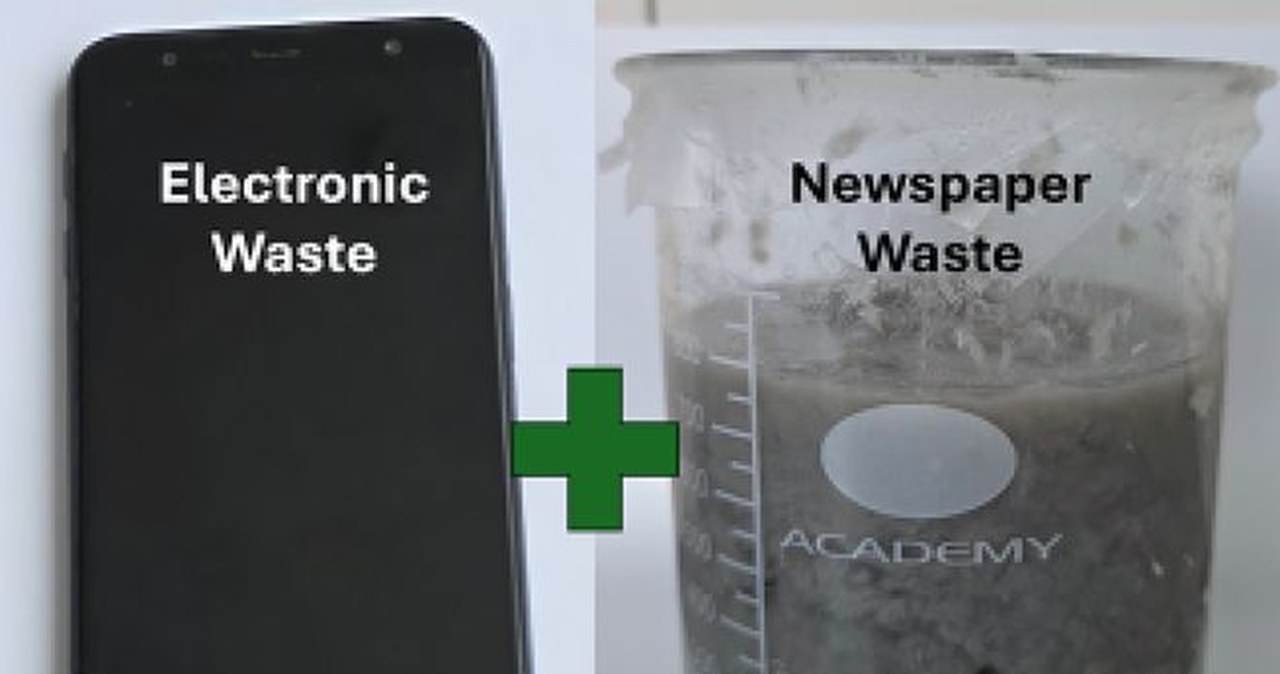
    Mokslininkai pristatė netikėtai paprastą kryptį, kaip pigiau išgauti grafeną: vietoje brangios laboratorinės įrangos panaudotas įprastas virtuvinis blenderis, vandentiekio vanduo, panaudotas laikraštis ir grafitas, atgautas iš elektronikos atliekų.

    Grafitas sudarytas iš daugybės anglies sluoksnių, o vienas sluoksnis ir yra grafenas. Tyrėjų tikslas buvo mechaniškai atskirti šiuos sluoksnius taip, kad jie nesuliptų atgal, nes būtent tai paprastai apsunkina paprastesnius ir pigesnius gamybos metodus.

    Eksperimente grafitas buvo smulkinamas skystyje blenderiu, o didesni, nepakankamai suskaidyti gabalai vėliau paprastai atfiltruojami, pavyzdžiui, virtuviniu sieteliu. Toks žingsnis pats savaime skamba banaliai, tačiau esminė problema išlieka ta pati: atskirtos grafeno plokštelės linkusios vėl susijungti.

    Čia praverčia makulatūra. Tyrėjai paruošė celiuliozės pluoštus iš seno laikraščio ir įmaišė juos į mišinį, o šie pluoštai suveikė kaip stabilizatorius, padedantis atskirtoms dalelėms išlikti suspensijoje ilgiau.

    Rezultatas praktiškas: be celiuliozės apdorota anglis nusėsdavo per kelias minutes, o su laikraščio pluoštu mišinys išlikdavo tinkamas darbui kelias valandas ir galėjo būti lengvai vėl sumaišomas paprastu suplakimu. Tai rodo, kad pigūs ir lengvai prieinami priedai gali pakeisti dalį sudėtingesnių laboratorinių tirpiklių ar stabilizatorių funkcijų.

    Vis dėlto tai nereiškia, kad namų blenderiai netrukus pakeis pramonines grafeno gamyklas. Greičiau tai signalas apie tvaresnę kryptį, kai elektronikos atliekos ir makulatūra gali tapti žaliava pažangioms medžiagoms, o nanotechnologijų prototipavimas darosi prieinamesnis mokykloms, mažoms laboratorijoms ar bendruomeninėms dirbtuvėms.

    Grafeno tema Europoje ir regione turi ir stiprų mokslinį kontekstą: grafenas laikomas viena perspektyviausių anglies pagrindo medžiagų dėl elektrinio laidumo, mechaninio tvirtumo ir labai plono sluoksnio savybių, todėl jo taikymas siejamas su jutikliais, elektronika, kompozitais ir energijos kaupimo sprendimais.

    Tyrimas publikuotas mokslo žurnale ACS Sustainable Resource Management, o jo idėja papildo platesnes tendencijas, kuriose svarbus ne tik našumas, bet ir žaliavų cikliškumas, mažesnis cheminių medžiagų poreikis bei paprastesnės gamybos grandinės ankstyvajame etape.
  • Printed artificial neurons link up with living brain cells, hinting at smarter brain interfaces

    Printed artificial neurons link up with living brain cells, hinting at smarter brain interfaces

    Engineers at Northwestern University have developed printed artificial neurons that can communicate with living brain cells, a step toward closer integration between electronics and neural tissue. In tests on mouse brain slices, the devices generated electrical spikes that activated biological neurons.

    The work, reported in Nature Nanotechnology, focuses on matching the timing and shape of real neural signals rather than producing simplified pulses. That compatibility matters because neurons respond not just to strength, but to precise patterns that govern how circuits switch on and coordinate.

    How the printed neurons work

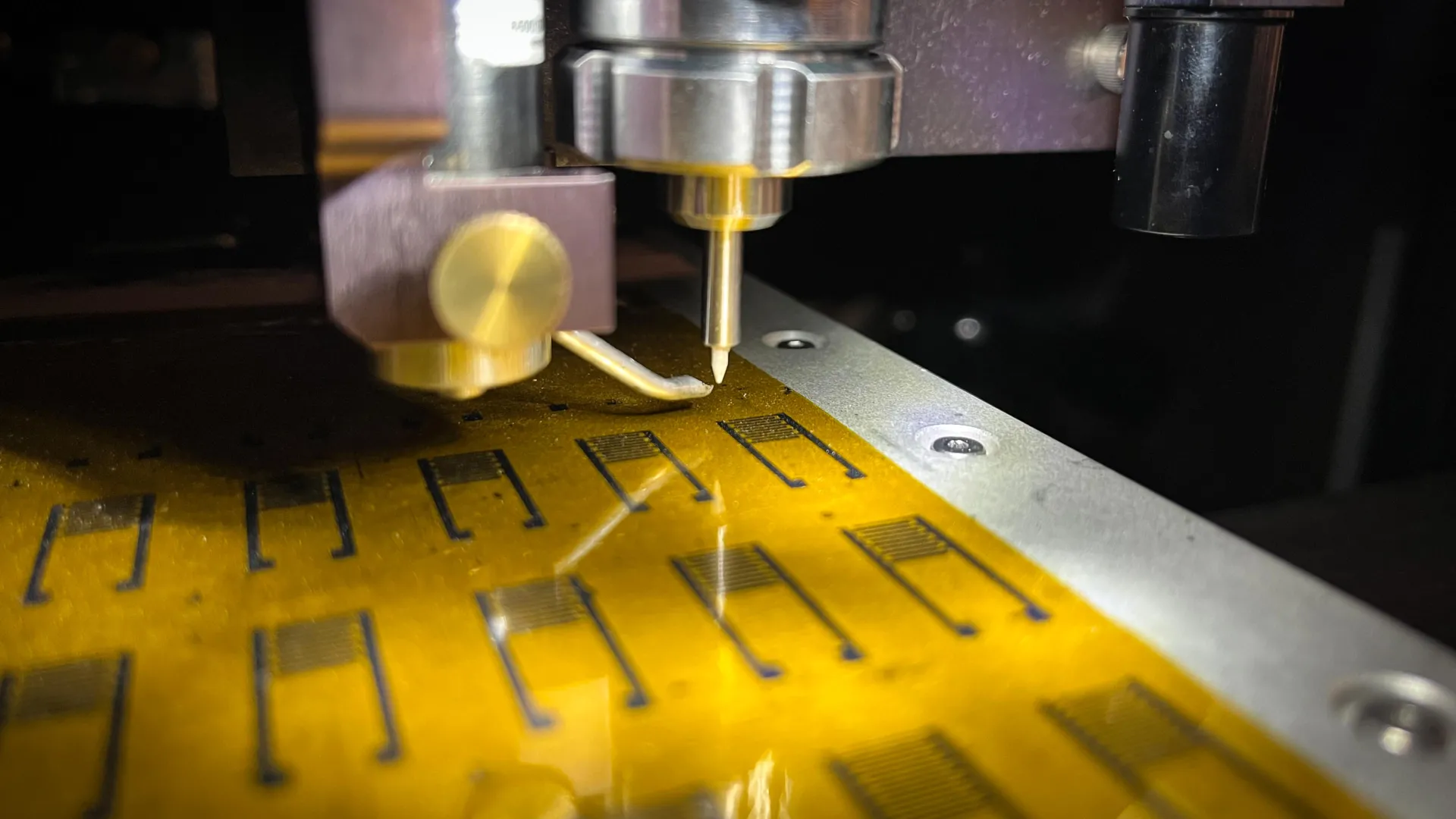
    The team fabricated the devices using aerosol jet printing, depositing electronic inks onto flexible polymer substrates. The inks use nanoscale flakes of molybdenum disulfide as a semiconductor and graphene as a conductor, materials commonly studied for next-generation electronics.

    A key twist is how the polymer is handled after printing. Instead of removing it entirely, researchers partially decomposed it so that electrical current could further reshape the material, creating a narrow conductive filament that produces a neuron-like firing response.

    Why brain timing is hard to mimic

    Many earlier artificial neurons struggled to hit biologically relevant speeds, producing spikes that were either too slow or too fast to reliably engage real tissue. Northwestern’s results suggest the printed devices operate within a temporal window that better aligns with the dynamics of living neurons.

    To test real-world interaction, the researchers delivered the artificial spike patterns to slices of mouse cerebellum in collaboration with neurobiologists. The recorded responses indicated that natural neurons fired in step with the artificial inputs, triggering downstream circuit activity.

    Implications for AI and neuroprosthetics

    The advance could support future brain-machine interfaces and neuroprosthetics that require stable, low-power communication with the nervous system. Flexible, printable electronics are also attractive for implants because they can better match soft tissue compared with rigid silicon components.

    Researchers also point to energy-efficient computing as a longer-term goal, as brain-inspired hardware could reduce power demands compared with conventional digital systems. By generating richer, more neuron-like signals per device, the approach may reduce the number of components needed for complex neuromorphic tasks.

    While the experiments were performed on brain slices rather than in living animals or people, the study offers a clearer demonstration of functional compatibility between artificial neurons and biological circuits. The next hurdles include long-term stability, safe packaging for biological environments, and scaling the technology into larger, controllable networks.