
Tag: Keck Medicine of USC

  • Parkinson’s trial explores iPSC brain cell implants to restore dopamine and movement

    Parkinson’s trial explores iPSC brain cell implants to restore dopamine and movement

    Doctors at Keck Medicine of USC are taking part in an early-stage clinical trial testing whether implanted stem cell-derived brain cells can help people with Parkinson’s disease regain motor function. The approach aims to replace lost dopamine-producing cells and potentially reduce symptoms driven by dopamine decline.

    Parkinson’s is a progressive neurological condition that affects movement and can also influence mood and cognition. In the United States, more than 1 000 000 people live with the disease, and roughly 90 000 new cases are diagnosed each year, according to recent estimates.

    Aiming to restore dopamine production

    The trial focuses on replenishing dopamine, a key chemical messenger needed for smooth, coordinated movement. As dopamine-producing neurons deteriorate, people may develop tremor, muscle rigidity, slowed movement, and walking and balance difficulties.

    Standard therapies such as levodopa and deep brain stimulation can improve symptoms for many patients, but they do not replace the underlying lost cells. Researchers hope cell replacement could complement existing care by rebuilding the brain’s dopamine-making capacity.

    How the stem cell procedure works

    The study uses induced pluripotent stem cells, or iPSCs, which are adult cells reprogrammed into a flexible state and then guided to become dopamine-producing neurons. Because iPSCs are not embryonic stem cells, the technology is often presented as a less ethically contentious route for creating specialized cells.

    Neurosurgeons implant the cells into the basal ganglia using imaging guidance, aiming for precise placement in a region central to movement control. Participants are monitored closely for 12 to 15 months for safety signals and changes in Parkinson’s symptoms.

    Safety focus and limited enrollment

    Investigators are watching for risks that can follow brain surgery or cell therapies, including infection and abnormal involuntary movements known as dyskinesia. Longer follow-up is expected to continue for up to five years to better understand durability and longer-term safety.

    Keck Medicine is one of three U.S. sites participating in the Phase 1 REPLACE clinical trial, which plans to enroll 12 people with moderate to moderate-severe Parkinson’s disease. The experimental therapy, called RNDP-001, is being developed by Kenai Therapeutics and has received FDA fast-track designation to support an accelerated review pathway if results warrant it.
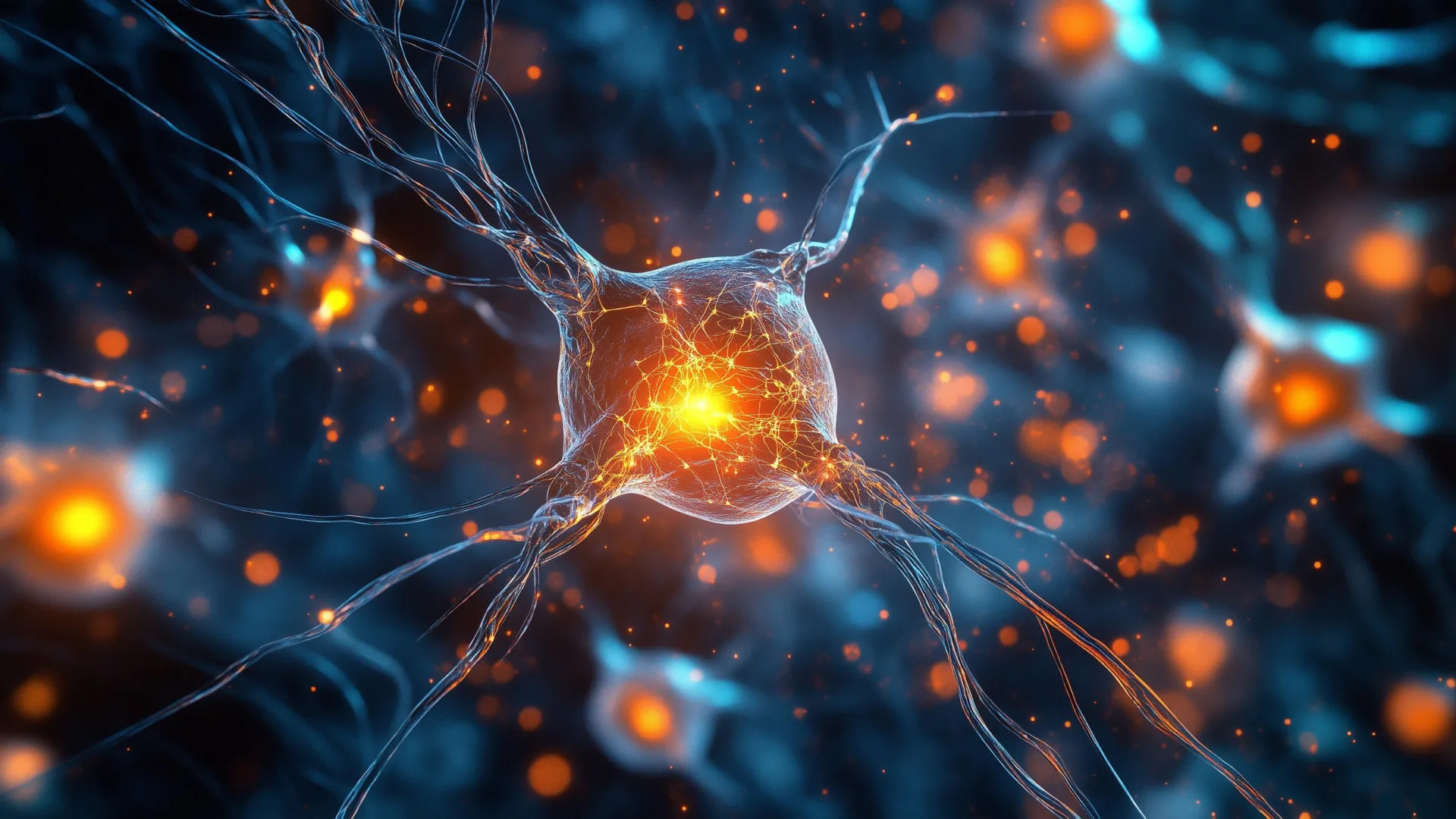
  • Parkinson’s trial tests dopamine stem cell implants at USC, offering a closer look at brain repair

    Parkinson’s trial tests dopamine stem cell implants at USC, offering a closer look at brain repair

    Doctors at Keck Medicine of USC have begun implanting dopamine-producing stem cells into the brains of people with Parkinson’s disease, as part of an early-stage clinical trial designed to assess safety and feasibility. The approach aims to replace nerve cells lost to the disorder and restore dopamine production at its source.

    Parkinson’s is a progressive neurological condition best known for tremor, stiffness and slowed movement, but it can also affect sleep, mood and cognition. In the United States, more than 1 000 000 people are living with Parkinson’s, and roughly 90 000 new cases are diagnosed each year, according to public health estimates.

    Why dopamine loss matters

    The disease is closely tied to the gradual death of dopamine-producing neurons, which disrupts signals that help coordinate movement. Standard treatments, including levodopa and other medications, can reduce symptoms, but they do not reliably stop the underlying neurodegeneration.

    The new strategy attempts to address that core deficit by placing replacement cells directly into brain circuits involved in motor control. Researchers say that if transplanted cells survive and produce dopamine in a regulated way, patients could see more stable symptom control than medication alone can provide.

    How the stem cell procedure works

    The trial uses induced pluripotent stem cells, or iPSCs, which are created by reprogramming adult cells back into a flexible state that can be guided to become specific cell types. In this study, the cells are engineered to mature into dopamine-producing neurons intended to integrate into the brain.

    During surgery, clinicians create a small opening in the skull and use imaging guidance to deliver the cells into the basal ganglia, a region central to movement regulation. Participants are monitored closely after implantation for complications such as infection and abnormal involuntary movements, known as dyskinesia.

    What researchers will watch next

    The multi-site U.S. study plans to enroll 12 people with moderate to moderate-severe Parkinson’s disease, with follow-up in the first 12 to 15 months focused heavily on safety signals. Researchers also plan longer observation, up to five years, to evaluate durability and potential longer-term risks.

    The investigational therapy, called RNDP-001, is produced by Kenai Therapeutics, and the FDA has granted the study fast-track designation, a process meant to speed development for serious conditions with unmet need. Even with that designation, researchers caution that larger trials would be required to determine whether the implants provide consistent, meaningful clinical benefit.

    Stem cell and cell-replacement approaches are an active area of Parkinson’s research worldwide, reflecting a broader push to move beyond symptom relief toward disease-modifying strategies. For now, the USC-led effort adds closely watched clinical data on whether implanted dopamine neurons can be delivered safely and function as intended in patients.