Tag: Kraujo-smegenų barjeras

  • Mokslininkai perspėja: populiarus saldiklis gali silpninti smegenų barjerą ir didinti insulto riziką

    Mokslininkai perspėja: populiarus saldiklis gali silpninti smegenų barjerą ir didinti insulto riziką

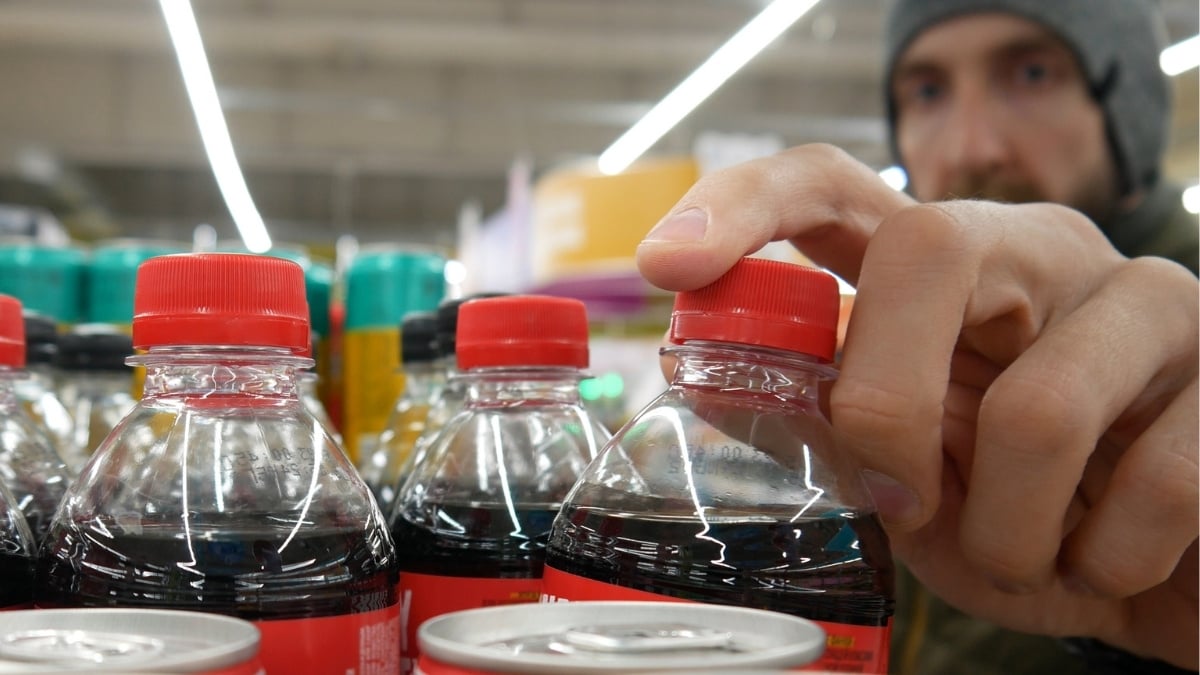
    Eritritolis – plačiai naudojamas saldiklis, randamas baltyminiuose batonėliuose, gėrimuose be cukraus ir keto produktuose – ilgą laiką buvo laikomas saugesne cukraus alternatyva. Tačiau nauji tyrimai kelia klausimų, ar dažnas jo vartojimas negali turėti nepageidaujamų pasekmių širdžiai ir smegenims.

    Kolorado universiteto mokslininkai publikacijoje aprašė laboratorinius bandymus, kuriuose eritritolio poveikis buvo tirtas kraujo–smegenų barjero ląstelėse. Šis barjeras veikia kaip apsauginis filtras: į smegenis praleidžia reikalingas medžiagas, o potencialiai žalingas sulaiko.

    Ką parodė laboratoriniai bandymai

    Tyrėjai kraujo–smegenų barjero ląsteles veikiant eritritoliu naudojo koncentracijas, kurios gali būti pasiekiamos po saldikliu pasaldinto gaiviojo gėrimo. Stebėta, kad didėjo oksidacinis stresas: daugėjo reaktyvių molekulių, galinčių žaloti ląsteles, o natūralūs antioksidaciniai mechanizmai silpnėjo.

    Taip pat fiksuotas kraujagyslių funkcijai svarbių signalų disbalansas: mažėjo azoto oksido gamyba ir didėjo endotelino-1 aktyvumas. Tokia kryptis siejama su didesniu kraujagyslių susitraukimu, o tai teoriškai gali pabloginti kraujotakos prisitaikymą, ypač kai audiniams reikia daugiau deguonies.

    Dar vienas tyrime aptartas aspektas – galimas poveikis organizmo gebėjimui natūraliai tirpdyti krešulius. Mokslininkai analizavo signalus, susijusius su audinių plazminogeno aktyvatoriumi – baltymu, kuris dalyvauja krešulių skaidyme ir yra svarbus, kai kraujagyslėje susiformuoja užsikimšimas.

    Kaip tai siejasi su ankstesniais duomenimis

    Šie laboratoriniai rezultatai papildo ankstesnius stebėjimo tyrimus, kuriuose didesnės eritritolio koncentracijos kraujyje buvo siejamos su dažnesniais didžiaisiais širdies ir kraujagyslių įvykiais, įskaitant infarktą ir insultą. Vis dėlto stebėjimo tyrimai savaime neįrodo priežastinio ryšio, nes juose gali veikti ir kiti rizikos veiksniai.

    Patys autoriai pabrėžia ribotumus: bandymai atlikti su izoliuotomis ląstelėmis laboratorijoje, o ne su visu žmogaus organizmu. Dėl to realiomis sąlygomis poveikis gali būti kitoks, todėl reikalingi išsamesni tyrimai su sudėtingesniais modeliais ir klinikiniais duomenimis.

    Kodėl eritritolis taip paplitęs

    Eritritolis priskiriamas cukraus alkoholiams ir natūraliai nedideliais kiekiais gali būti aptinkamas maiste bei susidaryti organizme. Pramonėje jis vertinamas dėl to, kad savo savybėmis panašesnis į cukrų nei kai kurie kiti saldikliai: suteikia saldumą, dalyvauja tekstūros formavime ir dažnai naudojamas produktuose, pažymėtuose kaip be pridėtinio cukraus.

    Europos maisto saugos institucijos ir JAV reguliuotojai eritritolį yra įvertinę kaip tinkamą vartoti maisto produktuose. Tačiau pastaraisiais metais daugėja diskusijų, kad net ir plačiai naudojami priedai turėtų būti nuolat peržiūrimi, atsirandant naujiems moksliniams duomenims.

    „Tai dar nėra galutinis atsakymas, tačiau signalas, kad dažnai vartojamus saldiklius verta vertinti ne vien pagal kalorijas“, – sako tyrimą aptarę mokslininkai.

    Praktiniu požiūriu specialistai pataria atkreipti dėmesį į etiketes ir nepamiršti, kad dažnas itin perdirbtų, saldikliais praturtintų produktų vartojimas nebūtinai reiškia sveikesnę mitybą. Jei žmogus turi padidintą širdies ir kraujagyslių ligų riziką ar jau yra patyręs kraujotakos sutrikimų, dėl saldiklių vartojimo apimčių tikslinga pasitarti su gydytoju ar dietologu.

  • Microplastics and the brain: Researchers map possible links to Alzheimer’s and Parkinson’s

    Microplastics and the brain: Researchers map possible links to Alzheimer’s and Parkinson’s

    Microplastics, the tiny plastic fragments found in food, water and household dust, are under growing scrutiny as researchers examine how they may affect the brain. A new scientific review pulls together evidence suggesting these particles could contribute to processes seen in Alzheimer’s and Parkinson’s disease.

    Dementia affects more than 57 million people globally, and experts expect the burden of neurodegenerative disease to rise as populations age. That backdrop is sharpening interest in whether environmental exposures such as microplastics may worsen inflammation or accelerate neurological decline.

    Five mechanisms under scientific review

    The review, published in Molecular and Cellular Biochemistry by an international team including the University of Technology Sydney and Auburn University, outlines several biological routes of potential harm. It focuses on immune activation, oxidative stress, disruption of the blood-brain barrier, mitochondrial dysfunction and direct neuronal injury.

    Researchers argue that if microplastics weaken the blood-brain barrier, the brain may become more vulnerable to inflammatory molecules and immune responses that can damage delicate tissue. In parallel, they describe how oxidative stress could rise if reactive oxygen species increase while antioxidant defenses are depleted.

    Energy disruption and protein buildup concerns

    Another concern highlighted in the paper is mitochondrial interference, which could reduce cellular energy production and strain neurons that rely heavily on steady ATP supply. Over time, energy shortfalls may impair brain function and make nerve cells more susceptible to damage.

    The authors also discuss disease-specific hypotheses, including whether microplastics might promote protein changes associated with Alzheimer’s, such as beta-amyloid and tau accumulation. For Parkinson’s, they note a possible role in α-synuclein aggregation and stress on dopamine-producing neurons.

    What the evidence can and cannot show

    While the review raises plausible pathways, the researchers stress that confirming a direct causal link in humans will require further studies, including exposure measurement and long-term clinical follow-up. Much of the current understanding comes from laboratory and animal research, along with emerging evidence that microplastics can accumulate in organs.

    Even with uncertainties, scientists say practical exposure reduction may be reasonable while research catches up, particularly in everyday food and household contexts. The authors point to reducing reliance on plastic food containers and packaging, limiting plastic-related dust and fibers, and supporting policies that curb plastic pollution at its source.

    Ongoing work at the involved institutions is expected to further test how ingested or inhaled microplastics interact with cells and barriers in the body. Public health experts say clearer answers will depend on standardizing how microplastics are measured and comparing real-world doses across populations.

  • Johns Hopkins study spotlights hydrogen sulfide signaling as a potential new target in Alzheimer’s research

    Johns Hopkins study spotlights hydrogen sulfide signaling as a potential new target in Alzheimer’s research

    Researchers at Johns Hopkins Medicine report that a newly funded study by the National Institutes of Health is helping advance a potential new approach to Alzheimer’s disease treatment. The focus is a protein in the brain that produces a small but important gas.

    The protein, called Cystathionine γ-lyase, or CSE — best known for generating hydrogen sulfide, the gas that smells like rotten eggs — appears to play a key role in how memory forms. The findings come from experiments in genetically engineered mice, according to study leader Bindu Paul, M.S., Ph.D., associate professor of pharmacology, psychiatry and neuroscience at the Johns Hopkins University School of Medicine.

    The research, published in Proceedings of the National Academy of Sciences, aims to better understand how this protein works and whether boosting its activity could help protect brain cells and slow neurodegenerative diseases such as Alzheimer’s.

    Hydrogen Sulfide May Protect Brain Cells

    Earlier studies suggested that hydrogen sulfide can help protect neurons in mice. However, the gas is toxic in large amounts, which makes it unsafe to deliver directly to the brain. Scientists are instead trying to understand how to safely maintain the extremely small levels naturally present in neurons.

    The new findings show that mice engineered to lack the CSE enzyme develop problems with memory and learning. These mice also show increased oxidative stress, DNA damage and weakened blood-brain barrier integrity — all features commonly associated with Alzheimer’s disease, says Paul, the study’s corresponding author.

    Building on Years of Research

    The current work builds on earlier research led by Solomon Snyder, M.D., D.Sc., D.Phil., professor emeritus of neuroscience, pharmacology, and psychiatry. In 2014, his team reported that CSE supported brain health in mice with Huntington’s disease. The researchers used mice lacking the CSE protein, first developed in 2008 when the protein was linked to blood vessel function and blood pressure regulation.

    In 2021, the group found that CSE was not functioning properly in mice with Alzheimer’s disease, and that very small injections of hydrogen sulfide helped protect brain function.

    Those earlier studies focused on mice with additional genetic mutations tied to neurodegenerative diseases. The latest research isolates the role of CSE itself.

    “This most recent work indicates that CSE alone is a major player in cognitive function and could provide a new avenue for treatment pathways in Alzheimer’s disease,” says co-corresponding author Snyder, who retired from the Johns Hopkins Medicine faculty in 2023.

    Memory Loss Linked to CSE Deficiency

    To better understand how CSE affects memory, scientists compared mice lacking the protein with normal mice using the same strain developed in 2008. They tested spatial memory (ability to remember directions and follow cues) using a setup called the Barnes maze.

    In this test, mice learn to escape a bright light by finding a hidden shelter. At two months old, both normal mice and those lacking CSE performed similarly, locating the shelter within three minutes. By six months, however, the CSE-deficient mice struggled to find the escape route, while normal mice continued to succeed.

    “The decline in spatial memory indicates a progressive onset of neurodegenerative disease that we can attribute to CSE loss,” says first author Suwarna Chakraborty, a researcher in Paul’s lab.

    Brain Changes Mirror Alzheimer’s Disease

    The researchers also examined how the absence of CSE affects the brain at a cellular level. The hippocampus, a region critical for learning and memory, relies on the formation of new neurons. Disruptions in this process are a known feature of neurodegenerative diseases.

    Using biochemical and analytical methods, the team found that proteins involved in neurogenesis were reduced or missing in mice without CSE.

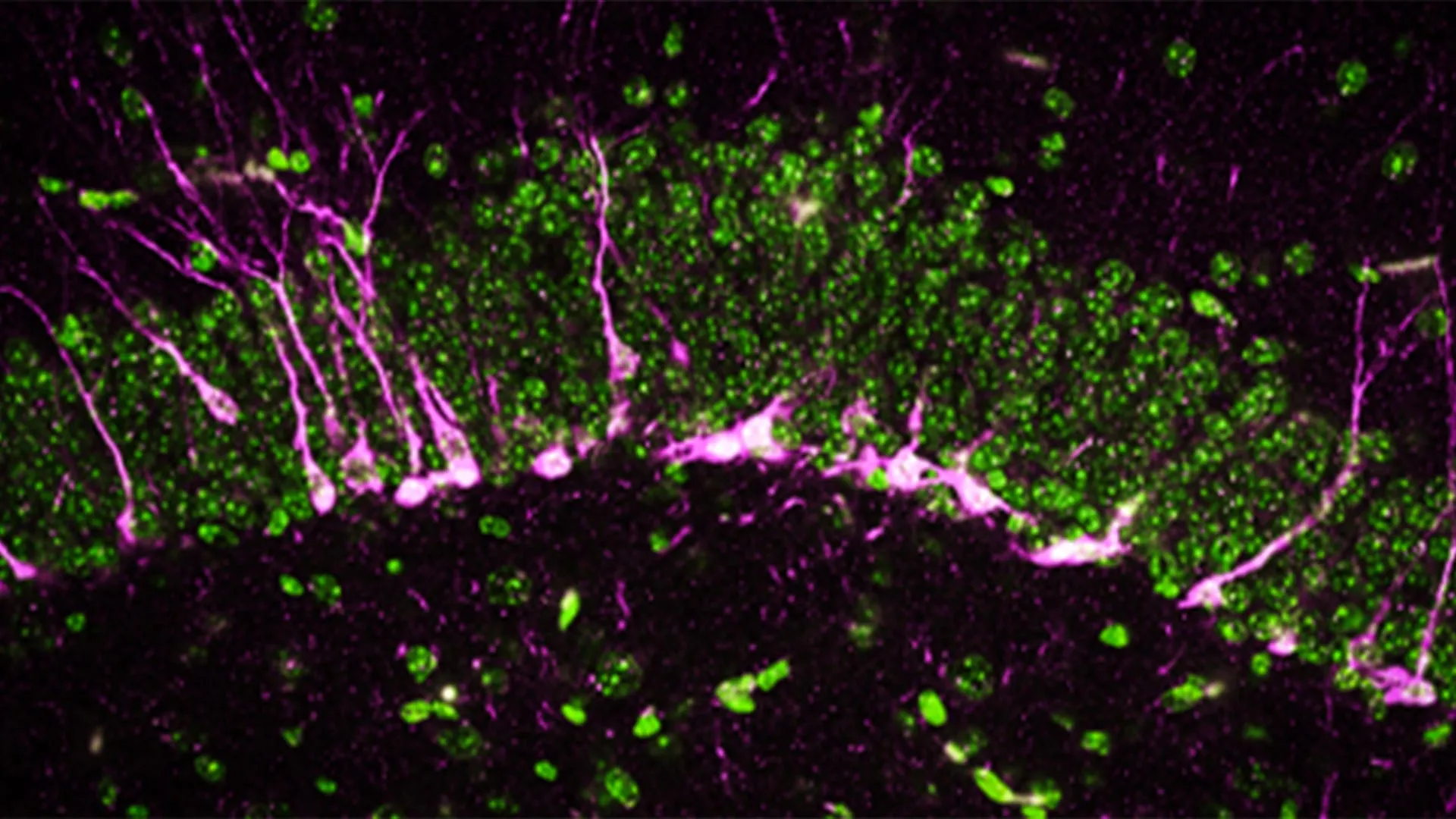
    With high powered electron microscopes, the scientists observed structural damage in the brains of these mice. They found large breaks in blood vessels, indicating harm to the blood-brain barrier, another hallmark of Alzheimer’s disease. In addition, newly formed neurons had difficulty reaching the hippocampus, where they normally contribute to memory formation.

    “The mice lacking CSE were compromised at multiple levels, which correlated with symptoms that we see in Alzheimer’s disease,” says co-first author Sunil Jamuna Tripathi, a researcher in Paul’s lab.

    Toward New Alzheimer’s Treatments

    Alzheimer’s disease affects more than 6 million people in the United States, according to the U.S. Centers for Disease Control and Prevention, and the number continues to grow. Currently, no treatments have been consistently shown to stop or slow the disease.

    The researchers say that targeting CSE and its production of hydrogen sulfide could offer a new path for developing therapies aimed at protecting brain function and slowing disease progression.

    Funding and Research Contributors

    Funding support for this research was provided by the National Institutes of Health (1R01AG071512, P50 DA044123,1R21AG073684, O1AGs066707, U01 AG073323, AG077396, NS101967, NS133688, P01CA236778), the Department of Defense (HT94252310443), the American Heart Association, AHA-Allen Initiative in Brain Health and Cognitive Impairment, the Solve ME/CFS Initiative, the Catalyst Award from Johns Hopkins University, the Valour Foundation, the Wick Foundation, Department of Veterans Affairs Merit Award (I01BX005976), the Louis Stokes Cleveland Department of Medical Affairs Veterans Center, the Mary Alice Smith Funds for Neuropsychiatry Research, the Lincoln Neurotherapeutics Research Fund, the Gordon and Evie Safran Neuropsychiatry Fund; and the Leonard Krieger Fund of the Cleveland Foundation.

    In addition to Paul, Snyder, Chakraborty and Tripathi, contributors included Richa Tyagi and Benjamin Orsburn from Johns Hopkins; Edwin Vázquez-Rosa, Kalyani Chaubey, Hisashi Fujioka, Emiko Miller and Andrew Pieper of Case Western University; Thibaut Vignane and Milos Filipovic from Leibniz Institute for Analytical Sciences, Germany; Sudarshana Sharma from Hollings Cancer Center; Bobby Thomas from Darby Children’s Research Institute and the Medical University of South Carolina, and Zachary Weil and Randy Nelson from West Virginia University School of Medicine.