













Musical residencies are on the rise in Europe for major pop stars, but costs are increasingly being heaped upon audiences with travel, accommodation and extras pushing up ticket prices, according to Spanish consumer rights group FACUA.
For decades, Las Vegas made musical residencies part of its identity. Instead of taking a show from city to city, major artists would stage the same production in a single venue for weeks or even months, and it was the audience who travelled to see it. Europe is now beginning to experiment with a similar formula.

ADVERTISEMENT
ADVERTISEMENT
Madrid is one of the most visible examples of this transformation. Shakira has headlined a 12-date residency in a temporary venue, the Shakira Stadium, set up at Iberdrola Music in Villaverde. Bad Bunny has concentrated ten concerts at the Riyadh Air Metropolitano as part of his tour, while Dani Martín has become the first artist to develop a residency at Madrid’s Movistar Arena.
The phenomenon goes beyond Spanish and Latin American performers. Other international stars such as Céline Dion, Adele and Ariana Grande have also been linked, in different ways, to formats that group several performances in the same European city. The result is a major change in the relationship between artist, city and audience.
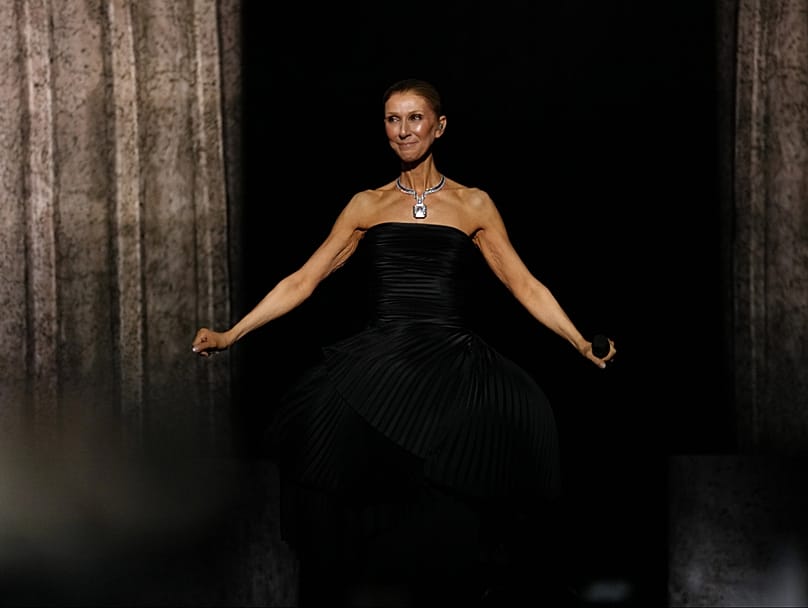
For Rubén Sánchez, secretary-general of consumer rights group FACUA, this formula “does not benefit the public”. He believes that concentrating performances allows the industry to cut costs by using the same venue for longer, while forcing many spectators to take on additional expenses.
“It is not the same for all the shows to be held in Madrid as for there to be a tour of different cities in Spain,” Sánchez explains. On top of the ticket price can come transport, accommodation, food and other costs linked to the trip.
More dates, but also more expenses
Residencies can increase the number of tickets available by offering several chances to see the same artist. However, for those who live far from the chosen city, the real cost of attending can be considerably higher.
Sánchez believes it will be the public’s response that ultimately determines the future of the model. If fans are willing to travel and absorb those extra costs, he thinks it is likely that more residencies will appear. If there is a backlash that translates into lower ticket sales, the industry may reconsider its strategy.
“The success or failure of the new model will depend on the mass reaction of users,” he says.

The issue of the final price
FACUA also warns of another problem linked to ticket sales: the lack of clarity over how much consumers end up paying. Sánchez is particularly critical of the so-called “booking fees” added during the purchasing process. For FACUA, the advertised price should include all compulsory costs from the outset.
“From the very first minute, from the very first screen, from the first advert, they have to say what the ticket price is,” he insists. On top of that comes the resale market. FACUA argues that resale should only be allowed on a non-profit basis, for instance when a consumer who cannot go sells their ticket to someone else. The organisation is calling for tighter regulation of resale aimed at making a profit.
The consumer will have the final say
The model emulates Las Vegas because it turns the concert into a destination. For host cities, thousands of fans can generate business for hotels, restaurants, transport and shops. For consumers, however, it means shouldering a larger share of the cost and the logistics.
Sánchez believes it is still too early to know whether residencies will become established in Europe. The key will be whether audiences accept this new equation: more chances to see a major artist, but also a greater likelihood of having to travel and spend more to do so.
Read more

Share
Comments
Add Euronews on Google