Tag: Northwestern University

  • Northwestern University sukūrė beveik nematomą droną: ore lieka tik miglotas šešėlis

    Northwestern University sukūrė beveik nematomą droną: ore lieka tik miglotas šešėlis

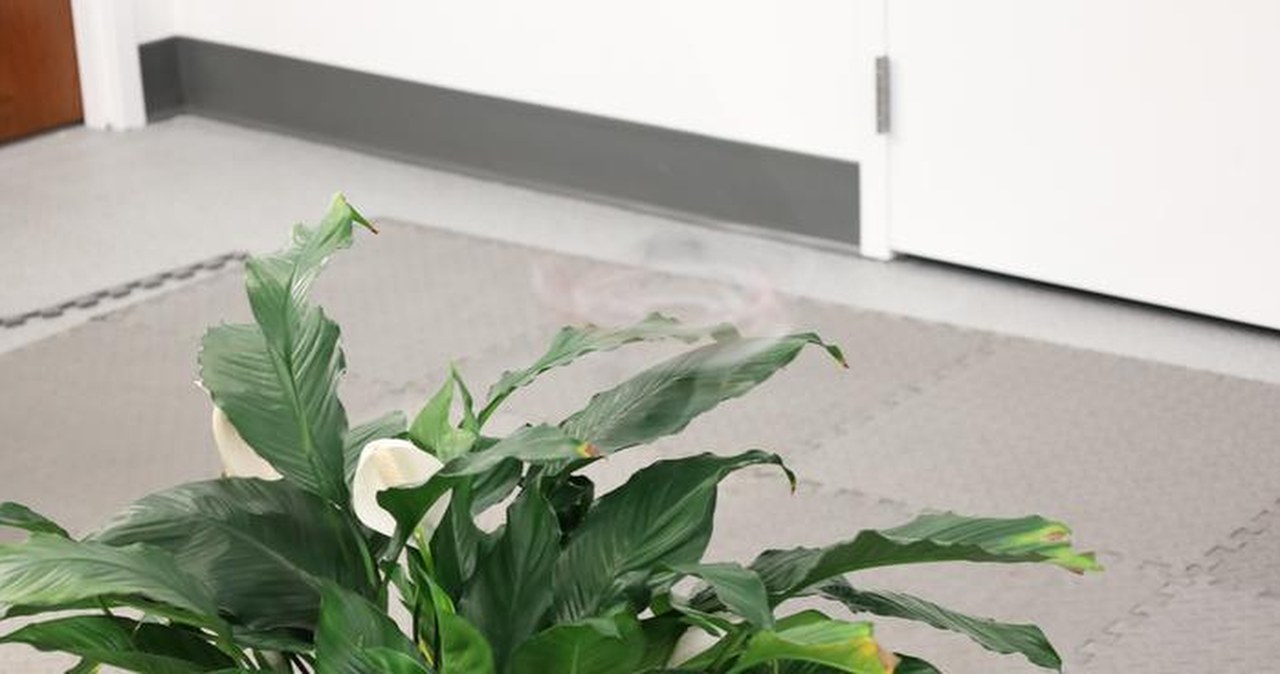
    Northwestern University tyrėjai pristatė neįprastą drono koncepciją „Phantom Twist“, kuri ore tampa gerokai sunkiau pastebima nei įprasti keturrotoriai modeliai. Esminė idėja paprasta: vietoj aiškaus korpuso silueto stebėtojas dažniau mato tik vos pastebimą, pusiau permatomą judesio „šmėkštelėjimą“.

    Skirtingai nei tradiciniuose dronuose, kur sukasi tik sraigtai, o centrinė dalis išlieka vizualiai stabili, čia sukasi ir korpusas. Konstrukcijoje naudojamas vienas varomasis mazgas, kuriame sraigtas ir drono kūnas sukasi priešingomis kryptimis, todėl visa sistema stebėtojui ima panašėti į greitai besisukantį diską.

    Toks sprendimas remiasi žmogaus regos ypatumais: stebint labai greitai judančius objektus, vaizdas tarsi „suvienodinamas“, prarandamos aštrios briaunos, detalės ir aiškus kontūras. Dėl to dronas ne „dingsta“ kaip mokslinės fantastikos filmuose, bet tampa ženkliai sunkiau atpažįstamas realioje aplinkoje.

    Projekto komanda pabrėžia, kad didžiausias iššūkis buvo stabilumas, nes besisukanti platforma jautri menkiausiems masės pasiskirstymo netikslumams. Siekiant subalansuoti akumuliatorių, elektroniką ir atsvaras taip, kad sukimosi metu neatsirastų ryškūs kontūrai, buvo pasitelktas DI: generuota apie 20 000 stabilių konfigūracijų, kurias vėliau optimizavimo algoritmai tobulino.

    Skaitmeniniai bandymai buvo atlikti su 100 skirtingų fonų, artimų realioms stebėjimo sąlygoms. Tyrėjų vertinimu, „Phantom Twist“ gali būti maždaug 10 kartų sunkiau pastebimas už tipinį keturrotorį, nes akiai trūksta „už ko užsikabinti“ – aiškaus korpuso ir stabilios formos.

    Galimi pritaikymai siejami pirmiausia su aplinkos ir laukinės gamtos tyrimais, kur dronai jau naudojami paukščių lizdų apskaitai, šlapynių kartografavimui ar sunkiai pasiekiamų vietovių stebėsenai. Mažiau krintanti į akis platforma teoriškai leistų fiksuoti natūralesnį gyvūnų elgesį, nes sumažėtų vizualinis trikdis.

    Vis dėlto technologija dar turi ribojimų: net jei dronas vizualiai pranyksta, sraigtų skleidžiamas garsas išlieka atpažįstamas, o įdėmiai stebint galima pastebėti plonus konstrukcinius elementus. Kūrėjai nurodo, kad tolesnėje versijoje sieks mažinti triukšmą ir eksperimentuos su skaidresnėmis medžiagomis.

    Pastaraisiais metais dronų sektoriuje ryškėja dvi kryptys: pažangesnės autonomijos sistemos ir mažesnis poveikis aplinkai stebėjimo metu. „Phantom Twist“ išsiskiria tuo, kad „nematomumo“ efektas kuriamas ne maskuojančiomis spalvomis, o judesio suvokimo apgaule ir precizišku balansu, kuris tampa centrine viso dizaino ašimi.
  • Printed artificial neurons link up with living brain cells, hinting at smarter brain interfaces

    Printed artificial neurons link up with living brain cells, hinting at smarter brain interfaces

    Engineers at Northwestern University have developed printed artificial neurons that can communicate with living brain cells, a step toward closer integration between electronics and neural tissue. In tests on mouse brain slices, the devices generated electrical spikes that activated biological neurons.

    The work, reported in Nature Nanotechnology, focuses on matching the timing and shape of real neural signals rather than producing simplified pulses. That compatibility matters because neurons respond not just to strength, but to precise patterns that govern how circuits switch on and coordinate.

    How the printed neurons work

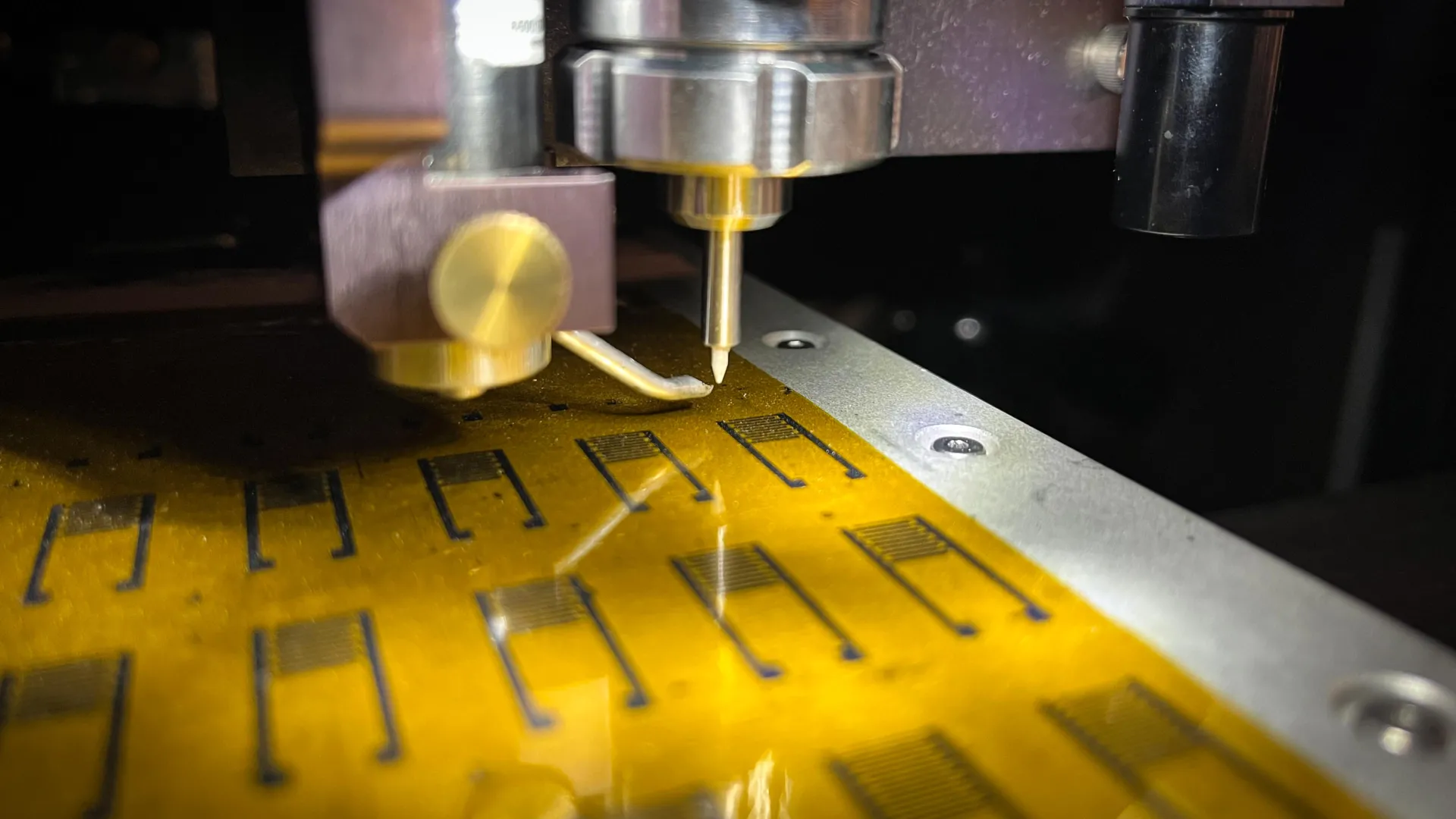
    The team fabricated the devices using aerosol jet printing, depositing electronic inks onto flexible polymer substrates. The inks use nanoscale flakes of molybdenum disulfide as a semiconductor and graphene as a conductor, materials commonly studied for next-generation electronics.

    A key twist is how the polymer is handled after printing. Instead of removing it entirely, researchers partially decomposed it so that electrical current could further reshape the material, creating a narrow conductive filament that produces a neuron-like firing response.

    Why brain timing is hard to mimic

    Many earlier artificial neurons struggled to hit biologically relevant speeds, producing spikes that were either too slow or too fast to reliably engage real tissue. Northwestern’s results suggest the printed devices operate within a temporal window that better aligns with the dynamics of living neurons.

    To test real-world interaction, the researchers delivered the artificial spike patterns to slices of mouse cerebellum in collaboration with neurobiologists. The recorded responses indicated that natural neurons fired in step with the artificial inputs, triggering downstream circuit activity.

    Implications for AI and neuroprosthetics

    The advance could support future brain-machine interfaces and neuroprosthetics that require stable, low-power communication with the nervous system. Flexible, printable electronics are also attractive for implants because they can better match soft tissue compared with rigid silicon components.

    Researchers also point to energy-efficient computing as a longer-term goal, as brain-inspired hardware could reduce power demands compared with conventional digital systems. By generating richer, more neuron-like signals per device, the approach may reduce the number of components needed for complex neuromorphic tasks.

    While the experiments were performed on brain slices rather than in living animals or people, the study offers a clearer demonstration of functional compatibility between artificial neurons and biological circuits. The next hurdles include long-term stability, safe packaging for biological environments, and scaling the technology into larger, controllable networks.