Tag: PLOS Biology

  • Mokslininkai rado 2 senovinius įkalčius: paaiškėjo, kodėl net 90 proc. žmonių dešiniarankiai

    Mokslininkai rado 2 senovinius įkalčius: paaiškėjo, kodėl net 90 proc. žmonių dešiniarankiai

    Kodėl dešiniarankių tiek daug?

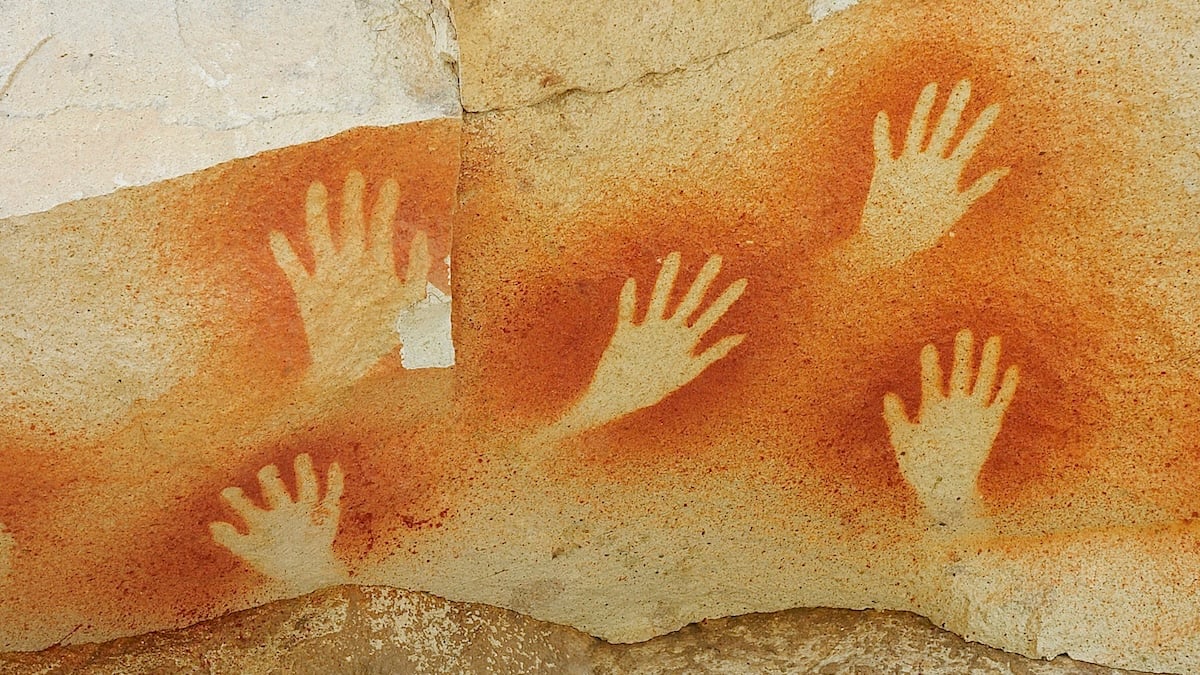
    Apie 90 proc. žmonių kasdienes užduotis natūraliai atlieka dešine ranka, o toks pasiskirstymas matomas daugelyje pasaulio kultūrų. Ilgą laiką tai aiškinta vien tradicija ar auklėjimu, tačiau naujesni duomenys rodo, kad šaknys kur kas senesnės.

    Naujas tyrimas, apjungęs primatų elgsenos duomenis ir evoliucinius modelius, siūlo dviejų pakopų paaiškinimą. Pirmiausia mūsų protėvius pakeitė vaikščiojimas dviem kojomis, vėliau šį polinkį sustiprino smegenų didėjimas ir specializacija.

    Ką rodo primatų palyginimas?

    Mokslininkai atliko metaanalizę, kurioje įvertino daugiau nei 2 000 individų iš 41 beždžionių ir žmogbeždžionių rūšies, taip pat žmonių, duomenis. Daugumai rūšių ryškaus polinkio į vieną ranką nebuvo, tačiau žmonės išsiskyrė aiškiu dešinės rankos dominavimu.

    Tyrime pastebėta, kad kai kurios rūšys gali turėti silpną kryptingumą, bet jis paprastai nėra toks stiprus ir toks plačiai paplitęs kaip žmonių populiacijoje. Tai leido kelti klausimą, kokie biologiniai pokyčiai žmogaus linijoje galėjo „užfiksuoti“ dešiniarankiškumą.

    „Tai pirmas darbas, kuriame keli pagrindiniai paaiškinimai dėl rankos dominavimo patikrinti viename bendrame modelyje“, – sakė evoliucinės antropologijos tyrėjas Thomas Püschel.

    Dvi pakopos: dvikojystė ir didėjančios smegenys

    Analizė parodė, kad su rankos dominavimu labiausiai siejosi smegenų dydis ir kūno proporcijos, ypač galūnių santykis. Idėja paprasta: kai protėviai pradėjo vaikščioti dviem kojomis, rankos „atsilaisvino“ nuo judėjimo funkcijos ir galėjo labiau specializuotis smulkiai motorikai, įrankių valdymui ir tiksliems veiksmams.

    Vėliau, didėjant smegenims ir ryškėjant pusrutulių funkcijų pasidalijimui, tokia specializacija galėjo tapti dar stabilesnė populiacijos mastu. Kitaip tariant, dešiniarankiškumas galėjo tapti ne atsitiktiniu pasirinkimu, o efektyvumo principu paremtu sprendimu, kurį ilgainiui „įtvirtino“ nervų sistema.

    „Dvikojystė sukūrė anatomines ir ekologines galimybes rankų specializacijai, o smegenų didėjimas vėliau sustiprino ir dar labiau įtvirtino lateralizacijos dėsningumus populiacijoje“, – teigiama tyrimo išvadose.

    Tyrėjai taip pat atkreipia dėmesį, kad kultūra galėjo veikti kartu su biologija: visuomenėse, kuriose įrankių naudojimas, rašymas ir kitos kasdienės praktikos reikalavo nuoseklių judesių, dominuojanti ranka galėjo tapti dar labiau standartizuota. Vis dėlto pabrėžiama, kad vien kultūros nepakanka paaiškinti tokio masto reiškinį.

    Nors dešiniarankiškumas dominuoja, kairiarankiai niekur nedingo, o tai rodo, kad gamtoje vis dar išlieka vietos įvairovei. Mokslininkai kelia klausimą, kodėl kairiarankiškumas išsilaikė ir ar panašūs evoliuciniai dėsningumai galėtų būti aptikti ir kitose gyvūnų grupėse, kur pasitaiko galūnių ar net regos dominavimas.

    Tyrimo rezultatai paskelbti moksliniame žurnale „PLOS Biology“.

  • Study links language networks to visual memory: Why a banana’s color may depend on words

    Our ability to store information about familiar objects depends on the connection between visual and language processing regions in the brain, according to a study published May 20 in the open-access journal PLOS Biology by Bo Liu from Beijing Normal University, China, and colleagues.

    Seeing an object and knowing visual information about it, like its usual color, activate the same parts of the brain. Seeing a yellow banana, for example, and knowing that the object represented by the word “banana” is usually yellow, both excite the ventral occipitotemporal cortex (VOTC). However, there’s evidence that parts of the brain involved in language, like the dorsal anterior temporal lobe (ATL), are also involved in this process — dementia patients with ATL damage, for example, struggle with object color knowledge, despite having relatively normal visual processing areas. To understand whether communication between the brain’s language and sensory association systems is necessary for representing information about objects, the authors tested whether stroke-induced damage to the neural pathways connecting these two systems impacted patients’ ability to match objects to their typical color. They compared color-identification behavior in 33 stroke patients to 35 demographically-matched controls, using fMRI to record brain activity and diffusion imaging to map the white matter connections between language regions and the VOTC.

    The researchers found that stronger connections between language and visual processing regions correlated with stronger object color representations in the VOTC, and supported better performance on object color knowledge tasks. These effects couldn’t be explained by variations in patients’ stroke lesions, related cognitive processes (like simply recognizing a patch of color), or problems with earlier stages of visual processing. The authors suggest that these results highlight the sophisticated connection between vision and language in the human brain.

    The authors add, “Our findings reveal that the brain’s ability to store and retrieve object perceptual knowledge — like the color of a banana — relies on critical connections between visual and language systems. Damage to these connections disrupts both brain activity and behavior, showing that language isn’t just for communication — it fundamentally shapes how sensory experiences are neurally structured into knowledge.”

  • Brain stimulation linked to small boost in generosity: What a new PLOS Biology study found

    Brain stimulation linked to small boost in generosity: What a new PLOS Biology study found

    Non-invasive brain stimulation that nudges two brain regions to operate in sync may slightly increase generous choices, according to a study published in PLOS Biology on February 10. Researchers say the results add evidence that specific brain-network communication can shape social decision-making.

    The international team, led by Jie Hu of East China Normal University with collaborators at the University of Zurich, tested whether coordinating activity between frontal and parietal areas affects altruism. These regions are often associated with goal-directed behavior and higher-level reasoning during complex choices.

    Testing generosity in a lab game

    The experiment included 44 participants who completed 540 rounds of a standard behavioral task known as the Dictator Game. In each round, a participant decided how to split money with another person, with the amounts varying across decisions.

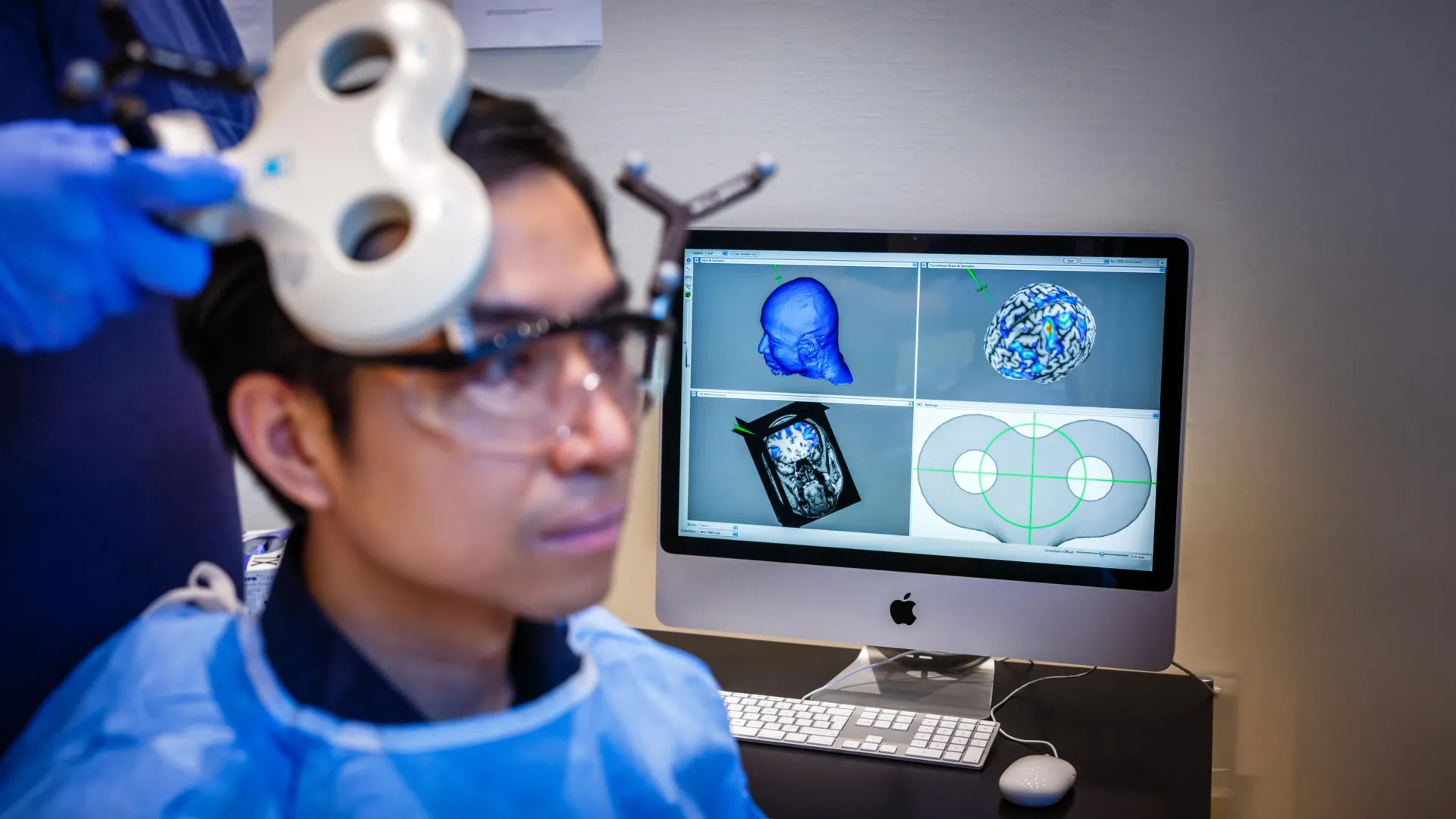
    During the task, the researchers applied transcranial alternating current stimulation, a technique designed to influence brain rhythms through weak electrical currents delivered via the scalp. The goal was to encourage synchrony between the targeted frontal and parietal regions at specific oscillation frequencies.

    Gamma synchrony showed the clearest shift

    When stimulation was set to strengthen gamma-band synchrony between the two regions, participants became modestly more likely to choose larger splits for the other person. The effect was most apparent even in situations where giving more meant the participant would take less than their counterpart.

    Using computational modeling, the team reported that the stimulation appeared to change how people weighed outcomes, increasing the importance placed on the other person’s payoff. The authors described this as a measurable shift in value computations rather than a simple preference for equal splits.

    Limits and what comes next

    The researchers noted they did not directly record neural activity during stimulation, meaning the intended brain synchrony was inferred rather than confirmed in real time. They suggested future studies combining stimulation with EEG could verify how brain signals change and how long any behavioral effects last.

    Coauthor Christian Ruff said the work helps link a specific communication pattern between brain regions to altruistic choices, while Hu emphasized the study’s attempt to demonstrate cause and effect. The team cautioned that the increase in generosity was small and the findings do not imply a tool for controlling behavior outside controlled research settings.