Tag: PNAS

  • Mokslininkai atskleidė, kodėl mamos gali lemti ilgaamžiškumą: raktas slypi vaiko priežiūroje

    Mokslininkai atskleidė, kodėl mamos gali lemti ilgaamžiškumą: raktas slypi vaiko priežiūroje

    Kas sieja ilgaamžes rūšis?

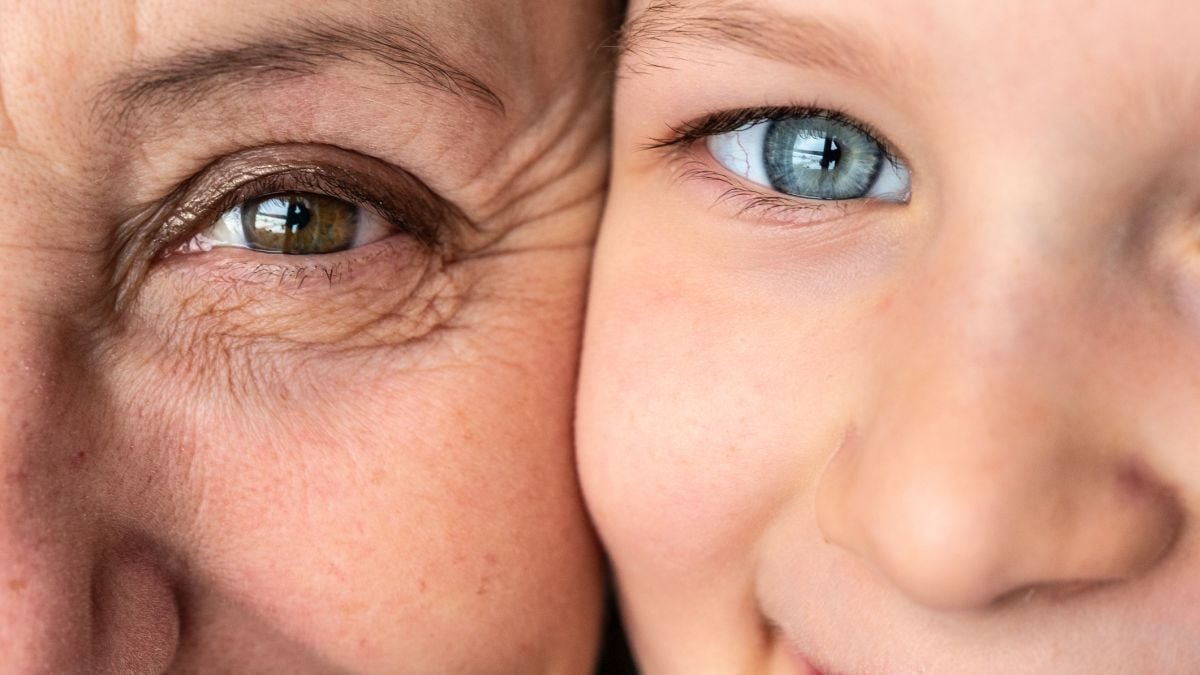
    Žmonės gyvena neįprastai ilgai, lyginant su daugeliu panašaus kūno dydžio žinduolių, o mokslininkai vis dar aiškinasi, kodėl taip nutiko. Naujesni modeliavimu paremti tyrimai rodo, kad vienas svarbiausių veiksnių gali būti ilgas laikotarpis, kai jaunikliai priklauso nuo motinos priežiūros.

    Analizuodami lėtai bręstančias ir ilgai gyvenančias rūšis, tokias kaip kai kurie primatai, banginiai, hienos ar drambliai, tyrėjai ieškojo bendro bruožo. Paaiškėjo, kad šių rūšių jaunikliai dažnai ilgai išlieka priklausomi nuo motinos, o tai keičia visos populiacijos evoliucijos kryptį.

    Kodėl motinos išgyvenimas toks svarbus?

    Tyrėjų komanda, vadovaujama Kornelio universiteto neurobiologo Matthew Zipple, modeliavo, kaip motinos išlikimas susijęs su palikuonių šansais išgyventi ir vėliau patiems susilaukti jauniklių. Išvada paprasta: kai jaunikliai ilgai remiasi motinos pagalba, ilgiau gyvenančios motinos suteikia tiesioginį pranašumą savo palikuonims.

    Tokiose populiacijose natūrali atranka ilgainiui gali palankiau vertinti ilgaamžiškumą, nes motinos buvimas didina palikuonių sėkmę. Kartu dažnai atsiranda ir kitas dėsningumas: tokios rūšys paprastai susilaukia mažiau jauniklių, bet kiekvienam jų skiria daugiau resursų.

    „Viena paslaptingiausių žmogaus savybių yra tai, kad gyvename itin ilgai, palyginti su daugybe kitų žinduolių“, – sakė Matthew Zipple.

    „Siūlome, kad dalis paaiškinimo slypi kitame esminiame mūsų gyvenimo aspekte – motinos ir vaiko ryšyje“, – sakė Matthew Zipple.

    Kaip tai siejasi su kitomis teorijomis?

    Ilgaamžiškumo aiškinimuose dažnai minima vadinamoji močiutės hipotezė, teigianti, kad vyresnės patelės po reprodukcinio laikotarpio gali didinti palikuonių išgyvenimą, padėdamos auginti anūkus. Vis dėlto ši idėja tinka ne visoms rūšims, nes aiškus pomenopauzinis etapas būdingas tik daliai gyvūnų, pavyzdžiui, žmonėms ir kai kuriems banginiams.

    Naujesnis požiūris siūlo platesnį paaiškinimą: net ir ten, kur nėra aiškaus močiutės vaidmens, vien motinos išlikimas ir ilgalaikė priežiūra gali stipriai pakreipti evoliuciją ilgesnės gyvenimo trukmės link. Modeliai rodo, kad kuo labiau jauniklių sėkmė priklauso nuo motinos, tuo labiau populiacijoje įsitvirtina ilgaamžiškumas ir lėtesnis dauginimasis.

    Ar tėvų vaidmuo taip pat svarbus?

    Tyrime daugiausia dėmesio skirta motinoms, nes daugumoje analizuotų rūšių būtent jos atlieka didžiąją priežiūros dalį, o patikimų duomenų apie tėvų įtaką dažnai trūksta. Ten, kur tokie ryšiai tirti, pavyzdžiui, žmonių ir kai kurių primatų populiacijose, motinos įtaka paprastai būna ilgesnė ir stipresnė nei tėvo.

    Mokslininkai pabrėžia, kad tai nėra paprastas receptas ilgaamžiškumui, o evoliucinis mechanizmas, veikiantis per kartas. Vis dėlto tokie darbai padeda geriau suprasti, kodėl žmonėms būdingas ilgas gyvenimas, lėtesnis brendimas ir ilga vaikystė, o kartu atveria kelią tikslesnėms hipotezėms apie sveiko senėjimo biologiją.

    Tyrimo rezultatai publikuoti žurnale Proceedings of the National Academy of Sciences.

  • Brain generosity study points to the basolateral amygdala as a key social-distance switch

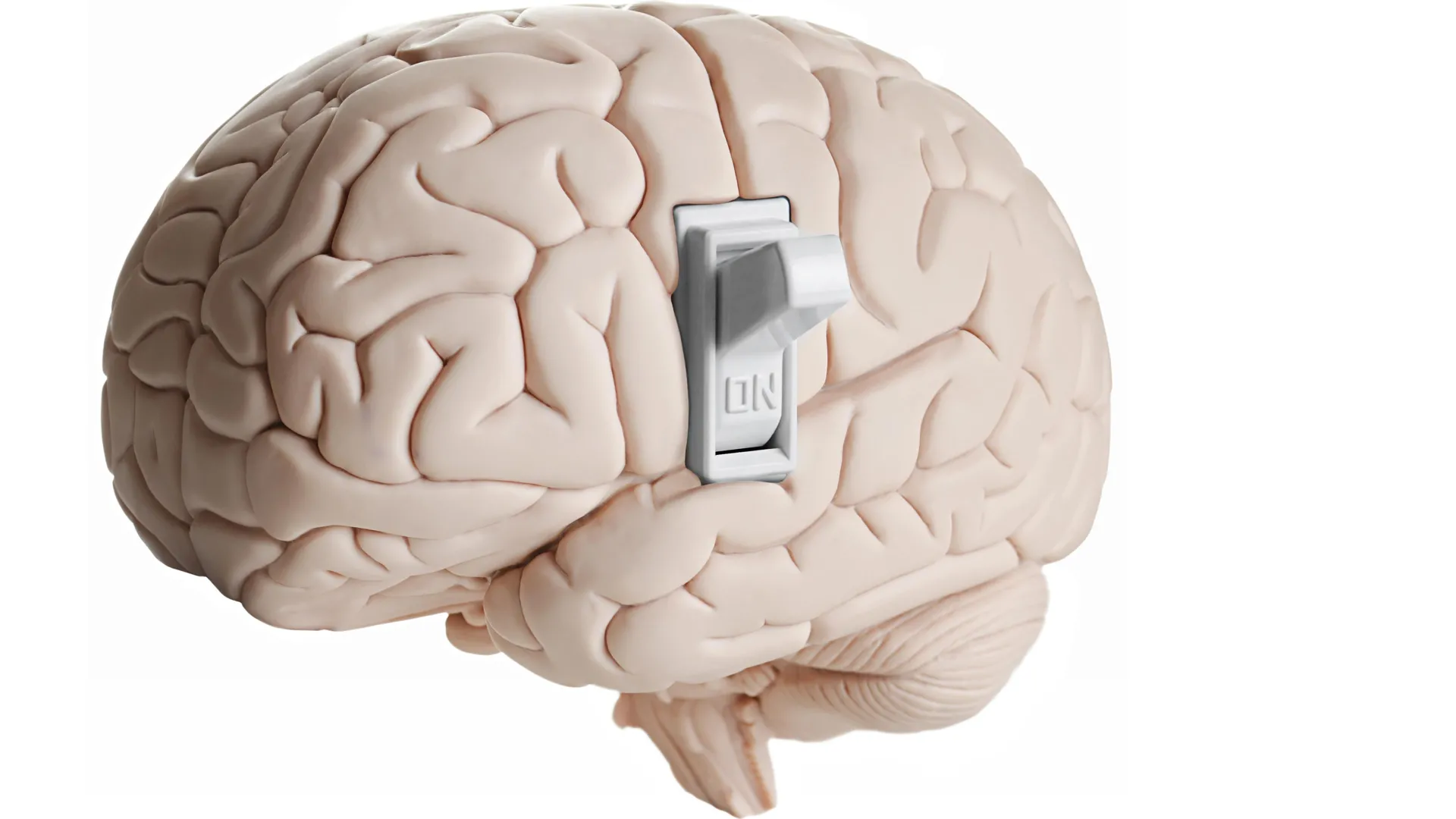
    Neuroscientists investigating why people are generous to some but not others have identified a brain region that appears to fine-tune giving based on emotional closeness. The work, published in Proceedings of the National Academy of Sciences, focuses on the basolateral amygdala, part of the limbic system linked to emotion and social learning.

    The international team studied people with Urbach-Wiethe disease, an extremely rare condition that can cause selective damage to the basolateral amygdala while leaving much of the brain intact. Fewer than 150 cases have been documented worldwide, with one of the larger patient groups living in Namaqualand in northern South Africa.

    A natural experiment in social decisions

    Because the disease affects a specific region, researchers describe it as a quasi-natural experiment for probing prosocial behaviour. Previous research has connected the amygdala to processing emotional cues such as facial expressions, but its role in generosity has been harder to pin down.

    To test generosity in a controlled way, participants took part in dictator games, a standard tool in behavioural economics. They were asked to divide money between themselves and another person, with the recipient varying from close friends to acquaintances, neighbours, or strangers.

    Generous to friends, not strangers

    People with basolateral amygdala damage were as generous as healthy comparison participants when deciding about close friends. However, when the recipient was socially more distant, they tended to keep more money for themselves than the control group.

    The researchers conclude that the basolateral amygdala is not required for altruism in general, but helps calibrate how generous someone is depending on social distance. When that calibration is impaired, self-interest appears to dominate unless a strong emotional bond is present.

    Why the findings may matter

    By linking social-distance sensitivity to a specific brain circuit, the study adds context to how biology and lived experience jointly shape social behaviour. The authors say the results could also inform research into conditions where social decision-making differs from typical patterns, including autism spectrum disorder and psychopathy.

    They caution that the findings come from a rare patient group and do not imply that one brain area single-handedly determines moral choices. Still, the work suggests that therapies aimed at improving social functioning may benefit from targeting how people evaluate emotional closeness and context during decisions.

  • Long-term gorilla study finds friendship can boost survival yet raise health risks

    Friendship among mountain gorillas can pay off in some ways while creating new risks in others, according to a new long-running field study tracking health and reproduction. Researchers say the mixed outcomes may help explain why some individuals are more sociable than others.

    The analysis drew on more than 20 years of observations of 164 wild mountain gorillas in Volcanoes National Park, Rwanda. Scientists compared patterns of close social bonds with measures including illness, injuries from conflict and reproductive success.

    Benefits shift with group size

    The study found that the advantages of social ties depended heavily on a gorilla’s group environment, including group size and stability. What looked beneficial in one setting could become costly in another as competition and exposure to disease changed.

    For females, strong and stable relationships were generally linked to less illness, but the pattern was not uniform across groups. In smaller groups, more socially connected females tended to fall ill less often but also had fewer offspring.

    In larger groups, the relationship appeared to flip in important ways, with friendly females showing higher birth rates while also experiencing illness more frequently. Researchers suggested that crowded social settings may increase exposure to pathogens even as they improve access to support and mating opportunities.

    Male bonds trade illness for safety

    For males, tight social bonds were associated with getting ill more often, but those connections also came with a protective effect. Well-bonded males were less likely to be injured in fights, a major threat in a species where conflict can be severe.

    Lead author Robin Morrison of the University of Zurich said the findings suggest it is not simply a case of more social contact causing more disease. One possibility raised by the team is that maintaining close ties may carry energetic and stress-related costs for males, potentially affecting immune function.

    The work, conducted with the Dian Fossey Gorilla Fund and researchers at the Universities of Exeter and Zurich, underscores how social behaviour can be shaped by competing pressures. The authors argue that there may be no single best social strategy, because the optimal level of sociability shifts with sex, group context and life stage.

    The paper was published in the Proceedings of the National Academy of Sciences and adds to broader evidence that social environments can strongly influence health and lifespan across social mammals, including humans. At the same time, it cautions against assuming that more friends is always better, even in highly social species.

  • Study of 1 300 golden retrievers finds shared genes tied to canine behavior and human anxiety risk

    Study of 1 300 golden retrievers finds shared genes tied to canine behavior and human anxiety risk

    Researchers analyzing the DNA of 1 300 golden retrievers have identified genetic regions linked to temperament traits such as trainability, activity level, fearfulness and dog-directed aggression. The work suggests some of the same genes associated with behavior in dogs are also implicated in human mental and cognitive traits.

    The study, published in Proceedings of the National Academy of Sciences, combined genome-wide data with detailed owner-reported behavioral profiles. Scientists say the results add evidence that dogs and humans can share biological pathways influencing emotional responses.

    How behavior was matched to DNA

    The team drew on the Golden Retriever Lifetime Study, a long-running project that follows dogs over time using health records and repeated questionnaires. Owners reported dozens of behaviors, which were grouped into categories to create measurable traits for genetic analysis.

    Researchers then scanned each dog’s genome and looked for genetic markers that were more common in animals showing specific behavioral patterns. This approach does not pinpoint a single cause of a behavior, but highlights biological systems that may shape stress sensitivity and learning.

    Overlap with human trait studies

    When the researchers compared their canine results with large human genetic datasets, they found 12 genes linked to golden retriever behavior that also appear in studies of human traits. Those traits include anxiety and depression risk as well as measures related to cognition and educational outcomes.

    One gene highlighted in the analysis, PTPN1, was associated with dog-directed aggression in golden retrievers and has also been reported in human research connected to intelligence and depression. The team also reported a variant tied to fear of other dogs that aligns with human findings on rumination and education-related measures.

    What this could mean for owners

    Scientists caution that genes do not predetermine a dog’s personality, and environment and training remain crucial. Still, they argue that recognizing inherited differences in stress reactivity may help explain why some dogs find everyday situations more challenging.

    The findings could also inform veterinary care, including how clinicians and owners interpret fear-based behaviors and when stress-reducing interventions may be appropriate. Researchers say dogs may serve as useful models for understanding the biology of emotional disturbance because they share human environments and show comparable behavioral variation.

  • Researchers map a brain pathway that may signal fullness: Astrocytes emerge as a new appetite control target

    Researchers map a brain pathway that may signal fullness: Astrocytes emerge as a new appetite control target

    Scientists have identified a previously underappreciated brain signaling pathway that helps the body recognize when it is time to stop eating, shifting attention from neurons alone to a broader cellular network. The work, published April 6, 2026 in Proceedings of the National Academy of Sciences, focuses on how the hypothalamus processes post-meal fuel signals.

    The study centers on astrocytes, abundant brain cells long viewed mainly as support for neurons, and suggests they can actively shape appetite control. Researchers say this mechanism could eventually inform new strategies for obesity and eating-disorder treatments, though the findings are based on animal experiments.

    How glucose signals reach the brain

    After a meal, glucose levels rise and are sensed in part by tanycytes, specialized cells that line fluid-filled spaces in the brain. In the experiments, tanycytes responded to glucose by producing lactate, a metabolic byproduct that can function as a signaling molecule in the surrounding tissue.

    For years, lactate was often discussed as a signal that could act directly on appetite-regulating neurons. This research argues the message commonly takes an additional step, with astrocytes serving as a crucial intermediary before neurons that promote satiety are engaged.

    Astrocytes as appetite messengers

    The team found that astrocytes detect lactate via a receptor known as HCAR1 and, once activated, can release glutamate to influence nearby neurons. In this model, that astrocyte-to-neuron signal increases the excitability of POMC neurons, a population associated with suppressing appetite.

    In closely observed lab tests, stimulating glucose handling in a single tanycyte led to broader astrocyte activity nearby, suggesting the signal can spread through a local network. The researchers also described evidence consistent with a dual effect in the hypothalamus, potentially supporting satiety pathways while dampening hunger-promoting activity through separate routes.

    What this means for obesity research

    Because tanycytes and astrocytes exist across mammals, the authors argue the same kind of circuitry could plausibly operate in humans, but that remains to be confirmed. The next step, they say, is testing whether changing HCAR1 activity in astrocytes can reliably alter eating behavior.

    No approved drugs currently target this exact astrocyte pathway, and translating such findings into therapies typically requires years of follow-up work. Still, the researchers suggest that aiming at astrocyte signaling could one day complement existing anti-obesity approaches rather than replace them.

    The project reflects a long-running collaboration between the University of Concepción in Chile and the University of Maryland. The authors report the work was supported by Chilean research funding programs and the U.S. National Institutes of Health.