Tag: PTSD

  • Ukrainoje VR jau keičia psichologinę pagalbą: per pusmetį 1 100 pacientų ir 9 000 sesijų

    Ukrainoje VR jau keičia psichologinę pagalbą: per pusmetį 1 100 pacientų ir 9 000 sesijų

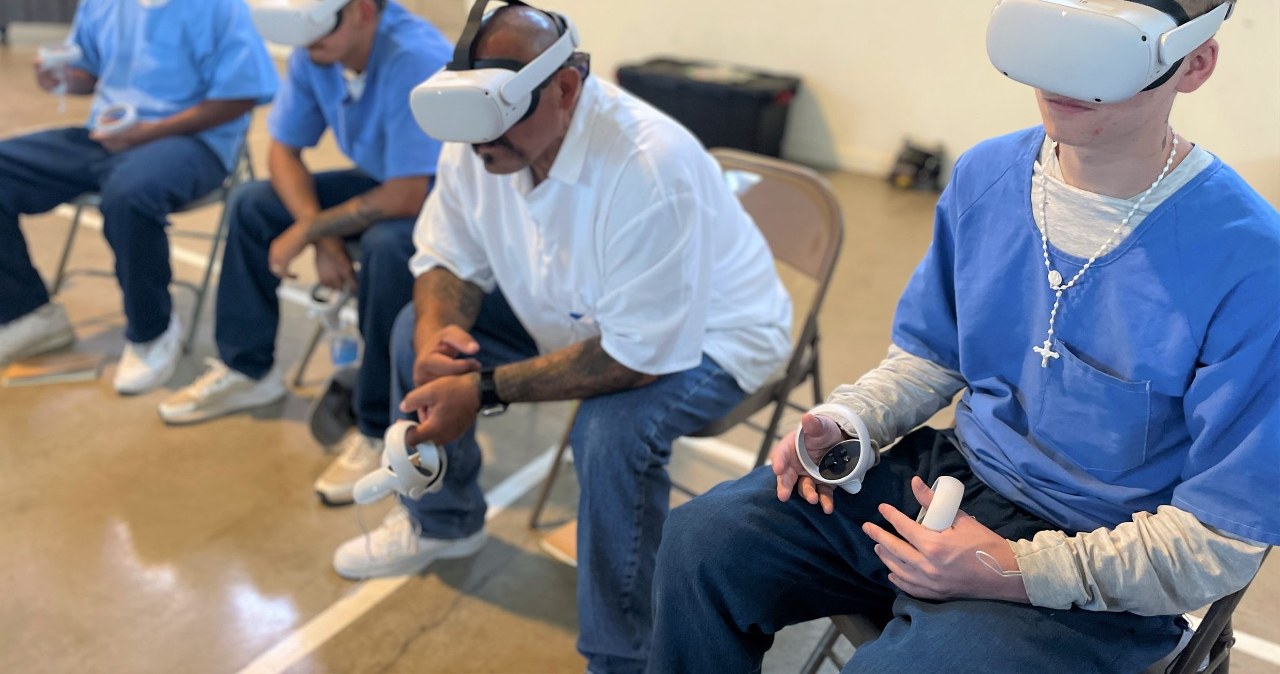
    Karas Ukrainoje paliko gilių randų ne tik infrastruktūrai ir ekonomikai, bet ir milijonų žmonių psichikos sveikatai. Šalyje vis plačiau bandoma nauja priemonė – mišriosios realybės terapija, jungianti virtualią ir papildytą realybę.

    Nauja praktika diegiama ne laboratorijoje, o realiomis karo sąlygomis, kai kasdienybę lydi oro pavojaus signalai, pervargę medikai ir nuolatinis nesaugumo jausmas. Būtent tai, pasak projekto autorių, suteikia šiems bandymams ypatingą vertę.

    Kaip veikia programa „Luminify“

    Per šešis mėnesius daugiau kaip 1 100 pacientų dalyvavo beveik 9 000 terapinių sesijų, naudodami programą „Luminify“, kurią sukūrė bendrovė „Aspichi“. Sistema buvo naudojama 47 organizacijose, o darbui pasitelkta 162 VR įrenginiai.

    Ši priemonė nėra skirta pakeisti psichoterapeutus ar psichiatrus. Pagrindinis tikslas – emocinė stabilizacija ir paruošimas tolesnei, gilesnei pagalbai, ypač kai žmogui sunku iškart įsitraukti į įprastą terapiją.

    Sesijose taikomi kognityvinės elgesio terapijos principai, kvėpavimo pratimai, dėmesingo įsisąmoninimo praktikos ir streso mažinimo technikos. Viskas vyksta kontroliuojamoje virtualioje aplinkoje, prižiūrint specialistui, o tempą gali pasirinkti pats pacientas.

    Kodėl VR kartais pritraukia lengviau

    Psichologai pastebi, kad VR akiniai neretai padeda įveikti pasipriešinimą kreiptis pagalbos. Dalis žmonių į centrus pirmiausia ateina dėl technologijos, o tik vėliau ryžtasi pilnai konsultacijai.

    Tai ypač svarbu dirbant su karo veteranų auditorija, kur psichologinių sunkumų stigmatizacija vis dar stipri. Technologinis formatas kai kuriems tampa neutraliu, mažiau gąsdinančiu pirmu žingsniu.

    Didėjanti paklausa ir masto augimas

    Tarptautinės sveikatos institucijos pabrėžia, kad karą patiriantiems žmonėms psichologinė našta yra plačiai paplitusi, o maždaug 20 proc. gali išsivystyti rimtesni sutrikimai, kuriems būtina profesionali pagalba. Ilgalaikio karo sąlygomis psichikos sveikatos paslaugos dažnai tampa sunkiai pasiekiamos dėl specialistų trūkumo ir milžiniško poreikio.

    Projekto kūrėjai teigia, kad įtraukiosios technologijos gali padėti išplėsti pagalbos prieinamumą, neproporcingai nedidinant specialistų krūvio. Skelbiama, kad naudotojų tinklas augo sparčiai: nuo 5 įstaigų 2023 metais iki 131 įstaigos 2025 metais.

    Iniciatyva sulaukia dėmesio ir gynybos bei saugumo bendruomenėse, nes vis dažniau akcentuojama visuomenės psichologinio atsparumo reikšmė. Karo patirtys parodė, kad gebėjimas atlaikyti ilgalaikį stresą ir atsigauti po traumų gali būti kritiškai svarbus tiek civiliams, tiek kariškiams.
  • PTSD and Relationship Conflict: Study Links Fear of Emotions to Poorer Couple Communication

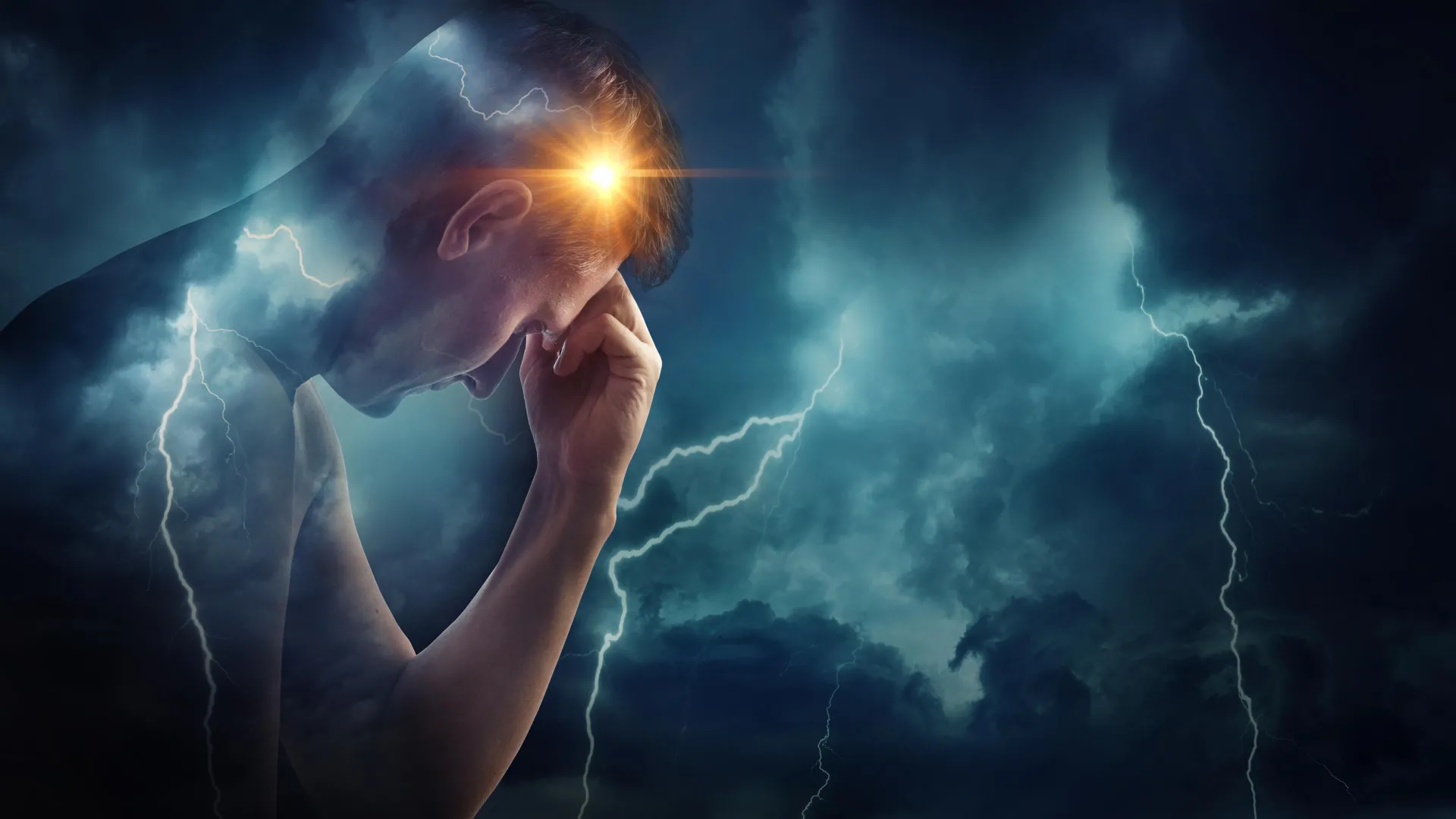
    People experiencing post-traumatic stress disorder symptoms may struggle to communicate effectively with romantic partners, and a new study suggests fear of emotions could be a key reason. Researchers found that worries about the consequences of feeling strong emotions were tied to more destructive conflict patterns.

    The research, led by Penn State’s Steffany Fredman, analyzed data from 64 opposite-sex couples in which both partners had lived through a traumatic event. Participants reported their PTSD symptoms, their beliefs about emotions, and the communication styles they and their partners used during relationship disagreements.

    How fear of emotions shows up

    Those with higher PTSD symptom levels were more likely to fear their emotions, the study found. That fear was associated with less constructive communication, such as reduced listening, collaborative problem solving, and willingness to compromise.

    Higher fear of emotions was also linked to demand-withdraw dynamics, where one partner presses or criticizes and the other retreats or avoids the discussion. This pattern can intensify conflict, leave problems unresolved, and make future conversations feel even more threatening.

    Why PTSD can strain relationships

    Researchers noted that PTSD often involves mistrust, anger, emotional numbing, avoidance, and withdrawal, which can erode closeness over time. Because romantic relationships naturally trigger strong feelings, emotionally charged moments may resemble trauma reminders for some people with PTSD symptoms.

    In that context, people may try to neutralize distress by shutting down, pulling away, or becoming reactive, responses that can further damage communication. The study describes this as a cycle in which relationship discord can sustain PTSD symptoms unless interrupted.

    Implications for couples and therapy

    Fredman, who has co-developed couple-based PTSD treatments, said addressing PTSD symptoms and fear of emotions together may be important for improving relationship functioning. Prior research by the team has also suggested that couple therapy can reduce PTSD symptoms while improving communication, including in brief intensive formats.

    The authors argue the new findings add detail to why some couples struggle: PTSD symptoms may fuel catastrophic expectations about emotions, which then shapes how partners talk and react. They recommend that interventions help couples build safer ways to experience and express emotion while working through conflict.

  • Major Lancet review questions medicinal cannabis for anxiety and PTSD as trial evidence falls short

    Major Lancet review questions medicinal cannabis for anxiety and PTSD as trial evidence falls short

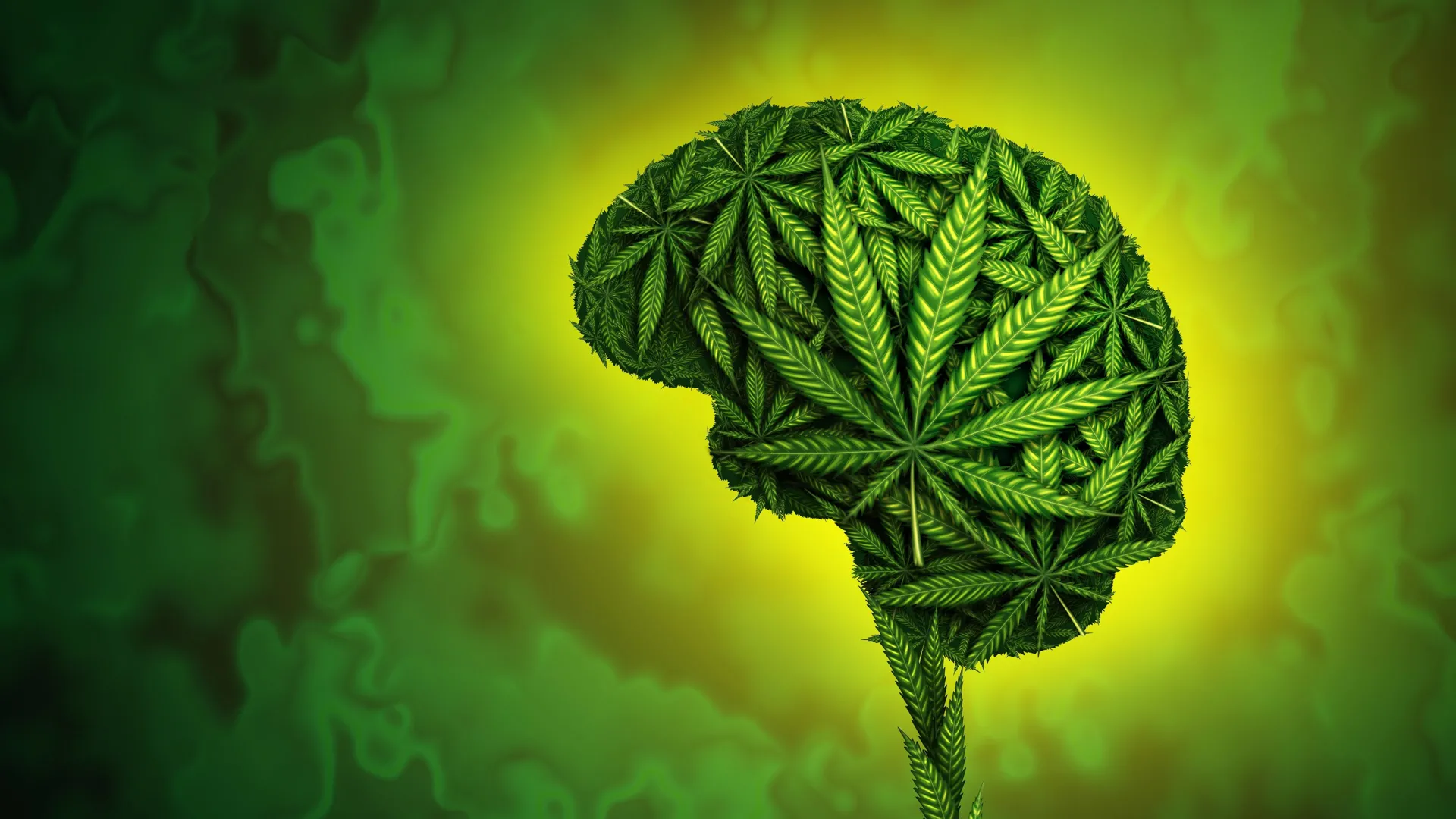
    A large review in The Lancet concludes there is no convincing evidence that medicinal cannabis improves symptoms of anxiety, depression or post-traumatic stress disorder. Researchers say the balance of data from randomized trials does not support routine prescribing for these mental health conditions.

    The analysis arrives as medical cannabis use has expanded rapidly in North America and elsewhere, including among people seeking relief from mood and trauma-related symptoms. The authors note that patient demand has often moved faster than the clinical evidence base.

    What the review examined

    The study pooled results from 54 randomized controlled trials conducted between 1980 and 2025, making it one of the broadest assessments of cannabinoids across mental health indications to date. It focused on both effectiveness and safety outcomes, comparing cannabis-based medicines with placebo or other controls.

    According to the authors, the evidence did not show meaningful improvements for anxiety, depression or PTSD when results were combined. They also cautioned that frequent use could be associated with harms, including psychotic symptoms and cannabis use disorder, and may delay more effective care.

    Potential benefits, but limited certainty

    The review found tentative signals that some cannabinoid preparations could help in a small number of other conditions, such as insomnia, tics or Tourette’s syndrome, autism-related symptoms, and cannabis use disorder. However, the authors stressed that the overall quality of evidence for these indications was low.

    They also pointed to areas where cannabis-based treatment is supported by stronger evidence, including specific epilepsy syndromes treated with cannabidiol, spasticity in multiple sclerosis, and certain types of pain. Even in these areas, they emphasized the need to match products and dosing to conditions studied in rigorous trials.

    Safety questions and regulation debate

    The authors said the findings should inform clinicians weighing prescriptions for mental health, particularly given varying product potency and formulations across markets. They argued that inconsistent regulation and marketing claims can leave patients with unclear expectations about benefits and risks.

    In substance use disorders, results differed by condition, with some evidence suggesting oral cannabinoid medicines may reduce cannabis smoking when combined with psychological therapy. But for cocaine-use disorder, the review reported increased cravings, indicating cannabis medicines should not be used for that purpose.

    Researchers called for clearer prescribing guidance and more high-quality trials that measure standardized mental health outcomes over longer follow-up periods. Until then, they said established, evidence-based treatments for anxiety, depression and PTSD should remain first-line care.

  • Astrocytes move into the spotlight: New Nature study links overlooked brain cells to fear memories and PTSD pathways

    Astrocytes move into the spotlight: New Nature study links overlooked brain cells to fear memories and PTSD pathways

    Brain research is increasingly challenging the long-held idea that neurons alone drive fear and trauma responses. A new study in Nature points to astrocytes, star-shaped support cells, as active players in how fear memories are formed, recalled and reduced.

    Astrocytes are widely distributed throughout the brain and have traditionally been seen as caretakers that keep neural circuits stable. The new work suggests they can also shape signaling in the amygdala, a central hub for processing threat and generating fear-related learning.

    What the researchers observed

    Using a mouse model of fear learning, scientists tracked astrocyte activity in real time with fluorescent sensors. Astrocyte signaling rose during fear conditioning and again during memory recall, then declined as fear responses weakened through extinction training.

    The team also manipulated how astrocytes communicate with nearby neurons. Enhancing astrocyte-to-neuron signaling strengthened fear expression, while dampening those signals reduced fear responses, indicating astrocytes can tune the intensity of fear memories.

    How it changes the fear circuit

    When astrocyte activity was disrupted, neurons in the amygdala had difficulty forming the typical activity patterns associated with fear. That interference also appeared to affect how defensive-response information is routed to other brain regions involved in choosing and executing behavior.

    Researchers reported effects beyond the amygdala, including changes in fear-related signaling reaching the prefrontal cortex, an area tied to decision-making and regulation of emotional responses. The results suggest astrocytes may influence how the brain decides whether a threat response is appropriate.

    Why it matters for PTSD

    PTSD and several anxiety disorders are marked by persistent, hard-to-extinguish fear memories and heightened reactions to cues that are no longer dangerous. If astrocytes help govern both the expression and the fading of fear, they could become a complementary target alongside neuron-focused approaches.

    The researchers caution that translating mouse findings to human treatments takes time, but the study reframes fear circuitry as a partnership between neurons and glia. Next steps include mapping astrocyte roles across the wider threat network, including regions that coordinate freezing and flight responses.