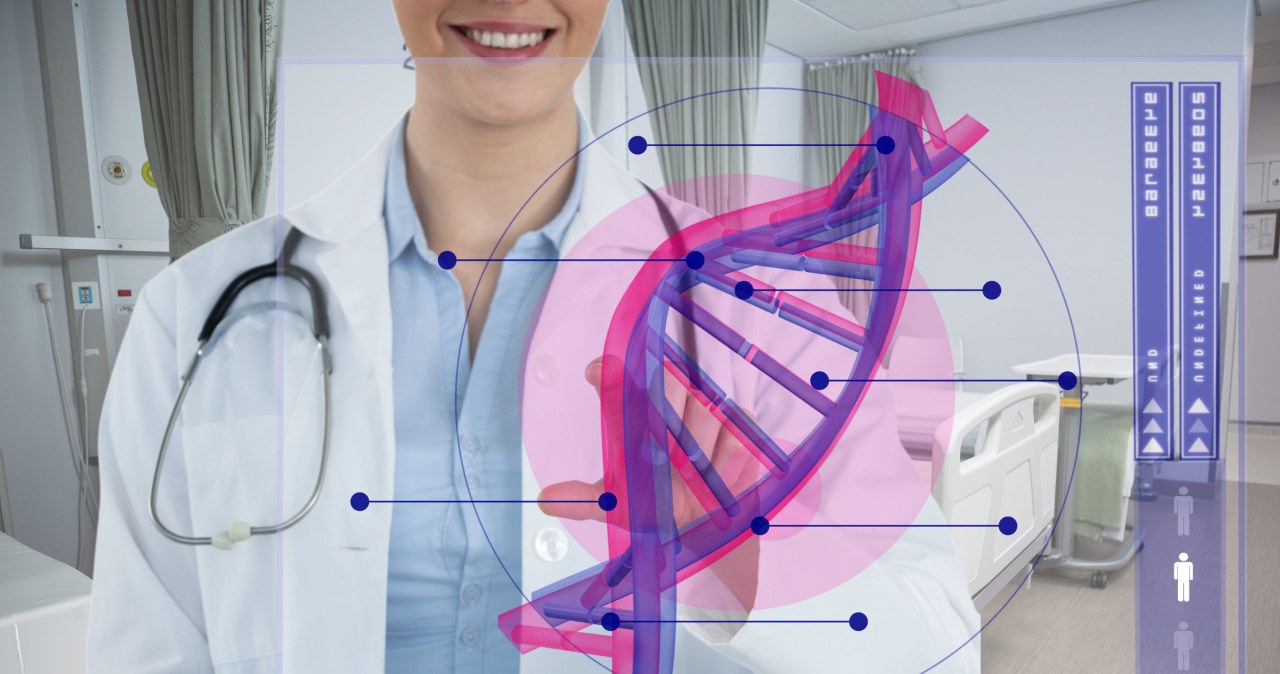
Kas yra genų terapija
Genų terapija – tai gydymo kryptis, kai į ląsteles ar audinius terapiniais tikslais įvedama genetinė medžiaga, dažniausiai DNR arba RNR. Pagrindinis tikslas – veikti ne simptomus, o pačią ligos priežastį, susijusią su genų veikla.
Pastaraisiais metais ši sritis dažnai minima ne tik mokslo naujienose, bet ir populiariojoje kultūroje. Pavyzdžiui, naujausiose „Žmogaus-voro“ istorijose išnaudojama idėja, kad genetines galias ar sutrikimus būtų galima „užtildyti“ tiksliai nukreipta terapija.
Vienas realus metodas – RNR interferencija, kai ląstelėje sumažinama konkretaus geno raiška, tarsi nutildant jo siunčiamą signalą. Tai nereiškia genomo perrašymo, tačiau gali keisti, kaip organizmas gamina tam tikrus baltymus.
Kaip pristatoma terapija į ląsteles
Genetinė medžiaga į taikines gali būti pristatoma dviem pagrindiniais būdais: in vivo, kai preparatas suleidžiamas tiesiai į organizmą, ir ex vivo, kai ląstelės paimamos, pakeičiamos laboratorijoje ir grąžinamos pacientui. Abu keliai reikalauja itin tikslaus dozavimo, kontrolės ir saugumo stebėsenos.
Dažniausiai tam pasitelkiami vadinamieji vektoriai – virusiniai arba nevirusiniai „nešėjai“, padedantys nukreipti DNR ar RNR į reikiamas ląsteles. Virusiniai vektoriai dažnai efektyvesni, tačiau jų kūrimas ir gamyba yra sudėtinga, o saugumo reikalavimai – ypač griežti.
Pačios terapijos strategijos taip pat skiriasi: vienu atveju pridedamas veikiantis genas, kitu taisomas sugedęs, o trečiu – nutildomas netinkamai veikiantis. Sparčiai vystosi ir genų redagavimo sprendimai, tačiau jų taikymas priklauso nuo konkrečios ligos ir rizikų profilio.
Kokia situacija Europoje ir kas jau patvirtinta
Genų terapija Europoje jau seniai nėra vien klinikinių bandymų tema. Yra patvirtintų vaistų ir gydymo metodų, kurie taikomi pacientams, ypač retų genetinių ligų atvejais.
Vienas dažnai minimas istorinis pavyzdys – 2012 metais Europos Komisijos autorizuota in vivo genų terapija „Glybera“, skirta itin retam lipoproteinlipazės nepakankamumui. Nors tokie sprendimai skirti mažoms pacientų grupėms, jie tapo svarbiu lūžio tašku reguliavimo ir technologijų raidoje.
Kitas pavyzdys – 2016 metais Europoje autorizuota ex vivo terapija „Strimvelis“, sukurta sunkiai kombinuotai imunodeficito formai, susijusiai su adenozindeaminazės stoka, gydyti. Šis metodas parodė, kad kai kurioms būklėms galima sukurti ilgalaikį, o kai kuriais atvejais ir visam gyvenimui išliekantį efektą.
Kodėl tai laikoma proveržiu
Vienas didžiausių genų terapijos pranašumų – gydymo ilgaamžiškumas. Skirtingai nei kasdien vartojami vaistai, dalis genų terapijos sprendimų kuriami taip, kad vienkartinė procedūra suteiktų naudą ilgam laikui.
Ilgalaikė stebėsena ypač svarbi, nes vertinama ne tik nauda, bet ir galimos vėlyvos rizikos, tokios kaip imuninės reakcijos ar netikėtas poveikis kitoms organizmo sistemoms. Dėl to genų terapija neišvengiamai reiškia ir nuolatinį duomenų rinkimą bei pacientų sekimą po gydymo.
Ši sritis plečiasi ir už monogeninių ligų ribų: tiriami taikymai onkologijoje, kai siekiama paveikti navikų biologiją, taip pat infekcijų srityje, kur svarstoma, kaip ilgalaikiai genetiniai sprendimai galėtų padėti kontroliuoti virusų plitimą ar ligos eigą.
Kodėl gydymas kainuoja taip brangiai
Pagrindinis stabdis, apie kurį kalba daugelis ekspertų, yra ekonomika. Genų terapijos kūrimas, klinikiniai tyrimai, sudėtinga biotechnologinė gamyba ir individualizuoti procesai lemia, kad galutinės kainos gali siekti milijonus eurų.
„Genų terapija iš principo taikosi į genetinės ligos priežastį, bet didžiausias apribojimas dažnai yra ne mokslas, o kaina“, – sakė genetikos ir medicinos tyrėjas Alberto Auricchio.
Vien „Strimvelis“ kainodara Europoje buvo viešai siejama su 594 000 eurų suma be pridėtinės vertės mokesčio. Tokią kainą lemia ir tai, kad nemaža dalis šių vaistų skiriami retoms ligoms, todėl rinka maža, o vienam pacientui tenkanti kūrimo ir gamybos našta – didžiulė.
Vis daugiau dėmesio skiriama kompensavimo modeliams, kai mokėjimas susiejamas su realiais gydymo rezultatais, o valstybės ir draudikai derasi dėl rizikos pasidalijimo. Tačiau net ir pažangiausios schemos ne visada išsprendžia klausimą, kaip užtikrinti, kad gyvybiškai svarbus gydymas būtų prieinamas laiku.