Žmonės nėra vieninteliai, kurie reaguoja į mirtį: vis daugiau stebėjimų rodo, kad dalis gyvūnų elgiasi taip, lyg gedėtų, atsisveikintų ar net atliktų savotiškus „ritualus“. Tačiau mokslininkai pabrėžia, jog panašumas į žmogaus gedulą dar nereiškia identiškų išgyvenimų.
Tyrėjams sudėtingiausia atsakyti į klausimą, ar gyvūnai patiria mirtį kaip emocinę netektį, ar jų elgesį labiau paaiškina biologinės ir socialinės priežastys. Viena iš pagrindinių hipotezių teigia, kad dėmesys žuvusiam gentainiui gali padėti įvertinti grėsmę ir išmokti jos vengti ateityje.
Kas laikoma gedulą primenančiu elgesiu?
Dažniausiai aprašomi keli pasikartojantys požymiai: ilgas buvimas šalia kūno, prisilietimai, kūno „stebėjimas“, bandymas jį saugoti ar perkelti, grupės narių susibūrimas. Kai kuriais atvejais fiksuojamas ir akivaizdus socialinių ryšių vaidmuo, kai labiausiai reaguoja artimiausi individai.
Mokslininkai pabrėžia, kad žmogui lengva tokį elgesį interpretuoti per emocijų prizmę, tačiau moksle svarbu vengti tiesioginių prielaidų. Net ir labai „žmogiškai“ atrodantis atsisveikinimas gali turėti praktinį tikslą, pavyzdžiui, informuoti grupę apie pavojingą vietą.
Drambliai, šimpanzės ir gorilos
Drambliai dažnai minimi kaip vienas ryškiausių pavyzdžių: bandos gali ilgai pasilikti prie žuvusio, liesti kūną straubliais, o kartais vėliau sugrįžti į vietas, kur aptinkami palaikai. Tokie sugrįžimai tyrėjams leidžia kalbėti apie išskirtinę atmintį ir socialinių ryšių svarbą.
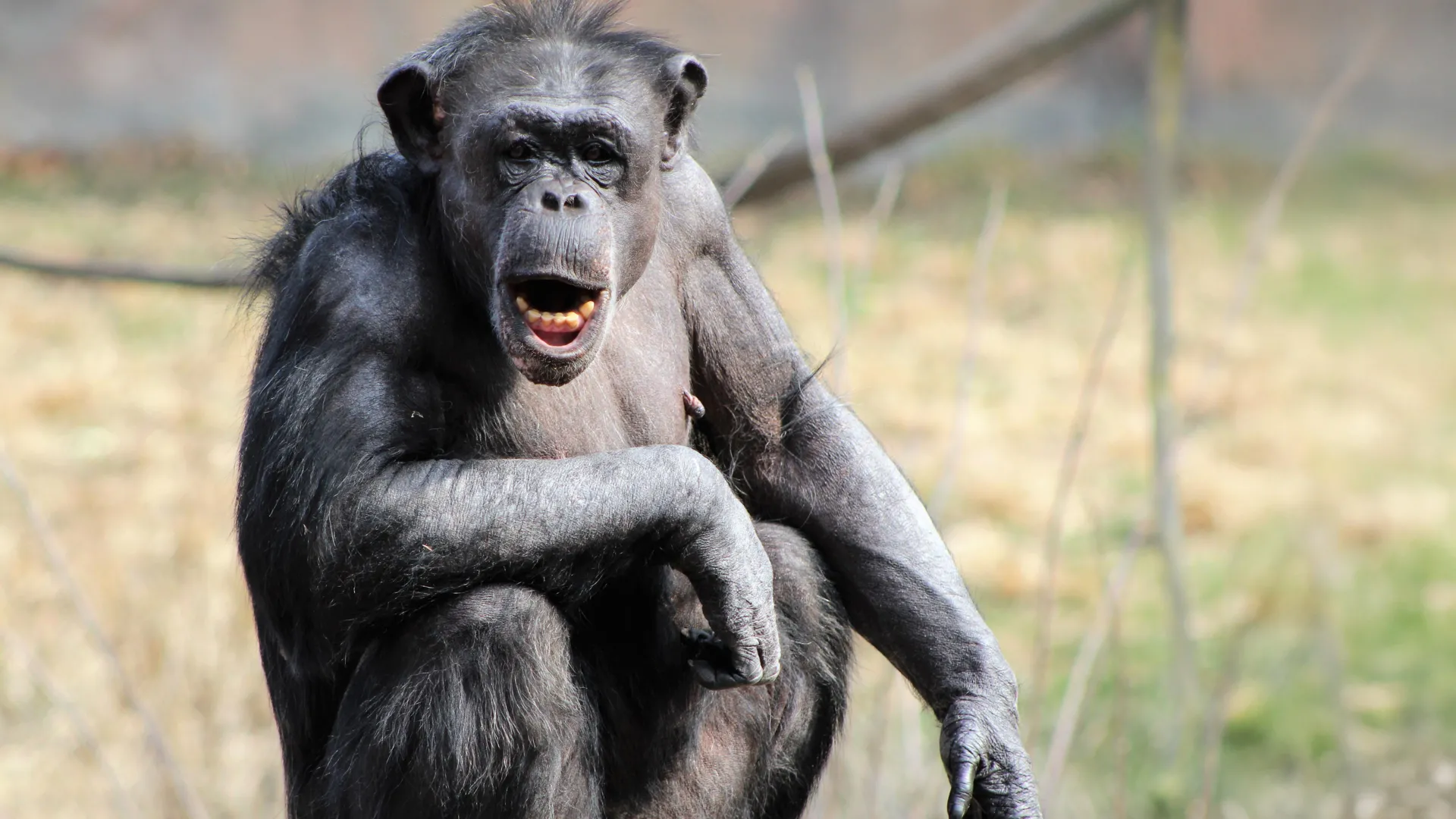
Didžiosios beždžionės taip pat demonstruoja elgesį, primenantį atsisveikinimą. Šimpanzės gali valandų valandas ar net ilgiau likti šalia mirusio gentainio, jį liesti, tvarkyti kailį, o grupė kartais kurį laiką išlaiko įprastą socialinę struktūrą aplink kūną.
Gorilų grupėse fiksuota, kad individai apžiūri mirusį narį ir išlieka netoliese, ypač kai ryšiai grupėje yra glaudūs. Tyrėjai atkreipia dėmesį, kad tokiais atvejais reakcija gali būti susijusi ir su socialiniu mokymusi, ir su bandymu „suprasti“ situaciją.
Delfinai ir varniniai: kas už to slypi?
Dalies delfinų rūšių atveju aprašyta praktika palaikyti mirusį grupės narį vandens paviršiuje. Tokie epizodai kartais tęsiasi valandas, o grupė išlieka greta, tarsi lydėdama individą.
Varniniai paukščiai, ypač varnos, pastebėję žuvusį gentainį, gali susirinkti aplink ir garsiai šaukti. Nors visuomenėje tai neretai vadinama „varnų laidotuvėmis“, tyrimai dažnai rodo kitą paaiškinimą: toks susibūrimas padeda atpažinti rizikos signalus ir įsiminti vietas, kur grėsmė buvo reali.
Analogiškas elgesys fiksuotas ir šarkų atvejais, kai paukščiai trumpam telkiasi prie žuvusio, o kartais šalia pastebimos šakelės ar žolė. Vis dėlto mokslininkai atsargiai vertina bandymus tai laikyti simboliniu laidojimo „ritualu“, nes įrodymų apie sąmoningą prasmės suteikimą kol kas nepakanka.
„Gyvūnų reakcijos į mirtį gali būti sudėtingos, tačiau dar per anksti jas tiesiogiai prilyginti žmogaus gedului“, – teigia tyrėjai, analizuojantys socialinio elgesio ir grėsmių vengimo sąsajas.
Apibendrinant, daugelio rūšių elgesys rodo stiprių socialinių ryšių svarbą ir gebėjimą mokytis iš pavojingų situacijų. Ar tai visada reiškia emocinę netektį žmogaus prasme, mokslas dar aiškinasi, tačiau tokie stebėjimai vis labiau keičia požiūrį į gyvūnų socialinį intelektą.