Blog

  • Study links language networks to visual memory: Why a banana’s color may depend on words

    Our ability to store information about familiar objects depends on the connection between visual and language processing regions in the brain, according to a study published May 20 in the open-access journal PLOS Biology by Bo Liu from Beijing Normal University, China, and colleagues.

    Seeing an object and knowing visual information about it, like its usual color, activate the same parts of the brain. Seeing a yellow banana, for example, and knowing that the object represented by the word “banana” is usually yellow, both excite the ventral occipitotemporal cortex (VOTC). However, there’s evidence that parts of the brain involved in language, like the dorsal anterior temporal lobe (ATL), are also involved in this process — dementia patients with ATL damage, for example, struggle with object color knowledge, despite having relatively normal visual processing areas. To understand whether communication between the brain’s language and sensory association systems is necessary for representing information about objects, the authors tested whether stroke-induced damage to the neural pathways connecting these two systems impacted patients’ ability to match objects to their typical color. They compared color-identification behavior in 33 stroke patients to 35 demographically-matched controls, using fMRI to record brain activity and diffusion imaging to map the white matter connections between language regions and the VOTC.

    The researchers found that stronger connections between language and visual processing regions correlated with stronger object color representations in the VOTC, and supported better performance on object color knowledge tasks. These effects couldn’t be explained by variations in patients’ stroke lesions, related cognitive processes (like simply recognizing a patch of color), or problems with earlier stages of visual processing. The authors suggest that these results highlight the sophisticated connection between vision and language in the human brain.

    The authors add, “Our findings reveal that the brain’s ability to store and retrieve object perceptual knowledge — like the color of a banana — relies on critical connections between visual and language systems. Damage to these connections disrupts both brain activity and behavior, showing that language isn’t just for communication — it fundamentally shapes how sensory experiences are neurally structured into knowledge.”
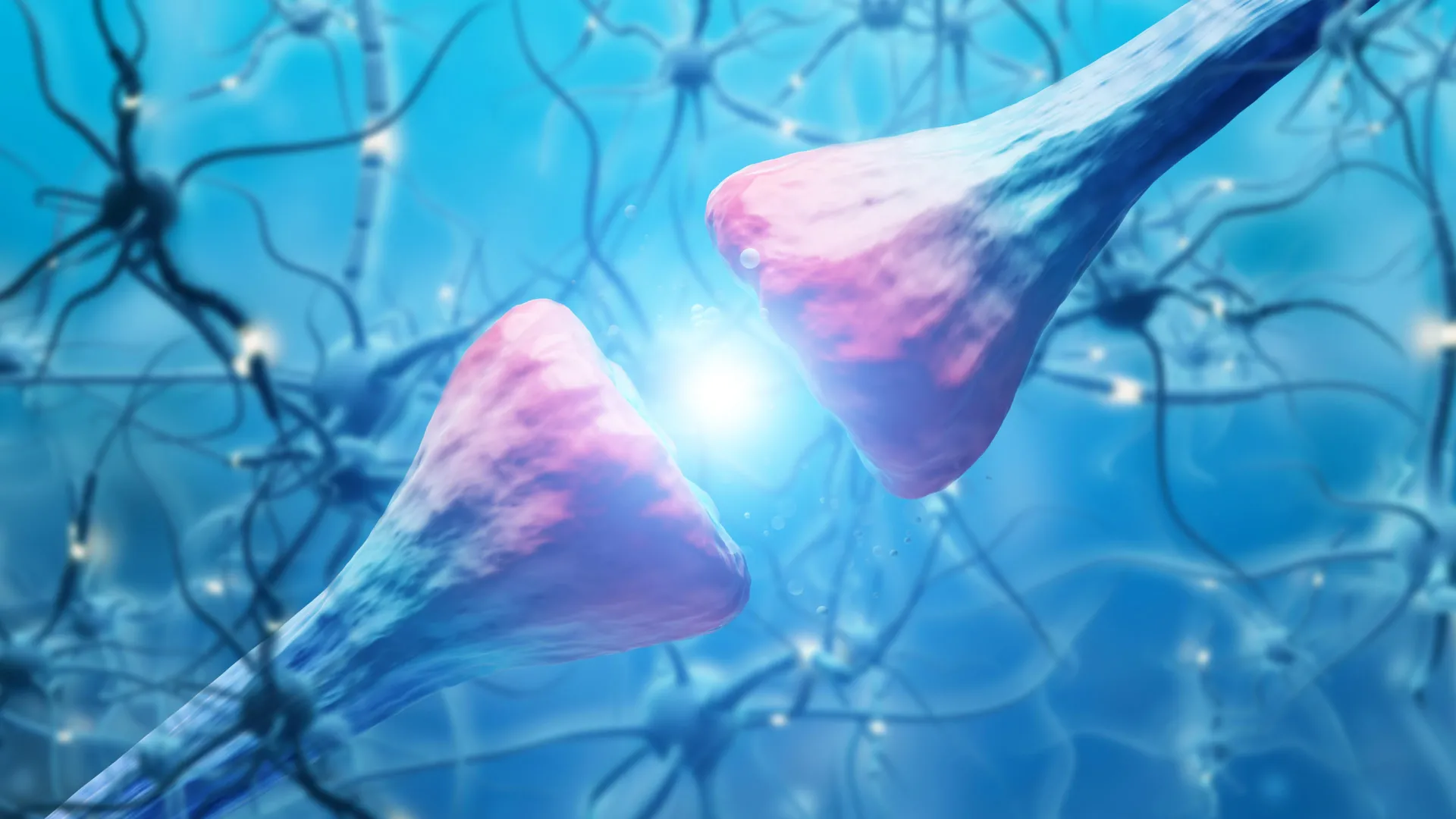

  • Study identifies DeltaFosB in the hippocampus as a key driver of cocaine relapse, opening a path to targeted treatments

    Study identifies DeltaFosB in the hippocampus as a key driver of cocaine relapse, opening a path to targeted treatments

    Scientists at Michigan State University have pinpointed a brain protein that appears to be essential for the circuit changes that fuel cocaine relapse, offering a clearer biological explanation for why cravings can persist long after use stops. The findings, published in Science Advances and supported by the US National Institutes of Health, focus on a molecule called DeltaFosB.

    The research highlights the hippocampus, a region central to memory and learning, and its interaction with reward pathways involved in drug seeking. By linking relapse risk to durable changes in these circuits, the study adds weight to the view that cocaine addiction is driven by brain biology rather than willpower alone.

    How cocaine rewires memory circuits

    Unlike opioids, stopping cocaine does not typically cause severe physical withdrawal, yet relapse remains common, and no FDA-approved medication is specifically indicated for cocaine use disorder. Cocaine’s surge of dopamine reinforces drug-taking, while memory-linked cues can later reignite the urge to use.

    Using mouse models and a specialized CRISPR-based approach, the team found that DeltaFosB acts like a genetic switch in a pathway connecting reward centers and the hippocampus. With repeated cocaine exposure, DeltaFosB accumulates and changes how neurons respond, increasing the drive to seek the drug.

    Genes that intensify cocaine seeking

    The researchers also identified genes influenced by DeltaFosB after longer-term cocaine exposure, including calreticulin, which helps regulate how neurons communicate. In experiments, higher calreticulin activity appeared to boost signaling in pathways that promote continued cocaine seeking.

    Crucially, the study suggests DeltaFosB is not merely associated with these adaptations but required for them to fully develop. When the protein’s role was disrupted, cocaine did not produce the same patterns of brain activity changes linked to persistent drug seeking.

    What this could mean for treatment

    Because many of the implicated genes and circuits are conserved across mammals, the authors say the findings could help guide human research, though direct clinical implications remain years away. The group is now collaborating with the University of Texas Medical Branch to develop compounds aimed at altering how DeltaFosB binds to DNA.

    Future work will also explore how hormones may shape these circuits and whether addiction-related brain adaptations differ between males and females. Such insights could eventually support more personalized approaches to treating cocaine use disorder.

  • Why doctors are adding numbers to risk talks, and what patients should ask next

    When a doctor describes a complication as rare or unlikely, patients may interpret the danger very differently than clinicians intend. A new analysis argues that relying on vague words instead of clear figures can lead people to overestimate risks and make less informed choices.

    The recommendations come from a paper published April 29 in the Journal of General Internal Medicine by researchers including Ellen Peters of the University of Oregon, Paul K. J. Han of the National Cancer Institute and Clara N. Lee of the University of North Carolina. The authors focus on everyday decisions, from medication side effects to treatment options, where risk communication shapes consent.

    Studies in medical decision-making have found that verbal labels alone can inflate perceptions of harm, especially when patients are anxious or facing complex information. Even when numeracy varies widely, many patients report higher trust when clinicians provide numbers alongside plain-language explanations.

    How to make health risks clearer

    The authors urge clinicians to pair descriptors with specific probabilities, such as stating that a side effect occurs in 7 percent of people. That approach can calibrate expectations and reduce the tendency to assume the worst from a general warning.

    They also recommend simplifying what is shared in the moment by focusing on what is relevant to the patient’s situation. In practice, that can mean doing the math for multi-year risks or skipping options that are not realistic given a person’s condition.

    Context and uncertainty matter too

    Numbers can still mislead if they are presented without context, the paper notes. Comparisons between options, or explaining what clinicians generally consider a low or high risk, can help patients understand whether a figure is meaningful.

    The authors also stress acknowledging uncertainty, since risk estimates come from available evidence and may not capture individual factors. They argue that being transparent about what is known and unknown can improve shared decision-making rather than undermine confidence.

    What patients can do in visits

    One practical tool highlighted is the teach-back method, where a clinician asks a patient to repeat the pros and cons in their own words. It can reveal misunderstandings early and allow the doctor to correct them quickly.

    Patients can also advocate for clearer risk communication by asking for the chance of a side effect or outcome in absolute terms. If the information feels overwhelming, the authors suggest asking to narrow the discussion to the most important benefits and harms for that specific decision.

  • Study of 1 300 golden retrievers finds shared genes tied to canine behavior and human anxiety risk

    Study of 1 300 golden retrievers finds shared genes tied to canine behavior and human anxiety risk

    Researchers analyzing the DNA of 1 300 golden retrievers have identified genetic regions linked to temperament traits such as trainability, activity level, fearfulness and dog-directed aggression. The work suggests some of the same genes associated with behavior in dogs are also implicated in human mental and cognitive traits.

    The study, published in Proceedings of the National Academy of Sciences, combined genome-wide data with detailed owner-reported behavioral profiles. Scientists say the results add evidence that dogs and humans can share biological pathways influencing emotional responses.

    How behavior was matched to DNA

    The team drew on the Golden Retriever Lifetime Study, a long-running project that follows dogs over time using health records and repeated questionnaires. Owners reported dozens of behaviors, which were grouped into categories to create measurable traits for genetic analysis.

    Researchers then scanned each dog’s genome and looked for genetic markers that were more common in animals showing specific behavioral patterns. This approach does not pinpoint a single cause of a behavior, but highlights biological systems that may shape stress sensitivity and learning.

    Overlap with human trait studies

    When the researchers compared their canine results with large human genetic datasets, they found 12 genes linked to golden retriever behavior that also appear in studies of human traits. Those traits include anxiety and depression risk as well as measures related to cognition and educational outcomes.

    One gene highlighted in the analysis, PTPN1, was associated with dog-directed aggression in golden retrievers and has also been reported in human research connected to intelligence and depression. The team also reported a variant tied to fear of other dogs that aligns with human findings on rumination and education-related measures.

    What this could mean for owners

    Scientists caution that genes do not predetermine a dog’s personality, and environment and training remain crucial. Still, they argue that recognizing inherited differences in stress reactivity may help explain why some dogs find everyday situations more challenging.

    The findings could also inform veterinary care, including how clinicians and owners interpret fear-based behaviors and when stress-reducing interventions may be appropriate. Researchers say dogs may serve as useful models for understanding the biology of emotional disturbance because they share human environments and show comparable behavioral variation.

  • New study links strategic family routines to better workplace adaptability and creativity

    A new study suggests that employees who proactively reorganise life at home may become more adaptable and innovative at work. The research argues that small, deliberate changes in family routines can build confidence that carries into professional settings.

    The study, published in the Journal of Occupational and Organizational Psychology, was led by the University of Bath School of Management. Researchers followed 147 full-time, dual-income heterosexual couples with children in the United States over six weeks.

    According to the authors, taking initiative at home can create momentum that helps people respond better to change on the job. They link this effect to resilience and a greater willingness to experiment with new approaches at work.

    What strategic renewal looks like

    The researchers describe these purposeful household adjustments as strategic renewal. Examples include changing childcare schedules, redistributing domestic responsibilities, or putting clearer systems in place to coordinate busy weeks.

    Some families used shared calendars, rotated school pick-ups, or held regular household check-ins to revisit chores and priorities. Others redesigned living spaces to support remote work, created quiet zones, or set tech-free time to improve connection.

    Why employers may want to notice

    Professor Yasin Rofcanin of the University of Bath said that when people make deliberate changes at home, they often feel more capable and in control. He added that this sense of control can translate into greater creativity and adaptability at work.

    The study also points to the role of family creativity, or an environment where household members collaborate and try new solutions. The authors say this can make proactive changes more likely and strengthen the positive spillover into work performance.

    With hybrid and flexible work becoming more common, the researchers argue that home and work boundaries are increasingly blurred. They suggest employers can reinforce these benefits through flexible arrangements, coaching, and training that considers work-family dynamics.

    Additional measures such as wellbeing programmes, counselling, and family care support could also help reduce stress and improve functioning across both domains. The team notes that earlier research indicates supportive workplace relationships can, in turn, improve home life and creativity.

  • Engineered psilocin compound hints at depression relief without hallucinations, early mouse study finds

    Engineered psilocin compound hints at depression relief without hallucinations, early mouse study finds

    Researchers have developed modified versions of psilocin, the active compound produced when the body metabolizes psilocybin, aiming to preserve potential antidepressant effects while reducing psychedelic-like symptoms. The work, published in the Journal of Medicinal Chemistry, adds to a fast-moving effort to make psychedelic-inspired medicines easier to use in routine care.

    Interest in psilocybin has grown as clinical trials explore its potential for major depressive disorder, treatment-resistant depression, anxiety linked to serious illness, and substance use disorders. Yet the hallmark altered state can complicate treatment settings, requiring intensive supervision and limiting who may be willing or able to receive it.

    Why scientists are redesigning psilocin

    The new research focuses on how strongly and how quickly psilocin reaches the brain and activates serotonin receptors, particularly pathways associated with mood regulation. The team tested five chemical variants designed to release psilocin more gradually, potentially reducing the rapid peak linked with more intense psychedelic effects.

    In lab experiments using human plasma and models of gastrointestinal absorption, one candidate stood out for stability and a slower conversion profile. The researchers selected that compound, referred to as 4e, for further testing as a proof of concept rather than a ready-to-use drug.

    What the mouse data suggests

    When given orally to mice, 4e delivered psilocin to the bloodstream and brain over a longer period, with lower peak levels than an equivalent dose of pharmaceutical-grade psilocybin. The compound still crossed the blood-brain barrier efficiently, suggesting it can reach the intended target tissue.

    To estimate psychedelic-like activity, the scientists tracked head-twitch responses, a standard rodent behavioral marker used in serotonin-based psychedelic research. Mice given 4e showed fewer head twitches than those given psilocybin, even though the compound continued to engage key serotonin receptors.

    What comes next before human trials

    The authors argue the results support a broader hypothesis that some therapeutic signaling may be separable from the most disruptive subjective effects. Even so, the study is early, relies on animal behavior proxies, and does not demonstrate antidepressant outcomes in people.

    Next steps typically include deeper safety profiling, dose-ranging studies, and clearer evidence of benefit in validated disease models before any clinical evaluation. The researchers also disclosed industry-linked funding and patent-related interests, which will be important to monitor as the work progresses.

    In parallel, human studies of psilocybin-assisted therapy continue to shape the field, including efforts to standardize dosing, supervision, and outcome measures. If non-hallucinogenic or low-hallucinogenic analogs prove effective, they could eventually broaden access by reducing the need for prolonged monitoring while still targeting serotonin-linked mechanisms relevant to depression.

  • Therapy horses are shaping social robots: Bristol researchers say the next generation should sometimes say no

    Interactive robots should not just be passive companions, but active partners-like therapy horses who respond to human emotion-say University of Bristol researchers.

    Equine-assisted interventions (EAIs) offer a powerful alternative to traditional talking therapies for patients with PTSD, trauma and autism, who struggle to express and regulate emotions through words alone.

    The study, presented at the CHI ’25: Proceedings of the 2025 CHI Conference on Human Factors in Computing Systems held in Yokohama, recommends that therapeutic robots should also exhibit a level of autonomy, rather than one-dimensional displays of friendship and compliance.

    Lead author Ellen Weir from Bristol’s Faculty of Science and Engineering explains: “Most social robots today are designed to be obedient and predictable — following commands and prioritising user comfort.

    “Our research challenges this assumption.”

    In EAIs, individuals communicate with horses through body language and emotional energy. If someone is tense or unregulated, the horse resists their cues. When the individual becomes calm, clear, and confident, the horse responds positively. This ‘living mirror’ effect helps participants recognise and adjust their emotional states, improving both internal well-being and social interactions.

    However, EAIs require highly trained horses and facilitators, making them expensive and inaccessible.

    Ellen continued: “We found that therapeutic robots should not be passive companions but active co-workers, like EAI horses.

    “Just as horses respond only when a person is calm and emotionally regulated, therapeutic robots should resist engagement when users are stressed or unsettled. By requiring emotional regulation before responding, these robots could mirror the therapeutic effect of EAIs, rather than simply providing comfort.”

    This approach has the potential to transform robotic therapy, helping users develop self-awareness and regulation skills, just as horses do in EAIs.

    Beyond therapy, this concept could influence human-robot interaction in other fields, such as training robots for social skills development, emotional coaching, or even stress management in workplaces.

    A key question is whether robots can truly replicate — or at least complement — the emotional depth of human-animal interactions. Future research must explore how robotic behaviour can foster trust, empathy, and fine tuning, ensuring these machines support emotional well-being in a meaningful way.

    Ellen added: “The next challenge is designing robots that can interpret human emotions and respond dynamically — just as horses do. This requires advances in emotional sensing, movement dynamics, and machine learning.

    “We must also consider the ethical implications of replacing sentient animals with machines. Could a robot ever offer the same therapeutic value as a living horse? And if so, how do we ensure these interactions remain ethical, effective, and emotionally authentic?”

  • Major Lancet review questions medicinal cannabis for anxiety and PTSD as trial evidence falls short

    Major Lancet review questions medicinal cannabis for anxiety and PTSD as trial evidence falls short

    A large review in The Lancet concludes there is no convincing evidence that medicinal cannabis improves symptoms of anxiety, depression or post-traumatic stress disorder. Researchers say the balance of data from randomized trials does not support routine prescribing for these mental health conditions.

    The analysis arrives as medical cannabis use has expanded rapidly in North America and elsewhere, including among people seeking relief from mood and trauma-related symptoms. The authors note that patient demand has often moved faster than the clinical evidence base.

    What the review examined

    The study pooled results from 54 randomized controlled trials conducted between 1980 and 2025, making it one of the broadest assessments of cannabinoids across mental health indications to date. It focused on both effectiveness and safety outcomes, comparing cannabis-based medicines with placebo or other controls.

    According to the authors, the evidence did not show meaningful improvements for anxiety, depression or PTSD when results were combined. They also cautioned that frequent use could be associated with harms, including psychotic symptoms and cannabis use disorder, and may delay more effective care.

    Potential benefits, but limited certainty

    The review found tentative signals that some cannabinoid preparations could help in a small number of other conditions, such as insomnia, tics or Tourette’s syndrome, autism-related symptoms, and cannabis use disorder. However, the authors stressed that the overall quality of evidence for these indications was low.

    They also pointed to areas where cannabis-based treatment is supported by stronger evidence, including specific epilepsy syndromes treated with cannabidiol, spasticity in multiple sclerosis, and certain types of pain. Even in these areas, they emphasized the need to match products and dosing to conditions studied in rigorous trials.

    Safety questions and regulation debate

    The authors said the findings should inform clinicians weighing prescriptions for mental health, particularly given varying product potency and formulations across markets. They argued that inconsistent regulation and marketing claims can leave patients with unclear expectations about benefits and risks.

    In substance use disorders, results differed by condition, with some evidence suggesting oral cannabinoid medicines may reduce cannabis smoking when combined with psychological therapy. But for cocaine-use disorder, the review reported increased cravings, indicating cannabis medicines should not be used for that purpose.

    Researchers called for clearer prescribing guidance and more high-quality trials that measure standardized mental health outcomes over longer follow-up periods. Until then, they said established, evidence-based treatments for anxiety, depression and PTSD should remain first-line care.

  • Stanford study maps how brief stimuli can sustain emotions, revealing a shared brain timing signature in humans and mice

    New research from Stanford Medicine offers a clearer look at how fleeting sensory events can set off emotional states that linger well beyond the trigger. The findings, reported in Science, point to a conserved brainwide timing pattern seen in both humans and mice.

    To create a safe, precisely timed negative experience across species, the team used brief air puffs to the eye, similar to a common eye exam test. Participants described the sensation as annoying or uncomfortable, and repeated puffs led to a longer-lasting feeling of irritation.

    A two-phase brainwide response

    In hospitalized epilepsy patients who already had intracranial electrodes implanted for clinical monitoring, researchers recorded widespread neural activity during the eye-puff task. They observed a fast burst of activity within about 200 milliseconds, followed by a slower phase lasting roughly 700 milliseconds that involved emotion-linked circuits.

    When the same task was run in mice, the brain response showed a comparable two-phase pattern. Repeated puffs also produced a more persistent negative state, reflected in reduced reward-seeking behavior after the stimulus ended.

    Ketamine hints at a mechanism

    The team then tested ketamine, a drug known to blunt typical emotional reactions at certain doses while leaving basic sensory awareness intact. In both humans and mice, ketamine preserved the reflexive blink but reduced longer, self-protective eye closure between puffs.

    Neural recordings suggested why: ketamine selectively shortened the slower, sustained phase of activity without eliminating the initial rapid sensory broadcast. By compressing this integrative window, the drug appeared to limit the brain’s ability to maintain an emotional state from a brief event.

    Why timing may matter clinically

    Researchers say these measurable timing properties could help explain emotional symptoms that are either too persistent or too fleeting across psychiatric conditions. They also argue that brainwide synchrony and the duration of integrative activity may be key variables for future diagnostics and treatment research.

    The work builds on a cross-species approach designed to isolate fundamental, evolutionarily conserved principles of emotional processing. While the study focused on mildly aversive input, the authors say similar timing rules may also apply to positive experiences, an area they are continuing to investigate.

  • Ozempic and other GLP-1 drugs linked to lower depression and addiction risk in large Swedish study

    Ozempic and other GLP-1 drugs linked to lower depression and addiction risk in large Swedish study

    GLP-1 medications, such as semaglutide (Ozempic, Wegovy, and Rybelsus), commonly prescribed for diabetes and obesity may also be linked to better mental health outcomes, according to new research. The study found that people using these drugs had fewer psychiatric hospital visits and took less time off work due to mental health issues. The large-scale analysis was conducted by researchers from the University of Eastern Finland, Karolinska Institutet in Stockholm, and Griffith University in Australia.

    Obesity and diabetes are both tied to a higher risk of mental health problems. At the same time, people with psychiatric disorders are more likely to develop metabolic conditions such as obesity and diabetes. Scientists have long been exploring how these conditions overlap and whether treatments for physical health might also influence mental well-being.

    To investigate this connection, researchers analyzed data from nearly 100,000 individuals, including more than 20,000 who had used GLP-1 medications. Participants were tracked using Swedish national health registers from 2009 to 2022.

    Reduced Depression Anxiety and Psychiatric Care

    The findings showed that GLP-1 medications, especially semaglutide, were associated with fewer psychiatric-related hospital visits and reduced sickness absence. During periods when people were taking semaglutide, the need for such care dropped by 42% compared to periods without GLP-1 use. The risk of depression was 44% lower, while anxiety disorders were reduced by 38%.

    Lower Risk of Substance Use and Suicidal Behavior

    The study also found a notable decrease in substance use disorders among semaglutide users. Hospital care and time off work related to substance use were 47% lower during treatment periods. In addition, GLP-1 receptor agonists were linked to a reduced risk of suicidal behavior.

    One of the study’s authors, Professor Mark Taylor from Griffith University, said the findings were not entirely unexpected: “An earlier study examining Swedish registers found the use of GLP-1 medications to be associated with a reduced risk of alcohol use disorder. Alcohol-related problems often have downstream effects on mood and anxiety, so we expected the effect to be positive on these as well.”

    Why Might These Drugs Affect the Brain

    Even so, the strength of the associations surprised the research team. “Because this is a registry-based study, we cannot determine exactly why or how these medications affect mood symptoms, but the association was quite strong. It is possible that, in addition to factors such as reduced alcohol consumption, weight loss-related improvements in body image, or relief associated with better glycemic control in diabetes, there may also be direct neurobiological mechanisms involved — for example, through changes in the functioning of the brain’s reward system,” said Research Director, Docent Markku Lähteenvuo from the University of Eastern Finland.

    Strong Evidence but More Research Needed

    The results were published in The Lancet Psychiatry, a leading journal in the field. While earlier studies on GLP-1 medications and mental health have produced mixed findings, many of those studies were smaller. This large registry-based analysis adds stronger evidence, though further research is still needed to fully understand the link.