Blog

  • Exercise emerges as a leading option for depression and anxiety, with group programs showing the biggest gains

    Exercise emerges as a leading option for depression and anxiety, with group programs showing the biggest gains

    A major evidence review in the British Journal of Sports Medicine reports that structured exercise can meaningfully reduce symptoms of depression and anxiety, often performing as well as established treatments. The authors assessed a large body of randomized trial data to compare different exercise types, intensities and settings.

    The umbrella review combined results from dozens of prior meta-analyses, covering hundreds of individual trials and tens of thousands of participants across a wide age range. Overall, the synthesis found a medium-sized improvement in depression symptoms and a small-to-medium improvement in anxiety.

    Which workouts seemed most effective

    Aerobic exercise such as running, swimming and dance stood out for depression, particularly when sessions were supervised or done in groups. For anxiety, shorter programs lasting up to about 8 weeks and using lower-intensity activity appeared to deliver the most consistent benefits.

    Researchers also found improvements across resistance training and mind-body approaches such as yoga, tai chi and qigong, as well as mixed programs that combine formats. Effects were observed regardless of sex, suggesting exercise can be broadly useful, even if the best “fit” varies by person.

    Who benefited most in the data

    The strongest reductions were reported among young adults ages 18 to 30 and among women after giving birth, groups that also face elevated risks of mood and anxiety symptoms. The authors note that social and practical factors, including support and accountability, may help explain why group formats performed well.

    While the results were generally comparable to medication or talking therapies, the study does not argue that exercise should replace clinical care for everyone. Instead, it points to exercise as a credible first-line or add-on option, especially where access to therapy or medication is limited or where people prefer non-drug approaches.

    Limits and what comes next

    The authors caution that definitions of intensity, frequency and program length differed across studies, making precise prescriptions harder to standardize. Some age groups and exercise formats were also represented by less pooled data than others.

    Even with those caveats, the review strengthens the case for tailoring exercise to individual needs, including supervision, setting and duration. Clinicians increasingly emphasize that the most effective program is one a person can start safely and sustain, while tracking symptoms and overall wellbeing.

  • Long-term gorilla study finds friendship can boost survival yet raise health risks

    Friendship among mountain gorillas can pay off in some ways while creating new risks in others, according to a new long-running field study tracking health and reproduction. Researchers say the mixed outcomes may help explain why some individuals are more sociable than others.

    The analysis drew on more than 20 years of observations of 164 wild mountain gorillas in Volcanoes National Park, Rwanda. Scientists compared patterns of close social bonds with measures including illness, injuries from conflict and reproductive success.

    Benefits shift with group size

    The study found that the advantages of social ties depended heavily on a gorilla’s group environment, including group size and stability. What looked beneficial in one setting could become costly in another as competition and exposure to disease changed.

    For females, strong and stable relationships were generally linked to less illness, but the pattern was not uniform across groups. In smaller groups, more socially connected females tended to fall ill less often but also had fewer offspring.

    In larger groups, the relationship appeared to flip in important ways, with friendly females showing higher birth rates while also experiencing illness more frequently. Researchers suggested that crowded social settings may increase exposure to pathogens even as they improve access to support and mating opportunities.

    Male bonds trade illness for safety

    For males, tight social bonds were associated with getting ill more often, but those connections also came with a protective effect. Well-bonded males were less likely to be injured in fights, a major threat in a species where conflict can be severe.

    Lead author Robin Morrison of the University of Zurich said the findings suggest it is not simply a case of more social contact causing more disease. One possibility raised by the team is that maintaining close ties may carry energetic and stress-related costs for males, potentially affecting immune function.

    The work, conducted with the Dian Fossey Gorilla Fund and researchers at the Universities of Exeter and Zurich, underscores how social behaviour can be shaped by competing pressures. The authors argue that there may be no single best social strategy, because the optimal level of sociability shifts with sex, group context and life stage.

    The paper was published in the Proceedings of the National Academy of Sciences and adds to broader evidence that social environments can strongly influence health and lifespan across social mammals, including humans. At the same time, it cautions against assuming that more friends is always better, even in highly social species.

  • Study links sugary drinks to teen anxiety, and researchers say the trend may be harder to reverse than parents think

    Study links sugary drinks to teen anxiety, and researchers say the trend may be harder to reverse than parents think

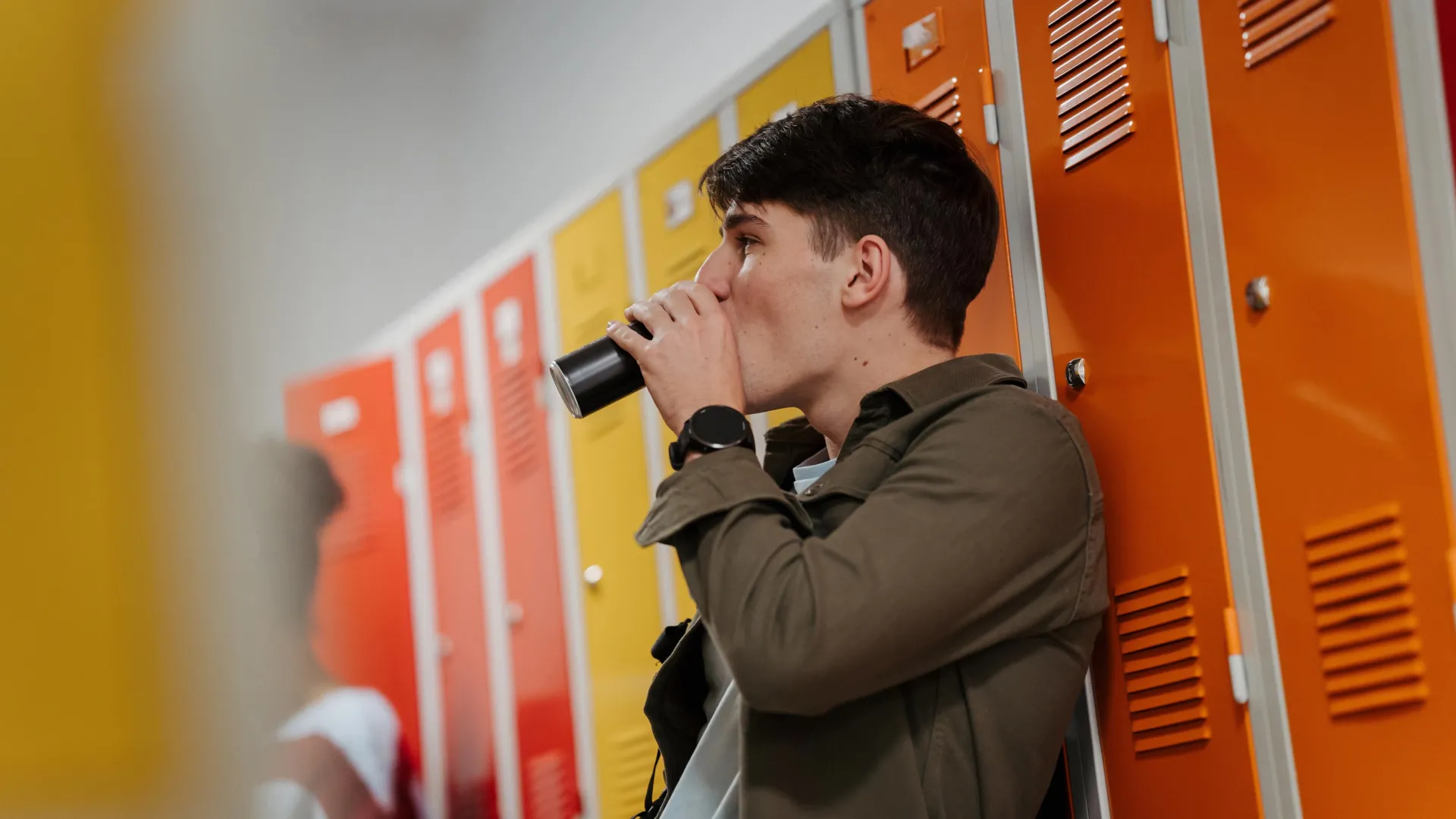
    A new research review has found a consistent association between high consumption of sugary drinks and increased anxiety symptoms among teenagers. The analysis, led by researchers working with Bournemouth University, was published in the Journal of Human Nutrition and Dietetics.

    The team examined results from multiple earlier studies to see whether patterns held across different adolescent groups. Across the evidence base reviewed, higher intake of sugar-sweetened beverages repeatedly aligned with higher self-reported anxiety symptoms.

    Why drinks are under scrutiny

    Public health efforts have long focused on the physical harms of high-sugar diets, including obesity and type 2 diabetes. The authors argue that mental health outcomes linked to energy-dense, low-nutrient drinks have received comparatively less attention.

    The review covers a wide range of sweetened beverages commonly consumed by teens, including sodas, energy drinks, sweetened juices, and sweetened tea or coffee drinks. Many of these products can deliver large amounts of added sugar quickly, without offering lasting satiety.

    Correlation, not proven causation

    The researchers emphasize that the findings do not prove sugary drinks cause anxiety. Because the review synthesizes mainly observational, survey-based studies, it cannot determine whether sugary beverages lead to anxiety or whether anxious teens are more likely to consume them.

    They also note that shared factors could influence both outcomes, such as sleep problems, family stress, or broader lifestyle patterns. The authors say future research designed to test cause-and-effect is needed before drawing firm conclusions.

    What this could mean for families

    Even without proof of causality, the authors say the repeated link is concerning at a time when youth mental health problems are widely reported to be rising. They suggest sugary drink intake is a modifiable habit that could be considered alongside other daily factors like sleep, physical activity, and overall diet quality.

    The review’s lead author, Dr. Karim Khaled, previously completed doctoral work at Bournemouth University and now works at Lebanese American University in Beirut. Co-author Dr. Chloe Casey said mental health effects of diet deserve closer consideration in adolescent nutrition strategies.

  • African Starlings Show Long-Term Reciprocity, Offering New Evidence of Friendship-Like Bonds in Birds

    Researchers studying African starlings say the birds build durable social ties that can resemble human friendship, repeatedly helping specific partners over time. The findings add rare long-term evidence that cooperation among non-relatives can be sustained through reciprocity.

    The study, led by Alexis Earl with colleagues in Professor Dustin Rubenstein’s research group, drew on observations and genetic sampling spanning roughly two decades. By pairing behavioral records with DNA data, the team could separate assistance to relatives from help offered to unrelated group members.

    What the long data revealed

    Biologists have long understood why animals support close kin, since assisting relatives can boost shared genetic success. What has been harder to demonstrate is whether animals reliably invest in non-relatives with an expectation of future return.

    Across many breeding seasons on the East African savannah, the researchers documented thousands of interactions among hundreds of birds living in complex groups. They found that while helpers often favored relatives, many also provided consistent support to particular non-relatives even when kin were available.

    That pattern points to reciprocity rather than simple proximity or chance, the authors argue, because the same unrelated partners kept reappearing in helping roles over multiple years. The work suggests some starling relationships remain stable enough to function as long-term cooperative partnerships.

    Why reciprocity is hard to prove

    Detecting reciprocal helping typically requires large datasets collected over long periods, since favors may be returned much later. Shorter studies can miss these delayed exchanges and may misclassify them as one-off acts.

    The authors say the next step is to examine how these bonds form, what keeps them resilient, and why some cooperative pairs break down. More broadly, the results support the idea that similar reciprocity may exist in other animal societies but remains under-detected due to limited multi-year tracking.

  • Brain development may extend into your early 30s, reshaping the age 25 myth

    Brain development may extend into your early 30s, reshaping the age 25 myth

    The popular claim that the brain finishes maturing at 25 has become a shorthand explanation on social media for impulsive decisions and uneven judgment in young adulthood. Neuroscientists say the idea is rooted in older imaging work, but it oversimplifies a longer and more gradual process.

    Earlier longitudinal MRI studies tracked changes in grey matter across childhood and adolescence, including synaptic pruning that strengthens frequently used circuits and trims others. Because many of those datasets ended in the early 20s, age 25 emerged as a convenient estimate rather than a hard biological cutoff.

    New scans map longer maturation

    More recent research has shifted from single brain regions to how whole networks communicate via white matter, the fiber pathways that connect distant areas. In a large analysis spanning infancy to old age, researchers identified a prolonged phase of network reorganization that can stretch into the early 30s.

    One focus is how the brain balances segregation and integration as it matures. Segregation builds specialized clusters for different functions, while integration strengthens long-range connections that help coordinate complex tasks like planning and self-control.

    What changes after the early 30s

    Data suggest a turning point around the early 30s, when some developmental trends level off and the brain shifts toward maintaining well-used pathways. Rather than continuous expansion, the emphasis becomes efficiency and stability in the connections a person relies on most.

    Experts caution that labeling adults as unfinished can be misleading, because brain development is not a single finish line and varies across individuals. Maturation also depends on experience, education, sleep, stress, and health, all of which can shape brain organization over time.

    Why the finding matters

    The updated picture supports a more nuanced view of neuroplasticity, the brain’s ability to adapt across the lifespan. While younger brains often show faster structural change, learning and training remain possible well beyond the 20s, and there is no sudden switch that flips at 25.

    Researchers say the takeaway is not that people in their late 20s are incapable of adult judgment, but that key neural systems may still be refining how efficiently they communicate. That may help explain why many people report steadier decision-making and emotional regulation as they move through their 30s.

  • Study links parental death to higher bullying risk in teens, with rural girls most affected

    Losing a parent or primary caregiver is one of the most disruptive events a child can face, and new research suggests it may also change how young people are treated at school. A large survey-based study found higher odds of bullying victimization among youth who experienced parental death.

    The study, led by researchers at Boston University School of Public Health and collaborators in China, analyzed responses from about 21 000 children aged 10 to 17. It was published in the Journal of Affective Disorders and drew on data collected between 2019 and 2021 in southwestern China.

    Who faced the biggest rise?

    Researchers reported that the link between bereavement and bullying varied by age, sex, the parent who died, and where children lived. Adolescents aged 13 to 17, girls, and students in rural areas showed the highest increases in reported bullying after a parent’s death.

    Maternal death was associated with a higher bullying risk specifically among boys in the sample, a pattern the authors said may reflect a uniquely protective role of maternal support for sons. The study emphasizes that family disruption can affect social behavior, confidence, and peer relationships during sensitive developmental periods.

    What the survey data showed

    In the study group, nearly 3 percent of participants reported experiencing a parental death. More than 15 percent said they were being bullied at school, highlighting how common peer victimization remains across adolescence.

    While most parental deaths captured in the dataset occurred before COVID-19 became widespread, global estimates indicate the pandemic left millions of children bereaved. Separate international analyses have estimated that more than 8 000 000 children worldwide lost a parent or primary caregiver due to pandemic-related causes.

    Support that lasts beyond the funeral

    The researchers argue that support for bereaved children should be long-term and tailored, combining emotional care with help navigating peer dynamics. They pointed to counseling, engagement of remaining caregivers or extended family, and school programs adjusted to developmental stage and cultural context.

    The study also calls for schools to train staff to recognize grief-related vulnerability and to strengthen overall school climate. Creating an inclusive environment, the authors suggested, may reduce bullying risk and help bereaved students regain stability as their needs evolve.

  • Parkinson’s trial tests dopamine stem cell implants at USC, offering a closer look at brain repair

    Parkinson’s trial tests dopamine stem cell implants at USC, offering a closer look at brain repair

    Doctors at Keck Medicine of USC have begun implanting dopamine-producing stem cells into the brains of people with Parkinson’s disease, as part of an early-stage clinical trial designed to assess safety and feasibility. The approach aims to replace nerve cells lost to the disorder and restore dopamine production at its source.

    Parkinson’s is a progressive neurological condition best known for tremor, stiffness and slowed movement, but it can also affect sleep, mood and cognition. In the United States, more than 1 000 000 people are living with Parkinson’s, and roughly 90 000 new cases are diagnosed each year, according to public health estimates.

    Why dopamine loss matters

    The disease is closely tied to the gradual death of dopamine-producing neurons, which disrupts signals that help coordinate movement. Standard treatments, including levodopa and other medications, can reduce symptoms, but they do not reliably stop the underlying neurodegeneration.

    The new strategy attempts to address that core deficit by placing replacement cells directly into brain circuits involved in motor control. Researchers say that if transplanted cells survive and produce dopamine in a regulated way, patients could see more stable symptom control than medication alone can provide.

    How the stem cell procedure works

    The trial uses induced pluripotent stem cells, or iPSCs, which are created by reprogramming adult cells back into a flexible state that can be guided to become specific cell types. In this study, the cells are engineered to mature into dopamine-producing neurons intended to integrate into the brain.

    During surgery, clinicians create a small opening in the skull and use imaging guidance to deliver the cells into the basal ganglia, a region central to movement regulation. Participants are monitored closely after implantation for complications such as infection and abnormal involuntary movements, known as dyskinesia.

    What researchers will watch next

    The multi-site U.S. study plans to enroll 12 people with moderate to moderate-severe Parkinson’s disease, with follow-up in the first 12 to 15 months focused heavily on safety signals. Researchers also plan longer observation, up to five years, to evaluate durability and potential longer-term risks.

    The investigational therapy, called RNDP-001, is produced by Kenai Therapeutics, and the FDA has granted the study fast-track designation, a process meant to speed development for serious conditions with unmet need. Even with that designation, researchers caution that larger trials would be required to determine whether the implants provide consistent, meaningful clinical benefit.

    Stem cell and cell-replacement approaches are an active area of Parkinson’s research worldwide, reflecting a broader push to move beyond symptom relief toward disease-modifying strategies. For now, the USC-led effort adds closely watched clinical data on whether implanted dopamine neurons can be delivered safely and function as intended in patients.

  • Chimpanzee call combinations hint at language roots: What a major Taï Forest study found

    New research based on years of field recordings suggests wild chimpanzees can combine calls in ways that shift or expand meaning, a trait long seen as central to human language. The findings challenge the idea that complex, rule-like vocal communication is uniquely human.

    Scientists studied thousands of vocalisations from three chimpanzee groups in Taï National Park in Côte d’Ivoire. They analysed how the meanings of 12 call types changed when paired into 16 different two-call combinations across many everyday situations.

    How chimpanzees change call meaning

    The researchers report four main patterns that alter meaning when calls are combined, including compositional pairings that add information. Other combinations appear to clarify context, helping narrow a call’s meaning depending on what follows.

    The study also describes non-compositional, idiom-like combinations, where two familiar calls together convey a meaning that is not a simple sum of the parts. That kind of structure resembles a key feature of human language, where fixed phrases can carry distinct meanings.

    Why the context matters

    Previous work on primate call combinations has often focused on narrow scenarios such as predator alerts, with only a small number of known combinations. In Taï, the team found a broader and more flexible set of pairings used across feeding, travelling, social bonding and other contexts.

    Because chimpanzees and bonobos are humans’ closest living relatives, the results feed into a larger debate about language evolution. The authors argue these combinatorial abilities may have deeper evolutionary roots than once assumed, though they also note more comparative research is needed.

    What this means for language origins

    The findings do not mean chimpanzees use human-like grammar, but they do suggest vocal communication can be more generative in great apes than previously documented. That could shift how scientists frame the early building blocks that eventually supported human language.

    Researchers also warn that long-term fieldwork is becoming harder as human pressures grow on wild chimpanzee populations. Continued observation in natural habitats, they argue, is essential to map the full range of great ape communication.

  • New Alzheimer’s study points to subtle brain blood flow changes as an early warning sign

    New Alzheimer’s study points to subtle brain blood flow changes as an early warning sign

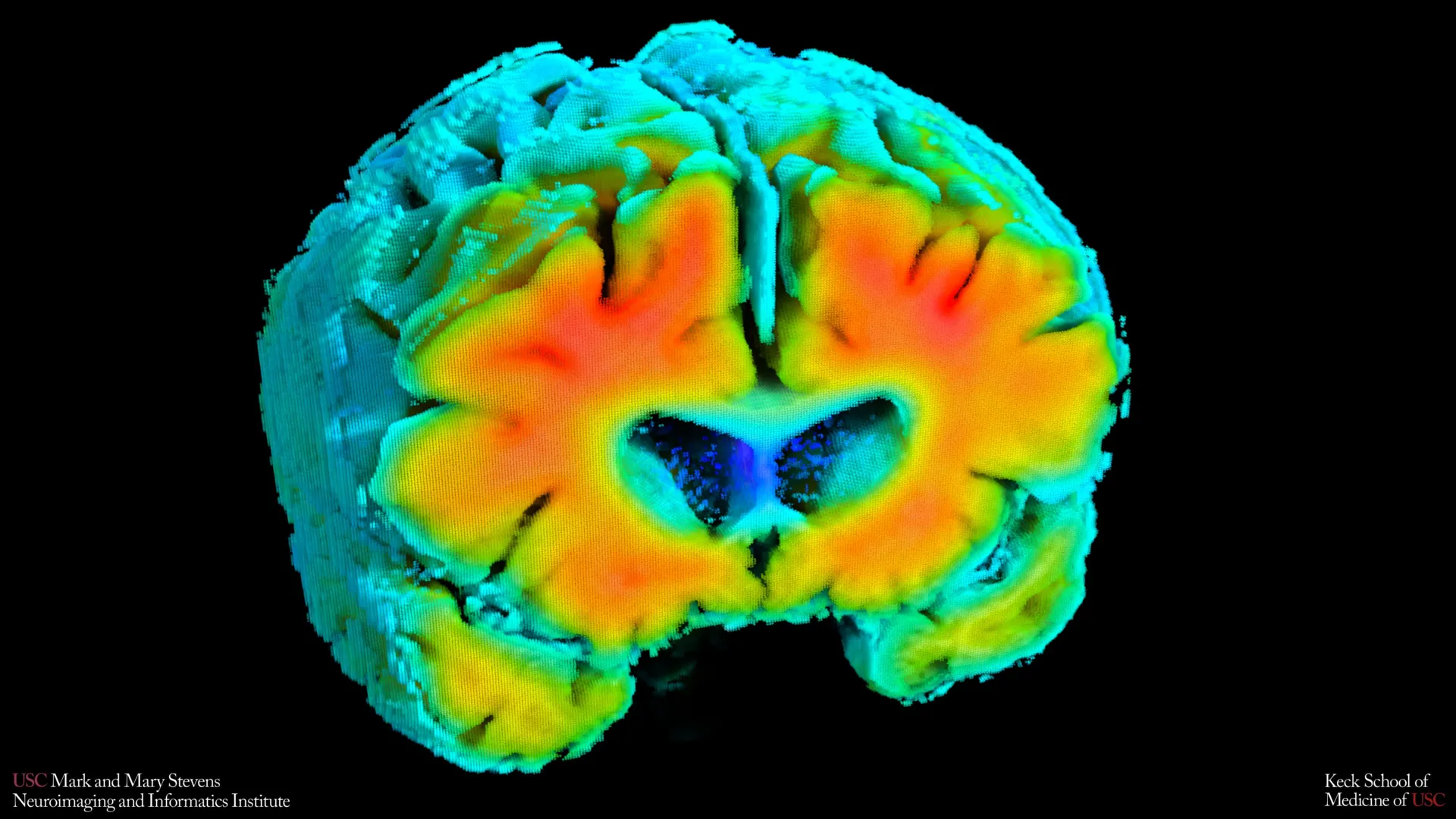
    Small shifts in how blood moves through the brain and how brain cells receive oxygen may be closely connected to the risk of Alzheimer’s disease. That is the conclusion of new research from the Mark and Mary Stevens Neuroimaging and Informatics Institute (Stevens INI) at the Keck School of Medicine of USC.

    The study, published in Alzheimer’s and Dementia: The Journal of the Alzheimer’s Association, examined older adults both with and without cognitive impairment. Researchers found that simple, noninvasive measures of brain blood flow and oxygen levels were linked to well known signs of Alzheimer’s, including amyloid plaque buildup and shrinkage of the hippocampus, the part of the brain that plays a central role in memory. The results suggest that the health of the brain’s blood vessels may influence the disease process early on and could help flag people at risk before noticeable symptoms develop.

    “Amyloid and tau are often considered the primary players in Alzheimer’s disease, but blood flow and oxygen delivery are also critical,” said Amaryllis A. Tsiknia, lead author of the study and USC PhD candidate. “Our results show that when the brain’s vascular system functions more like it does in healthy aging, we also see brain features that are linked to better cognitive health.”

    Noninvasive Tools to Measure Brain Circulation

    To study these changes, the team relied on two painless techniques that can be used while a person rests quietly. Transcranial Doppler ultrasound tracks how quickly blood travels through the brain’s major arteries. Near infrared spectroscopy evaluates how effectively oxygen reaches brain tissue near the surface of the cortex.

    Researchers then applied advanced mathematical modeling to combine these readings into overall indicators of cerebrovascular function. These indicators reflect how well the brain adjusts blood flow and oxygen delivery in response to natural fluctuations in blood pressure and carbon dioxide.

    Vascular Health Linked to Amyloid and Memory Centers

    Participants whose vascular indicators more closely resembled those of cognitively healthy adults tended to have lower amyloid levels and a larger hippocampus. Both features are associated with reduced Alzheimer’s risk.

    “These vascular measures are capturing something meaningful about brain health,” said Meredith N. Braskie, PhD, senior author of the study and assistant professor of neurology at the Keck School of Medicine. “They appear to align with what we see on MRI and PET scans that are commonly used to study Alzheimer’s disease, providing important information about how vascular health and standard brain measures of Alzheimer’s disease risk may be related.”

    The researchers also observed that people diagnosed with mild cognitive impairment or dementia showed weaker vascular function compared to cognitively normal participants. This finding supports the view that declining blood vessel health in the brain is part of the broader Alzheimer’s disease continuum.

    “These findings add to growing evidence that Alzheimer’s involves meaningful vascular contributions in addition to classic neurodegenerative changes,” said Arthur W. Toga, PhD, director of the Stevens INI. “Understanding how blood flow and oxygen regulation interact with amyloid and brain structure opens new doors for early detection and potentially prevention.”

    Potential for Earlier and Broader Screening

    Compared with MRI and PET imaging, these methods are less costly and easier to perform. They do not involve injections, radiation exposure, or demanding tasks for patients. That simplicity could make them useful for large scale screening or for individuals who are unable to undergo more intensive brain imaging.

    The authors caution that the findings represent a single snapshot in time and do not establish cause and effect. Ongoing long term studies are tracking participants to see whether shifts in these vascular measures can predict future cognitive decline or response to treatment.

    “If we can track these signals over time, we may be able to identify people at higher risk earlier and test whether improving vascular health can slow or reduce Alzheimer’s-related brain changes,” Tsiknia said.

    About the Study

    In addition to Tsiknia and Braskie, the study’s other authors are Peter S. Conti, Rebecca J. Lepping, Brendan J. Kelley, Rong Zhang, Sandra A. Billinger, Helena C. Chui and Vasilis Z. Marmarelis.

    This work was supported by the Office of The Director, National Institutes of Health, under Award Number S10OD032285, and by the National Institute on Aging [R01AG058162].

  • NYU study maps a prefrontal naming network, offering new clues to why word retrieval can fail

    Scientists at New York University have mapped a brain network linked to naming and word retrieval, a core function that can break down after stroke, traumatic brain injury, or neurodegenerative disease. The work helps explain why some people can name an object they see but struggle to find words in everyday conversation.

    The study, published in Cell Reports, points to a left-lateralized network involving the dorsolateral prefrontal cortex and nearby frontal regions. Researchers say the findings refine how neuroscience understands the step-by-step process of turning meaning into spoken words.

    How researchers mapped naming circuits

    The team analyzed electrocorticography recordings, a method that measures brain activity directly from the cortical surface during clinical monitoring. Data came from 48 neurosurgical patients, allowing unusually precise timing and localization of language-related signals.

    Using computational clustering, the researchers identified two partially overlapping systems involved in naming. One system tracked semantic processing, linking words to meaning and responding to how expected a word was within a sentence.

    Auditory naming highlights dorsal hub

    A second system was tied to articulatory planning and speech production, showing activity patterns that were less dependent on whether words were presented visually or through sound. This network was centered more ventrally in frontal and precentral regions associated with speech motor planning.

    The results also revealed a ventral-to-dorsal gradient across the prefrontal cortex, with a dorsal frontal area emerging as a key hub for mapping sounds to meaning in auditory contexts. The authors argue this dorsal prefrontal contribution has been underappreciated in earlier models.

    Why the findings matter clinically

    Clinicians frequently see anomia, the difficulty of retrieving words, in patients with focal brain damage and in conditions such as primary progressive aphasia. By separating semantic integration from articulatory planning, the study may help guide more targeted assessments and rehabilitation strategies.

    The work could also inform brain-computer interface research aimed at restoring communication, by clarifying which neural signals best reflect the intent to name a concept. While the authors caution that translation to devices and therapies will take time, the map provides a clearer target for future studies.