Tag: ALS

  • „Neuralink“ parodė stulbinantį proveržį: ALS pacientas vėl prabilo vien mintimis

    „Neuralink“ parodė stulbinantį proveržį: ALS pacientas vėl prabilo vien mintimis

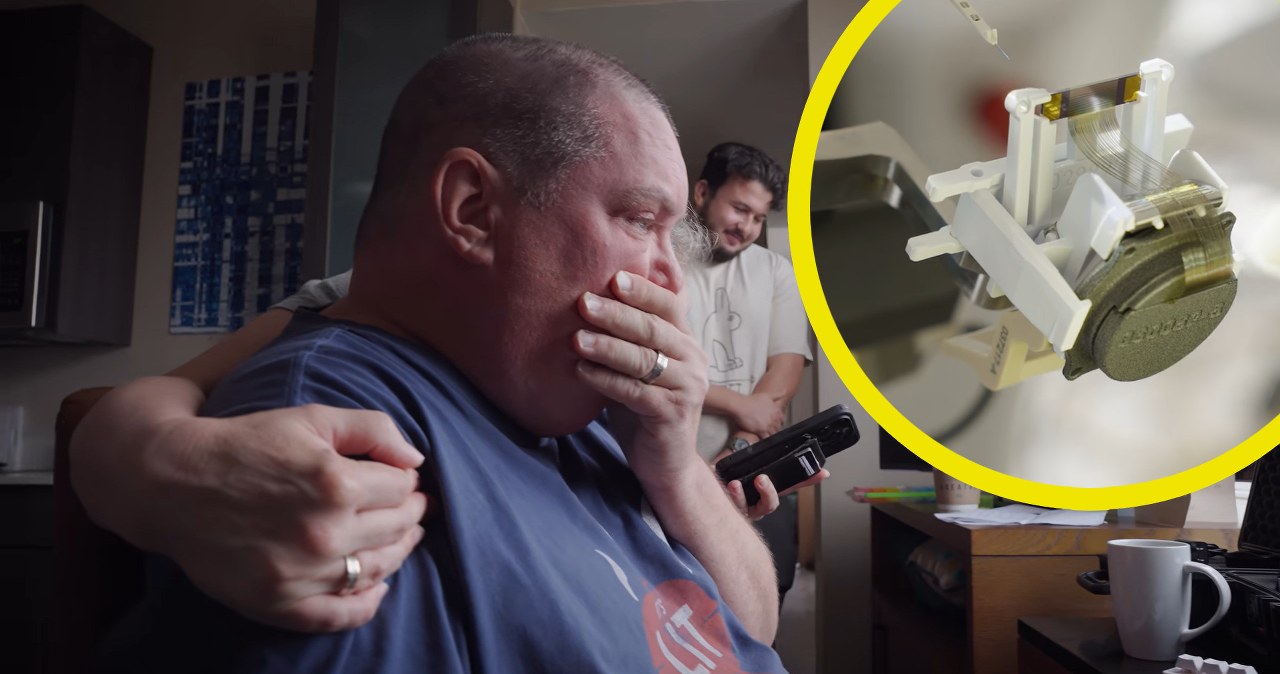
    Elono Musko įmonė „Neuralink“ paviešino vaizdo įrašą, kuriame klinikinio tyrimo dalyvis, ALS sergantis Terry, atkuria galimybę komunikuoti balsu. Vyras nebeištaria žodžių aiškiai, tačiau dabar gali generuoti sintezuotą kalbą, naudodamas vien mintis.

    Įraše rodoma, kad sistema geba atpažinti kalbos ketinimą ir paversti jį garsu, o balsas atkuriamas pagal paciento ankstesnius įrašus. Emociškiausia akimirka tapo pirmą kartą po ligos progresavimo žmonai ištarti žodžiai „aš tave myliu“, – būtent tai ir išplatino žinią socialiniuose tinkluose.

    Kaip veikia N1 ir kalbos dekodavimas

    „Neuralink“ teigia, kad N1 implantas fiksuoja neuroninius signalus smegenų srityse, susijusiose su kalbos planavimu. Šie signalai dekoduojami, o tuomet perduodami į balso generavimo modulį, siejamą su Elono Musko bendrove „xAI“ ir jos „Grok Voice“ sprendimu.

    Mokymas, kaip nurodoma pristatyme, vyko etapais: iš pradžių pacientas bandė imituoti kalbėjimo judesius, kad sistema surinktų pakankamai pažymėtų signalų. Vėliau pereita prie įsivaizduojamos kalbos, kai žmogus nebejudina lūpų, o tik mintyse formuoja žodžius.

    Kuo tai skiriasi nuo ankstesnių bandymų

    Smegenų ir kompiuterio sąsajų sprendimai, skirti komunikacijai, vystomi ne vienerius metus, o akademiniuose projektuose yra demonstruota ir teksto, ir kalbos generacija. Vis dėlto ankstesni metodai dažnai reikalavo aktyvios artikuliacijos bandymų arba pateikdavo anonimišką, su pacientu nesusietą sintetinį balsą.

    Šiuo atveju pabrėžiama asmeninio balso rekonstrukcija ir perėjimas prie įsivaizduojamos kalbos, kas teoriškai gali mažinti nuovargį žmonėms, kurių motoriniai gebėjimai stipriai riboti. Tačiau kol kas tai išlieka individualiu klinikinio tyrimo rezultatu, o ne plačiai pritaikoma medicinine paslauga.

    Ką būtina žinoti apie klinikinį tyrimą

    Terry yra vienas iš dalyvių klinikiniame tyrime, registruotame ClinicalTrials.gov, kuris skirtas komunikacijos atkūrimui naudojant robotu implantuojamą smegenų ir kompiuterio sąsają. Viešai projektas siejamas su pavadinimu VOICE, o „Neuralink“ akcentuoja, kad dalyvių rezultatai gali skirtis.

    Įmonė nepateikė svarbių detalių, tokių kaip implanto įdiegimo data, žodyno apimtis, tikslumo rodikliai ar uždelsimas tarp minties ir sugeneruoto garso. Nepriklausomų, recenzuotų publikacijų apie VOICE dalyvių grupės rezultatus kol kas nėra, todėl technologijos efektyvumą ir ribas objektyviai įvertinti sudėtinga.

    Taip pat pabrėžiama, kad N1 yra tiriamas įrenginys: JAV Maisto ir vaistų administracijos suteiktas Breakthrough Device Designation statusas reiškia spartesnį vertinimo kelią, bet nėra leidimas komerciniam naudojimui. Kol nebus daugiau duomenų ir reguliacinių sprendimų, prieiga iš esmės apsiriboja tik klinikinių tyrimų dalyviais.
  • Gut microbiome study points to inflammatory sugars as a potential trigger for ALS and frontotemporal dementia

    Gut microbiome study points to inflammatory sugars as a potential trigger for ALS and frontotemporal dementia

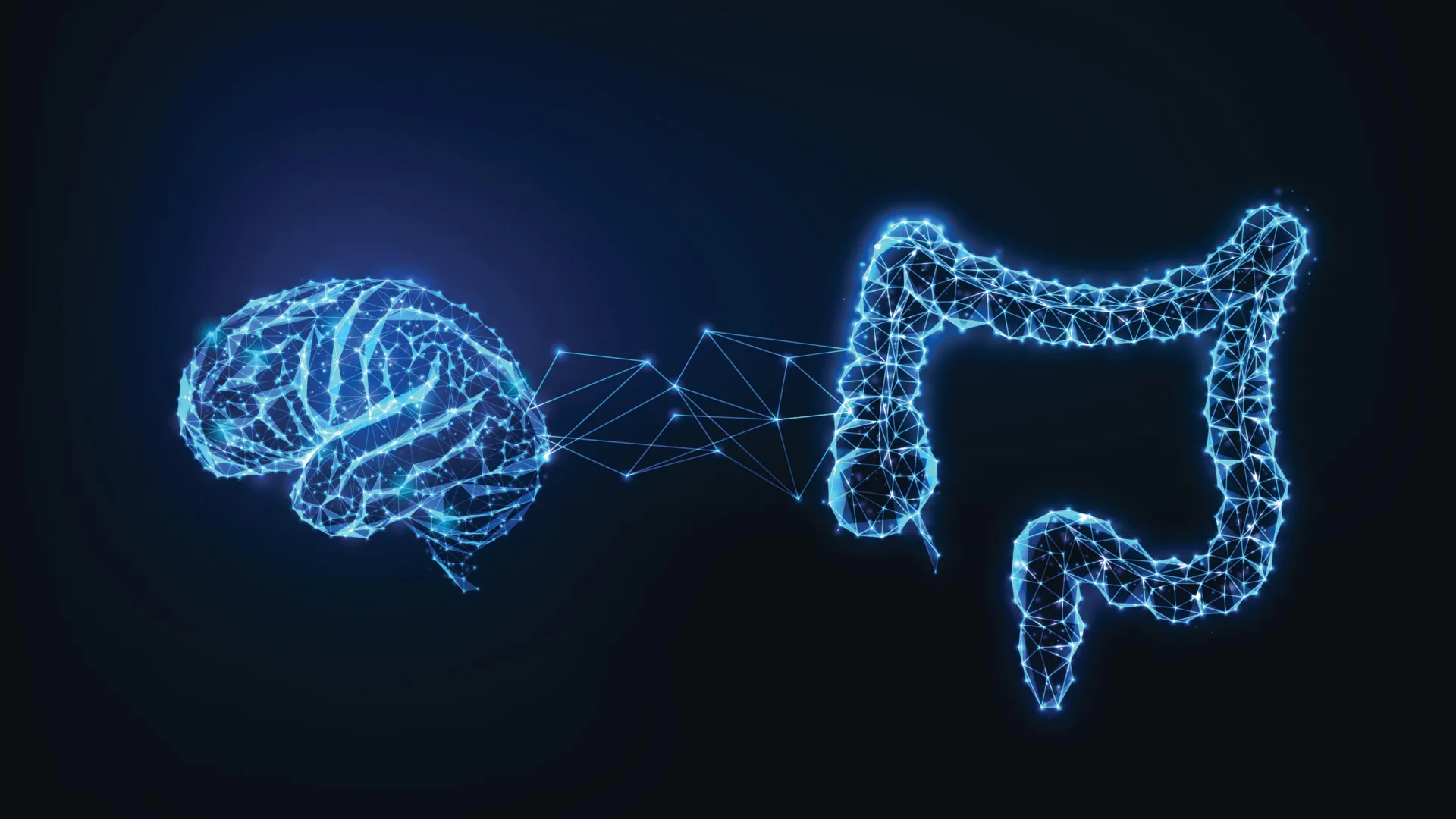
    Researchers at Case Western Reserve University say they have identified a gut-driven immune mechanism that may help explain why brain damage progresses in amyotrophic lateral sclerosis and frontotemporal dementia. The work focuses on specific sugars produced by certain gut bacteria and how they may spark harmful inflammation.

    The study, published in Cell Reports, links bacterial glycogen molecules to immune activation that can injure neurons in models of ALS and FTD. The authors suggest the pathway could become both a diagnostic clue and a target for treatments aimed at the gut rather than the brain alone.

    How the proposed gut pathway works

    According to the researchers, some gut microbes can generate an inflammatory form of glycogen, a complex sugar, that appears to provoke immune responses tied to neurodegeneration. In the study’s patient samples, 70% of 23 people with ALS or FTD showed elevated levels of the implicated bacterial glycogen, compared with about one-third of people without the conditions.

    Aaron Burberry, an assistant professor at Case Western Reserve School of Medicine, said the team found that these microbial sugars can trigger immune reactions that ultimately damage brain cells. The results point to a potential way to interrupt the process by reducing or degrading the inflammatory glycogen.

    Why genes may not be the whole story

    The findings could be especially relevant for carriers of the C9orf72 mutation, the most common known genetic cause of ALS and FTD. Many carriers never develop disease, and the study adds evidence that environmental factors such as the gut microbiome may influence whether symptoms emerge.

    The researchers propose that certain bacterial communities may act as a switch that worsens inflammation in genetically susceptible people. That idea aligns with a growing body of research connecting immune activity, the microbiome, and neurodegenerative disease risk.

    What comes next for treatment research

    In experiments described by the team, lowering levels of the harmful glycogen improved brain health measures and extended lifespan in model systems. Alex Rodriguez-Palacios, also at Case Western, said reducing these sugars was associated with better outcomes, supporting efforts to design therapies that target the compounds in the gut.

    The group plans larger studies to track microbiome changes in ALS and FTD patients, including before and after disease onset where possible. Burberry said the results support clinical trials testing whether glycogen-degrading approaches could slow progression, though timelines and trial designs will depend on additional validation.