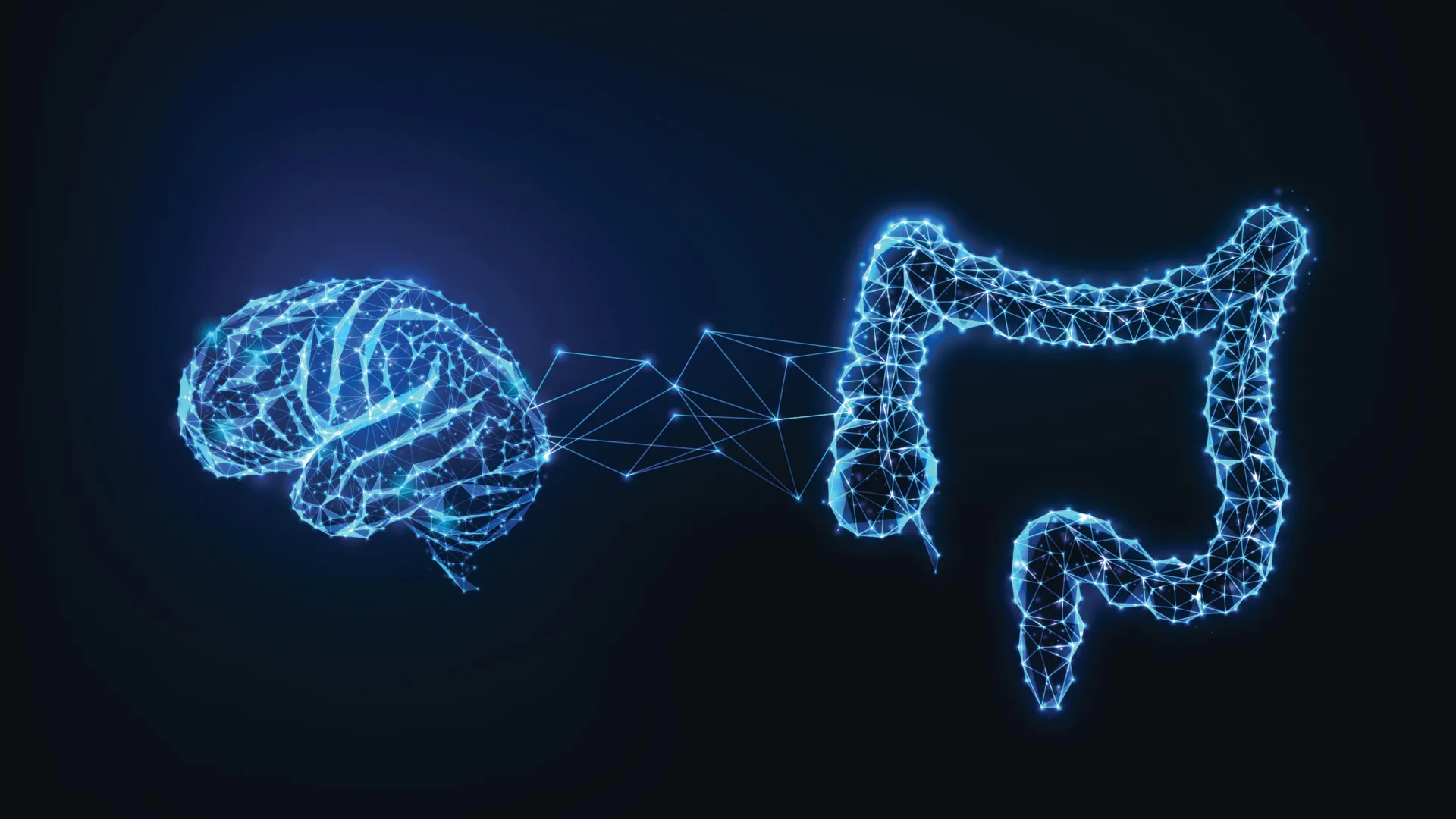
Researchers at Case Western Reserve University say they have identified a gut-driven immune mechanism that may help explain why brain damage progresses in amyotrophic lateral sclerosis and frontotemporal dementia. The work focuses on specific sugars produced by certain gut bacteria and how they may spark harmful inflammation.
The study, published in Cell Reports, links bacterial glycogen molecules to immune activation that can injure neurons in models of ALS and FTD. The authors suggest the pathway could become both a diagnostic clue and a target for treatments aimed at the gut rather than the brain alone.
How the proposed gut pathway works
According to the researchers, some gut microbes can generate an inflammatory form of glycogen, a complex sugar, that appears to provoke immune responses tied to neurodegeneration. In the study’s patient samples, 70% of 23 people with ALS or FTD showed elevated levels of the implicated bacterial glycogen, compared with about one-third of people without the conditions.
Aaron Burberry, an assistant professor at Case Western Reserve School of Medicine, said the team found that these microbial sugars can trigger immune reactions that ultimately damage brain cells. The results point to a potential way to interrupt the process by reducing or degrading the inflammatory glycogen.
Why genes may not be the whole story
The findings could be especially relevant for carriers of the C9orf72 mutation, the most common known genetic cause of ALS and FTD. Many carriers never develop disease, and the study adds evidence that environmental factors such as the gut microbiome may influence whether symptoms emerge.
The researchers propose that certain bacterial communities may act as a switch that worsens inflammation in genetically susceptible people. That idea aligns with a growing body of research connecting immune activity, the microbiome, and neurodegenerative disease risk.
What comes next for treatment research
In experiments described by the team, lowering levels of the harmful glycogen improved brain health measures and extended lifespan in model systems. Alex Rodriguez-Palacios, also at Case Western, said reducing these sugars was associated with better outcomes, supporting efforts to design therapies that target the compounds in the gut.
The group plans larger studies to track microbiome changes in ALS and FTD patients, including before and after disease onset where possible. Burberry said the results support clinical trials testing whether glycogen-degrading approaches could slow progression, though timelines and trial designs will depend on additional validation.
Leave a Reply