
Tag: Epigenetika

  • A simple blood test could spot depression risk early by tracking immune cell aging

    A simple blood test could spot depression risk early by tracking immune cell aging

    Researchers are testing whether a routine blood sample could help flag depression earlier, using measures of biological aging in specific immune cells. The work adds to a growing push for objective biomarkers that could complement symptom-based mental health screening.

    The study, published in The Journals of Gerontology: Series A, examined epigenetic changes that act like molecular timestamps on DNA. These so-called epigenetic clocks estimate biological age, which can advance faster than chronological age under stress, illness, or other factors.

    Why depression has been hard to test

    Depression is typically diagnosed through clinical interviews and questionnaires, not lab confirmation, partly because the condition can look very different across patients. Some people primarily experience somatic symptoms such as sleep and appetite changes, while others struggle most with mood and cognition, including hopelessness and loss of pleasure.

    That variability can complicate detection, especially when physical symptoms overlap with other chronic conditions. Clinicians may order bloodwork to rule out medical causes, but there is still no widely accepted biological test that can confirm depression on its own.

    Monocytes emerge as a key signal

    The research analyzed data from 440 women, including 261 living with HIV and 179 without HIV, drawing on the long-running Women’s Interagency HIV Study. Depression symptoms were assessed using the Center for Epidemiologic Studies Depression Scale, a 20-item tool that captures both somatic and non-somatic features.

    Blood samples were used to calculate epigenetic aging in two ways: a broad measure across multiple cell types and a monocyte-focused clock. Monocytes are white blood cells involved in immune responses and inflammation, processes increasingly studied for their links to mental health.

    The monocyte-specific aging measure tracked most strongly with non-somatic depression symptoms such as anhedonia, hopelessness, and a sense of failure, in women with and without HIV. By contrast, the broader multi-tissue aging measure did not show the same relationship, suggesting the signal may be cell-type specific.

    What this could change in care

    The authors caution that the findings are not yet ready for clinical use and do not mean a single blood draw can diagnose depression today. Larger studies, replication in different populations, and clearer thresholds would be needed before a test could be validated for real-world screening.

    Still, the results point to a possible path toward earlier, more precise detection, particularly for people whose physical symptoms might be attributed to other illnesses. If confirmed, immune-cell epigenetic measures could also support more personalized care by helping researchers distinguish depression subtypes and refine treatment matching.
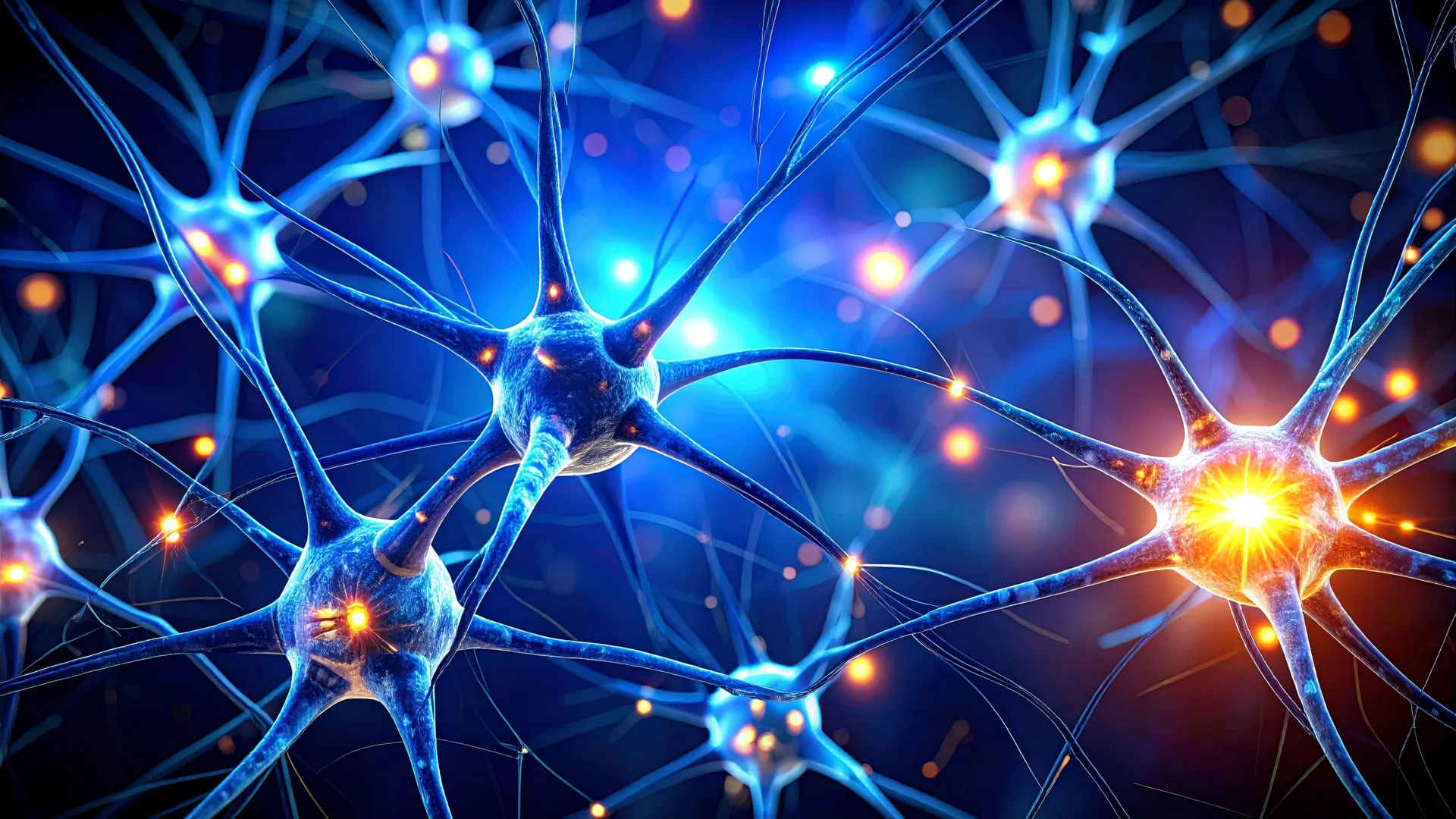
  • A lasting brain switch in addiction and stress: Why ΔFosB is drawing new attention in mental health research

    A lasting brain switch in addiction and stress: Why ΔFosB is drawing new attention in mental health research

    Advances in molecular psychiatry are sharpening scientists’ view of how stress and drugs can leave long-lasting marks on the brain. A recent interview published by Genomic Press in the journal Brain Medicine highlights decades of work that helped connect fleeting experiences to persistent changes in behavior.

    In the discussion, neuroscientist Eric J. Nestler, dean of the Icahn School of Medicine at Mount Sinai, traces how early training in brain chemistry led him to focus on the biology behind addiction, depression and resilience. He describes a field that has moved from broad theories toward specific molecules, cell types and circuits that can be measured.

    ΔFosB and long-term brain change

    One of the best-known findings from this line of research centers on ΔFosB, a transcription factor that can build up in reward-related brain circuits after repeated drug exposure and prolonged stress. Unlike many proteins that degrade quickly, ΔFosB can persist for weeks, helping to explain how short periods of exposure may trigger longer-lasting shifts in gene activity.

    Researchers have linked this durability to changes in motivation and reward processing that can raise vulnerability to addiction. The idea is not that one factor explains complex disorders, but that stable molecular signals like ΔFosB can act as a biological bridge between experience and enduring neural adaptation.

    From epigenetics to single-cell tools

    Nestler also points to a major methodological shift in the field, from studying signaling pathways to mapping gene regulation through epigenetic mechanisms such as chromatin modifications. Those approaches have been accelerated by tools that can parse differences across brain regions and, increasingly, across individual neuron types.

    Single-cell methods are now enabling researchers to look for patterns that may be missed when tissue is analyzed in bulk. That trajectory is feeding interest in whether future treatments could be tailored more precisely to particular circuits or cell populations involved in mood and substance-use disorders.

    Why resilience is becoming central

    A notable theme in the interview is a push to study resilience, not only pathology. Experiments in animals have identified molecular and circuit signatures associated with maintaining normal behavior despite stress, raising the possibility of therapies designed to strengthen protective mechanisms.

    Some resilience-oriented strategies are already being tested clinically for depression, reflecting a broader shift toward interventions that aim to improve adaptive capacity as well as relieve symptoms. The interview argues that focusing on what helps certain individuals recover could open complementary pathways for drug development.

    Nestler also underscores the importance of linking animal findings with human evidence, including results from postmortem brain studies in people affected by addiction and stress-related conditions. He warns that politicizing science could slow progress, stressing that medical research should remain independent and broadly beneficial.

  • Mokslininkai įspėja: net numetus svorio imuninės ląstelės dar ilgai „atsimena“ nutukimą

    Mokslininkai įspėja: net numetus svorio imuninės ląstelės dar ilgai „atsimena“ nutukimą

    Naujame ilgalaikiame tyrime mokslininkai nustatė, kad net sėkmingai numetus svorio dalis imuninės sistemos ląstelių kurį laiką išlieka pakitusios tarsi „atsimintų“ nutukimą. Tai gali reikšti, kad su nutukimu siejamos rizikos, pavyzdžiui, 2 tipo diabetas ar kai kurie vėžiai, ne visada sumažėja iš karto.

    Tyrimo autoriai daugiausia dėmesio skyrė pagalbinėms T ląstelėms, kurios koordinuoja imuninį atsaką. Pasak mokslininkų, šiose ląstelėse aptikti pokyčiai gali palaikyti uždegiminę būklę net ir tada, kai kūno masė sumažėja, o žmogus laikosi naujo režimo.

    Kas yra „nutukimo atmintis“?

    Mokslininkai aiškina, kad šis ilgalaikis efektas siejamas su DNR metilinimu. Tai natūralus biologinis procesas, kai prie DNR prisijungusios cheminės grupės pakeičia genų aktyvumą nepakeisdamos pačios DNR sekos, todėl organizmas gali „užfiksuoti“ ankstesnes metabolines būkles.

    Tokie epigenetiniai pokyčiai, kaip teigiama, gali veikti tai, kaip imuninės ląstelės reaguoja į signalus, susijusius su medžiagų apykaita ir uždegimu. Dėl to „nutukimo atmintis“ gali prisidėti tiek prie polinkio atgauti svorį, tiek prie užsitęsusios lėtinių ligų rizikos.

    Kaip tai buvo tiriama?

    Tyrime analizuoti kelių grupių žmonių imuninės sistemos mėginiai, įskaitant nutukimu sergančius asmenis, kurie svorį mažino sportuodami arba vartodami semaglutidą. Taip pat vertinti kontrolinių grupių duomenys, kad būtų galima tiksliau atskirti, kas susiję su pačiu nutukimu, o kas su kitais veiksniais.

    Papildomai mokslininkai tyrė žmones, sergančius reta genetine Alströmo sindromo forma, kuri dažnai susijusi su ankstyvu nutukimu. Mechanizmai tikrinti ir gyvūnų modeliuose, kad būtų įvertinta, kaip ilgai išlieka imuninės sistemos pokyčiai ir su kokiais procesais jie labiausiai susiję.

    „Rezultatai rodo, kad trumpalaikis svorio sumažėjimas nebūtinai iš karto sumažina kai kurių su nutukimu siejamų ligų riziką“, – sakė vienas iš tyrimo vadovų, imunologas Claudio Mauro.

    „Greičiausiai prireikia kelerių metų nuosekliai išlaikyto sumažėjusio svorio, kad šis poveikis palaipsniui silptų“, – sakė Claudio Mauro.

    Ką tai keičia praktikoje?

    Autorių teigimu, „nutukimo atmintis“ gali nykti lėtai ir tam gali prireikti maždaug 5–10 metų stabilaus svorio palaikymo, nors tai dar turės patvirtinti tolesni tyrimai. Šis laikotarpis svarbus vertinant, kodėl daliai žmonių, net ir pasiekus gerų svorio mažėjimo rezultatų, sveikatos rodikliai normalizuojasi ne taip greitai, kaip tikimasi.

    Tyrėjai taip pat išskyrė du procesus, kurie, jų manymu, yra svarbūs: autofagiją, kai ląstelės pašalina ir perdirba „atliekas“, ir imuninį senėjimą, kai imuninės ląstelės praranda dalį funkcijų. Nutukimo metu susiformavę epigenetiniai pokyčiai gali trikdyti abu šiuos mechanizmus.

    Nors tai nėra tiesioginis gydymo rekomendacijų pakeitimas, tyrimas stiprina požiūrį, kad nutukimas yra lėtinė, linkusi atsinaujinti būklė, kuriai dažnai reikia ilgalaikės strategijos. Mokslininkai kelia prielaidą, kad ateityje gali atsirasti tikslingų priemonių, padedančių greičiau mažinti uždegimą ir atkurti imuninės sistemos pusiausvyrą.

    Šie rezultatai papildo ankstesnius duomenis, kad organizme po nutukimo gali išlikti ilgalaikių biologinių pėdsakų, susijusių ne tik su riebaliniu audiniu, bet ir su imunitetu. Specialistai pabrėžia, kad dėl individualių aplinkybių svorio mažinimo ir palaikymo planą geriausia aptarti su gydytoju.