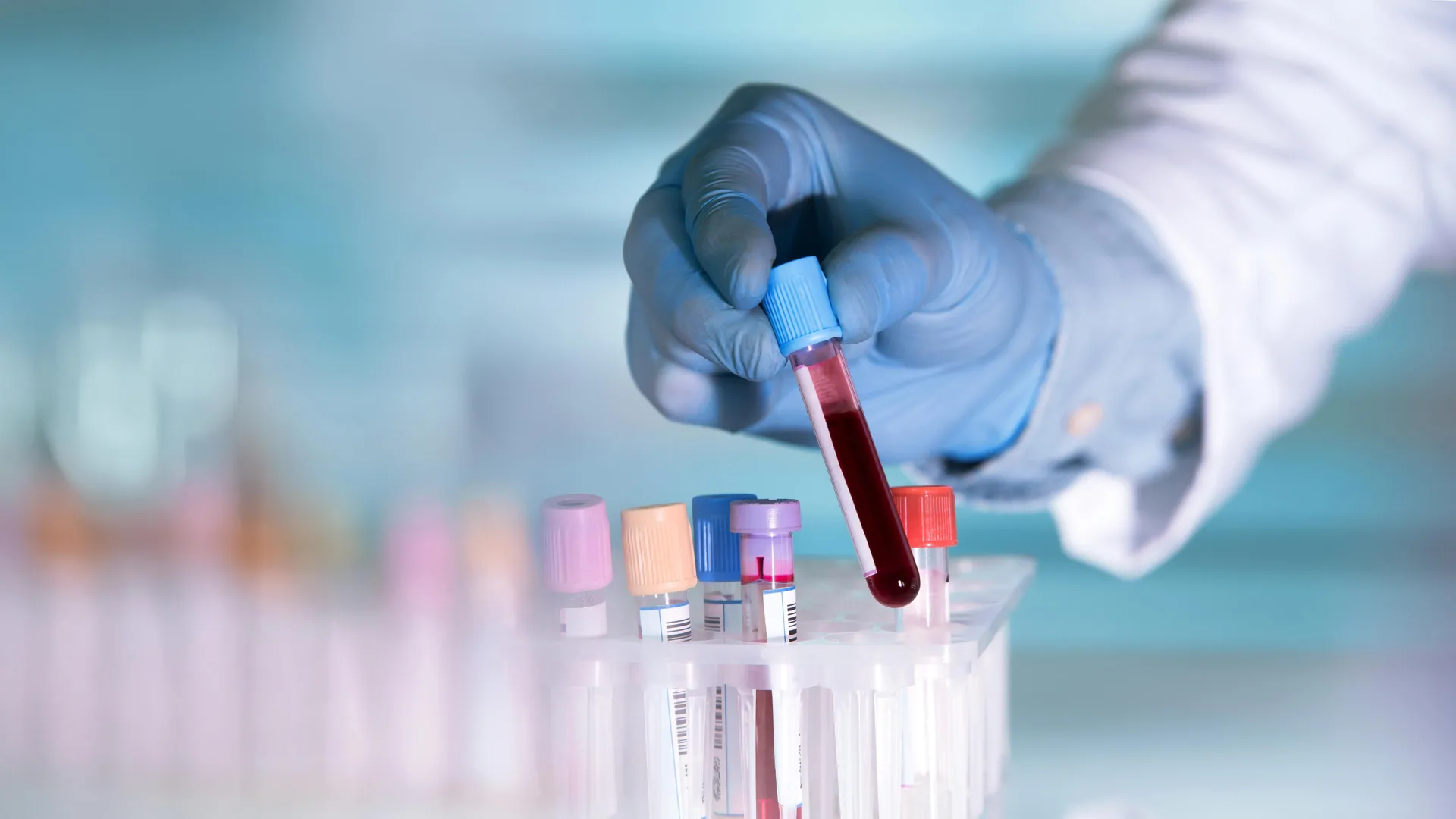
Researchers are testing whether a routine blood sample could help flag depression earlier, using measures of biological aging in specific immune cells. The work adds to a growing push for objective biomarkers that could complement symptom-based mental health screening.
The study, published in The Journals of Gerontology: Series A, examined epigenetic changes that act like molecular timestamps on DNA. These so-called epigenetic clocks estimate biological age, which can advance faster than chronological age under stress, illness, or other factors.
Why depression has been hard to test
Depression is typically diagnosed through clinical interviews and questionnaires, not lab confirmation, partly because the condition can look very different across patients. Some people primarily experience somatic symptoms such as sleep and appetite changes, while others struggle most with mood and cognition, including hopelessness and loss of pleasure.
That variability can complicate detection, especially when physical symptoms overlap with other chronic conditions. Clinicians may order bloodwork to rule out medical causes, but there is still no widely accepted biological test that can confirm depression on its own.
Monocytes emerge as a key signal
The research analyzed data from 440 women, including 261 living with HIV and 179 without HIV, drawing on the long-running Women’s Interagency HIV Study. Depression symptoms were assessed using the Center for Epidemiologic Studies Depression Scale, a 20-item tool that captures both somatic and non-somatic features.
Blood samples were used to calculate epigenetic aging in two ways: a broad measure across multiple cell types and a monocyte-focused clock. Monocytes are white blood cells involved in immune responses and inflammation, processes increasingly studied for their links to mental health.
The monocyte-specific aging measure tracked most strongly with non-somatic depression symptoms such as anhedonia, hopelessness, and a sense of failure, in women with and without HIV. By contrast, the broader multi-tissue aging measure did not show the same relationship, suggesting the signal may be cell-type specific.
What this could change in care
The authors caution that the findings are not yet ready for clinical use and do not mean a single blood draw can diagnose depression today. Larger studies, replication in different populations, and clearer thresholds would be needed before a test could be validated for real-world screening.
Still, the results point to a possible path toward earlier, more precise detection, particularly for people whose physical symptoms might be attributed to other illnesses. If confirmed, immune-cell epigenetic measures could also support more personalized care by helping researchers distinguish depression subtypes and refine treatment matching.
Leave a Reply