Tag: Parkinsono liga

  • Nyderlandų „Buurtzorg“ fenomenas: slauga be vadovų žada 25 proc. mažesnes išlaidas

    Nyderlandų „Buurtzorg“ fenomenas: slauga be vadovų žada 25 proc. mažesnes išlaidas

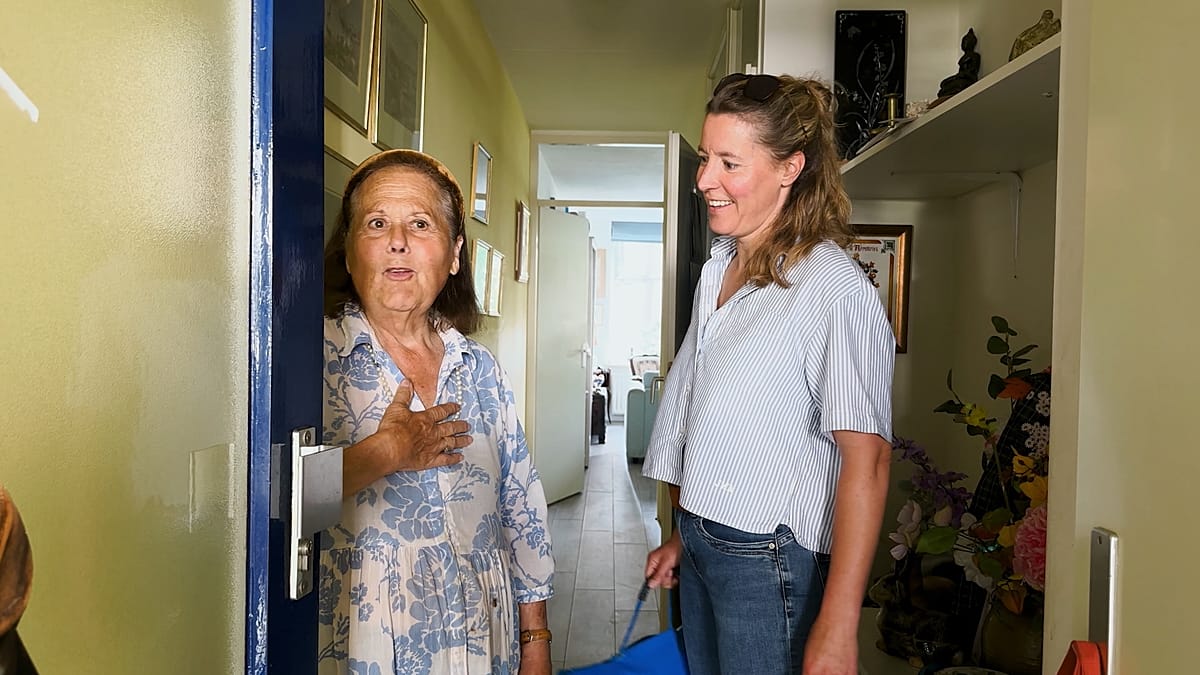
    Nyderlanduose sukurta „Buurtzorg“ namų slaugos sistema per kelis dešimtmečius tapo vienu garsiausių pavyzdžių, kaip arčiau žmogaus perkelta priežiūra gali keisti visą sveikatos apsaugą. Modelio esmė paprasta: mažos, savarankiškai sprendimus priimančios slaugytojų komandos teikia ne tik medicininę pagalbą, bet ir padeda vyresniems žmonėms išlikti savarankiškiems namuose.

    Tokios pagalbos nauda ypač ryški senstančiose visuomenėse, kur auga demencijos, Parkinsono ligos ir kitų lėtinių būklių paplitimas. Slauga namuose daugeliui pacientų reiškia ne tik patogumą, bet ir orumą, mažesnę hospitalizacijų riziką bei didesnį kasdienio gyvenimo stabilumą.

    Slauga, kuri prasideda nuo santykio

    „Buurtzorg“ praktikoje slaugytojo darbas nėra vien procedūros ar vaistų kontrolė. Vizitų metu vertinamas žmogaus savarankiškumas, namų aplinka, artimųjų įsitraukimas, o prireikus telkiamas socialinių paslaugų tinklas.

    Šis požiūris atitinka ir platesnę Europos sveikatos politikos kryptį, kai vis daugiau dėmesio skiriama integruotai priežiūrai bendruomenėje. Tikslas yra kuo ilgiau išlaikyti žmogų namuose, o į stacionarą nukreipti tik tada, kai to iš tiesų reikia.

    Be vadovų, bet su atsakomybe

    Skirtingai nei daugelyje tradicinių organizacijų, „Buurtzorg“ komandoms vadovų grandis beveik neegzistuoja. Slaugytojai patys planuoja darbą, derina grafikus, sprendžia dėl pacientų priežiūros prioritetų ir palaiko ryšį su kitais specialistais.

    Tokią struktūrą 2006 metais pradėjo buvęs slaugytojas Jos de Blok, kritikavęs biurokratiją ir sprendimų nutolinimą nuo paciento. Jo idėja buvo grąžinti profesinę autonomiją tiems, kurie dirba arčiausiai žmogaus, kartu sumažinant administracines išlaidas.

    „Jei į darbą nesikiši ten, kur nereikia, slaugytojai jaučia atsakomybę ir kasdien stengiasi pacientui padaryti geriausia“, – sakė Jos de Blok.

    Ar tai tikrai mažina kaštus?

    „Buurtzorg“ argumentas yra tai, kad stiprus ryšys su pacientu leidžia greičiau pastebėti problemas ir jų išvengti dar ankstyvoje stadijoje. Praktikoje tai gali reikšti mažiau komplikacijų, trumpesnius vizitus ateityje ir retesnį stacionarinį gydymą.

    Pats organizacijos įkūrėjas yra ne kartą viešai teigęs, kad panašius principus plačiau pritaikius sveikatos sistemoje išlaidos galėtų mažėti apie 25 proc. Nors skirtingose šalyse rezultatai priklauso nuo finansavimo modelio ir paslaugų prieinamumo, tendencija aiški: efektyvumas dažnai siejamas su mažesne biurokratija ir geresne koordinacija.

    „Parodėme, kad darant teisingus dalykus tinkamu metu galima veikti greičiau ir su mažiau pinigų“, – sakė Jos de Blok.

    Šiandien „Buurtzorg“ Nyderlanduose vienija apie 15 000 darbuotojų, o jos principai pritaikomi partnerių iniciatyvose daugiau nei dvidešimtyje šalių. Tuo pat metu visoje Europoje matoma ta pati įtampa: slaugytojų trūkumas, perdegimas ir senėjanti visuomenė verčia ieškoti modelių, kurie padėtų išlaikyti paslaugų kokybę bei patrauklias darbo sąlygas.

    „Buurtzorg“ istorija rodo, kad pokytis gali prasidėti nuo paprasto klausimo: kaip organizuoti slaugą taip, kad pirmiausia laimėtų pacientas, o specialistai galėtų dirbti pagal savo kompetenciją, o ne pagal biurokratines instrukcijas.

  • Kava kasdien: 4 moksliškai pagrįstos naudos sveikatai ir kada verta riboti puodelių skaičių

    Ką rodo tyrimai apie kavą

    Kava daugeliui yra kasdienis ritualas, tačiau pastaraisiais metais vis daugiau dėmesio skiriama jos poveikiui sveikatai. Naujesnės apžvalgos ir didelės apimties stebėjimo tyrimai sieja saikingą kavos vartojimą su palankesniais kai kuriais sveikatos rodikliais.

    Svarbiausia detalė, kurią pabrėžia mokslininkai, yra saikas ir tai, kas įdedama į puodelį. Cukrus, sirupai, riebi grietinėlė ar desertiniai priedai gali sumažinti galimą naudą ir padidinti bendrą kalorijų kiekį.

    1. Siejama su ilgesniu gyvenimu

    Keli dideli stebėjimo tyrimai rodo, kad žmonės, kurie reguliariai geria kavą, statistiškai rečiau miršta nuo kai kurių priežasčių, įskaitant širdies ir kraujagyslių ligas. Dažniausiai palankiausias ryšys matomas geriant maždaug 1–3 puodelius per dieną.

    Vis dėlto tai nėra priežasties ir pasekmės įrodymas: kavą geriantys žmonės gali skirtis gyvenimo būdu, mityba, fiziniu aktyvumu ar sveikatos priežiūra. Ekspertai pabrėžia, kad priedai, ypač cukrus, gali susilpninti galimą teigiamą ryšį.

    2. Gali palaikyti žarnyno mikrobiomą

    Tyrimai rodo, kad kavą geriantys žmonės gali turėti kitokią žarnyno mikrobiomo sudėtį nei jos nevartojantys. Manoma, kad tam įtakos turi kavoje esantys polifenoliai ir kiti biologiškai aktyvūs junginiai.

    Šios medžiagos siejamos su antioksidaciniu poveikiu ir mažesniu oksidaciniu stresu, o kai kuriems žmonėms kava gali būti susijusi ir su reguliariu tuštinimusi. Reakcija individuali, nes jautresniems asmenims kava gali dirginti skrandį ar didinti rūgštingumo pojūtį.

    3. Metabolizmas ir svorio kontrolė

    Kofeinas gali laikinai paskatinti energijos apykaitą ir padidinti budrumą, todėl kai kuriems žmonėms lengviau išlikti fiziškai aktyviems. Tyrimuose aprašoma, kad po kavos metabolizmo greitis gali padidėti kelioms valandoms, nors poveikis nėra vienodas visiems.

    Kava pati savaime nėra lieknėjimo priemonė, o ilgainiui organizmas gali prisitaikyti prie kofeino. Svorio kontrolės rezultatus dažnai labiausiai lemia tai, ar kava geriama be cukraus ir kaloringų priedų.

    4. Mažesnė kai kurių lėtinių ligų rizika

    Reguliarus kavos vartojimas įvairiuose tyrimuose siejamas su mažesne 2 tipo diabeto rizika ir kai kurių širdies bei kraujagyslių įvykių tikimybe. Taip pat aptariamos sąsajos su mažesne Parkinsono ligos rizika, tačiau ryšiai priklauso nuo tyrimo dizaino ir tiriamųjų grupių.

    Specialistai pabrėžia, kad kava neturėtų pakeisti pagrindinių prevencijos priemonių: subalansuotos mitybos, miego, fizinio aktyvumo ir kraujospūdžio kontrolės. Jei žmogus turi aritmijų, nerimo simptomų, rėmenį ar nėštumo metu, puodelių skaičių dažnai rekomenduojama aptarti su gydytoju.

    Saikingai geriama kava daugeliui žmonių gali būti suderinama su sveika mityba, ypač jei ji geriama juoda arba su nedideliu pieno kiekiu be cukraus. Didžiausią naudą paprastai „suvalgo“ ne pati kava, o įpročiai, kurie ją lydi.

  • Šis miego minimumas iš tiesų būtinas smegenims: mokslininkai paaiškino, kas vyksta naktį

    Šis miego minimumas iš tiesų būtinas smegenims: mokslininkai paaiškino, kas vyksta naktį

    Miegant kūnas ilsisi, tačiau smegenys toli gražu neišsijungia. Naujausi neurobiologijos tyrimai rodo, kad naktį neuronai veikia ritmiškai, kurdami sinchronizuotas elektrinių impulsų bangas, kurios susijusios su smegenų skysčio judėjimu.

    Šis judėjimas svarbus todėl, kad smegenų skystis padeda pašalinti medžiagų apykaitos atliekas ir kai kuriuos netinkamai susiformavusius baltymus. Jų kaupimasis siejamas su neurodegeneracinių ligų rizika, nors pats miegas nėra paprastas būdas tokių ligų išvengti.

    Ką rodo eksperimentai su smegenų bangomis

    Eksperimentiniuose tyrimuose su miegančiais laboratoriniais gyvūnais pastebėta, kad slopinant tam tikras smegenų sritis ir trikdant ritminių bangų susidarymą, smegenų skystis pro audinius juda prasčiau. Tai reiškė, kad atliekos ilgiau užsilaiko smegenų audinyje.

    Mokslininkai šį procesą aiškina kaip dinamišką sistemą: skirtingo stiprumo bangos gali skirtingai veikti skysčio tekėjimą. Kitaip tariant, smegenys gali „reguliuoti“ valymo intensyvumą pagal tai, kiek ir kokių medžiagų reikia pašalinti.

    Kiek miego laikoma absoliučiu minimumu

    Miego specialistų organizacijos suaugusiesiems dažniausiai nurodo bent 7 valandas per parą kaip ribą, nuo kurios prasideda patikimesnė sveikatos ir kasdienio funkcionavimo apsauga. Dažnai minima optimali daugumos suaugusiųjų zona yra 7–9 valandos.

    Vyresniame amžiuje poreikis gali šiek tiek keistis, tačiau pagrindinė kryptis išlieka panaši: reguliarus, pakankamas miegas svarbus ne tik savijautai, bet ir pažintinėms funkcijoms. Kartu pabrėžiama, kad tai nėra griežta taisyklė kiekvienam žmogui, nes individualūs skirtumai išlieka.

    Kodėl svarbi ne vien trukmė

    Praktikoje didžiausia problema dažnai būna ne viena trumpa naktis, o ilgalaikis miego trūkumas. Toks režimas siejamas su prastesne dėmesio koncentracija, emociniu dirglumu, produktyvumo kritimu ir blogesne organizmo regeneracija.

    Ne mažiau svarbi ir miego kokybė: ar miegas nenutrūksta, ar pavyksta laikytis panašaus grafiko, ar ryte jaučiamasi pailsėjus. Jei žmogus miega pakankamai, bet vis tiek nuolat jaučiasi pavargęs, tai gali būti signalas pasikonsultuoti su gydytoju ar miego specialistu.

    „Miegas yra kasdienė smegenų higiena: daugumai suaugusiųjų mažiausiai 7 valandos nėra prabanga, o biologinis poreikis“, – teigia miego specialistai, pabrėždami, kad reguliarumas ir kokybė lemia ne mažiau nei valandų skaičius.

  • Parkinsono liga gali turėti kelias formas: tyrimas rodo, kodėl vienas gydymas tinka ne visiems

    Parkinsono liga gali turėti kelias formas: tyrimas rodo, kodėl vienas gydymas tinka ne visiems

    Parkinsono ligos „potipiai“

    Naujas mokslinis tyrimas rodo, kad Parkinsono liga gali būti ne viena vienalytė būklė, o kelios biologiškai skirtingos ligos formos. Tai padėtų paaiškinti, kodėl tie patys vaistai ar intervencijos vieniems pacientams palengvina simptomus, o kitiems beveik nepadeda.

    Darbo autoriai, naudodami mašininio mokymosi metodus, išskyrė dvi pagrindines grupes ir penkis smulkesnius potipius. Analizė atlikta ne su žmonėmis, o su vaisinėmis muselėmis, todėl išvadų tiesiogiai perkelti į kliniką dar negalima.

    Kaip buvo atliktas tyrimas

    Tyrimą atliko Belgijoje veikiantys VIB ir KU Leuven mokslininkai. Jie naudojo vaisinių muselių modelius su mutacijomis 24 genuose, siejamuose su Parkinsono liga, ir ilgą laiką stebėjo jų elgsenos pokyčius.

    Surinkti duomenys buvo analizuojami kompiuteriniais metodais, ieškant pasikartojančių dėsningumų. Toks požiūris leido tyrėjams pradėti nuo duomenų, o ne nuo išankstinių prielaidų, kaip konkreti mutacija „turėtų“ pasireikšti.

    „Kai gydytojai ar pacientai žiūri į ligą, jie mato klinikinius simptomus, kurie suvienodina žmones, sergančius Parkinsono liga“, – sakė VIB-KU Leuven molekulinės neurobiologijos grupės vadovas Patrik Verstreken.

    „Tačiau molekuliniu lygmeniu matyti, kad yra subkategorijų, ir tai svarbu, nes vieno vaisto, kuris pataikytų į skirtingus molekulinius sutrikimus visais atvejais, iš esmės nėra“, – pridūrė jis.

    Kodėl tai svarbu pacientams

    Parkinsono liga paprastai apibūdinama kaip progresuojantis neurologinis sutrikimas, susijęs su judėjimo sunkumais ir kitais simptomais. Tačiau ją gali lemti daugybė skirtingų genetinių pokyčių, kurie gali sutrikdyti smegenų veiklą nevienodais biologiniais keliais.

    Tyrėjai pabrėžia, kad būtent ši įvairovė apsunkina efektyvių terapijų kūrimą. Vaistas, nukreiptas į vieną mechanizmą, gali padėti vienai pacientų grupei, bet būti mažai naudingas kitai.

    Pagal Pasaulio sveikatos organizacijos vertinimus, Parkinsono ligos sukeliamas neįgalumas ir mirtingumas pasaulyje sparčiai auga. Organizacija yra nurodžiusi, kad 2019 metais su šia liga gyveno daugiau kaip 8,5 mln. žmonių.

    Skirtingi atsakai į gydymą

    Tyrimo metu buvo išbandyti ir galimi gydymo variantai skirtinguose išskirtuose muselių modelių potipiuose. Mokslininkai nustatė, kad priemonė, pagerinusi į Parkinsoną panašius simptomus vienoje grupėje, nebūtinai veikė kitoje.

    Šie rezultatai sustiprina mintį, kad ateityje gydymas gali būti parenkamas labiau individualizuotai, atsižvelgiant į biologinę ligos priežastį. Praktikoje tai reikštų tikslesnę diagnostiką, potipių atpažinimą ir geriau pritaikytas terapijas.

    „Turėdami subkategorijas, galime ieškoti specifinių biologinių žymenų toje pacientų grupėje ir kurti vaistus, pritaikytus būtent jai“, – sakė P. Verstreken.

    Mokslininkai akcentuoja, kad tai ankstyvos stadijos darbas, atliktas su gyvūnų modeliais, todėl reikalingi papildomi tyrimai su žmonėmis. Vis dėlto metodas, paremtas dideliais duomenimis ir DI analize, gali būti pritaikomas ir kitoms sudėtingoms ligoms, kurias lemia daugelis genų ar aplinkos veiksnių.

  • Researchers move closer to an early Parkinson’s blood test, with a five-year timeline in sight

    Researchers move closer to an early Parkinson’s blood test, with a five-year timeline in sight

    Scientists in Sweden and Norway say they have identified early biological signals of Parkinson’s disease that can be detected in blood, potentially years before the hallmark movement symptoms appear. The work points to a narrow early window when the disease may be easier to spot and, in the long run, easier to target with treatments.

    The study, led by researchers at Chalmers University of Technology with collaborators at Oslo University Hospital, focuses on changes linked to DNA repair and cellular stress response. These processes appear to leave short-lived traces in blood during the prodromal phase, when brain damage is still limited.

    Why early detection is difficult

    Parkinson’s affects more than 10 million people worldwide, and prevalence is expected to rise sharply as populations age. Yet most diagnoses still come after motor symptoms begin, when substantial loss of dopamine-producing nerve cells has often already occurred.

    Because the disease can develop gradually over many years, researchers have been searching for practical screening tools that work before disability sets in. Approaches such as brain imaging and cerebrospinal fluid testing can be informative, but they are harder to use broadly for early screening than a routine blood draw.

    Machine learning spots a distinct signature

    Using advanced analytics, including machine learning, the team reported a pattern of gene activity tied to DNA repair and stress response that appeared in people at an early stage of Parkinson’s. The same pattern was not observed in healthy controls or in patients with established motor symptoms, suggesting it may be time-sensitive.

    The researchers argue that this time-limited signal could be useful in identifying people at risk before tremor, rigidity, or slowed movement become obvious. They also say the biology behind the signature could help guide the search for therapies, including evaluating existing drugs for repurposing.

    What comes next for a blood test

    The team says the next steps include validating the findings in additional patient groups and refining tools to measure the signature reliably in clinical settings. They estimate that blood tests based on this approach could begin to be trialed in healthcare within about five years, though broader rollout would depend on further evidence.

    Experts generally caution that promising biomarkers must clear major hurdles, including accuracy across diverse populations and the ability to distinguish Parkinson’s from other neurodegenerative conditions. Still, a scalable blood test remains one of the most sought-after developments in Parkinson’s research because it could enable earlier monitoring and, eventually, earlier intervention.

    The findings were published in npj Parkinson’s Disease, and the research was supported by several funders, including the Michael J. Fox Foundation and national research bodies in Sweden and Norway. If confirmed, the work could add momentum to the global push for practical biomarkers that shift Parkinson’s care toward prevention and earlier treatment decisions.

  • Parkinson’s trial explores iPSC brain cell implants to restore dopamine and movement

    Parkinson’s trial explores iPSC brain cell implants to restore dopamine and movement

    Doctors at Keck Medicine of USC are taking part in an early-stage clinical trial testing whether implanted stem cell-derived brain cells can help people with Parkinson’s disease regain motor function. The approach aims to replace lost dopamine-producing cells and potentially reduce symptoms driven by dopamine decline.

    Parkinson’s is a progressive neurological condition that affects movement and can also influence mood and cognition. In the United States, more than 1 000 000 people live with the disease, and roughly 90 000 new cases are diagnosed each year, according to recent estimates.

    Aiming to restore dopamine production

    The trial focuses on replenishing dopamine, a key chemical messenger needed for smooth, coordinated movement. As dopamine-producing neurons deteriorate, people may develop tremor, muscle rigidity, slowed movement, and walking and balance difficulties.

    Standard therapies such as levodopa and deep brain stimulation can improve symptoms for many patients, but they do not replace the underlying lost cells. Researchers hope cell replacement could complement existing care by rebuilding the brain’s dopamine-making capacity.

    How the stem cell procedure works

    The study uses induced pluripotent stem cells, or iPSCs, which are adult cells reprogrammed into a flexible state and then guided to become dopamine-producing neurons. Because iPSCs are not embryonic stem cells, the technology is often presented as a less ethically contentious route for creating specialized cells.

    Neurosurgeons implant the cells into the basal ganglia using imaging guidance, aiming for precise placement in a region central to movement control. Participants are monitored closely for 12 to 15 months for safety signals and changes in Parkinson’s symptoms.

    Safety focus and limited enrollment

    Investigators are watching for risks that can follow brain surgery or cell therapies, including infection and abnormal involuntary movements known as dyskinesia. Longer follow-up is expected to continue for up to five years to better understand durability and longer-term safety.

    Keck Medicine is one of three U.S. sites participating in the Phase 1 REPLACE clinical trial, which plans to enroll 12 people with moderate to moderate-severe Parkinson’s disease. The experimental therapy, called RNDP-001, is being developed by Kenai Therapeutics and has received FDA fast-track designation to support an accelerated review pathway if results warrant it.

  • Parkinson’s Study Points to SCAN Brain Network as a New Treatment Target, With Early Gains From Non-Invasive Stimulation

    Parkinson’s Study Points to SCAN Brain Network as a New Treatment Target, With Early Gains From Non-Invasive Stimulation

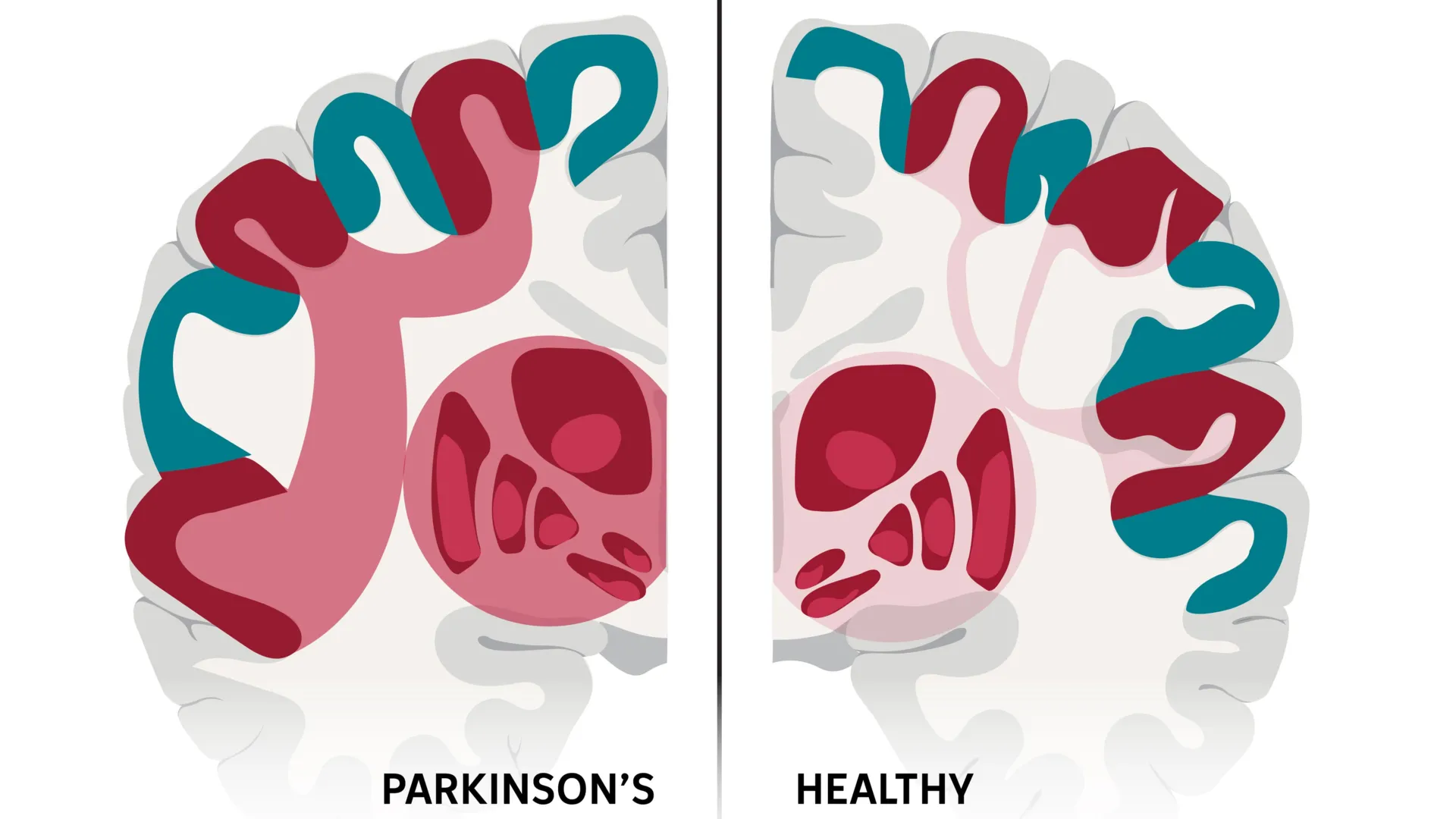
    Researchers say they have identified a specific brain network that may sit at the core of Parkinson’s disease, potentially reshaping how the condition is understood and treated. The findings focus on the somato-cognitive action network, or SCAN, which links planning and thinking with physical movement.

    Parkinson’s is a progressive neurological disorder affecting more than 10 million people worldwide, commonly causing tremor, stiffness, slowed movement, sleep disruption and cognitive changes. Standard therapies such as levodopa can ease symptoms for years, while deep brain stimulation can help selected patients, but neither stops disease progression.

    A network view of Parkinson’s

    The international team, led by China’s Changping Laboratory with collaborators including Washington University School of Medicine in St. Louis, analyzed brain imaging data from more than 800 participants across several centers. The dataset included people with Parkinson’s receiving different treatments, along with healthy volunteers and people with other movement disorders for comparison.

    The researchers report that Parkinson’s is marked by unusually strong connectivity between SCAN and deeper brain structures in the subcortex. Across multiple therapies examined, the study found that treatments tended to work better when they reduced this excessive coupling rather than simply stimulating nearby regions.

    Non-invasive stimulation shows early promise

    Building on that signal, the team tested a personalized, high-precision approach using transcranial magnetic stimulation, a non-invasive technique that delivers magnetic pulses through the scalp. In a small trial, 18 patients who received SCAN-targeted stimulation showed a higher response rate after two weeks than 18 patients who received stimulation near, but not on, the SCAN target.

    In the SCAN-targeted group, 56% met the study’s response threshold, compared with 22% in the comparison group, a roughly 2.5-fold difference. The work suggests that matching stimulation more precisely to an individual’s SCAN anatomy could improve outcomes, though larger and longer studies are needed.

    What comes next for SCAN targeting?

    The authors caution that the study does not prove SCAN changes cause Parkinson’s, and the non-invasive results are early-stage. They also note that more basic research is needed to map how different SCAN subregions relate to specific symptoms such as gait, tremor, mood and cognition.

    Even so, the findings add momentum to efforts to move neuromodulation earlier in the disease course, when symptoms are still developing and disability is lower. The researchers say future trials will explore additional non-invasive approaches, including surface electrode stimulation and low-intensity focused ultrasound, to influence SCAN activity more precisely.

    The study was published in Nature on Feb. 4 and was supported by funding from U.S. National Institutes of Health programs and major Chinese research grants. The authors also disclosed multiple industry relationships and patent interests related to neuromodulation and targeting tools, which were reported as managed under institutional conflict-of-interest policies.

  • Late-life depression could precede Parkinson’s or Lewy body dementia, Danish study suggests

    Late-life depression could precede Parkinson’s or Lewy body dementia, Danish study suggests

    While there is currently no cure for Parkinson’s disease or Lewy body dementia, addressing depression early could improve quality of life and overall care for patients as these diseases develop.

    study published in General Psychiatry provides the most detailed longitudinal evidence to date, demonstrating that depression frequently precedes the diagnosis of PD and LBD and remains elevated for several years thereafter.


    Drawing on comprehensive Danish national health registers, the researchers conducted a retrospective case–control study including 17,711 individuals diagnosed with PD or LBD between 2007 and 2019. Researchers compared these patients with people of similar age and sex who were diagnosed with other long-term conditions, including rheumatoid arthritis, chronic kidney disease, and osteoporosis.


    The results showed a clear pattern: depression occurred more often and earlier in people who went on to develop Parkinson’s disease or Lewy body dementia than in those with other chronic illnesses. In the years leading up to diagnosis, the risk of depression rose steadily, peaking in the three years before diagnosis. Even after diagnosis, patients with Parkinson’s disease or Lewy body dementia continued to experience higher rates of depression than the comparison groups.


    Importantly, this pattern could not be fully explained by the emotional burden of living with a chronic illness. Other long-term diseases that also involve disability did not show the same strong increase in depression risk. This suggests that depression may be linked to early neurodegenerative changes in the brain, rather than being only a psychological reaction to declining health.


    The findings were especially striking for Lewy body dementia, where rates of depression were even higher than in Parkinson’s disease, both before and after diagnosis. Researchers note that differences in disease progression and brain chemistry may help explain this trend.


    “Following a diagnosis of PD or LBD, the persistent higher incidence of depression highlights the need for heightened clinical awareness and systematic screening for depressive symptoms in these patients.” first author Christopher Rohde noted “Thus, our main conclusion—that PD/LBD are associated with a marked excess depression risk preceding and following diagnosis when compared with other chronic conditions—remains valid.”


    The authors emphasize that this does not mean everyone with depression will develop Parkinson’s disease or dementia. Instead, they recommend greater awareness and closer monitoring when depression appears for the first time in older adults.


    While there is currently no cure for Parkinson’s disease or Lewy body dementia, addressing depression early could improve quality of life and overall care for patients as these diseases develop.

  • Microplastics and the brain: Researchers map possible links to Alzheimer’s and Parkinson’s

    Microplastics and the brain: Researchers map possible links to Alzheimer’s and Parkinson’s

    Microplastics, the tiny plastic fragments found in food, water and household dust, are under growing scrutiny as researchers examine how they may affect the brain. A new scientific review pulls together evidence suggesting these particles could contribute to processes seen in Alzheimer’s and Parkinson’s disease.

    Dementia affects more than 57 million people globally, and experts expect the burden of neurodegenerative disease to rise as populations age. That backdrop is sharpening interest in whether environmental exposures such as microplastics may worsen inflammation or accelerate neurological decline.

    Five mechanisms under scientific review

    The review, published in Molecular and Cellular Biochemistry by an international team including the University of Technology Sydney and Auburn University, outlines several biological routes of potential harm. It focuses on immune activation, oxidative stress, disruption of the blood-brain barrier, mitochondrial dysfunction and direct neuronal injury.

    Researchers argue that if microplastics weaken the blood-brain barrier, the brain may become more vulnerable to inflammatory molecules and immune responses that can damage delicate tissue. In parallel, they describe how oxidative stress could rise if reactive oxygen species increase while antioxidant defenses are depleted.

    Energy disruption and protein buildup concerns

    Another concern highlighted in the paper is mitochondrial interference, which could reduce cellular energy production and strain neurons that rely heavily on steady ATP supply. Over time, energy shortfalls may impair brain function and make nerve cells more susceptible to damage.

    The authors also discuss disease-specific hypotheses, including whether microplastics might promote protein changes associated with Alzheimer’s, such as beta-amyloid and tau accumulation. For Parkinson’s, they note a possible role in α-synuclein aggregation and stress on dopamine-producing neurons.

    What the evidence can and cannot show

    While the review raises plausible pathways, the researchers stress that confirming a direct causal link in humans will require further studies, including exposure measurement and long-term clinical follow-up. Much of the current understanding comes from laboratory and animal research, along with emerging evidence that microplastics can accumulate in organs.

    Even with uncertainties, scientists say practical exposure reduction may be reasonable while research catches up, particularly in everyday food and household contexts. The authors point to reducing reliance on plastic food containers and packaging, limiting plastic-related dust and fibers, and supporting policies that curb plastic pollution at its source.

    Ongoing work at the involved institutions is expected to further test how ingested or inhaled microplastics interact with cells and barriers in the body. Public health experts say clearer answers will depend on standardizing how microplastics are measured and comparing real-world doses across populations.

  • Parkinson’s trial tests dopamine stem cell implants at USC, offering a closer look at brain repair

    Parkinson’s trial tests dopamine stem cell implants at USC, offering a closer look at brain repair

    Doctors at Keck Medicine of USC have begun implanting dopamine-producing stem cells into the brains of people with Parkinson’s disease, as part of an early-stage clinical trial designed to assess safety and feasibility. The approach aims to replace nerve cells lost to the disorder and restore dopamine production at its source.

    Parkinson’s is a progressive neurological condition best known for tremor, stiffness and slowed movement, but it can also affect sleep, mood and cognition. In the United States, more than 1 000 000 people are living with Parkinson’s, and roughly 90 000 new cases are diagnosed each year, according to public health estimates.

    Why dopamine loss matters

    The disease is closely tied to the gradual death of dopamine-producing neurons, which disrupts signals that help coordinate movement. Standard treatments, including levodopa and other medications, can reduce symptoms, but they do not reliably stop the underlying neurodegeneration.

    The new strategy attempts to address that core deficit by placing replacement cells directly into brain circuits involved in motor control. Researchers say that if transplanted cells survive and produce dopamine in a regulated way, patients could see more stable symptom control than medication alone can provide.

    How the stem cell procedure works

    The trial uses induced pluripotent stem cells, or iPSCs, which are created by reprogramming adult cells back into a flexible state that can be guided to become specific cell types. In this study, the cells are engineered to mature into dopamine-producing neurons intended to integrate into the brain.

    During surgery, clinicians create a small opening in the skull and use imaging guidance to deliver the cells into the basal ganglia, a region central to movement regulation. Participants are monitored closely after implantation for complications such as infection and abnormal involuntary movements, known as dyskinesia.

    What researchers will watch next

    The multi-site U.S. study plans to enroll 12 people with moderate to moderate-severe Parkinson’s disease, with follow-up in the first 12 to 15 months focused heavily on safety signals. Researchers also plan longer observation, up to five years, to evaluate durability and potential longer-term risks.

    The investigational therapy, called RNDP-001, is produced by Kenai Therapeutics, and the FDA has granted the study fast-track designation, a process meant to speed development for serious conditions with unmet need. Even with that designation, researchers caution that larger trials would be required to determine whether the implants provide consistent, meaningful clinical benefit.

    Stem cell and cell-replacement approaches are an active area of Parkinson’s research worldwide, reflecting a broader push to move beyond symptom relief toward disease-modifying strategies. For now, the USC-led effort adds closely watched clinical data on whether implanted dopamine neurons can be delivered safely and function as intended in patients.