Tag: UK Biobank

  • Cambridge study links menopause to grey matter decline, raising new questions about HRT and brain health

    Cambridge study links menopause to grey matter decline, raising new questions about HRT and brain health

    Menopause may be associated with measurable changes in brain structure, alongside higher rates of anxiety, depression and sleep disruption, according to new research led by the University of Cambridge using UK Biobank data.

    In a large sample of women, researchers reported lower grey matter volume in several brain regions after menopause, patterns that were broadly similar whether or not participants had used hormone replacement therapy, commonly known as HRT.

    What the researchers analyzed

    The team examined questionnaire, health and cognitive testing data from nearly 125 000 women in the UK Biobank, a long-running project that links health records with detailed participant assessments.

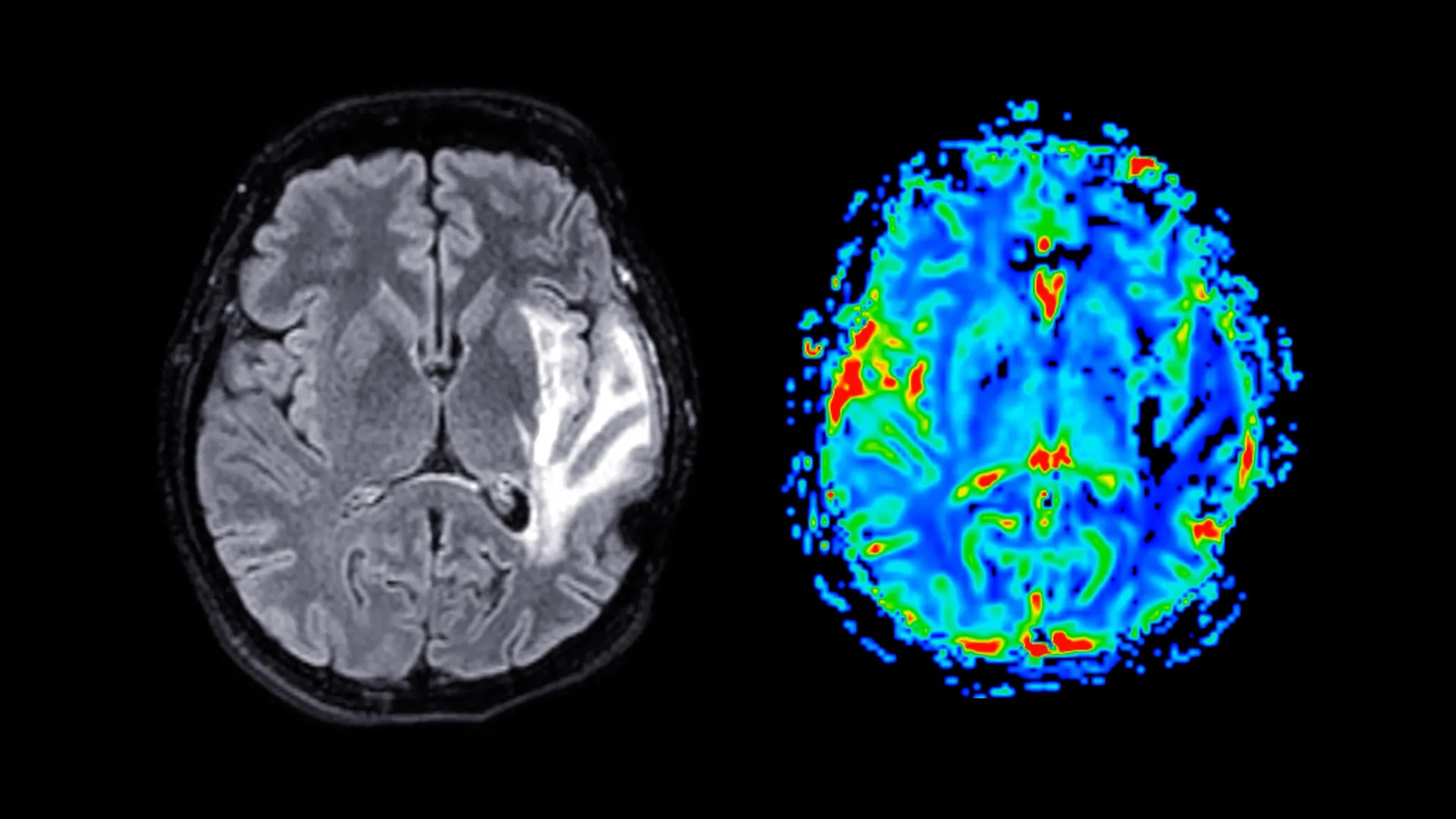
    They also reviewed brain MRI scans from around 11 000 women, allowing comparisons between those who were pre-menopause, post-menopause without HRT use, and post-menopause with HRT use.

    Mental health and sleep symptoms

    Across the dataset, women who had gone through menopause were more likely to report seeking medical help for anxiety, nervousness or depression, and they were more likely to report persistent sleep problems such as insomnia and fatigue.

    Women who used HRT showed higher levels of anxiety and depression than non-users, but the analysis suggested these differences often existed before menopause, indicating HRT may have been prescribed to people already experiencing symptoms.

    Brain regions tied to memory and emotion

    Imaging results showed reduced grey matter volume after menopause in areas involved in memory and emotional regulation, including the hippocampus, entorhinal cortex and anterior cingulate cortex.

    Because some of these regions are also affected early in Alzheimer’s disease, the findings add to ongoing research into why women are diagnosed with dementia more often than men, though the study does not prove menopause causes dementia.

    On cognitive testing, memory scores were broadly similar across groups, but reaction time tended to be slower after menopause, with evidence that HRT use was associated with a smaller decline in reaction speed.

    The authors emphasized that menopause can be a major health transition and argued for greater attention to mental health support, sleep and lifestyle measures such as exercise and diet, alongside individualized medical advice about HRT.

    The study was published in Psychological Medicine, and the researchers noted that further work is needed to clarify how hormone changes, symptom severity, HRT timing and other health factors interact with brain ageing.

  • Study suggests recessive disease carriers face subtle Darwinian selection, challenging genetics textbooks

    New population-scale research suggests that people who carry single harmful variants in recessive disease genes are not always fully unaffected, as many genetics textbooks imply. Using health and reproductive data, the study finds small but measurable disadvantages that could shape how these variants persist over generations.

    Researchers analyzed genetic and life-outcome information from more than 300 000 participants in the UK Biobank, a major long-running resource for biomedical research. They focused on 1 900 genes linked to recessive disorders, where disease typically appears only when both gene copies are affected.

    On average, individuals carried about two potentially damaging variants across these recessive genes, the authors reported. As a group, carriers showed a slightly higher burden of medical diagnoses and a modest reduction in reproductive success, suggesting lower odds of passing these variants on.

    Signals strongest for disability genes

    The pattern was most pronounced for genes associated with intellectual disability, where carrier variants appeared less common than expected. The researchers also observed that carriers of these variants tended to spend fewer years in education, a signal consistent with subtle effects even in people who do not meet clinical thresholds.

    The findings build on earlier work showing many cases of intellectual disability arise from de novo mutations that occur spontaneously in a child rather than being inherited. Because each child typically acquires around 100 new mutations across the genome, rare but consequential changes can still emerge even if selection slowly reduces inherited risk variants.

    Evolution may still be at work

    The authors argue that these small carrier disadvantages are consistent with ongoing Darwinian selection in modern populations, operating through health and reproduction rather than survival alone. They also point to the possibility that social factors, including mate choice, could contribute, echoing Darwin’s later emphasis on sexual selection.

    Experts caution that the reported effects are modest and observed at the group level, meaning they may not predict outcomes for any single person. Still, the results may influence how genetic counseling, population genetics, and the long-term dynamics of disease variants are taught and studied.