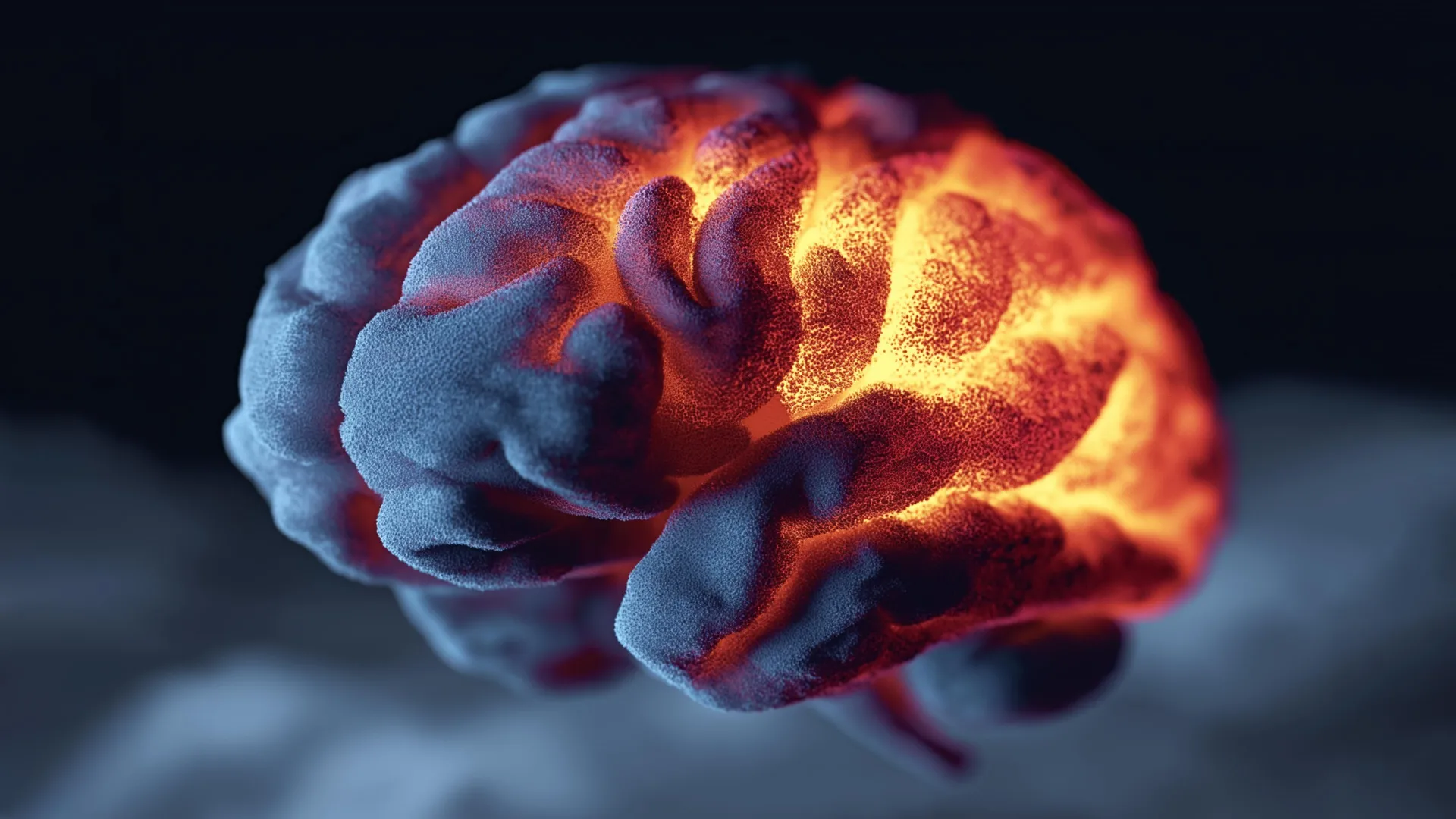
Harvard Medical School researchers have outlined a new molecular pathway that may help explain why certain gut bacteria are repeatedly associated with major depressive disorder. The work centers on Morganella morganii and an immune reaction that could connect gut chemistry to brain health.
In the study, scientists found that an environmental contaminant called diethanolamine, or DEA, can be incorporated into a lipid-like molecule produced by M. morganii in the gut. That altered molecule appears to behave differently than the standard version, shifting from relatively inert to immune-activating.
A chemical swap with immune effects
Laboratory tests showed the modified bacterial molecule can stimulate inflammatory signaling, including elevated release of cytokines such as interleukin-6, or IL-6. IL-6 has been widely studied as part of the broader link between inflammation and depressive symptoms in some patients.
The authors argue this provides a clearer mechanism than earlier correlation-based microbiome findings, though it does not prove the pathway causes depression in humans. They say additional clinical work is needed to determine how often this chemistry occurs in real-world conditions and who may be most affected.
Why inflammation matters in depression
Inflammation has long been investigated as one contributor to depression, with evidence suggesting a subset of cases may involve immune dysregulation. The new results fit into that view by describing how a bacterial product, altered by exposure to a common industrial chemical, might intensify inflammatory signaling.
The team also notes that M. morganii has been associated in prior research with inflammatory conditions beyond depression, including metabolic and gastrointestinal diseases. That pattern, they say, supports the idea that the bacterium’s metabolites can interact with the immune system in clinically meaningful ways.
Potential paths for diagnosis and treatment
The researchers suggest DEA-related chemistry could eventually help identify biological subtypes of depression, potentially using exposure markers or microbial metabolites as part of a diagnostic approach. Any such use would require validation in human cohorts and careful separation of correlation from causation.
More broadly, the findings add momentum to efforts exploring treatments that target inflammation for selected patients, alongside established psychological and pharmacological therapies. The authors describe their work as a framework for scanning other gut microbes for similar pollutant-driven metabolic changes.
The study was published in the Journal of the American Chemical Society and combined expertise in bacterial small-molecule chemistry and microbiome-immunity interactions. Researchers involved also highlighted the role of cross-disciplinary microbiome research in moving from broad associations toward specific, testable mechanisms.
Leave a Reply