Researchers have identified previously overlooked synapse hotspots that form during adolescence, suggesting the teenage brain may actively build dense new connections alongside the well-known process of synaptic pruning. The findings, reported by Kyushu University scientists in Science Advances, add nuance to how neural circuits mature during a critical developmental window.
Synapses are the communication points between neurons, and for decades a common model held that synapse numbers rise in childhood and then drop in adolescence as weaker links are removed. That pruning-focused framework has influenced theories of neuropsychiatric disorders, including the idea that excessive synapse loss could contribute to schizophrenia.
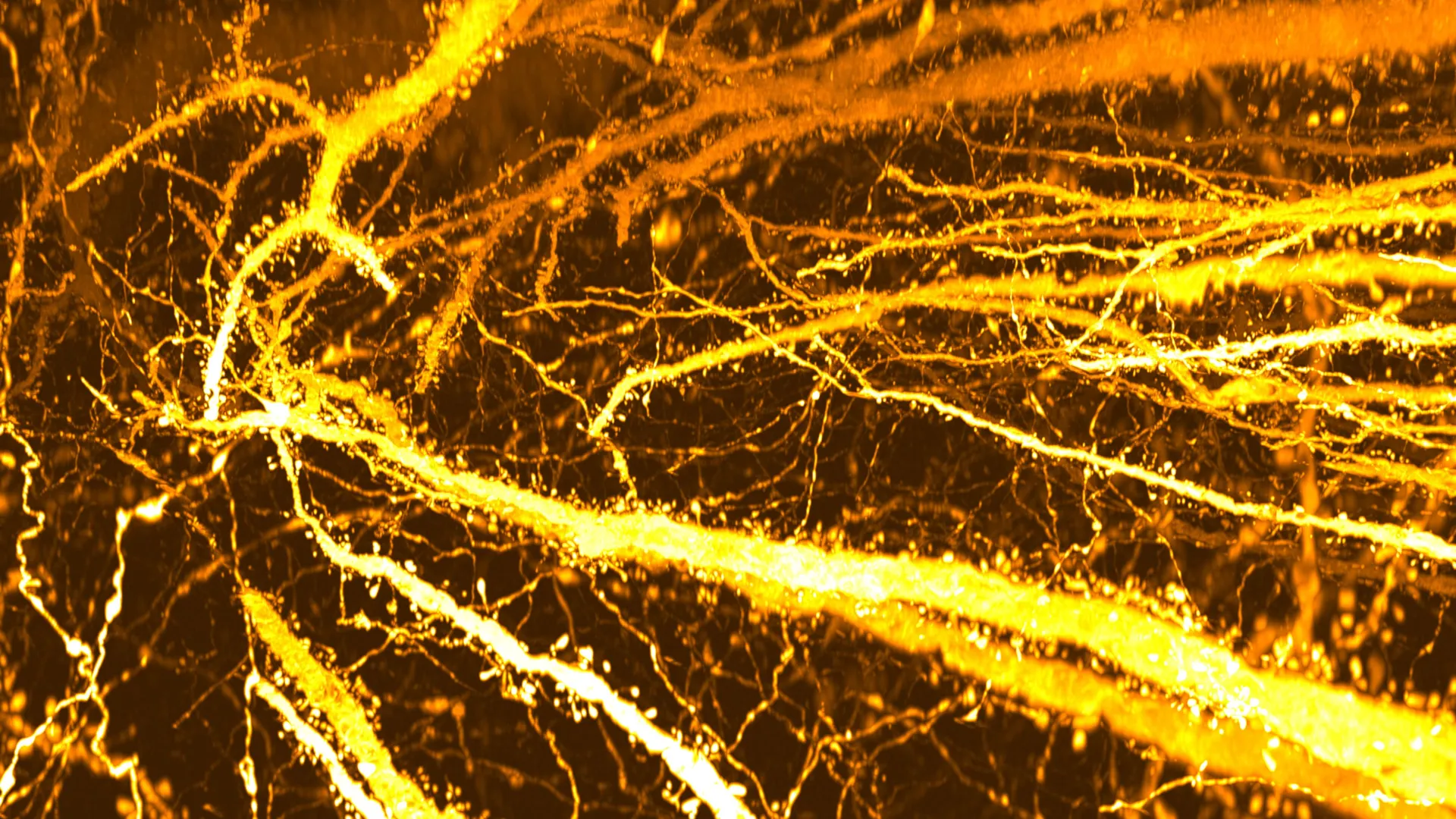
The new work points to a more complex picture: localized bursts of synapse formation in specific parts of neurons. Using a tissue-clearing technique and super-resolution imaging, the team mapped dendritic spines across entire Layer 5 cortical neurons, which play a major role in integrating signals and producing cortical output.
In young mice before weaning, dendritic spines were distributed more evenly along neurons. Between about three and eight weeks of age, the researchers observed a sharp rise in spine density in a single section of the apical dendrite, culminating in a tightly packed hotspot that was not present earlier.
The authors argue this pattern means adolescent development is not defined solely by pruning, but also by targeted construction of new synaptic clusters. They also report that in mice carrying mutations in genes linked to schizophrenia risk, the hotspot did not develop normally because synapse formation during adolescence was reduced.
While the results rely on mouse models and do not confirm the same mechanism in humans, they sharpen questions about which circuits are built during adolescence and how disruptions might alter brain function. The researchers say the next step is to identify the brain regions and inputs driving these newly formed connections during the adolescent period.
Leave a Reply