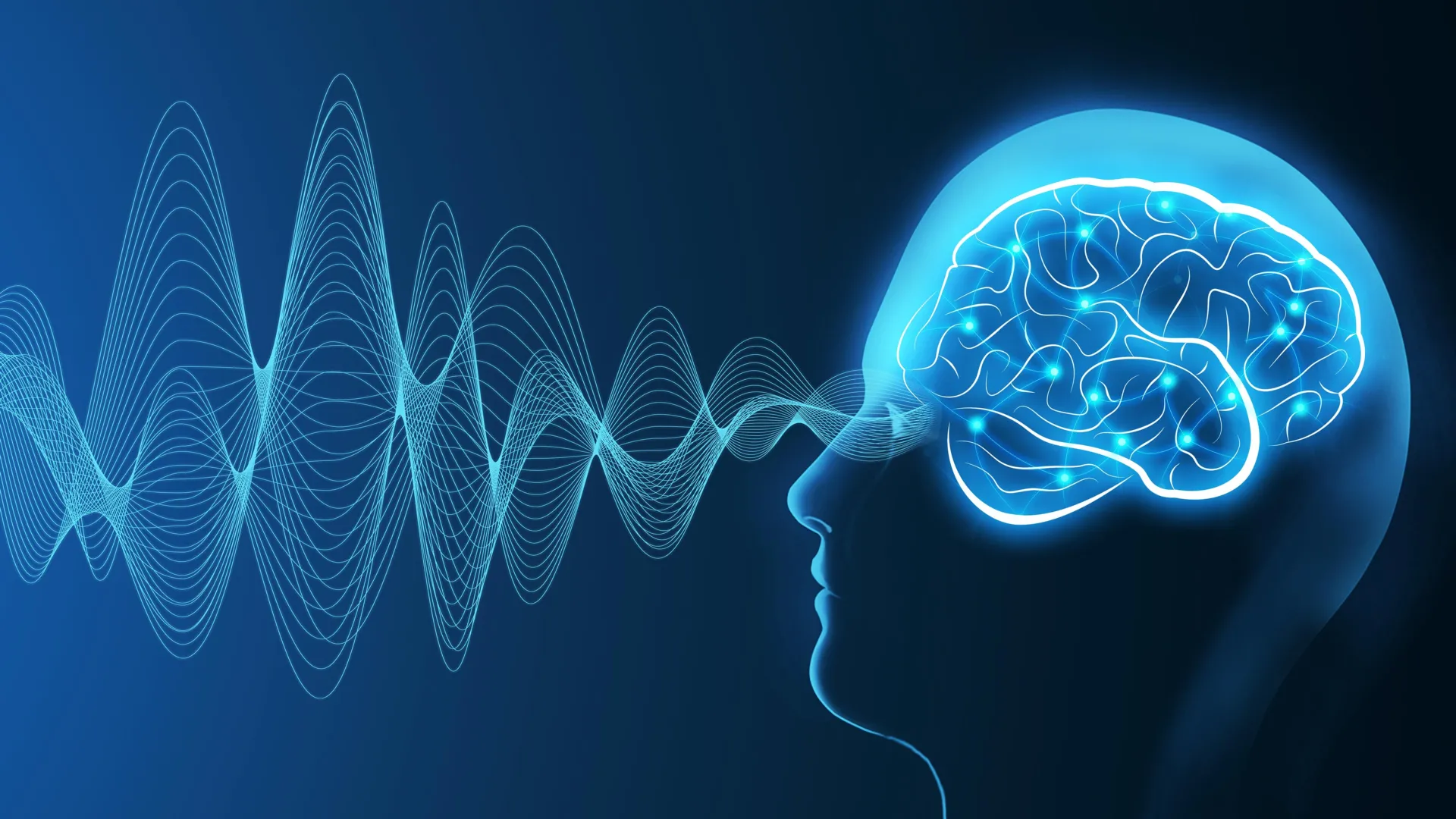
Researchers are moving closer to a noninvasive way to help people with spinal cord injuries regain movement by decoding brain waves linked to intended actions. The approach centers on electroencephalography, or EEG, which records electrical activity from the scalp.
In many spinal cord injuries, the brain can still generate normal movement commands, but damaged pathways prevent those signals from reaching muscles. That gap has driven efforts to build new routes for communication rather than repairing the spinal cord itself.
A bid to avoid brain surgery
A study published in APL Bioengineering by scientists in Italy and Switzerland examined whether EEG can reliably capture signals produced when patients attempt to move paralyzed limbs. The long-term goal is to translate those signals into commands that could drive assistive devices or stimulation therapies.
Much of the earlier progress in brain-computer interfaces has relied on implanted electrodes that record activity directly from the brain. While implants can provide clearer signals, they also bring surgical risk and ongoing concerns such as infection and device complications.
Why legs are harder to decode
EEG is safer and easier to repeat, but it faces a fundamental limitation: signals recorded at the scalp are weaker and less precise than those captured inside the skull. This makes it difficult to pinpoint activity from deeper brain regions involved in movement control.
The researchers noted that decoding attempts to move the legs can be especially challenging, because lower-limb control is represented more centrally in the brain. By contrast, signals for hand and arm movements are often easier to separate with surface recordings.
Machine learning shows early promise
To interpret the EEG patterns, the team used machine learning designed to work with small, complex datasets typical of clinical research. Patients wore an EEG cap and were asked to attempt simple movements while the system learned patterns associated with effort versus rest.
The method could distinguish when a participant was trying to move versus staying still, but it struggled to reliably differentiate among specific movement types. The next step is improving classification so intended actions like standing or walking can be identified more consistently.
Researchers say success would likely depend on better algorithms, improved EEG hardware, and careful integration with downstream technologies such as stimulators or external assistive systems. For patients, the appeal is clear: a potential route toward meaningful function without placing electrodes in the brain.
Leave a Reply