Category: Relationships

  • Evolutionary anthropologists warn modern life is outpacing human biology, fueling chronic stress and fertility declines

    Evolutionary anthropologists warn modern life is outpacing human biology, fueling chronic stress and fertility declines

    Evolutionary anthropologists Colin Shaw of the University of Zurich and Daniel Longman of Loughborough University argue that human biology is struggling to keep up with the speed of industrial and urban change. In a recent analysis, they describe a growing mismatch between the bodies shaped by evolution and the environments many people now inhabit.

    For most of human history, daily life involved frequent movement, natural light cycles and intermittent threats that triggered short, intense stress responses. The researchers say modern living has shifted those conditions within just a few centuries, adding prolonged sedentary time and near-constant stimulation.

    Why stress no longer turns off

    Shaw and Longman point to the stress response as a key example of this mismatch. They argue that the same biological systems once used to survive predators now activate in response to traffic, workplace pressure, social media and persistent urban noise.

    Unlike an acute threat that ends quickly, many modern stressors linger or recur throughout the day. Longman suggests that repeated activation without adequate recovery can keep the nervous system on high alert, which may contribute to long-term wear on multiple body systems.

    Health and fertility trends under scrutiny

    The analysis links the modern environment to concerns such as rising inflammatory and autoimmune conditions, alongside global fertility declines. The authors frame these patterns as potential signs that industrial exposures and lifestyles can undermine both wellbeing and reproduction.

    They also highlight research documenting declines in sperm count and sperm motility since the mid-20th century. Shaw notes that scientists have investigated potential connections with chemical exposures, including pesticides and herbicides, as well as emerging concerns about microplastics.

    What solutions could look like

    Because genetic adaptation typically unfolds over many generations, the researchers argue the mismatch is unlikely to resolve through evolution on any near-term timeline. Instead, they suggest the focus should be on redesigning environments to better fit human physiology.

    That could include treating access to nature as a public health priority and adjusting city design to reduce harmful exposures such as noise, air pollution and disruptive light at night. The authors say evidence on which stimuli most affect blood pressure, heart rate and immune function could help guide policy and planning.

  • Study suggests a part of the human auditory cortex is uniquely tuned to chimpanzee calls

    Study suggests a part of the human auditory cortex is uniquely tuned to chimpanzee calls

    The human brain is not limited to recognizing our own voices. Research from the University of Geneva (UNIGE) has revealed that specific parts of the auditory cortex react strongly to chimpanzee vocalizations. Chimpanzees are our closest relatives both genetically and in the types of sounds they produce. The study, which appears in the journal eLife, indicates that certain subregions of the brain may be especially tuned to the calls of particular primate species. This insight offers a new way to explore how voice recognition emerged and how it may relate to the development of language.

    Human voices play a central role in social communication, and a significant portion of the auditory cortex is devoted to interpreting them. Researchers wanted to know whether these abilities have deeper evolutionary origins. To investigate this question, scientists from UNIGE’s Faculty of Psychology and Educational Sciences used a comparative approach grounded in species evolution. By examining how the human brain processes the vocalizations of closely related species, such as chimpanzees, bonobos and macaques, they aimed to identify traits shared with other primates. This approach helps shed light on how the neural foundations of vocal communication began to emerge long before language existed.

    Studying How the Brain Responds to Primate Calls

    In the experiment, 23 human volunteers listened to vocal sounds from four species. Human voices served as the control group. Chimpanzee calls were included because these primates are closely related to us both genetically and acoustically. Bonobo vocalizations were also tested, even though they often sound more like birdsong. Macaque calls were added because these primates are more distantly related to humans both evolutionarily and acoustically. Researchers used functional magnetic resonance imaging (fMRI) to examine activity across the auditory cortex. “Our intention was to verify whether a subregion sensitive specifically to primate vocalizations existed,” explains Leonardo Ceravolo, research associate at UNIGE’s Faculty of Psychology and Educational Sciences and first author of the study.

    A Distinct Neural Response to Chimpanzee Vocalizations

    The results confirmed their expectations. A part of the auditory cortex known as the superior temporal gyrus, which plays a key role in processing sounds related to language, music and emotional cues, showed increased activation when participants heard certain primate calls. “When participants heard chimpanzee vocalizations, this response was clearly distinct from that triggered by bonobos or macaques.”

    This pattern is particularly striking because bonobos are just as genetically close to humans as chimpanzees, yet their vocalizations differ greatly in acoustic structure. The findings suggest that both evolutionary closeness and similarity in sound features influence how the human brain reacts.

    What the Findings Suggest About Language Evolution

    This discovery offers new directions for understanding how the neural basis of communication evolved. It indicates that some parts of the human brain may have preserved a sensitivity to the calls of our closest primate relatives. “We already knew that certain areas of the animal brain reacted specifically to the voices of their fellow creatures. But here, we show that a region of the adult human brain, the anterior superior temporal gyrus, is also sensitive to non-human vocalizations,” notes Leonardo Ceravolo.

    These results support the idea that humans and great apes share vocal processing abilities that existed before spoken language emerged. They may also help explain how voice recognition develops in early life. For instance, this line of research could clarify how babies begin recognizing familiar voices while still in utero.

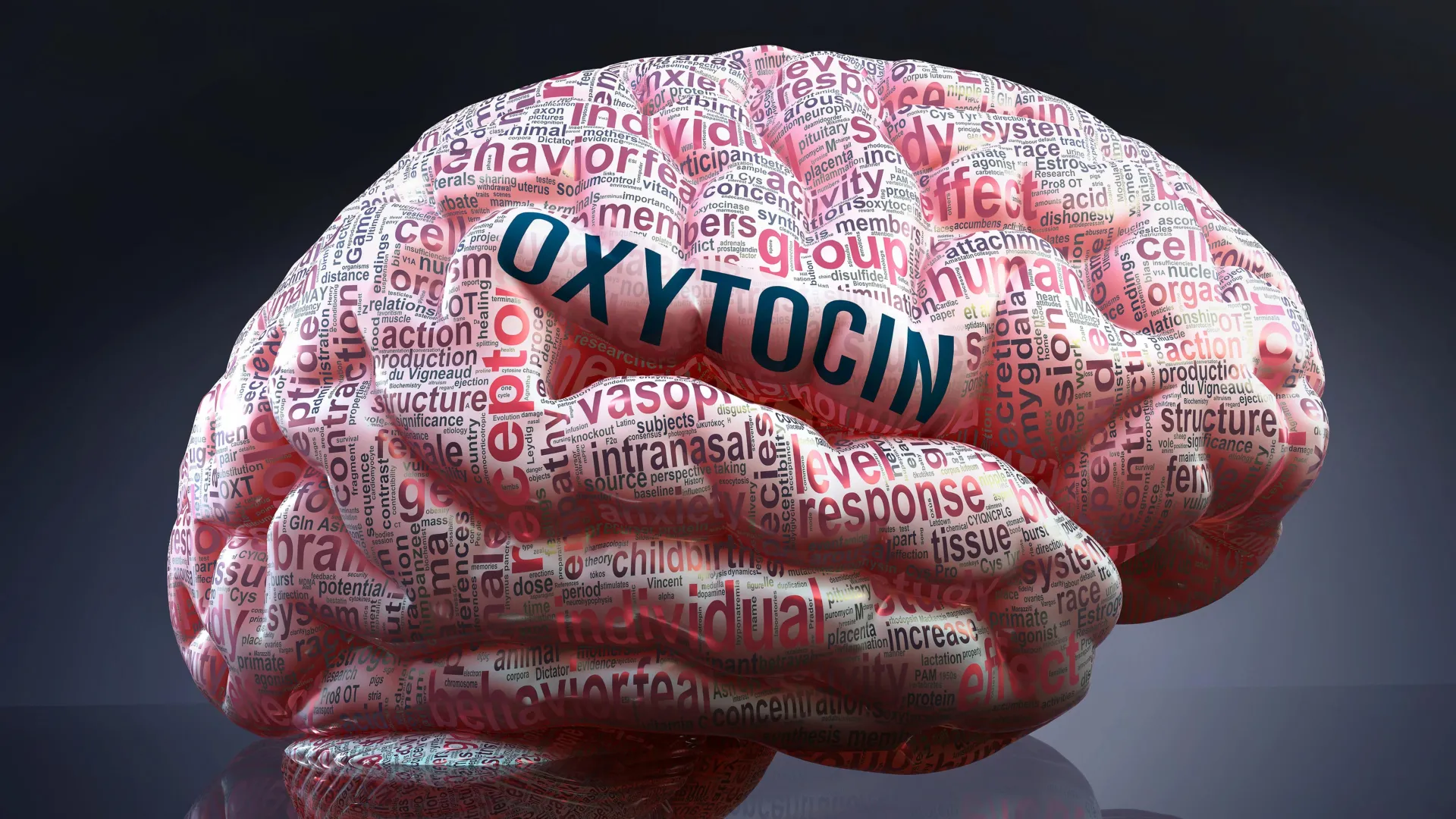
  • UC Berkeley study points to oxytocin as the fast track to friendship, and why some bonds take longer to form

    UC Berkeley study points to oxytocin as the fast track to friendship, and why some bonds take longer to form

    New research from the University of California, Berkeley suggests the hormone oxytocin helps speed up the early stages of friendship formation, sharpening the sense of preferring a familiar peer over a stranger. The work, published in Current Biology, adds nuance to oxytocin’s popular image by focusing on how quickly and selectively social bonds take shape.

    Oxytocin is released during a range of social and bodily experiences, including touch, sex, childbirth and breastfeeding, and it acts in the brain as a neuromodulator. While it is often linked with closeness and trust, scientists have also associated oxytocin signaling with social defensiveness, including stronger in-group and out-group behavior.

    The team studied prairie voles, a species widely used to examine social bonding because individuals form stable, selective relationships. Instead of focusing only on mating pairs, the researchers emphasized peer bonds that resemble human friendships, such as choosing to huddle and groom with one familiar partner rather than spending time with strangers.

    What changed without oxytocin receptors

    Using prairie voles engineered to lack oxytocin receptors, the researchers found the animals were slower to form a peer preference. In tests where typical voles show a strong preference after about 24 hours, the receptor-deficient animals often needed up to a week to reliably choose a familiar partner.

    The difference was not simply that the animals became less social overall. The findings point to reduced selectivity, meaning the altered animals were less consistent about who they sought out and were quicker to lose track of established partners when placed into new group settings.

    Friendship selectivity, not just sociability

    In a mixed-group, multi-room setup designed to mimic a party-like environment, typical voles spent early time near known companions before gradually mingling. Voles without oxytocin receptors mixed more freely from the start, behaving as if prior peer connections carried less weight.

    In another test measuring social motivation, female voles usually worked harder to access a familiar peer than a stranger. The receptor-deficient animals still showed motivation for a mate, but not for a friend, indicating that oxytocin signaling may matter more for the reward value of peer bonds than for mating bonds.

    A new look with oxytocin nanosensors

    To examine whether the brain compensated for missing receptors by releasing more oxytocin, researchers used an oxytocin nanosensor that fluoresces when it detects the molecule. Measurements indicated no excess oxytocin release and, instead, lower release from fewer sites in the nucleus accumbens, a region central to social reward.

    The results help explain why friendships formed more slowly and were less stable in challenging social conditions. Researchers say the work could inform future studies of psychiatric conditions where social bonding is disrupted, while underscoring that oxytocin’s role is complex and context-dependent.

    The study also fits into a growing body of vole research suggesting oxytocin is not strictly required for bonds to exist, but can strongly affect how efficiently they form. By separating friendship-like bonds from mating behavior, the authors argue that the biology of peer relationships deserves attention in its own right.

  • Study suggests strong social ties may slow biological aging, with epigenetic clocks offering new clues

    Study suggests strong social ties may slow biological aging, with epigenetic clocks offering new clues

    Building strong relationships throughout life — from loving parents in childhood to close friends, active communities, and faith involvement in adulthood — may actually slow how the body ages. Researchers suggest that these “social advantages” can influence biological aging markers known as epigenetic clocks, which track changes in DNA methylation. People who enjoy more supportive and connected lives often appear biologically younger than their chronological age.

    Long-Term Study Links Social Advantage to Youthful Biology

    The findings were published in the October issue of Brain, Behavior and Immunity — Health and draw on data from over 2,100 adults who participated in the long-running Midlife in the United States (MIDUS) study.

    Anthony Ong, a psychology professor at Cornell University, and his colleagues discovered that people with greater “cumulative social advantage” — a measure of lifelong social and emotional support — tended to show slower biological aging and reduced chronic inflammation.

    Measuring the Pace of Aging

    The study examined two leading measures of biological age, called GrimAge and DunedinPACE. Both are epigenetic clocks that scientists use to predict health risks and life expectancy. Participants with richer and more consistent social relationships displayed younger biological profiles on both measures.

    “Cumulative social advantage is really about the depth and breadth of your social connections over a lifetime,” Ong said. “We looked at four key areas: the warmth and support you received from your parents growing up, how connected you feel to your community and neighborhood, your involvement in religious or faith-based communities, and the ongoing emotional support from friends and family.”

    The Biology of Connection

    The researchers hypothesized that sustained social advantage becomes reflected in core regulatory systems linked to aging, including epigenetic, inflammatory and neuroendocrine pathways. Remarkably, they found that higher social advantage was linked to lower levels of interleukin-6, a pro-inflammatory molecule implicated in heart disease, diabetes and neurodegeneration. Interestingly, however, there were no significant associations with short-term stress markers like cortisol or catecholamines.

    Why Lifelong Relationships Matter

    Unlike many earlier studies that looked at social factors in isolation — whether a person is married, for example, or how many friends they have — this work conceptualized “cumulative social advantage” as a multidimensional construct. And by combining both early and later-life relational resources, the measure reflects the ways advantage clusters and compounds.

    “What’s striking is the cumulative effect — these social resources build on each other over time,” Ong said. “It’s not just about having friends today; it’s about how your social connections have grown and deepened throughout your life. That accumulation shapes your health trajectory in measurable ways.”

    Connection as a Form of Investment

    This doesn’t mean a single friendship or volunteer stint can turn back the biological clock. The authors suggest that the depth and consistency of social connection, built across decades and different spheres of life, matters profoundly. The study adds weight to the growing view that social life is not just a matter of happiness or stress relief but a core determinant of physiological health.

    “Think of social connections like a retirement account,” Ong said. “The earlier you start investing and the more consistently you contribute, the greater your returns. Our study shows those returns aren’t just emotional; they’re biological. People with richer, more sustained social connections literally age more slowly at the cellular level. Aging well means both staying healthy and staying connected — they’re inseparable.”

  • New MS remyelination drugs move closer to trials as K102 and K110 show promise in repairing nerve damage

    New MS remyelination drugs move closer to trials as K102 and K110 show promise in repairing nerve damage

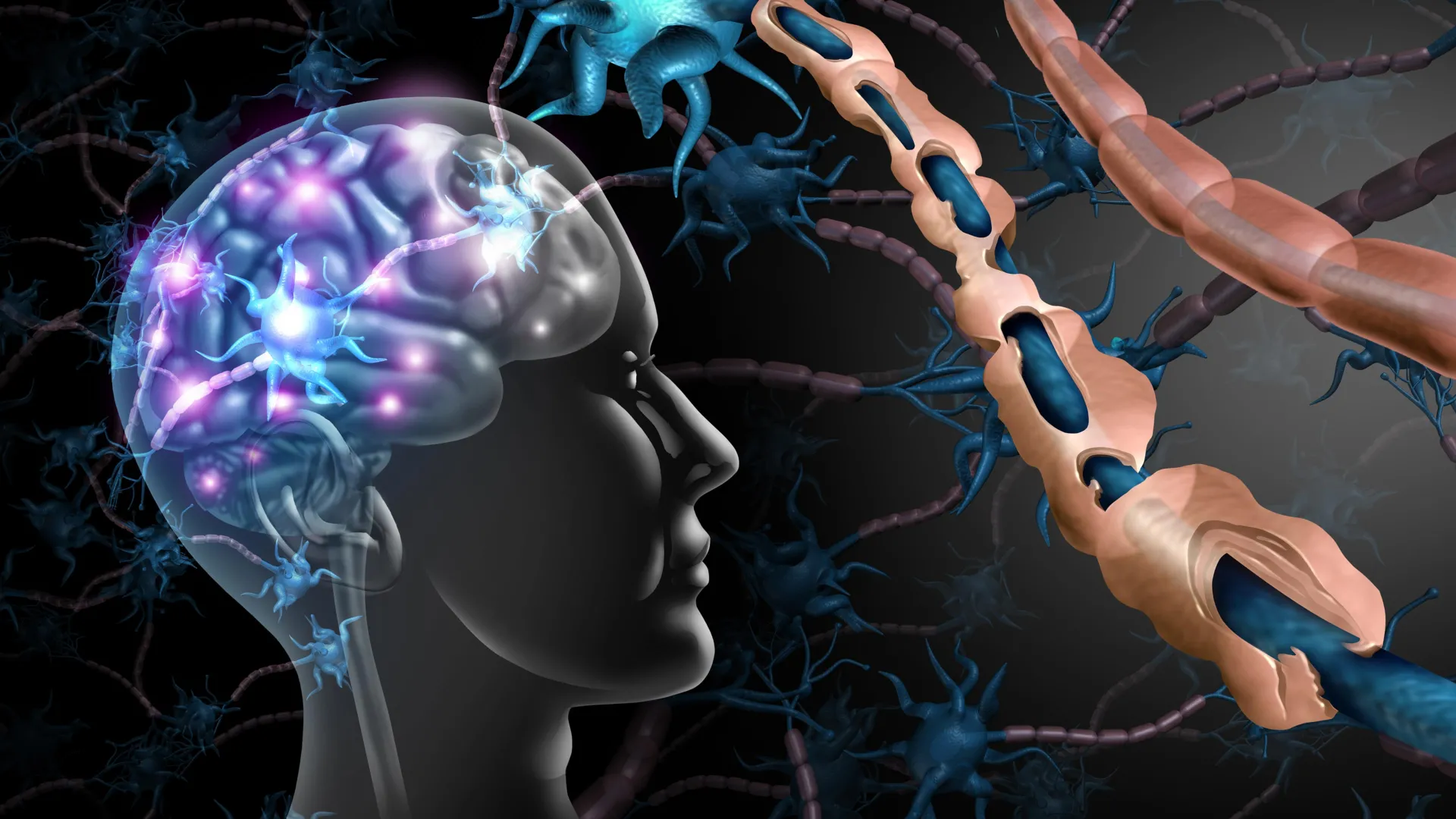
    Multiple sclerosis (MS) is a long-term autoimmune condition that affects over 2.9 million people around the world. In MS, the immune system mistakenly attacks the myelin sheath, a protective layer that insulates nerve fibers. This damage interrupts communication between the brain and body, leading to symptoms such as numbness, tingling, vision problems, and paralysis.

    Although existing treatments can help reduce inflammation, there are still no approved therapies that protect neurons or rebuild the damaged myelin sheath. Scientists have now made significant progress toward that goal with support from the National Multiple Sclerosis Society. Their work has led to the discovery of two compounds capable of promoting remyelination, the process of repairing the myelin coating on nerve fibers.

    The study, published in Scientific Reports, was led by Seema Tiwari-Woodruff, a professor of biomedical sciences at the University of California, Riverside, School of Medicine, and John Katzenellenbogen, a professor of chemistry at the University of Illinois Urbana-Champaign (UIUC). The research was funded through two National MS Society initiatives: a standard investigator-initiated grant and the organization’s Fast Forward program, which accelerates commercialization of promising research.

    “Our work represents more than a decade of collaboration, with the last four years focused on identifying and optimizing new drug candidates that show strong potential to treat MS and possibly other neurological diseases involving demyelination,” Tiwari-Woodruff said.

    With this support, the team launched a drug development program that has since been licensed by Cadenza Bio, Inc. Backed by investor funding, the company has continued advancing the research and is preparing for clinical testing of what could become a first-of-its-kind treatment for people with MS.

    From discovery to development

    This new work builds on earlier studies involving a compound called indazole chloride, which had shown promise in promoting myelin repair and regulating immune responses in mouse models of MS. However, indazole chloride lacked the chemical properties and patent potential required for clinical and commercial use, Tiwari-Woodruff explained.

    Working with UIUC chemists Katzenellenbogen and Sung Hoon Kim, who created new versions of the molecule, Tiwari-Woodruff’s group, led by recent UC Riverside graduate Micah Feri, screened more than 60 analogs of indazole chloride. From this effort, they identified two standout candidates, K102 and K110. Both showed better safety, efficacy, and drug-like characteristics in tests using mice and human cells.

    Among the two, K102 emerged as the leading candidate. It not only stimulated myelin repair but also helped regulate immune activity, a critical balance for MS therapies. The compound also performed well in human oligodendrocytes — cells responsible for producing myelin — derived from induced pluripotent stem cells, suggesting the results could translate effectively from animal studies to human disease.

    Normally, oligodendrocyte precursor cells develop into mature myelin-producing cells that repair nerve insulation. In MS, this repair process often breaks down, leading to lasting nerve damage. A compound like K102 that can restore myelin could help improve nerve signal transmission and potentially limit long-term disability.

    “K110 is also a strong candidate,” Tiwari-Woodruff said. “It has slightly different central nervous system effects and may be better suited for other conditions like spinal cord injury or traumatic brain injury, so we’re keeping it in the pipeline.”

    From bench to biotech

    Tiwari-Woodruff and Katzenellenbogen credit the National MS Society’s Fast Forward program as a turning point. Fast Forward accelerates the commercialization of promising therapies by promoting academic-industry partnerships. The highly competitive grant enabled Tiwari-Woodruff and Katzenellenbogen to generate sufficient data to license the rights to Cadenza Bio to develop K102 and K110. The patents are jointly held by UCR and UIUC, with an exclusive, worldwide licensing agreement in place between the universities and Cadenza Bio.

    “This project has been a good example of how long-standing academic collaborations can lead to real-world applications,” Katzenellenbogen said. “Our shared goal was always to take a promising idea and develop it into a therapy that could help people with MS. We’re finally getting close to that reality.”

    Initially, UCR’s Office of Technology Partnerships collaborated with UIUC to seek patent protection. Grace Yee, assistant director of technology commercialization at UCR, said the joint efforts of UCR, UIUC, and the National MS Society advocated for and promoted the technology to investors and industry for commercial development.

    “Our entrepreneurs-in-residence also helped advise the project, so the team was able to develop materials and messaging to highlight the project’s commercial value,” she said. “When investors expressed interest in the technology, UCR and UIUC helped them understand how the technology addresses an unmet need in treating MS. These efforts led to the licensing agreement with Cadenza Bio.”

    Elaine Hamm, chief operating officer at Cadenza Bio, said she and Carol Curtis, cofounder of Cadenza Bio, were impressed by the possibility of moving from slowing axon damage to repairing axon damage.

    “This is the future we want to build,” Hamm said. “It is why we licensed the technology, and why we are excited to move it forward to patients in need.”

    More than a decade in the making

    Tiwari-Woodruff and Katzenellenbogen have worked together for more than 12 years. Tiwari-Woodruff’s move from UCLA to UCR in 2014, she said, turned out to be a pivotal decision.

    “The support from UCR — from leadership to infrastructure — has been extraordinary,” Tiwari-Woodruff said. “None of this would’ve been possible without that backing. Funding for academic labs like mine and John’s is crucial. This is selfless work, driven by a deep love of science and commitment to human health.”

    Though the initial focus is MS, the team believes K102 and K110 could eventually be applied to other diseases involving neuronal damage, including stroke and neurodegeneration.

    Cadenza Bio is now advancing K102 through the necessary non-clinical studies required to support first-in-human clinical trials.

    “We’re hopeful that clinical trials can begin soon,” said Tiwari-Woodruff. “It’s been a long journey — but this is what translational science is all about: turning discovery into real-world impact.”

    The research was also supported in part by grants from the National Institutes of Health and Cadenza Bio.

    Tiwari-Woodruff, Katzenellenbogen, Kim, and Feri were joined in the research by Flavio D. Cardenas, Alyssa M. Anderson, Brandon T. Poole, Devang Deshpande, Shane Desfor, Kelley C. Atkinson, Stephanie R. Peterson, Moyinoluwa T. Ajayi, Fernando Beltran, Julio Tapia, and Martin I. Garcia-Castro of UCR; Kendall W. Nettles and Jerome C. Nwachukwu of The Scripps Research Institute, Florida; and David E. Martin and Curtis of Cadenza Bio, Oklahoma.

  • Ancient Lead Exposure and a Key Gene: New Clues to Why Modern Humans Outpaced Neanderthals

    Ancient Lead Exposure and a Key Gene: New Clues to Why Modern Humans Outpaced Neanderthals

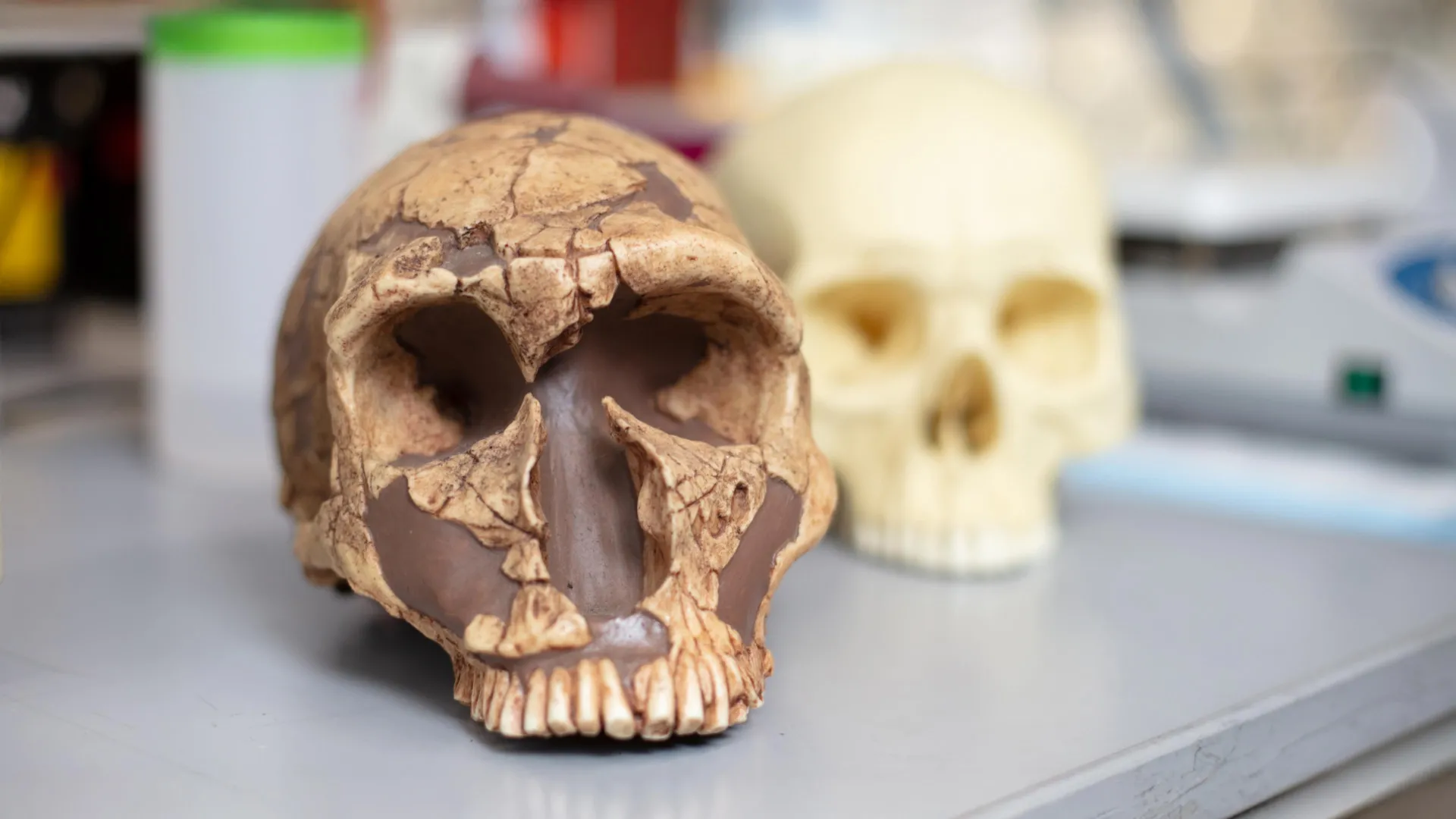
    What made the modern human brain so different from that of our extinct relatives, such as Neanderthals? Researchers at the University of California San Diego School of Medicine, along with an international team, have discovered that ancient hominids, including early humans and great apes, came into contact with lead far earlier than previously believed — up to two million years before modern humans began mining it. This long-term exposure may have influenced how early brains evolved, possibly hindering language and social development in all but modern humans, who possess a unique protective genetic variant. The findings were published in Science Advances on October 15, 2025.

    The team examined fossilized teeth from 51 hominids found across Africa, Asia, and Europe. The samples included both modern and archaic humans such as Neanderthals, early human ancestors like Australopithecus africanus, and extinct great apes including Gigantopithecus blacki.

    Lead traces were present in 73% of the fossils studied, with 71% of modern and archaic human samples showing contamination. Fossils of G. blacki dating back 1.8 million years revealed the highest levels of acute exposure.

    It was previously thought that humans began facing significant lead exposure only in recorded history, especially during the Roman era, when lead pipes were used for water systems, and later during the Industrial Revolution. Lead pollution declined only after the late twentieth century.

    “We stopped using lead in our daily lives when we realized how toxic it is, but nobody had ever studied lead in prehistory,” said corresponding author Alysson Muotri, Ph.D., professor of pediatrics and cellular & molecular medicine at UC San Diego School of Medicine, associate director of the Archealization Center, and director of the Sanford Integrated Space Stem Cell Orbital Research Center.

    To the researchers’ surprise, teeth from people born in the mid-twentieth century (the 1940s through the 1970s), when exposure to leaded gasoline and paint was widespread, showed similar lead patterns to ancient human fossils.

    The scientists suggest that ancient humans and their relatives might have encountered lead through their search for water, much like the Romans did later in history.

    “One possibility is that they were looking for caves with running water inside,” Muotri said. “Caves contain lead, so they were all contaminated. Based on the tooth enamel studies, it started very early in infancy.”

    Lead exposure disrupts brain growth and function, impairing intelligence and emotional regulation.

    Faced with this evidence, Muotri and his team began to question how modern humans managed to thrive despite such toxic conditions during their evolutionary past.

    A tiny genetic change

    A gene known as neuro-oncological ventral antigen 1 (NOVA1) plays a major role in brain formation and synaptic development. Acting as a key regulator of neurodevelopment, NOVA1 helps determine how neural progenitor cells react to lead exposure, and disturbances in its activity are linked to neurological disorders.

    Nearly all modern humans carry a version of the NOVA1 gene that differs by a single DNA base pair from the version found in Neanderthals. Earlier work from Muotri’s group showed that swapping the modern NOVA1 with the older variant in miniature brain models, called organoids, caused dramatic changes in brain structure and connectivity.

    “Everything about the organoids is identical except for that genetic variant, allowing us to ask whether that specific mutation between us and Neanderthals is giving us any advantage,” said Muotri. The archaic variant accelerated brain maturation but resulted in less complexity over time. “If all humans have this newer mutation in all corners of the world, very strong genetic pressure must have selected for it in our species.”

    To test whether lead exposure might have shaped this genetic shift, the researchers created brain organoids with both the modern and ancestral NOVA1 variants, exposing them to lead and monitoring the growth of cortical and thalamic neurons.

    They found that lead changed NOVA1 activity in both types of organoids, influencing genes linked to conditions such as autism and epilepsy.

    However, only the archaic NOVA1 variant altered the activity of FOXP2, a gene crucial for speech and language. People with certain FOXP2 mutations struggle to form complex words and sentences.

    “These type of neurons related to complex language are susceptible to death in the archaic version of NOVA1,” said Muotri. “ The FOXP2 gene is identical between us and the Neanderthals, but it’s how the gene is regulated by NOVA1 that likely contributes to language differences.”

    Evolutionary implications

    The findings suggest that the acquisition of the modern NOVA1 variant may have protected us from the detrimental effects of lead, promoting complex language development and social cohesion. This could have given modern humans a significant evolutionary advantage over Neanderthals, even in the presence of lead contamination.

    Muotri believes these results have important implications for understanding how environmental stressors shaped brain development during human evolution. He speculates that lead exposure may have contributed to the extinction of Neanderthals around 40,000 years ago.

    “Language is such an important advantage, it’s transformational, it is our superpower,” said Muotri. “Because we have language, we are able to organize society and exchange ideas, allowing us to coordinate large movements. There is no evidence that Neanderthals could do that. They might have had abstract thinking, but they could not translate that to each other. And maybe the reason is because they never had a system to communicate that was as efficient as our complex language.”

    Understanding how NOVA1 gene variants can affect FOXP2 expression helps elucidate the relationship between lead contamination and brain development and also sheds light on neurological conditions related to language, including speech apraxia — a condition that makes it difficult to produce speech sounds correctly — and autism.

    The study’s co-authors included Janaina Sena de Souza, Sandra M. Sanchez-Sanchez, Jose Oviedo, University of California San Diego; Marian Bailey and Matthew Tonge at Southern Cross University; Renaud Joannes-Boyau, Southern Cross University and University of Johannesburg; Justin W. Adams, University of Johannesburg and Monash University; Christine Austin, Manish Arora, Icahn School of Medicine at Mount Sinai, Kira Westaway, Macquarie University; Ian Moffat, Flinders University and University of Cambridge; Wei Wang and Wei Liao, Anthropology Museum of Guangxi; Yingqi Zhang, Institute of Vertebrate Paleontology and Paleoanthropology; Luca Fiorenza, Monash University and Johann Wolfgang Goethe University; Marie-Helene Moncel, Museum National d’Histoire Naturelle; Gary T. Schwartz, Arizona State University; Luiz Pedro Petroski and Roberto H. Herai, Pontifícia Universidade Católica do Paraná; Jose Oviedo, University of Arizona; and Bernardo Lemos, Harvard T. H. Chan School of Public Health.

    The study was funded, in part, by the National Institutes of Health (grants R01 ES027981, P30ES023515, R01ES026033), the Australian Research Council (grant DP170101597), the National Science Foundation (grant BCS 0962564), and the The Leakey Foundation.

    Disclosures: Muotri is the co-founder of and has an equity interest in TISMOO, a company specializing in genetic analysis and human brain organogenesis. The terms of this arrangement have been reviewed and approved by the University of California San Diego in accordance with its conflict-of-interest policies.


  • Penn State-linked study suggests perceived control can cut daily stress by driving faster problem-solving

    Penn State-linked study suggests perceived control can cut daily stress by driving faster problem-solving

    New research involving scientists affiliated with Penn State suggests that feeling more in control of everyday problems can make people more likely to resolve them, easing day-to-day stress. The findings add to evidence that small psychological shifts can influence how people respond to routine hassles.

    The study, published in Communications Psychology, analyzed daily reports from more than 1 700 adults participating in the National Study of Daily Experiences, a project linked to the broader MIDUS health survey. Participants logged stressors over eight consecutive days and noted whether each issue was resolved by day’s end.

    Control and stress resolution link

    Researchers found that on days when individuals reported greater perceived control over a stressor, they were substantially more likely to take action that led to resolution. Examples included addressing an interpersonal conflict, handling a home problem, or responding to work overload.

    The analysis indicated that perceived control varies from day to day rather than functioning as a fixed personality trait. That matters because it suggests control can potentially be strengthened through context, planning, or support, rather than being something people either have or lack.

    Why age may amplify effects

    The link between perceived control and resolving stressors appeared to strengthen with age across the two survey waves taken roughly a decade apart. Researchers reported that later in the study period, higher-than-usual perceived control was associated with an even greater likelihood of resolving the day’s stressor.

    Scientists cautioned that perceived control does not remove stressors, but it may help people respond in ways that prevent problems from lingering. The authors say the next step is to examine whether faster resolution could also reduce the health impact of chronic stress over longer periods.

  • How reward bias can make lies feel true, especially from friends

    How reward bias can make lies feel true, especially from friends

    New neuroscience research is adding detail to a familiar problem: people often struggle to spot dishonesty, particularly when the message sounds beneficial. The findings suggest that the promise of a gain can subtly weaken how carefully we evaluate whether information is true.

    The study, led by Yingjie Liu of North China University of Science and Technology, tested how people judge messages depending on who delivers them. Researchers focused on whether trust shifts when information comes from a friend versus a less familiar person.

    Inside the brain during deception

    Using brain imaging with 66 healthy adults, the team examined neural activity while participants exchanged information through computer screens. Messages were framed around outcomes described as gains or losses, allowing scientists to track how reward and risk contexts shape belief.

    Across the experiment, participants were more likely to accept false information in gain situations. Brain regions linked to reward processing, risk assessment and interpreting others’ intentions showed patterns consistent with relaxed scrutiny when a positive outcome seemed possible.

    Why friends can be persuasive

    Friendship added another layer: when a friend delivered the potentially misleading message, the pair showed synchronized brain activity. That alignment shifted with context, strengthening in reward-related areas during gains and in risk-related areas during losses.

    Researchers reported that these shared neural patterns helped predict when someone was most likely to be misled by a friend. The results point to a mechanism in which social closeness and reward expectations combine to make certain claims feel credible even when they should prompt doubt.

    While the work does not mean people always trust friends blindly, it highlights a consistent vulnerability. In everyday decisions, offers that appear mutually beneficial may deserve extra verification, precisely because the brain can treat them as safer than they are.

  • A lasting brain switch in addiction and stress: Why ΔFosB is drawing new attention in mental health research

    A lasting brain switch in addiction and stress: Why ΔFosB is drawing new attention in mental health research

    Advances in molecular psychiatry are sharpening scientists’ view of how stress and drugs can leave long-lasting marks on the brain. A recent interview published by Genomic Press in the journal Brain Medicine highlights decades of work that helped connect fleeting experiences to persistent changes in behavior.

    In the discussion, neuroscientist Eric J. Nestler, dean of the Icahn School of Medicine at Mount Sinai, traces how early training in brain chemistry led him to focus on the biology behind addiction, depression and resilience. He describes a field that has moved from broad theories toward specific molecules, cell types and circuits that can be measured.

    ΔFosB and long-term brain change

    One of the best-known findings from this line of research centers on ΔFosB, a transcription factor that can build up in reward-related brain circuits after repeated drug exposure and prolonged stress. Unlike many proteins that degrade quickly, ΔFosB can persist for weeks, helping to explain how short periods of exposure may trigger longer-lasting shifts in gene activity.

    Researchers have linked this durability to changes in motivation and reward processing that can raise vulnerability to addiction. The idea is not that one factor explains complex disorders, but that stable molecular signals like ΔFosB can act as a biological bridge between experience and enduring neural adaptation.

    From epigenetics to single-cell tools

    Nestler also points to a major methodological shift in the field, from studying signaling pathways to mapping gene regulation through epigenetic mechanisms such as chromatin modifications. Those approaches have been accelerated by tools that can parse differences across brain regions and, increasingly, across individual neuron types.

    Single-cell methods are now enabling researchers to look for patterns that may be missed when tissue is analyzed in bulk. That trajectory is feeding interest in whether future treatments could be tailored more precisely to particular circuits or cell populations involved in mood and substance-use disorders.

    Why resilience is becoming central

    A notable theme in the interview is a push to study resilience, not only pathology. Experiments in animals have identified molecular and circuit signatures associated with maintaining normal behavior despite stress, raising the possibility of therapies designed to strengthen protective mechanisms.

    Some resilience-oriented strategies are already being tested clinically for depression, reflecting a broader shift toward interventions that aim to improve adaptive capacity as well as relieve symptoms. The interview argues that focusing on what helps certain individuals recover could open complementary pathways for drug development.

    Nestler also underscores the importance of linking animal findings with human evidence, including results from postmortem brain studies in people affected by addiction and stress-related conditions. He warns that politicizing science could slow progress, stressing that medical research should remain independent and broadly beneficial.

  • Warm hugs and the brain: New thermoception research reveals how temperature shapes body awareness and mood

    Warm hugs and the brain: New thermoception research reveals how temperature shapes body awareness and mood

    New neuroscience research is sharpening the picture of why a warm hug can feel uniquely calming, suggesting that temperature signals from the skin help the brain maintain a stable sense of the body. A recent review argues that thermoception, the ability to sense warmth and cold, plays a larger role in emotion and self-awareness than previously assumed.

    Published in Trends in Cognitive Sciences, the review brings together evidence from psychology, neuroscience and clinical studies to show that temperature is not just about comfort or survival. Instead, thermal cues appear to influence how strongly people experience their body as their own, a process often described as body ownership.

    Temperature as a body-brain signal

    Researchers highlight that thermoception works alongside touch and internal bodily signals to shape moment-to-moment awareness of the self. Warmth in particular is framed as a biologically meaningful cue of safety and care, learned early in life and reinforced through social contact.

    Laboratory work has linked warm, gentle contact to neural pathways that feed into brain regions involved in interoception, including the insular cortex. These circuits help integrate what the body feels from the outside with internal state, supporting emotional regulation during close social interactions.

    Links to mental health conditions

    The review points to clinical observations in which disrupted body awareness is common, including depression, anxiety, trauma-related disorders and eating disorders. In these settings, people may describe feeling detached from their body or less certain about bodily sensations.

    Studies in conditions such as stroke, anorexia nervosa and body integrity dysphoria suggest that altered thermal perception can occur alongside disturbances in body ownership. The authors argue this overlap makes temperature-sensing a promising, if underused, lens for understanding symptoms that involve disconnection from the body.

    From therapy to prosthetics

    Beyond explaining everyday comfort, the authors suggest thermoception research could inform sensory-based approaches in rehabilitation and mental health care. Better mapping of skin-to-brain temperature pathways may help clinicians identify vulnerabilities and tailor interventions that work through controlled sensory input.

    Engineers could also apply these insights to prosthetics, where adding realistic thermal feedback may improve how naturally an artificial limb is experienced. The review further notes that more frequent exposure to extreme heat and cold could affect mood and stress, making temperature an emerging topic in public health research.

    In practical terms, the science helps explain why warm social touch can be grounding: thermal and tactile signals arrive together, reinforcing the brain’s model of the body in a context associated with safety. That combination may be one reason a brief, warm hug can feel like both physical comfort and emotional reassurance.