Category: Relationships

  • Japanese researchers grow thalamus-cortex brain circuits in lab assembloids, opening a new window on neural development

    Japanese researchers grow thalamus-cortex brain circuits in lab assembloids, opening a new window on neural development

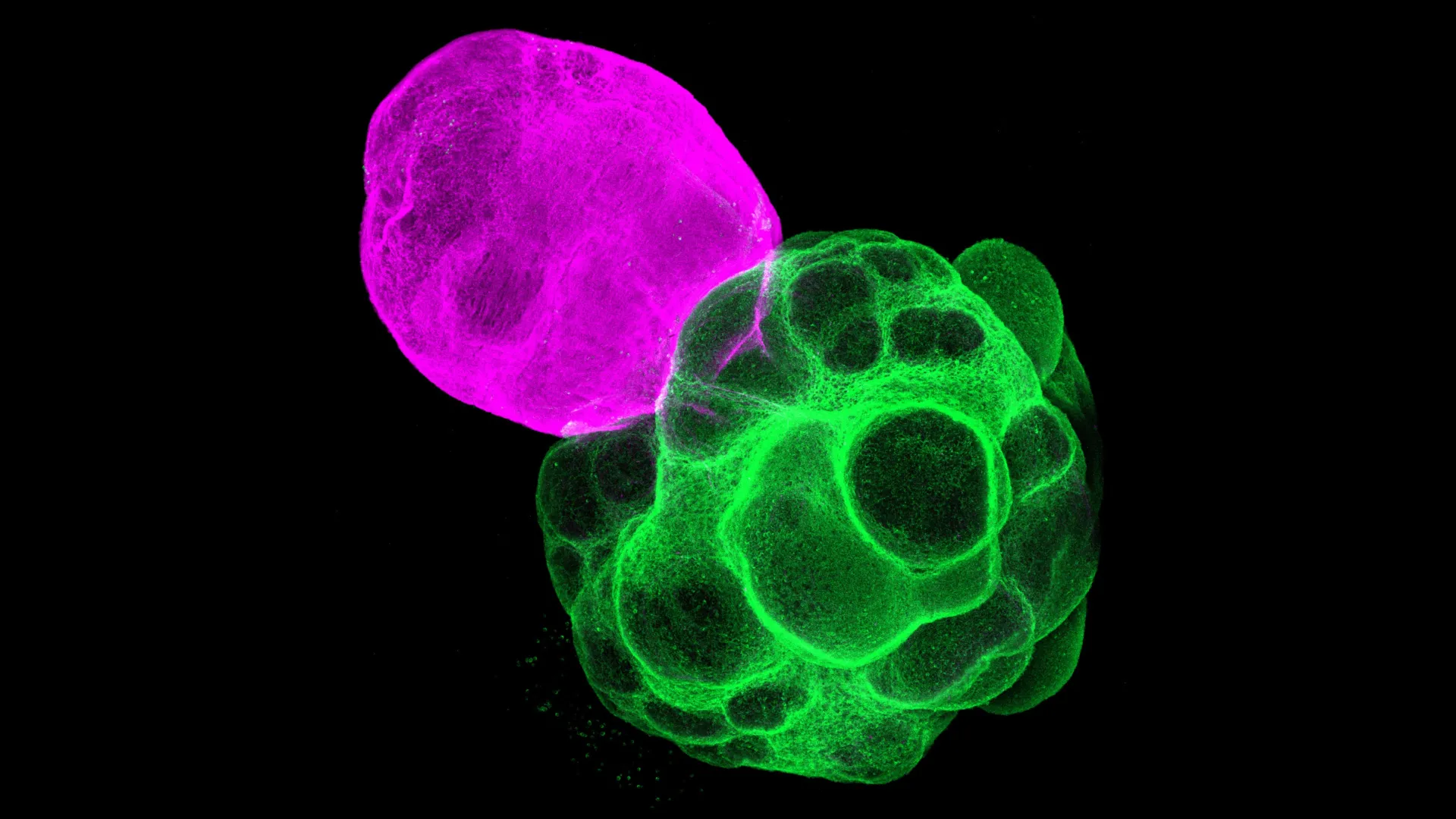
    Researchers in Japan have recreated key human brain circuits in the lab by fusing miniature models of the thalamus and cerebral cortex into what are known as assembloids. Built from human induced pluripotent stem cells, the multi-region tissue is designed to mimic how developing brain areas connect and coordinate activity.

    The work, published in the Proceedings of the National Academy of Sciences, focuses on the thalamus-cortex pathway that helps organize sensory processing and higher cognition. Because direct studies of early human brain wiring are limited by ethical and technical constraints, organoid-based models have become an important alternative.

    Why thalamus-cortex wiring matters

    The cerebral cortex relies on precisely timed communication among different neuron types and between distant brain regions. Disruptions in these networks are linked to neurodevelopmental conditions, including autism spectrum disorder, making circuit formation a high-priority target for basic and translational research.

    Animal studies have long suggested the thalamus helps shape cortical development, but confirming the details in human tissue has been difficult. The new assembloid model aims to capture those cross-region interactions more realistically than single-region organoids.

    How the assembloids were built

    The team first grew separate thalamic and cortical organoids from iPS cells and then fused them to allow fibers to extend between regions. Over time, axons from each side grew toward the other and formed synapses, resembling the bidirectional connectivity seen in the developing brain.

    When researchers compared cortical tissue grown alone with cortical tissue connected to the thalamus, the connected cortex showed gene activity consistent with greater maturation. The results support the idea that thalamic input can accelerate aspects of cortical development.

    Signals that synchronize specific neurons

    To probe function, the scientists tracked how activity traveled through the fused tissue and observed wave-like patterns moving from the thalamus into the cortex. That flow was associated with synchronized activity across parts of the cortical network.

    The effect differed across major cortical excitatory neuron classes, with synchronized patterns seen in pyramidal tract and corticothalamic neurons that communicate with the thalamus. Intratelencephalic neurons, which do not project to the thalamus, showed less synchrony, suggesting thalamic input selectively reinforces certain circuit types.

    Researchers say the platform could help clarify how human circuits assemble at the level of cell types and connections, and provide a testbed for studying disease mechanisms. In the longer term, thalamus-cortex assembloids may also support screening strategies aimed at restoring or stabilizing abnormal network activity.

  • Why Waiting to Start Eating Feels Awkward: New Study Says Diners Worry More Than Their Friends Do

    Why Waiting to Start Eating Feels Awkward: New Study Says Diners Worry More Than Their Friends Do

    Restaurants and dinner hosts could make meals more enjoyable and cut down on social discomfort by ensuring everyone at the table is served at the same time, according to new research.

    Most people recognize the familiar situation at a restaurant or dinner party when one plate arrives early and the person served hesitates to start eating. This widely accepted social rule has now been examined in a study co authored by Bayes Business School. The findings show that people worry far more about breaking the rule themselves than they do about others doing so.

    Why Waiting to Eat Feels So Uncomfortable

    The research, led by Irene Scopelliti, Professor of Marketing and Behavioural Science, and Janina Steinmetz, Professor of Marketing at Bayes, along with Dr. Anna Paley from the Tilburg School of Economics and Management, explored how people judge their own behavior compared with what they expect from dining companions. The team ran six experiments to examine this difference.

    In the studies, participants imagined having a meal with a friend. Some pictured receiving their food first, while others imagined waiting as their companion was served. Those who received food first rated how strongly they felt they should wait or begin eating. Those still waiting were asked what they believed their dining partner should do.

    The results revealed a clear self other gap. People who imagined being served first felt a much stronger obligation to wait than their companions expected them to feel.

    How People Misjudge Others at the Table

    Additional experiments looked at why this mismatch occurs. Participants were asked how they would feel if their companion chose to eat or wait, and how they thought their companion would feel about their own choice. The findings showed that people expected to feel better about waiting themselves and worse about starting to eat if their food arrived first than they believed others would feel in the same situation.

    The researchers also tested whether simple interventions could change behavior. These included prompting participants to think about their companion’s perspective or telling them that the other diner had clearly invited them to start eating.

    Even with these prompts, many participants still felt uncomfortable starting to eat. The researchers suggest this helps explain why people often tell others to go ahead and eat, yet struggle to do so themselves. The findings also suggest restaurants should avoid creating situations where diners are served at noticeably different times.

    Why Politeness Often Wins Over Comfort

    Professor Steinmetz explained that deciding when to start eating with others is a common social dilemma.

    “The decision of when to start eating food in the company of others is a very common dilemma.

    “Norm adherence dictates that we wait until all food is served before starting, and disregarding it feels rude and discourteous to us. Surprisingly, this feeling barely changes even when another person explicitly asks us to go ahead. It occurs because people have greater access to their own internal feelings — such as appearing considerate or avoiding social discomfort — than to others’ psychological experiences.

    “In these situations, we should be aware that we’re only waiting for our own benefit, and co-diners probably mind far less than we think if we wanted to go ahead and eat.

    “People will wait to feel polite, but if the quality of their food is dependent on factors like temperature it may not taste as nice when they finally do start eating.”

    The Psychology Behind Social Norms

    Professor Scopelliti emphasized that the issue goes beyond simple manners.

    “This is not just about politeness: it’s about psychological access.

    “We can feel our own internal discomfort, guilt, and the positive feelings from appearing considerate, but we can’t fully access what others are experiencing internally. So, while we might feel genuinely awful about eating before others get their food, we assume others won’t feel as strongly about it.

    “Results of our study have implications for restaurants and beyond. Any service where people receive food at different times within a group creates similar psychological dynamics. Providers often optimise for efficiency, without realising that some people experience genuine discomfort when they receive service before others in their group.

    “The research shows how much we systematically underestimate others’ internal emotional experiences, which contributes to broader understanding of social norms and group dynamics.”

    The study, titled ‘Wait or Eat? Self other differences in a commonly held food norm’, by Dr. Anna Paley, Professor Irene Scopelliti and Professor Janina Steinmetz, is published in Appetite.

  • Autism facial expressions mapped in vast new dataset, offering clues to why emotions are often misread

    Autism facial expressions mapped in vast new dataset, offering clues to why emotions are often misread

    A new study suggests autistic and non-autistic adults can express the same basic emotions with different facial movement patterns, a gap that may contribute to frequent misunderstandings in everyday interactions. Researchers say the findings support a growing view that communication difficulties can be two-way rather than rooted in a lack of emotion.

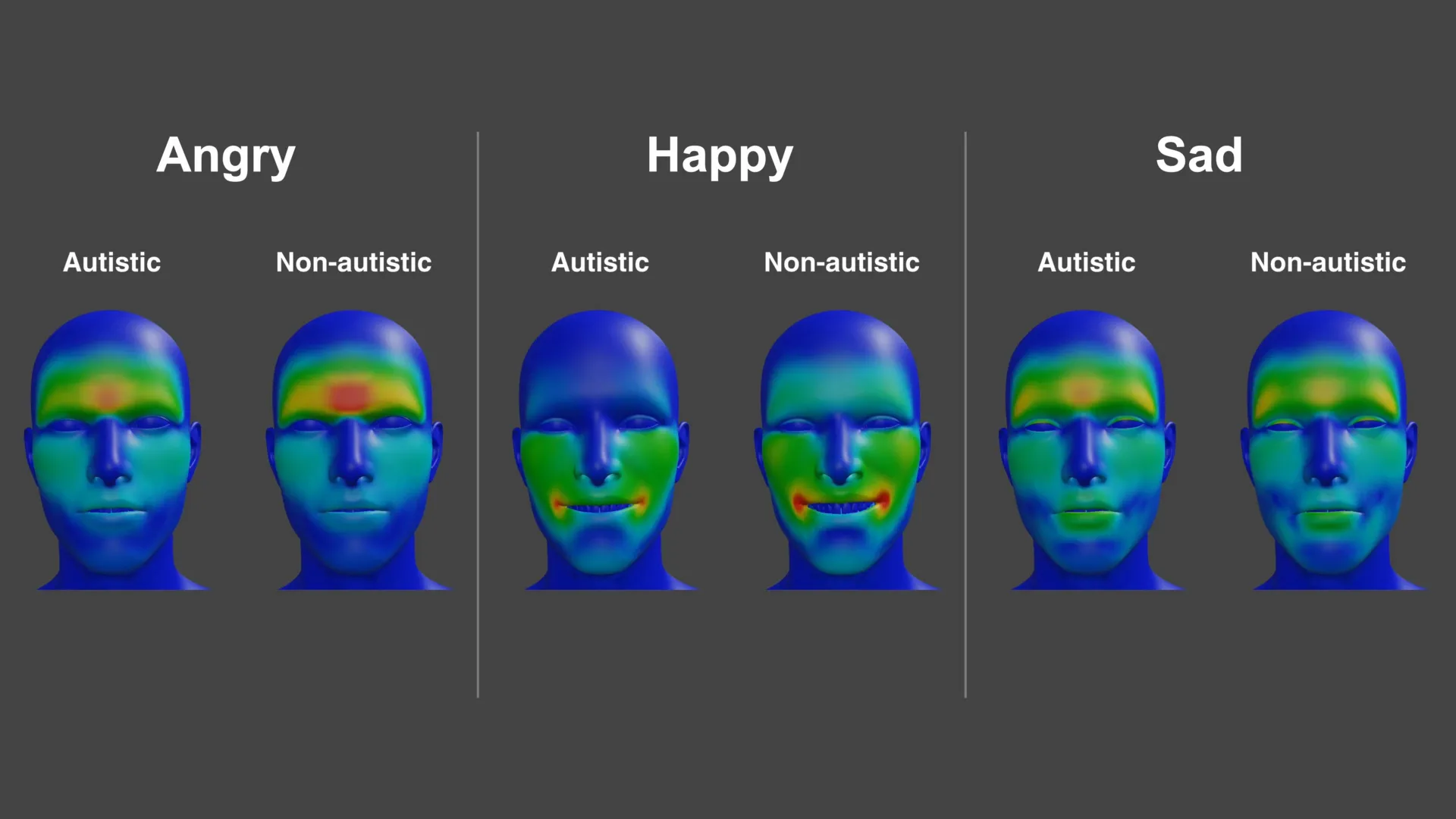
    Working with participants in both groups, scientists used detailed facial motion tracking to build a high-resolution map of how expressions for emotions such as anger, happiness and sadness are produced. The project generated more than 265 million data points, creating a large library of facial movements designed to capture subtle differences in how expressions form.

    How the researchers measured expressions

    The study involved 25 autistic adults and 26 non-autistic adults, who together produced close to 5 000 expressions under different conditions. Participants were asked to display emotions while matching facial movements to sounds and while speaking, allowing the team to examine how expressions change across contexts.

    Across tasks, autistic participants showed a wider range of unique expression patterns than their non-autistic peers, the researchers reported. For anger, the autistic group relied more on mouth movement and less on eyebrow movement, while happiness tended to be expressed with a subtler smile and sadness showed a different configuration around the upper lip.

    Alexithymia adds another layer

    The team also examined alexithymia, a trait involving difficulty identifying and describing one’s own emotions that is more common in autism than in the general population. Higher levels of alexithymia were associated with less clearly defined expressions for anger and happiness, which can make the displayed emotion appear more ambiguous.

    Lead researcher Connor Keating said the differences were not only about what expressions look like, but also how smoothly they are formed over time. Senior author Jennifer Cook argued the results fit a communication mismatch model, where both autistic and non-autistic people can misinterpret each other’s emotional signals.

    The research was published in Autism Research and was supported by the UK Medical Research Council and the EU Horizon 2020 programme. The authors said the growing dataset could help improve future studies of emotion recognition, as well as training approaches aimed at reducing everyday misreadings.

  • Study finds the brain processes speech in AI-like layers, offering new clues to how meaning is built

    Study finds the brain processes speech in AI-like layers, offering new clues to how meaning is built

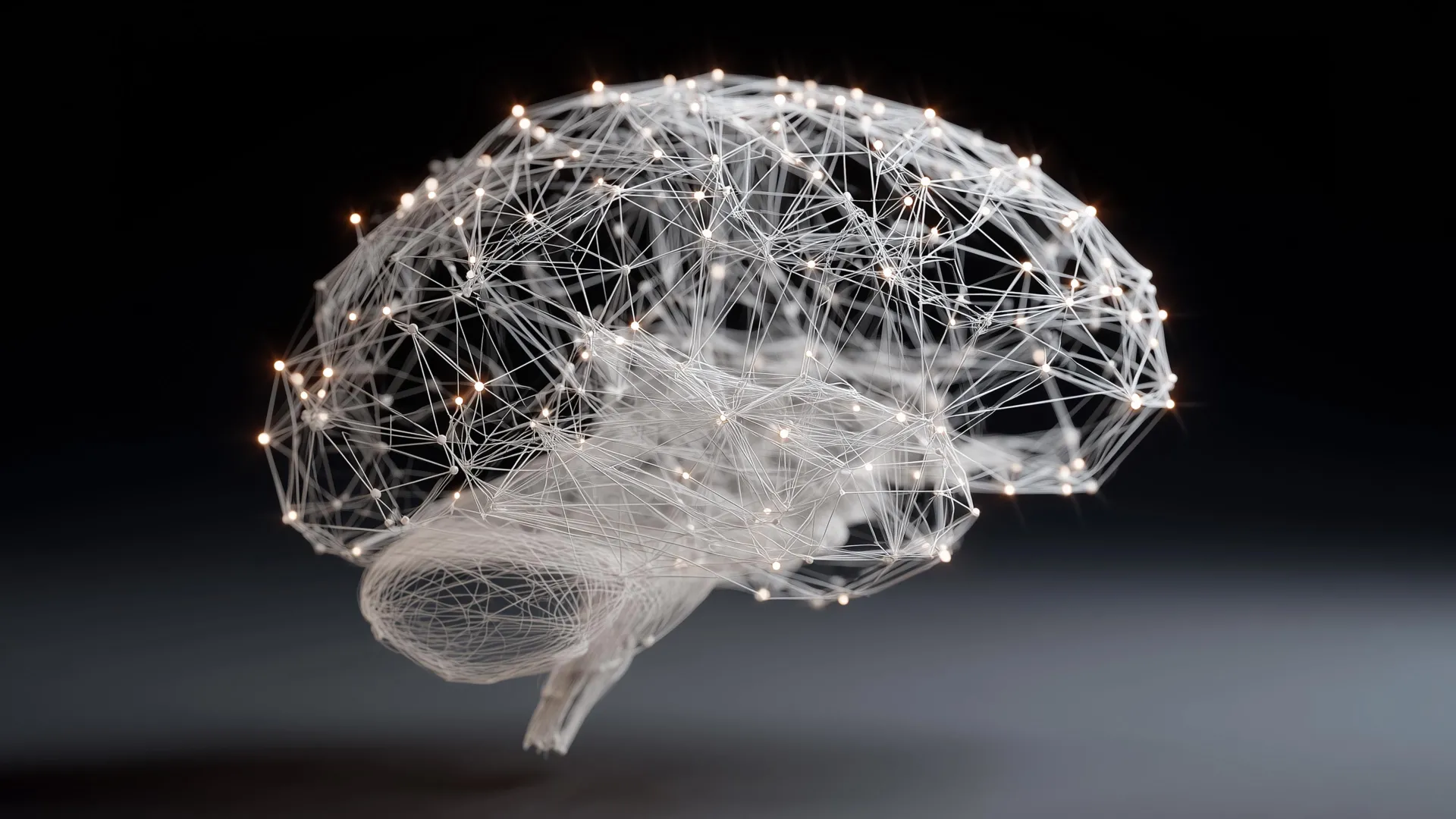
    New research suggests the human brain may understand spoken language through a layered, step-by-step process that closely parallels how large language models handle text. By tracking neural activity as people listened to a continuous story, scientists found patterns that align with the progression from simpler to more complex representations seen in modern AI.

    The work, published in Nature Communications, analyzed high-temporal-resolution recordings from electrodes placed on the brain surface in clinical settings. Researchers compared the timing of neural responses with internal representations from well-known language models, including GPT-2 and Meta’s Llama 2.

    How meaning appears to unfold

    The team reports that early brain signals corresponded more closely to the earlier computational stages of AI systems that focus on basic word-level features. Later neural responses matched deeper model layers that integrate broader context, linking words into higher-level meaning.

    This alignment was especially pronounced in established language regions, including areas often associated with speech production and comprehension such as Broca’s area. In these regions, the strongest match tended to appear later in time, consistent with a gradual buildup of meaning.

    Rethinking classic language theories

    The findings add weight to the idea that comprehension is not driven primarily by rigid, rule-based structures applied instantly to each sentence. Instead, the results support a view in which the brain continuously updates interpretations as more context arrives, resembling statistical inference more than fixed symbolic parsing.

    Researchers also evaluated traditional linguistic descriptors, such as phoneme- and morpheme-level features, and found they explained real-time neural activity less effectively than the contextual features derived from AI models. That gap, the authors argue, suggests that context-rich representations may better capture how the brain tracks meaning in natural speech.

    A dataset meant to accelerate research

    Alongside the paper, the team released a public dataset designed to help other labs test competing theories of language processing against neural measurements. By pairing brain recordings with model-derived language features, the resource is intended to make comparisons across studies more consistent and reproducible.

    Experts caution that similarities do not mean the brain works the same way as today’s AI, which is trained on vast text corpora and built from artificial neural networks. Still, the results strengthen the case that AI language models can serve as useful scientific tools for probing how the brain constructs meaning over time.

  • Brain stimulation linked to small boost in generosity: What a new PLOS Biology study found

    Brain stimulation linked to small boost in generosity: What a new PLOS Biology study found

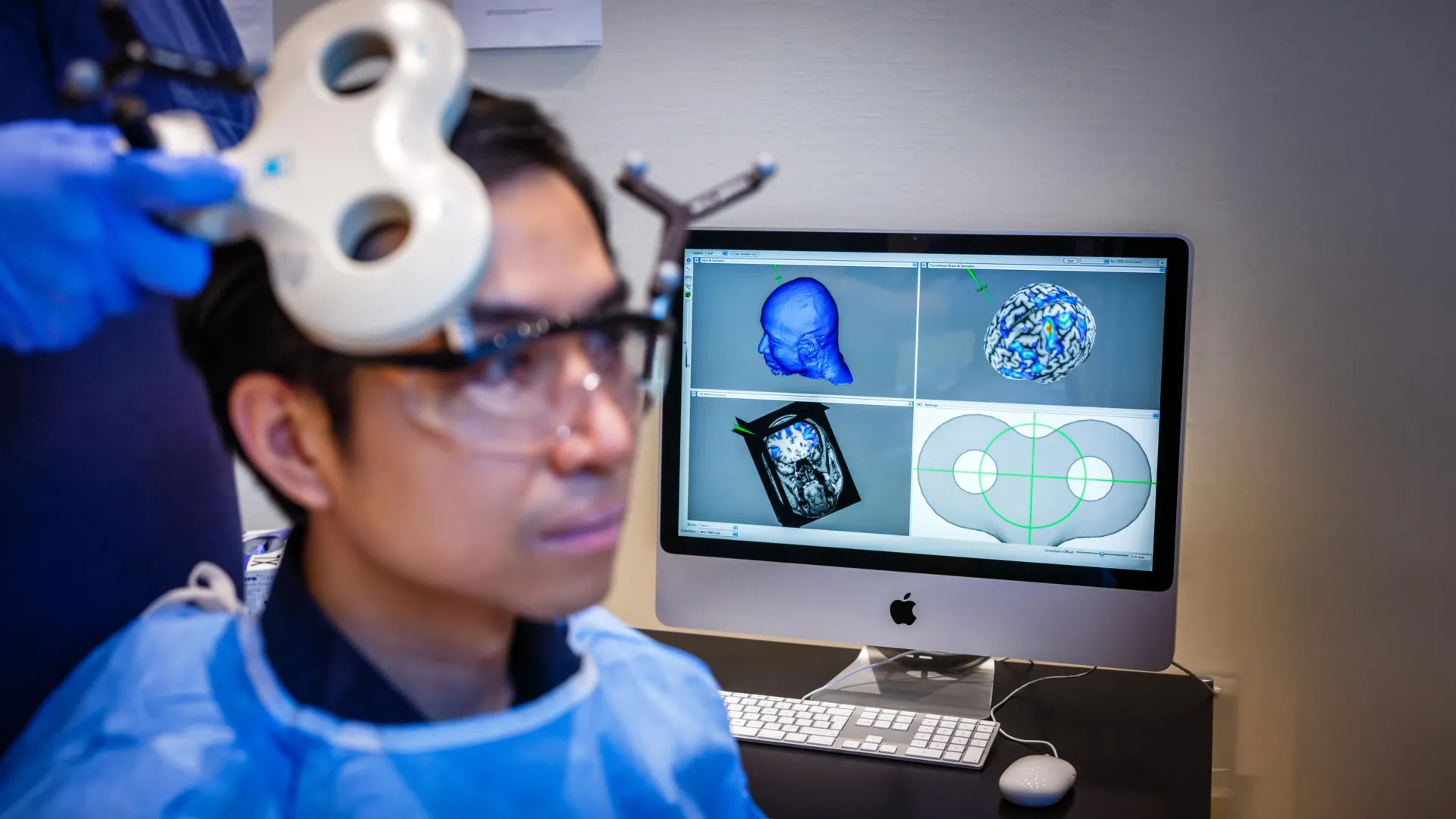
    Non-invasive brain stimulation that nudges two brain regions to operate in sync may slightly increase generous choices, according to a study published in PLOS Biology on February 10. Researchers say the results add evidence that specific brain-network communication can shape social decision-making.

    The international team, led by Jie Hu of East China Normal University with collaborators at the University of Zurich, tested whether coordinating activity between frontal and parietal areas affects altruism. These regions are often associated with goal-directed behavior and higher-level reasoning during complex choices.

    Testing generosity in a lab game

    The experiment included 44 participants who completed 540 rounds of a standard behavioral task known as the Dictator Game. In each round, a participant decided how to split money with another person, with the amounts varying across decisions.

    During the task, the researchers applied transcranial alternating current stimulation, a technique designed to influence brain rhythms through weak electrical currents delivered via the scalp. The goal was to encourage synchrony between the targeted frontal and parietal regions at specific oscillation frequencies.

    Gamma synchrony showed the clearest shift

    When stimulation was set to strengthen gamma-band synchrony between the two regions, participants became modestly more likely to choose larger splits for the other person. The effect was most apparent even in situations where giving more meant the participant would take less than their counterpart.

    Using computational modeling, the team reported that the stimulation appeared to change how people weighed outcomes, increasing the importance placed on the other person’s payoff. The authors described this as a measurable shift in value computations rather than a simple preference for equal splits.

    Limits and what comes next

    The researchers noted they did not directly record neural activity during stimulation, meaning the intended brain synchrony was inferred rather than confirmed in real time. They suggested future studies combining stimulation with EEG could verify how brain signals change and how long any behavioral effects last.

    Coauthor Christian Ruff said the work helps link a specific communication pattern between brain regions to altruistic choices, while Hu emphasized the study’s attempt to demonstrate cause and effect. The team cautioned that the increase in generosity was small and the findings do not imply a tool for controlling behavior outside controlled research settings.

  • University of Illinois study suggests joint savoring can strengthen relationships, especially under stress

    University of Illinois study suggests joint savoring can strengthen relationships, especially under stress

    Couples who deliberately pause to appreciate enjoyable moments together tend to report stronger, more stable relationships, according to new research from the University of Illinois Urbana-Champaign. The findings suggest that this shared habit, known as joint savoring, is linked to higher satisfaction and fewer conflicts.

    Savoring is commonly described by psychologists as slowing down to notice positive experiences and letting them register, whether in the present or through remembering the past and anticipating the future. While earlier work has tied savoring to individual well-being, the Illinois team examined what changes when partners do it together.

    How joint savoring was measured

    The study analyzed survey responses from 589 adults across the United States who were in committed relationships, most of them married. Participants were asked how often they and their partners intentionally focused on positive shared experiences, using a relationship-focused measure adapted from established savoring research.

    Respondents also reported on relationship quality, including satisfaction, communication conflict, and confidence that the relationship would last. They answered separate questions about stress and well-being, capturing whether they felt on top of responsibilities or overwhelmed in the prior month.

    A buffer when stress increases

    Researchers found that people who reported more joint savoring also reported less conflict, greater relationship satisfaction, and stronger belief in their shared future. The same group also showed signs of better personal well-being, indicating potential spillover benefits beyond the relationship itself.

    The pattern was most pronounced among people experiencing higher stress, where joint savoring appeared to function as a protective factor. In other words, when pressures rose, couples who routinely focused on positive shared moments were more likely to maintain confidence in their relationship and protect mental health.

    Why small rituals may matter

    The authors argue that joint savoring is practical because it does not require major life changes, only intentional attention. They suggest couples can build it into normal routines, such as talking through a good memory, lingering over a meal, or planning something enjoyable together.

    The research also underscores a limitation common to survey-based studies: the data reflects self-reports rather than observations of both partners in real time. Still, the findings add to a growing body of evidence that simple, repeatable relationship habits can help couples stay resilient, particularly during stressful periods.

  • New research explains why human language resists code-like efficiency and what it means for AI

    New research explains why human language resists code-like efficiency and what it means for AI

    Human language can seem inefficient compared with computer code, but researchers argue that its structure is optimized for the brain rather than for maximum compression. A new modeling study suggests people rely on familiar patterns to reduce mental effort during real-time conversation.

    The work, by linguist Michael Hahn and cognitive scientist Richard Futrell, was published in Nature Human Behaviour. Using information-theory-based modeling, they examined why languages worldwide tend to favor predictable word patterns instead of highly compact encodings.

    Efficiency for brains, not bits

    In principle, the same message could be transmitted with fewer symbols, similar to how computers use binary strings. The researchers contend that such a system would be harder for humans to learn and process because it would not align with how people store knowledge and anticipate meaning.

    Natural language, they argue, is tightly linked to shared experience, letting listeners map words onto familiar concepts quickly. That connection helps speakers avoid creating arbitrary, maximally compressed labels that would be information-dense but difficult to interpret.

    Predictability lowers cognitive load

    The model emphasizes that comprehension is incremental: listeners use each word to narrow down likely meanings before a sentence ends. This predictive processing makes everyday communication feel almost automatic, even if it is not mathematically optimal in terms of compression.

    As an illustration, the authors point to how grammatical order guides expectations in languages such as German. When familiar cues arrive in the expected sequence, the brain can prune unlikely interpretations early, whereas scrambled word orders force more effortful processing.

    What the findings suggest for AI

    The researchers say the results help explain why languages converge on structures that are learnable and robust under noisy, fast conditions like speech. Rather than chasing minimal code length, languages appear to balance expressiveness with the constraints of memory, attention, and prediction.

    The same logic could inform how developers evaluate and design large language models, which already rely heavily on predicting likely next words. The study suggests that systems built to communicate smoothly with people may benefit from prioritizing human-friendly predictability over pure information compression.

  • New brain imaging study suggests intelligence hinges on whole-brain network efficiency, not a single region

    New brain imaging study suggests intelligence hinges on whole-brain network efficiency, not a single region

    Modern neuroscience often describes the brain as a collection of specialized systems. Functions such as attention, perception, memory, language, and reasoning have each been linked to specific brain networks, and scientists have typically studied these systems separately.

    This approach has produced major breakthroughs. However, it has not fully explained a central feature of human thinking: how all these separate systems come together to form a single, unified mind.

    Researchers at the University of Notre Dame set out to address that question. Using advanced neuroimaging, they examined how the brain is organized overall and how that organization gives rise to intelligence.

    “Neuroscience has been very successful at explaining what particular networks do, but much less successful at explaining how a single, coherent mind emerges from their interaction,” said Aron Barbey, the Andrew J. McKenna Family Professor of Psychology in Notre Dame’s Department of Psychology.

    General Intelligence and Connected Cognitive Abilities

    Psychologists have long observed that skills like attention, memory, perception, and language tend to be linked. People who perform well in one area often perform well in others. This pattern is known as “general intelligence.” It influences how effectively individuals learn, solve problems, and adapt across academic, professional, social, and health settings.

    For more than a century, this pattern has suggested that human cognition is unified at a deep level. What scientists have lacked is a clear explanation for why that unity exists.

    “The problem of intelligence is not one of functional localization,” said Barbey, who also directs the Notre Dame Human Neuroimaging Center and the Decision Neuroscience Laboratory. “Contemporary research often asks where general intelligence originates in the brain — focusing primarily on a specific network of regions within the frontal and parietal cortex. But the more fundamental question is how intelligence emerges from the principles that govern global brain function — how distributed networks communicate and collectively process information.”

    To explore this broader perspective, Barbey and his team, including lead author and Notre Dame graduate student Ramsey Wilcox, tested a framework known as the Network Neuroscience Theory. Their findings were published in Nature Communications.

    The Network Neuroscience Theory Explained

    According to the researchers, general intelligence is not a specific ability or mental strategy. Instead, it reflects a pattern in which many cognitive skills are positively related. They propose that this pattern stems from how efficiently the brain’s networks are structured and how well they work together.

    To evaluate this idea, the team analyzed brain imaging and cognitive performance data from 831 adults in the Human Connectome Project. They also examined an independent group of 145 adults in the INSIGHT Study, funded by the Intelligence Advanced Research Projects Activity’s SHARP program. By combining measures of brain structure and brain function, the researchers created a detailed picture of large-scale brain organization.

    Rather than tying intelligence to a single brain region or function, the Network Neuroscience Theory views it as a property of the brain as a whole. Intelligence, in this framework, depends on how effectively networks coordinate and reorganize themselves to handle different challenges.

    Barbey and Wilcox describe this as a major shift in perspective.

    “We found evidence for system-wide coordination in the brain that is both robust and adaptable,” Wilcox said. “This coordination does not carry out cognition itself, but determines the range of cognitive operations the system can support.”

    “Within this framework, the brain is modeled as a network whose behavior is constrained by global properties such as efficiency, flexibility and integration,” Wilcox said. “These properties are not tied to individual tasks or brain networks, but are characteristics of the system as a whole, shaping every cognitive operation without being reducible to any one of them.”

    “Once the question shifts from where intelligence is to how the system is organized,” Wilcox noted, “the empirical targets change.”

    Intelligence as Whole Brain Coordination

    The findings supported four main predictions of the Network Neuroscience Theory.

    First, intelligence does not reside in a single network. It arises from processing distributed across many networks. The brain must divide tasks among specialized systems and combine their outputs when necessary.

    Second, successful coordination requires strong integration and long-distance communication. Barbey described “a large and complex system of connections that serve as ‘shortcuts’ linking distant brain regions and integrating information across the networks.” These connections allow far apart areas of the brain to exchange information efficiently, supporting unified processing.

    Third, integration depends on regulatory regions that guide how information flows. These hubs help orchestrate activity across networks, selecting the right systems for the job. Whether someone is interpreting subtle clues, learning a new skill, or deciding between careful analysis and quick intuition, these regulatory areas help manage the process.

    Finally, general intelligence depends on balancing local specialization with global integration. The brain performs best when tightly connected local clusters operate efficiently while still maintaining short communication paths to distant regions. This balance supports flexible and effective problem solving.

    Across both groups studied, differences in general intelligence consistently matched these large-scale organizational features. No single brain area or traditional “intelligence network” explained the results.

    “General intelligence becomes visible when cognition is coordinated,” Barbey noted, “when many processes must work together under system-level constraints.”

    Implications for Artificial Intelligence and Brain Development

    The implications extend beyond understanding human intelligence. By focusing on large-scale brain organization, the findings offer insight into why the mind functions as a unified system in the first place.

    This perspective may also explain why intelligence tends to increase during childhood, decline with aging, and be especially vulnerable to widespread brain injury. In each situation, what changes most is large-scale coordination rather than isolated functions.

    The results also contribute to debates about artificial intelligence. If human intelligence depends on system-level organization rather than a single general-purpose mechanism, then building artificial general intelligence may require more than simply scaling up specialized tools.

    “This research can push us into thinking about how to use design characteristics of the human brain to motivate advances in human-centered, biologically inspired artificial intelligence,” Barbey said.

    “Many AI systems can perform specific tasks very well, but they still struggle to apply what they know across different situations.” Barbey said. “Human intelligence is defined by this flexibility — and it reflects the unique organization of the human brain.”

    The research was conducted with co-authors Babak Hemmatian and Lav Varshney of Stony Brook University.

  • Study finds early-life stress may raise lifelong gut disorder risk, offering clues for more targeted IBS care

    Study finds early-life stress may raise lifelong gut disorder risk, offering clues for more targeted IBS care

    A new study in Gastroenterology adds to growing evidence that stress and adversity in early life can shape the gut-brain axis for years, raising the odds of chronic digestive problems. Researchers report links between early stress exposure and later symptoms such as abdominal pain and altered bowel habits often seen in irritable bowel syndrome.

    The work, led by scientists at NYU and collaborators, points to biological changes in both the gut and the sympathetic nervous system, a key branch of the body’s stress response. The authors say this may help explain why some people develop long-lasting disorders of gut-brain interaction even when no structural disease is found.

    How stress may rewire gut signals

    In mouse experiments designed to model early-life stress, newborns were separated from their mothers for several hours a day, then assessed months later. As young adults, the animals showed anxiety-like behavior alongside gut pain and motility problems, suggesting persistent effects on brain-gut communication.

    Digging into mechanisms, the team found that different pathways appeared to drive different symptoms. Interfering with sympathetic nerve signaling improved motility issues without easing pain, while serotonin-related signaling was involved in both pain and movement, highlighting why treatments may not work uniformly.

    Large child datasets echo the link

    To test whether the pattern holds in people, the researchers analyzed two large pediatric datasets. In a Danish cohort tracking more than 40 000 children, those born to mothers with untreated depression during or after pregnancy had higher risks of diagnoses including functional constipation, colic, nausea and vomiting, and irritable bowel syndrome.

    A separate analysis of nearly 12 000 children in the US NIH-funded ABCD study found that adverse childhood experiences, such as abuse, neglect, and parental mental health challenges, were associated with more gastrointestinal symptoms at ages nine and 10. Unlike the mouse findings, the human data did not show clear sex differences in digestive outcomes.

    What it could mean for IBS treatment

    The authors argue the results support a more developmental view of digestive disorders, where clinicians consider not only current stress but also early-life exposures that may have shaped gut sensitivity and motility. They also suggest the separation of pain and motility pathways could help guide more personalized approaches to disorders like IBS, where symptoms vary widely.

    Experts caution that observational human data cannot prove causation, and many factors may contribute to digestive symptoms over time, including genetics, infections, diet, and ongoing stress. Still, the study strengthens the case that preventing and treating maternal depression and addressing childhood adversity may have downstream benefits for long-term gastrointestinal health.

  • Printed artificial neurons link up with living brain cells, hinting at smarter brain interfaces

    Printed artificial neurons link up with living brain cells, hinting at smarter brain interfaces

    Engineers at Northwestern University have developed printed artificial neurons that can communicate with living brain cells, a step toward closer integration between electronics and neural tissue. In tests on mouse brain slices, the devices generated electrical spikes that activated biological neurons.

    The work, reported in Nature Nanotechnology, focuses on matching the timing and shape of real neural signals rather than producing simplified pulses. That compatibility matters because neurons respond not just to strength, but to precise patterns that govern how circuits switch on and coordinate.

    How the printed neurons work

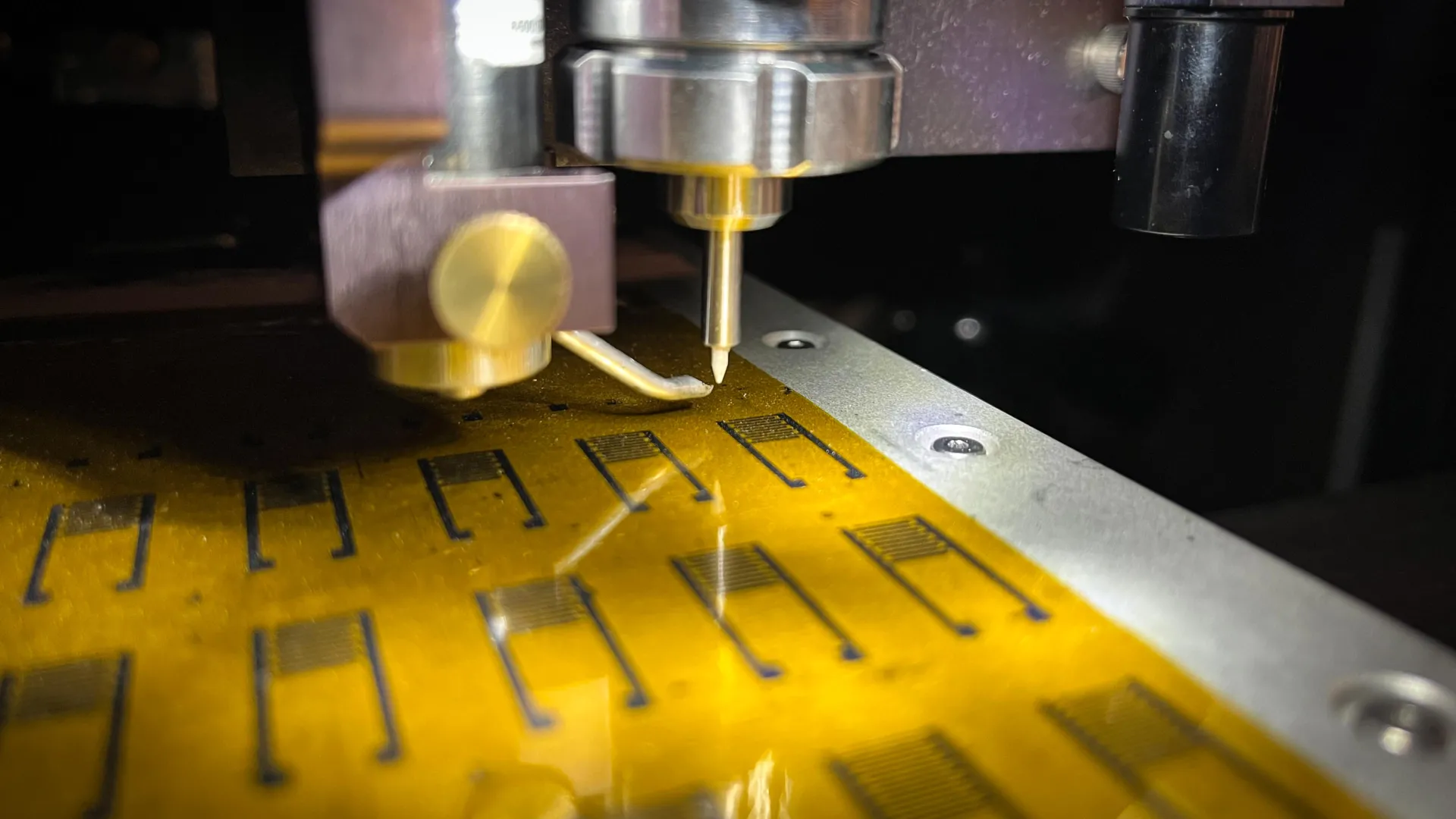
    The team fabricated the devices using aerosol jet printing, depositing electronic inks onto flexible polymer substrates. The inks use nanoscale flakes of molybdenum disulfide as a semiconductor and graphene as a conductor, materials commonly studied for next-generation electronics.

    A key twist is how the polymer is handled after printing. Instead of removing it entirely, researchers partially decomposed it so that electrical current could further reshape the material, creating a narrow conductive filament that produces a neuron-like firing response.

    Why brain timing is hard to mimic

    Many earlier artificial neurons struggled to hit biologically relevant speeds, producing spikes that were either too slow or too fast to reliably engage real tissue. Northwestern’s results suggest the printed devices operate within a temporal window that better aligns with the dynamics of living neurons.

    To test real-world interaction, the researchers delivered the artificial spike patterns to slices of mouse cerebellum in collaboration with neurobiologists. The recorded responses indicated that natural neurons fired in step with the artificial inputs, triggering downstream circuit activity.

    Implications for AI and neuroprosthetics

    The advance could support future brain-machine interfaces and neuroprosthetics that require stable, low-power communication with the nervous system. Flexible, printable electronics are also attractive for implants because they can better match soft tissue compared with rigid silicon components.

    Researchers also point to energy-efficient computing as a longer-term goal, as brain-inspired hardware could reduce power demands compared with conventional digital systems. By generating richer, more neuron-like signals per device, the approach may reduce the number of components needed for complex neuromorphic tasks.

    While the experiments were performed on brain slices rather than in living animals or people, the study offers a clearer demonstration of functional compatibility between artificial neurons and biological circuits. The next hurdles include long-term stability, safe packaging for biological environments, and scaling the technology into larger, controllable networks.