Tag: Depresija

  • Didelis tyrimas rodo: kur vaikai auga, lemia skirtingas psichikos sveikatos rizikas

    Didelis tyrimas rodo: kur vaikai auga, lemia skirtingas psichikos sveikatos rizikas

    Miestas ir kaimas: skirtingi iššūkiai

    Beveik 20 000 vaikų ir paauglių duomenis išanalizavę mokslininkai nustatė, kad gyvenamoji aplinka siejasi su skirtingomis psichikos sveikatos rizikomis. Tyrime, kuriame vertinti 6–16 metų mokiniai, išryškėjo aiškus miesto ir kaimo skirtumas.

    Tyrėjai padarė išvadą, kad kaimo vietovėse augantys vaikai dažniau patiria depresijos, nerimo, socialinio užsisklendimo ir emocinių sunkumų požymių. Tuo metu miestuose augantiems vaikams dažniau fiksuojamos elgesio problemos, įskaitant dėmesio ir hiperaktyvumo sutrikimui būdingus bruožus.

    Ką parodė vertinimai mokyklose?

    Analizuojant mokinių klausimynus ir psichologinių sunkumų rodiklius, kaimo vaikai dažniau rinko aukštesnius balus ties nerimu, prislėgtumu, somatiniais nusiskundimais ir dėmesio problemomis. Miesto mokiniai dažniau išsiskyrė socialiniais sunkumais ir taisyklių laužymu.

    Atskira analizė apėmė 3 003 mokinius, kuriems buvo nustatytas psichikos sutrikimas. Šioje grupėje skirtumai tarp miesto ir kaimo buvo dar ryškesni, o simptomų pobūdis dažniau „susigrupuodavo“ pagal gyvenamąją aplinką.

    Tyrime taip pat pastebėtas lyčių aspektas: berniukų psichologinių simptomų sąsajos reikšmingiau skyrėsi priklausomai nuo to, ar jie gyvena mieste, ar kaime. Mergaičių grupėje tokio aiškaus skirtumo pagal gyvenamąją vietą tyrėjai nefiksavo.

    Kodėl atsiranda šis skirtumas?

    Autoriai nurodo, kad kaimo vietovėse didesnę įtaką gali turėti socialiniai ir ekonominiai veiksniai: mažesnės pajamos, siauresnės ugdymo galimybės ir ribotesnė psichikos sveikatos paslaugų pasiūla. Prie emocinių sunkumų prisideda ir socialinė izoliacija bei retesnė ankstyva pagalba.

    Dar vienas svarbus veiksnys, aptartas tyrime, yra vadinamieji „palikti vaikai“, kai tėvai išvyksta dirbti į miestus, o vaikus augina seneliai ar kiti giminaičiai. Tyrėjų teigimu, toks šeimos išsiskyrimas gali didinti apleistumo jausmą ir sietis su prislėgtumu bei kitais emociniais sunkumais.

    Miesto vaikų atveju didesnį vaidmenį, anot autorių, gali turėti intensyvesnė akademinė konkurencija, greitesnis gyvenimo tempas ir didesnis su mokslu susijęs stresas. Tyrime pažymima ir tai, kad miestuose dėmesio ir elgesio sunkumai dažniau atpažįstami bei diagnozuojami dėl geresnio paslaugų prieinamumo.

    „Išryškėję regioniniai skirtumai rodo, kad reikia vietovei pritaikytų priemonių, sprendžiančių skirtingus iššūkius“, – rašė tyrimo autoriai.

    Jų vertinimu, kaimo vietovėse gali būti ypač svarbus ankstyvesnis emocinių sunkumų atpažinimas ir lengviau pasiekiamos paslaugos, įskaitant nuotolines konsultacijas. Miestuose prioritetu galėtų tapti ankstyvas elgesio ir dėmesio sunkumų pastebėjimas mokyklose bei nuosekli pagalba šeimai.

    Ką svarbu žinoti apie ribojimus?

    Tyrėjai pabrėžia, kad vaiko psichikos sveikata vertinta naudojant vieną pagrindinę vertinimo priemonę, todėl tai gali neapimti viso individualių sunkumų spektro. Be to, tyrimas buvo momentinis, tad negalima tiksliai pasakyti, kaip šie skirtumai keičiasi vaikui augant.

    Dar viena svarbi detalė yra geografinė imtis: duomenys rinkti vienoje Vakarų Kinijos provincijoje. Dėl to rezultatai gali nevisiškai atspindėti visos šalies, o juo labiau kitų valstybių situaciją, tačiau jie išryškina kryptį, į kurią siūloma atkreipti dėmesį planuojant prevenciją.

  • Mokslininkai rado depresijos pėdsakų kraujyje: svarbi užuomina itin pažeidžiamai grupei

    Mokslininkai rado depresijos pėdsakų kraujyje: svarbi užuomina itin pažeidžiamai grupei

    Depresija yra viena dažniausių psichikos sveikatos būklių, tačiau jos diagnozė iki šiol daugiausia remiasi žmogaus pasakojamais simptomais ir klinikiniu įvertinimu. Dėl to daliai pacientų, ypač turinčių gretutinių ligų, depresijos požymiai gali būti nepastebėti arba priskiriami kitiems sveikatos sutrikimams.

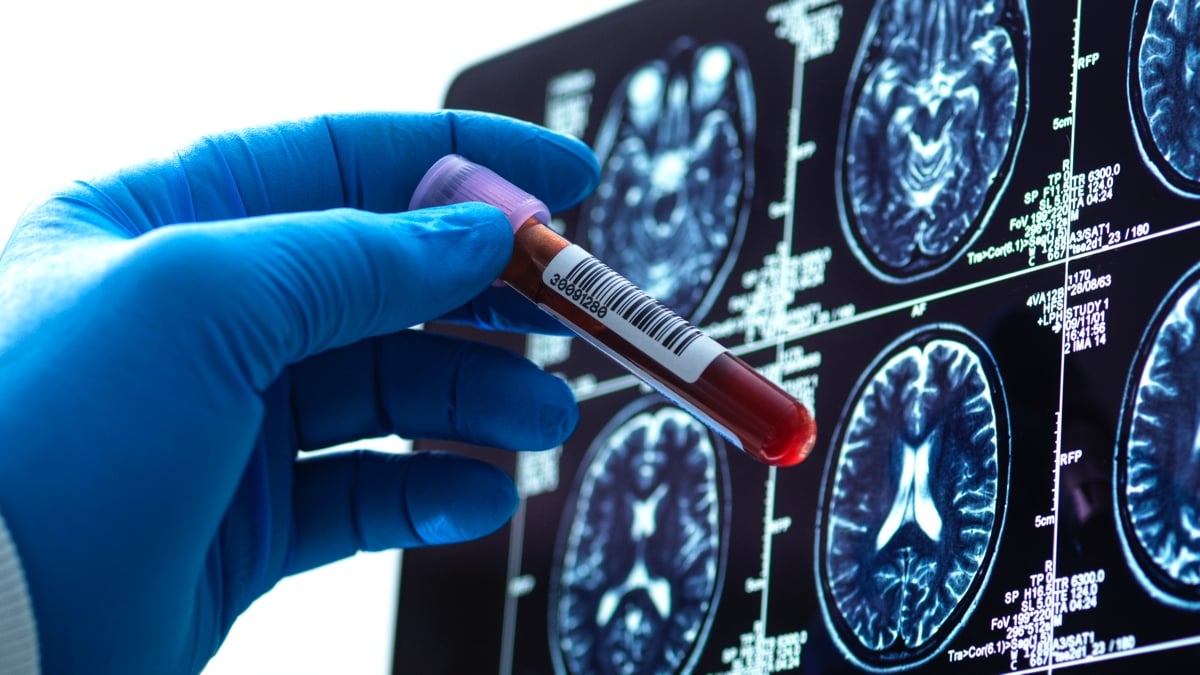
    Naujas JAV mokslininkų tyrimas rodo, kad tam tikri depresijos požymiai gali atsispindėti kraujo rodikliuose. Tyrėjai ieškojo sąsajų tarp depresijos simptomų ir biologinio senėjimo žymenų imuninėse ląstelėse, o rezultatai leidžia kalbėti apie ateityje galinčius atsirasti tikslesnius, objektyvesnius vertinimo metodus.

    Ką parodė tyrimas?

    Mokslininkai išanalizavo 261 moters, gyvenančios su ŽIV, ir 179 moterų be šio viruso kraujo mėginius bei anketomis įvertino neseniai patirtus depresijos simptomus. ŽIV turinčios moterys pasirinktos neatsitiktinai, nes ši grupė, remiantis ankstesniais tyrimais, su depresija susiduria gerokai dažniau nei bendra populiacija.

    Vertinant kraujo biomarkerius, statistiškai reikšmingiausia sąsaja nustatyta tarp monocitų biologinio senėjimo ir vadinamųjų nesomatinių depresijos simptomų. Tai tokie požymiai kaip beviltiškumo jausmas, motyvacijos stoka ar atsitraukimas nuo anksčiau malonių veiklų, o ne fiziniai simptomai, pavyzdžiui, nuovargis.

    „Žmonės, gyvenantys su ŽIV, neretai patiria fizinių simptomų, pavyzdžiui, nuovargį, todėl jie gali būti siejami su lėtine liga, o ne su depresija“, – sakė tyrimo autorė Nicole Beaulieu Perez.

    „Mūsų rezultatai parodė priešingą kryptį: pasirinktas matas labiau siejosi su nuotaikos ir kognityviniais simptomais, o ne su somatiniais“, – pridūrė ji.

    Kas yra monocitų epigenetinis laikrodis?

    Tyrime naudotas metodas, vadinamas MonoDNAmAge, priklauso vadinamųjų epigenetinių laikrodžių grupei. Tokie metodai bando įvertinti biologinį amžių pagal DNR metilinimo žymes, kurios atspindi, kaip organizmas sensta ne pagal gimtadienius, o pagal susikaupusį biologinį krūvį.

    Šiuo atveju dėmesys sutelktas į monocitus, imuninės sistemos ląsteles, dalyvaujančias uždegiminiuose procesuose. Tyrėjai pabrėžė, kad ląstelių tipo specifinis vertinimas gali būti tikslesnis nei bendresni epigenetiniai laikrodžiai, nes skirtingos ląstelės į stresą, ligas ir uždegimą reaguoja nevienodai.

    Ką tai reiškia praktikoje?

    Tyrimas dar nereiškia, kad depresijai jau sukurtas patikimas kraujo tyrimas. Ne visi depresijos simptomai buvo susiję su biologinio senėjimo rodikliais, todėl vieno biomarkerio nepakanka diagnozei ir jis negalėtų pakeisti klinikinio įvertinimo.

    Vis dėlto kryptis svarbi: objektyvūs biologiniai rodikliai galėtų padėti anksčiau pastebėti depresiją, ypač kai simptomai persidengia su lėtinių ligų požymiais. Anot tyrėjų, ilgalaikis tikslas būtų suderinti subjektyvią savijautą su biologiniais matavimais ir taip priartėti prie tikslesnės, individualizuotos psichikos sveikatos priežiūros.

    Tyrimo rezultatai paskelbti mokslo žurnale The Journals of Gerontology: Series A, o autoriai akcentuoja, kad reikalingi didesni ir įvairesnių grupių tyrimai. Tik tuomet būtų galima įvertinti, ar panašūs dėsningumai kartojasi skirtingo amžiaus žmonėms, vyrams ir kitoms rizikos grupėms bei ar biomarkeriai iš tiesų gali prisidėti prie ankstyvesnės diagnostikos.

  • New brain-mapping study suggests psychedelics mute visual reality and amplify memory signals

    New brain-mapping study suggests psychedelics mute visual reality and amplify memory signals

    Psychedelic substances act on the brain by binding to serotonin receptors. Scientists have identified at least 14 different receptors that respond to the neurotransmitter serotonin. Psychedelics are especially drawn to one known as the 2A receptor. This receptor not only affects learning but also dampens activity in parts of the brain responsible for processing visual information.

    “We have observed in earlier studies that visual processes in the brain are suppressed by this receptor,” says Callum White, first author of the study. “This means that visual information about things happening in the outside world becomes less accessible to our consciousness. To fill this gap in the puzzle, our brain inserts fragments from memory — it hallucinates.”

    In other words, when incoming visual signals are reduced, the brain compensates by pulling stored images and experiences from memory. Those internally generated fragments can blend into perception, producing hallucinations.

    Slow Brain Waves Shift Perception Toward Memory

    The researchers also uncovered how this shift unfolds in real time. Psychedelics increase rhythmic patterns of brain activity, known as oscillations, in visual regions. Oscillations are coordinated waves of neural firing that help different parts of the brain communicate with each other.

    After psychedelics were administered, the team observed a rise in low-frequency (5-Hz) waves in visual areas. These slower waves stimulated another region called the retrosplenial cortex, a key hub involved in accessing stored memories. As this communication strengthens, the brain enters a different operating mode. Awareness of current external events becomes weaker, while perception relies more heavily on recalled information. As Professor Dirk Jancke, who led the study, describes it, the experience is “a bit like partial dreaming.”

    Real-Time Brain Imaging Reveals the Mechanism

    To capture these changes, the scientists used an advanced optical imaging technique that tracks neural activity across the entire surface of the brain in real time. The experiments relied on specially engineered mice created by Professor Thomas Knöpfel at Hong Kong Baptist University. These animals were designed to produce fluorescent proteins in specific types of brain cells.

    This approach allowed researchers to pinpoint the source of the signals they recorded. “We therefore know exactly in our experiments that the measured fluorescent signals originate from pyramidal cells of the cortical layers 2/3 and 5, which mediate communication within and between brain regions,” says Jancke. These cells play a central role in transmitting information across the cortex.

    Implications for Depression and Anxiety Treatment

    The findings may also help refine psychedelic-assisted therapy. Researchers believe that, under medical supervision, these substances can temporarily shift brain activity in ways that encourage the recall of positive memories and weaken deeply ingrained negative thought patterns.

    “When used under medical supervision, such substances can temporarily change the state of the brain to selectively recall positive memory content and restructure learned, excessively negative thought patterns, i.e., to be able to unlearn negative context. It will be exciting to see how such therapies are further personalized in the future,” says Jancke.

    By clarifying how psychedelics redirect perception from the outside world to internal memory networks, the study provides a clearer biological explanation for both hallucinations and the growing therapeutic potential of these compounds.

  • Vagus nerve stimulation implant shows lasting gains for treatment-resistant depression, and some patients reach remission

    Vagus nerve stimulation implant shows lasting gains for treatment-resistant depression, and some patients reach remission

    About one in five adults in the United States will experience major depression at some point in their lives. Many people improve after trying a few treatments, but for as many as one-third of patients, standard antidepressants or psychotherapy do not provide enough relief. This condition, known as treatment-resistant depression, can persist for years or even decades. New research now suggests that a small implanted device may offer meaningful and long-lasting improvement for people with the most severe forms of the illness.

    Scientists at Washington University School of Medicine in St. Louis led a large, multicenter clinical trial to evaluate this approach. The researchers found that a device designed to stimulate the vagus nerve was linked to sustained improvements in depressive symptoms, daily functioning, and overall quality of life. For most patients who showed improvement after one year, those gains continued for at least two years.

    The participants in the study had lived with depression for an average of 29 years and had already tried about 13 treatments without success. These included intensive options such as electroconvulsive therapy and transcranial magnetic stimulation, highlighting just how difficult their condition had been to treat.

    The latest results come from the ongoing RECOVER trial and were published Jan. 13 in the International Journal of Neuropsychopharmacology.

    “We believe the sample in this trial represents the sickest treatment-resistant depressed patient sample ever studied in a clinical trial,” said lead author Charles Conway, MD, a professor of psychiatry and director of the WashU Medicine Treatment Resistant Mood Disorders Center. “There is a dire need to find effective treatments for these patients, who often have no other options. With this kind of chronic, disabling illness, even a partial response to treatment is life-altering, and with vagus nerve stimulation we’re seeing that benefit is lasting.”

    How vagus nerve stimulation works

    The RECOVER study was designed to test whether adding vagus nerve stimulation (VNS) to ongoing care could improve outcomes for people with treatment-resistant depression. The therapy involves surgically placing a device under the skin in the chest. The device sends carefully controlled electrical signals to the left vagus nerve — a key communication pathway between the brain and many internal organs.

    The VNS Therapy System is made by LivaNova USA, Inc., which sponsored and funded the RECOVER trial. The study is collecting long-term data on mood, daily function, and quality of life in people with severe treatment-resistant depression. One aim of the research is to help the U.S. Centers for Medicare and Medicaid Services (CMS) decide whether to expand coverage for the therapy. Because many private insurers follow CMS decisions, approval could make the treatment accessible to far more patients, as cost has been a major barrier.

    Inside the RECOVER trial

    Nearly 500 patients were enrolled across 84 locations in the United States. About three-quarters of participants were so severely affected by depression that they were unable to work. All patients received the implanted device, but only half had the device activated during the first year to allow for comparison. Researchers tracked changes in depression severity, quality of life, and everyday functioning.

    A response was considered meaningful if symptoms improved by at least 30% compared with the start of the study. A reduction of 50% or more was classified as a “substantial” response.

    Conway emphasized that even modest improvements can dramatically change a person’s life. Severe depression can leave people feeling “paralyzed by life,” unable to manage basic daily activities and at higher risk of hospitalization or early death.

    Earlier findings from the blinded first year of the trial showed that patients with activated devices spent more time with improved mood, better functioning, and higher quality of life than those whose devices were not active. However, the primary measurement tool (the Montgomery-Åsberg depression scale, which measures the severity of depressive episodes) did not show a statistically significant difference between the two groups.

    Benefits that last over time

    In the newest analysis, the researchers focused on patients whose devices were active from the start of the trial. They wanted to see whether improvements seen at 12 months would continue through 24 months. They also examined whether some patients who did not improve in the first year might respond later with continued treatment.

    Out of 214 patients who received active treatment from the beginning, about 69%, or 147 people, showed a meaningful response at one year in at least one outcome measure. Among those who benefited at 12 months, more than 80% maintained or improved their results by the two-year mark across measures of depression, quality of life, and daily functioning. For patients with a substantial response at one year — defined as at least a 50% reduction in symptoms — 92% were still benefiting at two years.

    Nearly one-third of participants who had not improved after the first year reported benefits by the end of the second year, suggesting that the therapy may take longer to work for some individuals. Relapse rates remained low among those who responded, particularly among the strongest responders.

    The researchers also found that more than 20% of treated patients, or 39 people, were in remission after 24 months. This means their symptoms had eased enough for them to function normally in daily life, a result Conway described as especially notable.

    “We were shocked that one in five patients was effectively without depressive symptoms at the end of two years,” he said. “Seeing results like that for this complicated illness makes me optimistic about the future of this treatment. These results are highly atypical, as most studies of markedly treatment-resistant depression have very poor sustainability of benefit, certainly not at two years. We’re seeing people getting better and staying better.”

    Funding and disclosures

    The study was supported by LivaNova, PLC, the developer and manufacturer of the Vagus Nerve Stimulation therapy system. LivaNova, PLC supported the study design, data analysis, and preparation of the report. The U.S. Centers for Medicare & Medicaid Services approved the study under its NCD VNS for Treatment Resistant Depression. The authors alone made the final decision on the manuscript content and its submission for publication.

    Conway has received research support from the American Foundation for Suicide Prevention, Assurex Health, August Busch IV Foundation, Barnes-Jewish Hospital Foundation, LivaNova, National Institute of Mental Health, and the Taylor Family Institute for Innovative Psychiatric Research. He has also served as a consultant for LivaNova.

  • Why US Midlife Is Getting Harder: Rising Loneliness, Memory Decline, and a Weaker Safety Net

    Why US Midlife Is Getting Harder: Rising Loneliness, Memory Decline, and a Weaker Safety Net

    Middle age is increasingly emerging as a pressure point in the United States, with Americans born in the 1960s and early 1970s reporting more loneliness and depression than earlier generations. Researchers also see declines in episodic memory and physical strength that appear more pronounced than in many other high-income countries.

    The pattern was outlined in cross-national research led by Arizona State University psychologist Frank J. Infurna, which compared survey data across 17 countries. The analysis suggests the US is diverging from peers where midlife health and well-being have generally improved over recent decades.

    Why the US stands out

    A key difference identified by the researchers is the level of public support for families. Many European countries expanded family benefits since the early 2000s, while US spending on comparable supports has been far more limited.

    That gap matters during midlife, when many people are simultaneously managing full-time work, raising children, and helping aging parents. In countries with stronger benefits, midlife loneliness tended to be lower and rose more slowly over time.

    Healthcare costs and financial strain

    Healthcare affordability also appears to play a central role in the US midlife squeeze. Even as the United States spends more per person on healthcare than other wealthy nations, individuals often face higher out-of-pocket costs and more financial exposure.

    The research links these pressures to delayed or skipped care, reduced preventive visits, and higher stress from medical bills and debt. Those dynamics can compound other midlife burdens, including work instability and caregiving responsibilities.

    When education protects less

    Income inequality was another factor associated with worse midlife outcomes, aligning with broader evidence that inequality can weaken health and social ties. The researchers noted that inequality has risen in the United States since the early 2000s, while it has been steadier in much of Europe.

    One of the more striking findings is cognitive: despite higher educational attainment over time, US middle-aged adults showed declines in episodic memory not widely seen in peer countries. The authors suggest chronic stress, financial insecurity, and cardiovascular risk factors may be eroding the protective effect education once provided.

    The study argues these trends are not inevitable, pointing to personal buffers such as stronger social connections and a sense of control over daily life. But it also concludes that policy choices, including paid leave, childcare support and more affordable access to care, are closely tied to how well midlife populations fare.

  • Precision Treatment for Depression: A New Data-Driven Model Aims to Match Patients With the Therapy Most Likely to Work

    Researchers are moving beyond trial-and-error care for depression with a precision approach designed to better match patients to treatments based on individual characteristics. The effort reflects growing evidence that depression symptoms and recovery paths vary widely from person to person.

    The project, led by psychologists at the University of Arizona and Radboud University, draws on patient-level data from randomized clinical trials across the world. Their protocol, published in PLOS One, outlines how they plan to build a clinical decision support tool for adult depression treatment selection.

    Why first-line care often fails

    Standard care frequently begins with a first-line medication or therapy and then shifts if symptoms persist, a process that can take months. The researchers point to prior findings that roughly half of patients do not respond to an initial treatment, highlighting the need for better targeting.

    Instead of offering broad guidelines, the planned tool would generate a single recommendation by weighing multiple factors at once. These include demographic information such as age and gender, along with clinical features like anxiety symptoms or personality-related difficulties.

    What data the model will use

    The team aggregated outcomes from more than 60 clinical trials involving nearly 10 000 patients, covering several widely used interventions. The treatments include antidepressant medications and multiple psychotherapy approaches, such as cognitive therapy, behavioral therapy, interpersonal therapy and short-term psychodynamic therapy.

    By combining many trials, the researchers aim to overcome limits that can affect prediction models built from single studies with smaller samples. They say the work required years of data cleaning and harmonization before analysis could begin.

    When it could reach clinics

    The next step is to develop the algorithm and then test it in a clinical trial to see whether tool-guided care improves outcomes compared with usual practice. If the results hold up, the system could be deployed as a simple software or web-based application used during routine assessments.

    The researchers argue that the inputs are intentionally practical, relying on information that can be collected through standard questionnaires and basic clinical intake. Their longer-term goal is to help clinicians and patients reach effective treatment faster while using existing mental health resources more efficiently.

  • Late-life depression could precede Parkinson’s or Lewy body dementia, Danish study suggests

    Late-life depression could precede Parkinson’s or Lewy body dementia, Danish study suggests

    While there is currently no cure for Parkinson’s disease or Lewy body dementia, addressing depression early could improve quality of life and overall care for patients as these diseases develop.

    study published in General Psychiatry provides the most detailed longitudinal evidence to date, demonstrating that depression frequently precedes the diagnosis of PD and LBD and remains elevated for several years thereafter.


    Drawing on comprehensive Danish national health registers, the researchers conducted a retrospective case–control study including 17,711 individuals diagnosed with PD or LBD between 2007 and 2019. Researchers compared these patients with people of similar age and sex who were diagnosed with other long-term conditions, including rheumatoid arthritis, chronic kidney disease, and osteoporosis.


    The results showed a clear pattern: depression occurred more often and earlier in people who went on to develop Parkinson’s disease or Lewy body dementia than in those with other chronic illnesses. In the years leading up to diagnosis, the risk of depression rose steadily, peaking in the three years before diagnosis. Even after diagnosis, patients with Parkinson’s disease or Lewy body dementia continued to experience higher rates of depression than the comparison groups.


    Importantly, this pattern could not be fully explained by the emotional burden of living with a chronic illness. Other long-term diseases that also involve disability did not show the same strong increase in depression risk. This suggests that depression may be linked to early neurodegenerative changes in the brain, rather than being only a psychological reaction to declining health.


    The findings were especially striking for Lewy body dementia, where rates of depression were even higher than in Parkinson’s disease, both before and after diagnosis. Researchers note that differences in disease progression and brain chemistry may help explain this trend.


    “Following a diagnosis of PD or LBD, the persistent higher incidence of depression highlights the need for heightened clinical awareness and systematic screening for depressive symptoms in these patients.” first author Christopher Rohde noted “Thus, our main conclusion—that PD/LBD are associated with a marked excess depression risk preceding and following diagnosis when compared with other chronic conditions—remains valid.”


    The authors emphasize that this does not mean everyone with depression will develop Parkinson’s disease or dementia. Instead, they recommend greater awareness and closer monitoring when depression appears for the first time in older adults.


    While there is currently no cure for Parkinson’s disease or Lewy body dementia, addressing depression early could improve quality of life and overall care for patients as these diseases develop.

  • Teen Diet and Depression Risk: A Major Review Points to Whole Foods Over Supplements

    Teen Diet and Depression Risk: A Major Review Points to Whole Foods Over Supplements

    A major review led by Swansea University researchers suggests teenagers’ overall diet quality may be linked to mental health, with healthier eating patterns more often associated with fewer depressive symptoms. The findings add to growing interest in nutrition as a modifiable factor that could support adolescent wellbeing.

    Published in the journal Nutrients, the paper assessed evidence from 19 earlier studies examining diet and mental health in adolescents. Across the studies, lower-quality diets were more frequently connected with higher psychological distress, though results varied by design and population.

    Whole-diet patterns stand out

    The review included six randomized controlled trials and 13 prospective cohort studies, allowing the authors to compare different types of evidence. While some studies hinted that specific supplements such as vitamin D might reduce depressive symptoms, the overall picture for individual nutrients was inconsistent.

    By contrast, broader dietary patterns showed clearer and more repeatable signals. The authors argue that focusing on overall balance and quality may be more useful than targeting single nutrients, particularly when translating research into school, family, and public health settings.

    Why adolescence is a key window

    Researchers highlighted adolescence as a critical period for brain development and emotional regulation, when depression symptoms can emerge and become entrenched. Because diet is part of daily life and can be shaped at scale, they see it as a practical area for prevention and early support.

    At the same time, the review notes that diet and mental health do not exist in isolation. Socioeconomic factors and sex differences may influence both what teens eat and how mental health outcomes present, complicating cause-and-effect interpretation.

    What the evidence still misses

    The authors flagged major gaps, including a heavy focus on depression compared with other outcomes such as anxiety, stress, self-esteem, externalizing behavior, and aggression. They also emphasized the need for more standardized methods and improved reporting so results can be compared across studies.

    To strengthen future conclusions, the team proposed a research roadmap that includes exposure-based designs, biological markers, and open science practices. In a statement, corresponding author Hayley Young said, “Overall, our findings suggest that public health and clinical strategies should prioritise whole-diet approaches over isolated supplementation when considering adolescent mental health.”

    The researchers cautioned that more high-quality studies are needed to determine which dietary patterns work best, and for whom. Even so, the review suggests that everyday food choices may play a bigger role in teen mental health than many families and clinicians have assumed.

  • Exercise emerges as a leading option for depression and anxiety, with group programs showing the biggest gains

    Exercise emerges as a leading option for depression and anxiety, with group programs showing the biggest gains

    A major evidence review in the British Journal of Sports Medicine reports that structured exercise can meaningfully reduce symptoms of depression and anxiety, often performing as well as established treatments. The authors assessed a large body of randomized trial data to compare different exercise types, intensities and settings.

    The umbrella review combined results from dozens of prior meta-analyses, covering hundreds of individual trials and tens of thousands of participants across a wide age range. Overall, the synthesis found a medium-sized improvement in depression symptoms and a small-to-medium improvement in anxiety.

    Which workouts seemed most effective

    Aerobic exercise such as running, swimming and dance stood out for depression, particularly when sessions were supervised or done in groups. For anxiety, shorter programs lasting up to about 8 weeks and using lower-intensity activity appeared to deliver the most consistent benefits.

    Researchers also found improvements across resistance training and mind-body approaches such as yoga, tai chi and qigong, as well as mixed programs that combine formats. Effects were observed regardless of sex, suggesting exercise can be broadly useful, even if the best “fit” varies by person.

    Who benefited most in the data

    The strongest reductions were reported among young adults ages 18 to 30 and among women after giving birth, groups that also face elevated risks of mood and anxiety symptoms. The authors note that social and practical factors, including support and accountability, may help explain why group formats performed well.

    While the results were generally comparable to medication or talking therapies, the study does not argue that exercise should replace clinical care for everyone. Instead, it points to exercise as a credible first-line or add-on option, especially where access to therapy or medication is limited or where people prefer non-drug approaches.

    Limits and what comes next

    The authors caution that definitions of intensity, frequency and program length differed across studies, making precise prescriptions harder to standardize. Some age groups and exercise formats were also represented by less pooled data than others.

    Even with those caveats, the review strengthens the case for tailoring exercise to individual needs, including supervision, setting and duration. Clinicians increasingly emphasize that the most effective program is one a person can start safely and sustain, while tracking symptoms and overall wellbeing.

  • Major Lancet review questions medicinal cannabis for anxiety and PTSD as trial evidence falls short

    Major Lancet review questions medicinal cannabis for anxiety and PTSD as trial evidence falls short

    A large review in The Lancet concludes there is no convincing evidence that medicinal cannabis improves symptoms of anxiety, depression or post-traumatic stress disorder. Researchers say the balance of data from randomized trials does not support routine prescribing for these mental health conditions.

    The analysis arrives as medical cannabis use has expanded rapidly in North America and elsewhere, including among people seeking relief from mood and trauma-related symptoms. The authors note that patient demand has often moved faster than the clinical evidence base.

    What the review examined

    The study pooled results from 54 randomized controlled trials conducted between 1980 and 2025, making it one of the broadest assessments of cannabinoids across mental health indications to date. It focused on both effectiveness and safety outcomes, comparing cannabis-based medicines with placebo or other controls.

    According to the authors, the evidence did not show meaningful improvements for anxiety, depression or PTSD when results were combined. They also cautioned that frequent use could be associated with harms, including psychotic symptoms and cannabis use disorder, and may delay more effective care.

    Potential benefits, but limited certainty

    The review found tentative signals that some cannabinoid preparations could help in a small number of other conditions, such as insomnia, tics or Tourette’s syndrome, autism-related symptoms, and cannabis use disorder. However, the authors stressed that the overall quality of evidence for these indications was low.

    They also pointed to areas where cannabis-based treatment is supported by stronger evidence, including specific epilepsy syndromes treated with cannabidiol, spasticity in multiple sclerosis, and certain types of pain. Even in these areas, they emphasized the need to match products and dosing to conditions studied in rigorous trials.

    Safety questions and regulation debate

    The authors said the findings should inform clinicians weighing prescriptions for mental health, particularly given varying product potency and formulations across markets. They argued that inconsistent regulation and marketing claims can leave patients with unclear expectations about benefits and risks.

    In substance use disorders, results differed by condition, with some evidence suggesting oral cannabinoid medicines may reduce cannabis smoking when combined with psychological therapy. But for cocaine-use disorder, the review reported increased cravings, indicating cannabis medicines should not be used for that purpose.

    Researchers called for clearer prescribing guidance and more high-quality trials that measure standardized mental health outcomes over longer follow-up periods. Until then, they said established, evidence-based treatments for anxiety, depression and PTSD should remain first-line care.