
Tag: Priklausomybės

  • Ozempic and other GLP-1 drugs linked to lower depression and addiction risk in large Swedish study

    Ozempic and other GLP-1 drugs linked to lower depression and addiction risk in large Swedish study

    GLP-1 medications, such as semaglutide (Ozempic, Wegovy, and Rybelsus), commonly prescribed for diabetes and obesity may also be linked to better mental health outcomes, according to new research. The study found that people using these drugs had fewer psychiatric hospital visits and took less time off work due to mental health issues. The large-scale analysis was conducted by researchers from the University of Eastern Finland, Karolinska Institutet in Stockholm, and Griffith University in Australia.

    Obesity and diabetes are both tied to a higher risk of mental health problems. At the same time, people with psychiatric disorders are more likely to develop metabolic conditions such as obesity and diabetes. Scientists have long been exploring how these conditions overlap and whether treatments for physical health might also influence mental well-being.

    To investigate this connection, researchers analyzed data from nearly 100,000 individuals, including more than 20,000 who had used GLP-1 medications. Participants were tracked using Swedish national health registers from 2009 to 2022.

    Reduced Depression Anxiety and Psychiatric Care

    The findings showed that GLP-1 medications, especially semaglutide, were associated with fewer psychiatric-related hospital visits and reduced sickness absence. During periods when people were taking semaglutide, the need for such care dropped by 42% compared to periods without GLP-1 use. The risk of depression was 44% lower, while anxiety disorders were reduced by 38%.

    Lower Risk of Substance Use and Suicidal Behavior

    The study also found a notable decrease in substance use disorders among semaglutide users. Hospital care and time off work related to substance use were 47% lower during treatment periods. In addition, GLP-1 receptor agonists were linked to a reduced risk of suicidal behavior.

    One of the study’s authors, Professor Mark Taylor from Griffith University, said the findings were not entirely unexpected: “An earlier study examining Swedish registers found the use of GLP-1 medications to be associated with a reduced risk of alcohol use disorder. Alcohol-related problems often have downstream effects on mood and anxiety, so we expected the effect to be positive on these as well.”

    Why Might These Drugs Affect the Brain

    Even so, the strength of the associations surprised the research team. “Because this is a registry-based study, we cannot determine exactly why or how these medications affect mood symptoms, but the association was quite strong. It is possible that, in addition to factors such as reduced alcohol consumption, weight loss-related improvements in body image, or relief associated with better glycemic control in diabetes, there may also be direct neurobiological mechanisms involved — for example, through changes in the functioning of the brain’s reward system,” said Research Director, Docent Markku Lähteenvuo from the University of Eastern Finland.

    Strong Evidence but More Research Needed

    The results were published in The Lancet Psychiatry, a leading journal in the field. While earlier studies on GLP-1 medications and mental health have produced mixed findings, many of those studies were smaller. This large registry-based analysis adds stronger evidence, though further research is still needed to fully understand the link.
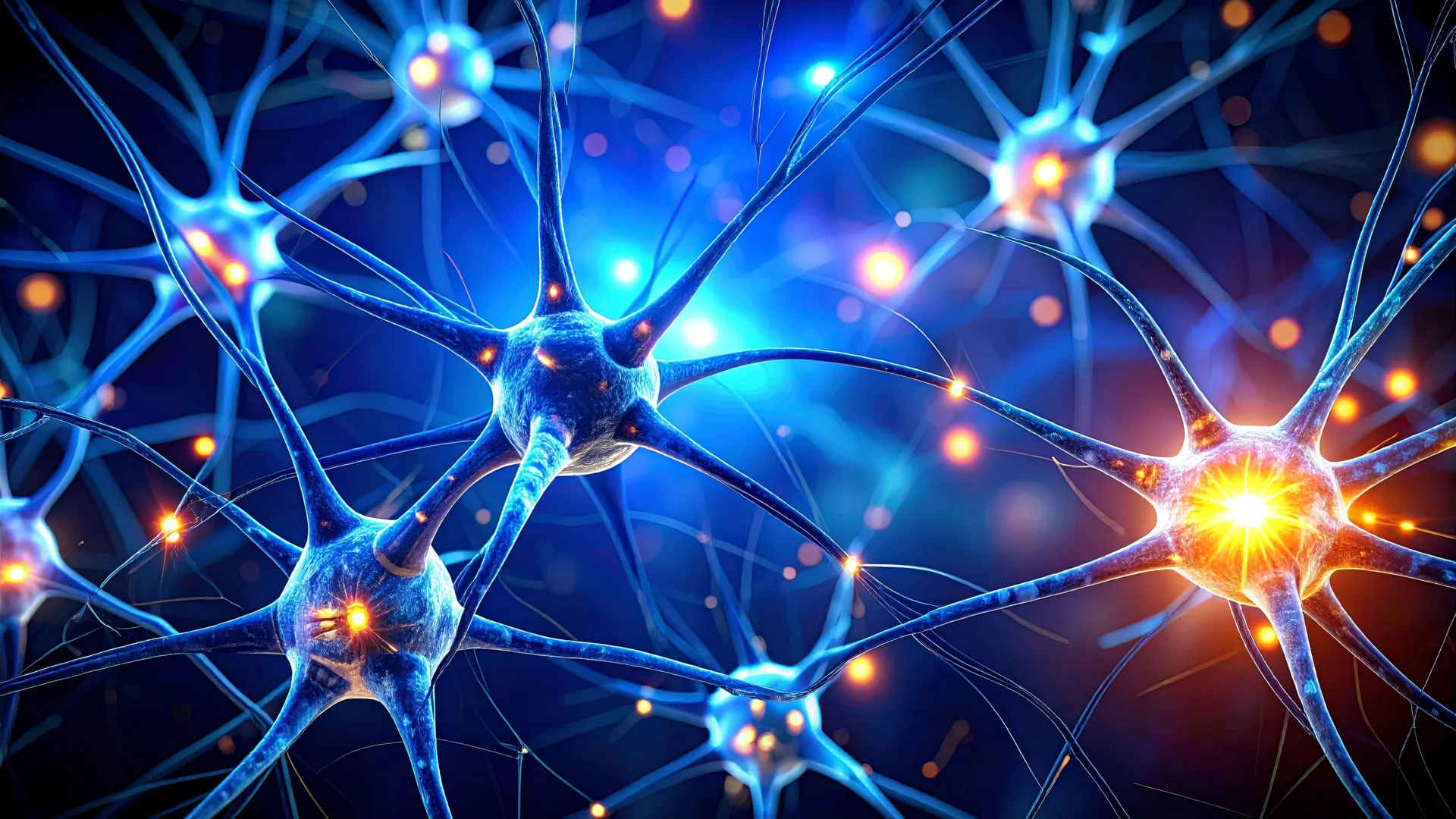
  • A lasting brain switch in addiction and stress: Why ΔFosB is drawing new attention in mental health research

    A lasting brain switch in addiction and stress: Why ΔFosB is drawing new attention in mental health research

    Advances in molecular psychiatry are sharpening scientists’ view of how stress and drugs can leave long-lasting marks on the brain. A recent interview published by Genomic Press in the journal Brain Medicine highlights decades of work that helped connect fleeting experiences to persistent changes in behavior.

    In the discussion, neuroscientist Eric J. Nestler, dean of the Icahn School of Medicine at Mount Sinai, traces how early training in brain chemistry led him to focus on the biology behind addiction, depression and resilience. He describes a field that has moved from broad theories toward specific molecules, cell types and circuits that can be measured.

    ΔFosB and long-term brain change

    One of the best-known findings from this line of research centers on ΔFosB, a transcription factor that can build up in reward-related brain circuits after repeated drug exposure and prolonged stress. Unlike many proteins that degrade quickly, ΔFosB can persist for weeks, helping to explain how short periods of exposure may trigger longer-lasting shifts in gene activity.

    Researchers have linked this durability to changes in motivation and reward processing that can raise vulnerability to addiction. The idea is not that one factor explains complex disorders, but that stable molecular signals like ΔFosB can act as a biological bridge between experience and enduring neural adaptation.

    From epigenetics to single-cell tools

    Nestler also points to a major methodological shift in the field, from studying signaling pathways to mapping gene regulation through epigenetic mechanisms such as chromatin modifications. Those approaches have been accelerated by tools that can parse differences across brain regions and, increasingly, across individual neuron types.

    Single-cell methods are now enabling researchers to look for patterns that may be missed when tissue is analyzed in bulk. That trajectory is feeding interest in whether future treatments could be tailored more precisely to particular circuits or cell populations involved in mood and substance-use disorders.

    Why resilience is becoming central

    A notable theme in the interview is a push to study resilience, not only pathology. Experiments in animals have identified molecular and circuit signatures associated with maintaining normal behavior despite stress, raising the possibility of therapies designed to strengthen protective mechanisms.

    Some resilience-oriented strategies are already being tested clinically for depression, reflecting a broader shift toward interventions that aim to improve adaptive capacity as well as relieve symptoms. The interview argues that focusing on what helps certain individuals recover could open complementary pathways for drug development.

    Nestler also underscores the importance of linking animal findings with human evidence, including results from postmortem brain studies in people affected by addiction and stress-related conditions. He warns that politicizing science could slow progress, stressing that medical research should remain independent and broadly beneficial.

  • Gydytoja perspėja: kodėl „Kinder Surprise“ gali ugdyti lošimo įpročius vaikams

    Gydytoja įspėja tėvus atkreipti dėmesį į tai, kaip vaikams veikia net ir iš pažiūros nekaltos staigmenos, tokios kaip „Kinder Surprise“. Pasak specialistės, rizika atsiranda ne dėl paties šokoladinio kiaušinėlio, o dėl įpročio mokėti už nežinomą rezultatą.

    Ji aiškina, kad priklausomybė nuo azartinių lošimų prasideda tada, kai žaidimas nustoja būti pramoga ir ima valdyti žmogų. Pagrindiniai požymiai yra kontrolės praradimas, vis didesnis prioritetas lošimui ir elgesio tęstinumas net patiriant neigiamas pasekmes.

    „Pagal PSO apibrėžimą lošimo sutrikimas priskiriamas priklausomybę sukeliančio elgesio sutrikimams ir pasižymi sutrikusia savikontrole, augančiu lošimo prioritetu bei elgesio tęsiniu nepaisant žalos“, – sakė gydytoja.

    Specialistė pabrėžia, kad pats staigmenos principas dar nereiškia azartinio lošimo. Klasikinis „Kinder Surprise“ paprastai nesuteikia piniginio laimėjimo ar jausmo, kad galima uždirbti, todėl daugeliu atvejų nėra prilyginamas lošimui.

    Tačiau rizika didėja, kai staigmenos perkamos dažnai ir susiformuoja kartojimo poreikis. Pasak gydytojos, vienkartinis pirkinys dažniau lieka smagia patirtimi, o nuolatinis kartojimas jau tampa elgesio modeliu, kurį vaikui sunkiau kontroliuoti.

    Didžiausias psichologinis kabliukas slypi nenuspėjamume: smegenys linkusios siekti pakartojimo ne tik dėl rezultato, bet ir dėl laukimo jausmo. Kai vaikas ima galvoti, kad kitą kartą tikrai pasiseks ar kad būtina gauti retą figūrėlę, tai gali stiprinti kompulsinį norą pirkti dar.

    Gydytoja ragina tėvus stebėti, ar po staigmenos pirkimo neatsiranda užsisukantis ratas: vaikas prašo vis daugiau, stipriai nusivilia negavęs norimo žaislo arba ima nuolat žiūrėti išpakavimų vaizdo įrašus ir po jų vėl reikalauja naujų pirkinių. Tokiais atvejais, anot jos, verta kalbėtis apie pinigų vertę, ribas ir aiškiai sutarti dėl pirkimų dažnio.

    Anot specialistės, svarbu nepainioti atsitiktinio žaislo su agresyvesniais formatais, kurie paremti nuolatiniu kartojimu, ribotomis serijomis ir spaudimu pirkti čia ir dabar. Būtent tokie mechanizmai labiau primena lošimo logiką, nes skatina vaiką siekti vis naujo bandymo ir kelia iliuziją, kad sėkmė jau visai arti.

  • Krekenavoje mokiniams – atviras pokalbis apie kvaišalus, priklausomybę ir realias pasekmes

    Paauglystė ir rizikingi pasirinkimai

    Paauglystė dažnai tampa laiku, kai noras pritapti, smalsumas ir emociniai svyravimai skatina išbandyti psichoaktyviąsias medžiagas. Specialistai pabrėžia, kad šiame amžiuje ypač svarbios ankstyvos, aiškios ir faktais paremtos prevencinės žinutės.

    Krekenavos Mykolo Antanaičio gimnazijoje surengto užsiėmimo metu su mokiniais kalbėta apie kvaišalų keliamą riziką, priklausomybės mechanizmus ir tai, kodėl „vienas kartas“ paaugliui gali turėti didesnę kainą nei suaugusiajam.

    Kodėl paauglių smegenys jautresnės?

    Mokiniams priminta, kad paauglių smegenys dar vystosi, todėl yra jautresnės cheminiams poveikiams. Psichoaktyviosios medžiagos gali trikdyti dėmesį, atmintį, savikontrolę ir sprendimų priėmimą, o tai tiesiogiai atsiliepia mokymosi rezultatams ir kasdieniam funkcionavimui.

    Akcentuota ir tai, kad ankstyvas vartojimas didina tikimybę greičiau pereiti nuo eksperimentavimo prie žalingo vartojimo. Priklausomybė paprastai veikia ne tik elgesį, bet ir emocinę savijautą: gali stiprėti nerimas, dirglumas, prastėti miegas, didėti konfliktų šeimoje bei mokykloje rizika.

    Mitai apie „mažiau kenksmingus“ produktus

    Užsiėmimo metu aptarta, kad dalis paauglių klaidingai vertina elektronines cigaretes ar kitus nikotino produktus kaip „saugesnę“ alternatyvą. Visuomenės sveikatos specialistai atkreipia dėmesį, jog nikotinas gali skatinti priklausomybę, o įkvepiami aerozoliai dirgina kvėpavimo takus ir gali bloginti savijautą, ypač fizinio krūvio metu.

    Taip pat kalbėta apie apsinuodijimo riziką ir neteisingą vartojimo „kontrolės“ įsivaizdavimą, kai nežinoma produkto sudėtis ar stiprumas. Pabrėžta, kad pavojus didėja, kai medžiagos maišomos tarpusavyje arba vartojamos neaiškiomis aplinkybėmis.

    „Paaugliai dažnai svarsto, ar priklausomybę sunkiau įveikti fiziškai ar psichologiškai, tačiau praktikoje šie dalykai beveik visada persipina“, – sakė Panevėžio rajono visuomenės sveikatos biuro psichologė Berta Radvilaitė.

    Diskusijoje mokiniai aptarė abstinencijos požymius, aiškinosi, ar psichoaktyviosios medžiagos iš tiesų „nuima stresą“, ir kodėl trumpalaikis palengvėjimas neretai virsta ilgalaikiu sunkumu. Daug dėmesio skirta ir klausimui, ar medžiagos visiškai pasišalina iš organizmo nutraukus vartojimą bei kaip tai susiję su savijauta.

    Susitikimo metu nagrinėtos naujų psichotropinių medžiagų atsiradimo priežastys, jų kintanti sudėtis ir platinimo formos. Mokiniai taip pat aptarė, kokiais būdais jaunimas gali būti klaidinamas, kaip slepiamas platinimas ir kodėl kritinis mąstymas tampa vienu svarbiausių „apsaugos įrankių“ kasdienėse situacijose.

    Užsiėmimo pabaigoje akcentuota, kad prevencija neveikia be atviro dialogo. Jauni žmonės turi žinoti, kur kreiptis pagalbos, jei susiduria su spaudimu, nerimu ar pasiūlymais išbandyti medžiagas, o tėvų, mokyklos ir specialistų bendradarbiavimas išlieka esminė sąlyga mažinant rizikingą elgesį.