Tag: Dirbtinis intelektas

  • Jimas Crameris sudėliojo DI laimėtojų sąrašą 2026-iesiems: štai kur, jo manymu, plauks pinigai

    Jimas Crameris sudėliojo DI laimėtojų sąrašą 2026-iesiems: štai kur, jo manymu, plauks pinigai

    DI bumas plečiasi už technologijų ribų

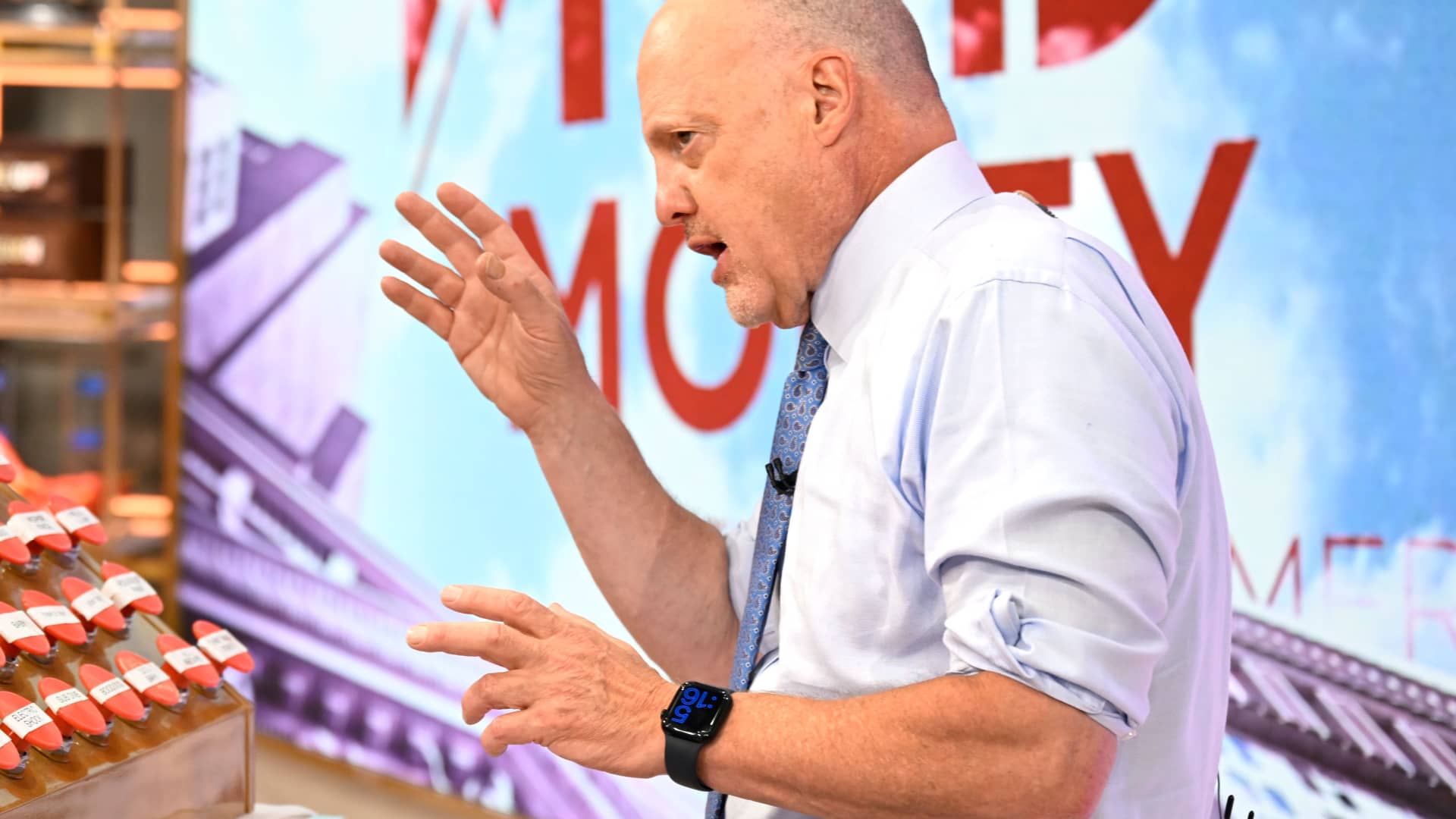
    JAV rinkų komentatorius Jimas Crameris teigia, kad duomenų centrų ir dirbtinio intelekto bumas tampa vis labiau visa apimančiu reiškiniu, o nauda ima sklisti po įvairius sektorius – nuo energetikos iki pramonės. Jo vertinimu, tai nebe siaura technologijų istorija, o platesnis ekonomikos persitvarkymas, kurį skatina milžiniškos investicijos į skaičiavimo galią.

    Tokį vaizdą sustiprina ir didžiųjų technologijų bendrovių kryptis: „Microsoft“, „Amazon“ ir „Google“ per savo debesijos padalinius didina pajėgumus, kad galėtų aptarnauti augantį DI modelių poreikį. Rinkoje tai dažnai atsispindi stipresniais lūkesčiais įmonėms, kurios tiekia infrastruktūrą, įrangą ir energiją.

    Penkių sluoksnių „pyragas“: kas laimi iš DI

    Aiškindamas, kodėl DI tema paliečia vis daugiau bendrovių, Crameris rėmėsi „Nvidia“ vadovo Jenseno Huango populiarinta penkių sluoksnių schema. Ji aprašo susijusių pramonės šakų grandinę, kur kiekvienas sluoksnis yra būtinas tam, kad DI sprendimai veiktų ir būtų diegiami mastu.

    Pirmasis sluoksnis – energija. Duomenų centrams reikia didžiulių elektros kiekių, todėl investuotojų dėmesys dažniau krypsta į elektros gamintojus ir tinklų infrastruktūros grandį, o šalia to – įrangą, kuri padeda užtikrinti patikimą tiekimą ir rezervą.

    Antrasis sluoksnis – puslaidininkiai. Crameris kaip pavyzdžius mini „Nvidia“ ir jos konkurentus, taip pat atminties, duomenų saugyklų ir lustų gamybos įrangos bendroves, nes be jų neįmanoma nei treniruoti, nei vykdyti DI modelių dideliu mastu.

    Trečiasis sluoksnis – duomenų centrų techninė infrastruktūra. Čia patenka serveriai, aušinimas, elektros įranga, tinklo sprendimai ir optiniai ryšiai, nes būtent šios sritys leidžia sujungti tūkstančius spartintuvų į vieną veikiančią sistemą ir išlaikyti stabilų darbą.

    Nuo debesijos iki programų: viršutinis sluoksnis

    Ketvirtasis sluoksnis – DI modeliai ir debesija. Cramerio logika paprasta: kuo daugiau įmonių diegia DI, tuo daugiau skaičiavimo ir duomenų apdorojimo perkelia į debesijos platformas, o tai didina paklausą tokiems sprendimams kaip „Microsoft“ Azure, „Amazon“ Web Services ar „Google Cloud“.

    Penktasis sluoksnis – programos, su kuriomis tiesiogiai dirba vartotojai ir verslai. Jis pabrėžia, kad būtent šiame etape DI tampa matomas kasdienybėje, o spartėjantis įrankių diegimas skatina naują paklausą visai grandinei – nuo elektros iki tinklų ir lustų.

    „Dirbtinis intelektas yra neišvengiamas. Jis nuožmus. Ir jis neša turtus tiems, kurie tuo patikėjo“, – sakė J. Crameris.

    Vis dėlto tokios rekomendacijos išlieka nuomonės pobūdžio ir negarantuoja rezultatų. Analitikai dažnai pabrėžia, kad DI temoje svarbiausios rizikos yra vertinimų šuoliai, cikliškos puslaidininkių paklausos bangos, energijos ir tinklų pralaidumo ribojimai bei griežtėjantis reguliavimas, ypač duomenų ir modelių naudojimo srityse.
  • „Super Micro“ akcijos šovė 18 proc.: pajamos padvigubėjo, bet įspėja dėl trukdžių

    „Super Micro“ akcijos šovė 18 proc.: pajamos padvigubėjo, bet įspėja dėl trukdžių

    Rinka sureagavo į prognozes

    Serverių gamintoja „Super Micro Computer“ po prekybos sesijos sulaukė stipraus investuotojų dėmesio, kai paskelbė geresnes nei tikėtasi ateinančio ketvirčio prognozes. Bendrovės akcijos šoktelėjo apie 18 proc., nors ketvirčio pajamos nepasiekė analitikų lūkesčių.

    Įmonė pranešė, kad per jos fiskalinį trečiąjį ketvirtį, pasibaigusį kovo 31 dieną, pajamos per metus išaugo 123 proc. Toks šuolis siejamas su itin didele serverių paklausa, kurią skatina DI infrastruktūros plėtra ir duomenų centrų modernizavimas.

    Kas nutiko su pajamomis

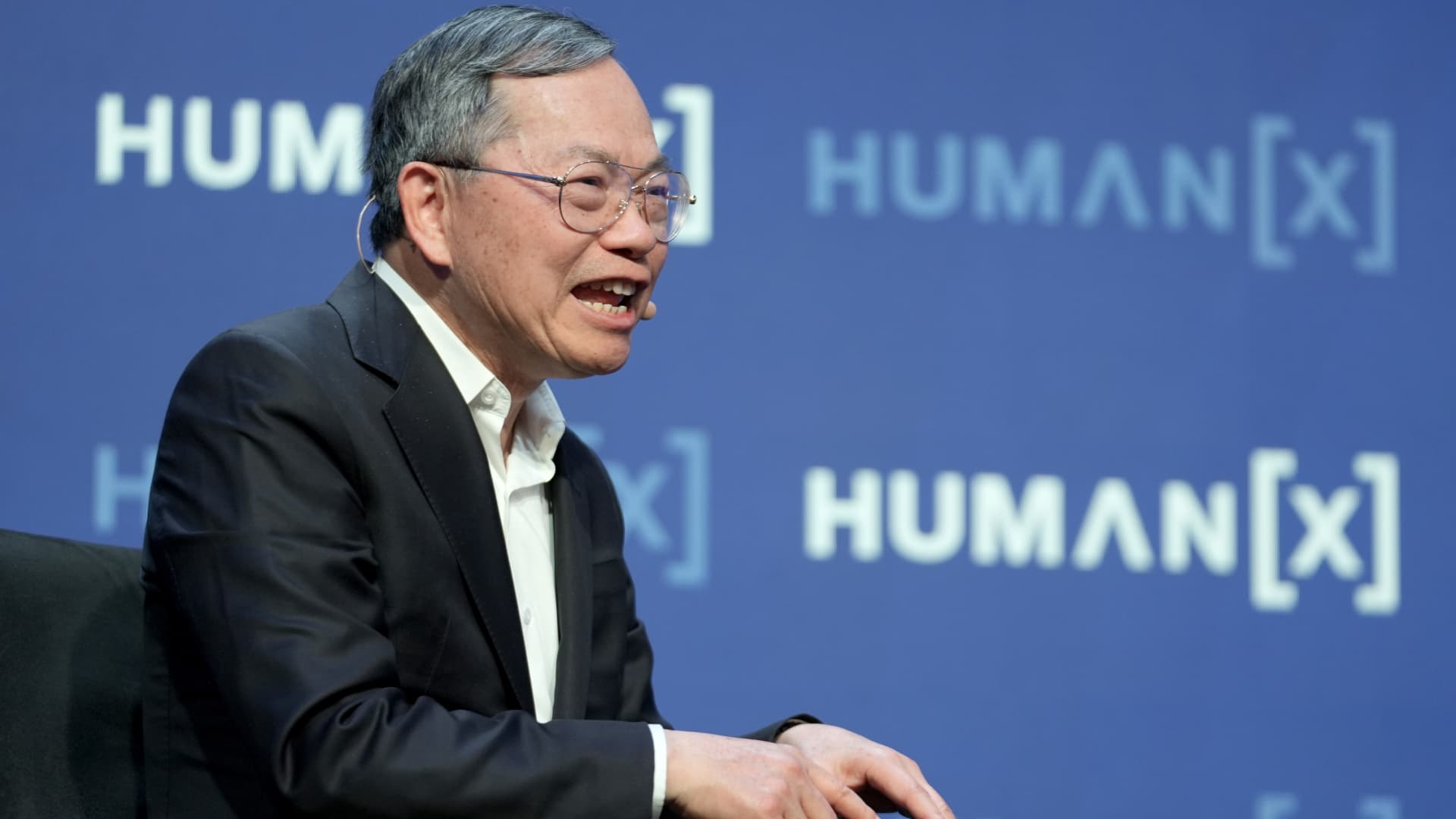
    Vadovas Charlesas Liang investuotojams aiškino, kad dalies pardavimų nepavyko laiku pripažinti dėl klientų pasirengimo trūkumų. Pasak jo, kai kuriems užsakovams dar trūko elektros galios ir tinklo infrastruktūros, reikalingos debesijos diegimams.

    „Keli klientai dar nebuvo pasiruošę elektros galios ir tinklo sprendimams, todėl šias pajamas tikimės perkelti į ateinančius ketvirčius“, – sakė Charlesas Liang.

    Finansų vadovas Davidas Weigandas taip pat akcentavo tiekimo grandinės spaudimą, kuris vis dar jaučiamas visame sektoriuje. Bendrovė nurodė, kad brangstanti atmintis ir kai kurių komponentų stoka gali riboti pristatymų tempą ir maržas.

    Prognozės pranoko lūkesčius

    Fiskaliniam ketvirtajam ketvirčiui „Super Micro“ pateikė pakoreguoto pelno vienai akcijai ir pajamų rėžius, kurie rinkoje buvo įvertinti palankiai. Būtent prognozės tapo pagrindiniu katalizatoriumi akcijų kainos šuoliui, net ir esant silpnesniam nei tikėtasi paskelbtam pajamų rezultatui.

    Bendrovė pastaraisiais metais sustiprino pozicijas kaip vienas iš žaidėjų, galinčių greitai sukomplektuoti didelio našumo serverius, dažnai komplektuojamus su „Nvidia“ grafikos procesoriais. DI skaičiavimams skirtų lustų paklausa išlieka viena svarbiausių viso duomenų centrų segmento varomųjų jėgų.

    Rizikos: tyrimai, kontrolė ir eksportas

    Kartu su augimu didėja ir reguliacinė bei reputacinė rizika: JAV prokurorai anksčiau buvo paskelbę kaltinimus asmenims, susijusiems su nenurodyta JAV serverių bendrove, dėl neteisėto „Nvidia“ serverių nukreipimo į Kiniją. Nors kaltinamajame akte bendrovės pavadinimas nebuvo įvardytas, „Super Micro“ pripažino, kad tarp minimų asmenų buvo buvęs vienas iš jos vadovų.

    „Atrodo, kad „Super Micro“ tapo sudėtingų schemų auka, kurios apgavo tiek federalines institucijas, tiek mūsų vidaus atitikties komandą“, – sakė Charlesas Liang.

    Įmonė tvirtina, kad reikšmingo neigiamo poveikio klientų santykiams nejaučia, o partnerystės su pagrindiniais technologijų tiekėjais išlieka stabilios. Vis dėlto rinkos dalyviai tokius epizodus vertina kaip papildomą rizikos veiksnį, ypač griežtėjant JAV eksporto kontrolei ir augant geopolitinei įtampai technologijų tiekimo grandinėse.

    Gamybos plėtra ir paklausos banga

    „Super Micro“ taip pat akcentuoja gamybos plėtrą Silicio slėnyje, kur didina pajėgumus projektavimui, testavimui, surinkimui ir aptarnavimui. Bendrovė viešai skelbė, kad vienas iš naujų objektų regione turėtų viršyti apie 66 000 kvadratinių metrų plotą, o tai rodo ambiciją atliepti ilgalaikę duomenų centrų paklausą.

    Analitikai dažnai pabrėžia, kad DI infrastruktūros ciklas gali būti nepastovus: užsakymai priklauso nuo klientų kapitalo investicijų planų, elektros įvado ir aušinimo sprendimų parengties. Dėl to net ir sparčiai augančios įmonės gali susidurti su pajamų pripažinimo „bangavimu“ tarp ketvirčių.

    Artimiausiu metu investuotojų dėmesys kryps į tai, ar „Super Micro“ pavyks realizuoti atidėtus užsakymus, suvaldyti komponentų pasiūlos rizikas ir išlaikyti augimo tempą DI serverių segmente. Ne mažiau svarbu bus ir tai, kaip bendrovė stiprins atitikties kontrolę, kad panašūs atvejai nesikartotų.

  • Sankcionuota „SenseTime“ meta iššūkį „OpenAI“: pigesni DI modeliai gali laimėti lenktynes

    Sankcionuota „SenseTime“ meta iššūkį „OpenAI“: pigesni DI modeliai gali laimėti lenktynes

    Pasaulinė dirbtinio intelekto rinka vis labiau primena ištvermės varžybas, kuriose svarbu ne tik naujausi modeliai, bet ir jų kaina. Kinijoje per pastaruosius mėnesius naujais sprendimais varžosi „DeepSeek“, „Moonshot AI“, „Alibaba“ ir „Xiaomi“, o spaudimas mažinti sąnaudas tik auga.

    Tokiame fone ankstyvas Kinijos DI žaidėjas „SenseTime“ bando persigrupuoti ir įrodyti, kad pigesni modeliai gali būti konkurencingi. Bendrovė, ilgą laiką siejama su veidų ir vaizdų atpažinimo technologijomis, dabar daugiau dėmesio skiria generatyviniam ir daugiarūšiam DI.

    „SenseTime“, įkurta 2014 metais Honkonge, yra susidūrusi su Jungtinių Valstijų sankcijomis dėl kaltinimų, susijusių su stebėsena Sindziango regione, kuriuos bendrovė neigia. Tokie apribojimai reiškia sudėtingesnį priėjimą prie dalies technologijų ir kapitalo, todėl efektyvumas tampa ne pasirinkimu, o būtinybe.

    Kuo išsiskiria „SenseNova U1“

    Naujausias bendrovės pristatomas modelis „SenseNova U1“ orientuotas į daugiarūšį apdorojimą, kai vienoje sistemoje apjungiami tekstiniai ir vaizdiniai duomenys. „SenseTime“ teigia, kad toks sujungimas gali didinti greitį ir mažinti resursų poreikį, nes sumažėja tarpiniai konvertavimo žingsniai.

    „OpenAI“ kuriami vaizdų generavimo sprendimai pateikia labai aukštos kokybės rezultatą, tačiau „SenseTime“ akcentuoja kainą. Bendrovės vyriausiasis mokslininkas ir bendraįkūrėjas Lin Dahua tikina, kad daugeliui praktinių užduočių nebūtinas pats brangiausias modelis, jei pigesnis patikimai išsprendžia didžiąją dalį poreikių.

    „Daugeliu atvejų jums nereikia paties geriausio modelio, jei jis susitvarko su dauguma užduočių“, – sakė Lin Dahua.

    Modelių lenktynės virsta verslo lenktynėmis

    Rinkoje vis aiškiau matyti, kad technologinis pranašumas nebūtinai garantuoja tvarų verslą. Analitikai pabrėžia, kad vien modelius kuriantiems žaidėjams tenka spręsti sudėtingą uždavinį: didelės apmokymo ir infrastruktūros sąnaudos, ribotas lojalumas ir menka diferenciacija perpildytoje rinkoje.

    Tuo tarpu didžiosios platformos, tokios kaip „Alibaba“, „Tencent“ ar „ByteDance“, dažnai turi pranašumą dėl pinigų srautų, vartotojų bazės ir gebėjimo DI sprendimus įdiegti į esamus produktus. Vis dėlto net ir joms DI investicijos gali spausti pelningumą, ypač augant skaičiavimo galios poreikiui.

    „SenseTime“ pabrėžia, kad bando išsiskirti ne tik modeliu, bet ir pilnu paketu: infrastruktūra, pritaikomosiomis programomis ir paslaugų kokybe. Bendrovė daug dėmesio skiria verslo klientams, kurie dažniau reikalauja stabilumo, sutartinių paslaugų lygių ir yra mažiau linkę dažnai keisti tiekėjus.

    Finansiniu požiūriu „SenseTime“ skelbė, kad pernai jos grynasis nuostolis sumažėjo 58,6 proc., o antrą metų pusmetį pirmą kartą po įtraukimo į biržą fiksuotas teigiamas EBITDA rodiklis. Investuotojams tai svarbus signalas, nes DI rinkoje vis daugiau dėmesio skiriama ne pažadams, o gebėjimui uždirbti.

    Kainų karai ir plėtra be JAV

    DI paslaugų kainodara Kinijoje juda skirtingomis kryptimis: vieni žaidėjai mažina kainas ir siūlo nuolaidas, kiti jas kelia, bandydami greičiau komercializuoti pažangesnius modelius. Kartu debesijos paslaugų teikėjai susiduria su iššūkiu, nes didėjanti paklausa didina ir skaičiavimo resursų kainą.

    „SenseTime“ savo tarptautinę plėtrą vis labiau orientuoja į Pietryčių ir Šiaurės Aziją, Artimuosius Rytus, taip pat mini Braziliją. Esant JAV eksporto ir investicijų ribojimams, bendrovė akcentuoja, kad reali kova vyksta regioninėse rinkose, kur sprendimą dažnai nulemia ne maksimalus technologinis įmantrumas, o patikimumas ir konkurencinga kaina.

    „Tvarumas ilgainiui priklauso nuo išskirtinės vertės, o ne vien trumpalaikių nuolaidų“, – sakė Lin Dahua.

  • „AMD“ šovė 15 proc.: pajamos ir prognozės nustebino, o duomenų centrai tapo varikliu

    „AMD“ šovė 15 proc.: pajamos ir prognozės nustebino, o duomenų centrai tapo varikliu

    JAV lustų gamintoja „Advanced Micro Devices“ (AMD) paskelbė 2026 metų pirmojo ketvirčio rezultatus, kurie pranoko analitikų lūkesčius, o bendrovės akcijų kaina po prekybos šoktelėjo apie 15 proc. Rinką ypač įtikino duomenų centrų segmento šuolis ir aukštesnė nei tikėtasi pajamų prognozė.

    Bendrovė nurodė, kad per ketvirtį gavo 10,25 mlrd. JAV dolerių pajamų, kai rinka tikėjosi apie 9,89 mlrd. JAV dolerių. Perskaičiavus, tai yra maždaug 9,5 mlrd. eurų pajamų, kai lūkesčiai siekė apie 9,2 mlrd. eurų.

    Duomenų centrų pardavimai, anot bendrovės, augo 57 proc. iki 5,8 mlrd. JAV dolerių, arba maždaug 5,3 mlrd. eurų. Grynas pelnas taip pat didėjo: iki 1,38 mlrd. JAV dolerių, tai yra apie 1,3 mlrd. eurų, palyginti su 709 mln. JAV dolerių prieš metus.

    AMD prognozuoja, kad 2026 metų antrojo ketvirčio pajamos sieks apie 11,2 mlrd. JAV dolerių, arba maždaug 10,3 mlrd. eurų. Tai viršija rinkos prognozes, kurios buvo apie 10,52 mlrd. JAV dolerių, arba maždaug 9,7 mlrd. eurų.

    Bendrovės vadovė Lisa Su pabrėžė, kad duomenų centrų padalinys tapo pagrindiniu AMD pajamų ir pelno augimo varikliu. Pasak jos, serverių segmento plėtra turėtų dar paspartėti, kai įmonė didins pasiūlą, kad patenkintų paklausą.

    Šis rezultatas atspindi platesnę rinkos tendenciją: DI skaičiavimų bumas kelia tiek GPU, tiek CPU paklausą, o investuotojai vis dažniau ieško alternatyvų rinkos lyderei „Nvidia“. AMD jau seniai stipri centrinių procesorių rinkoje, tačiau dabar agresyviau plečia ir sprendimus, skirtus DI apkrovoms duomenų centruose.

    Vis dėlto sektoriui išlieka rizikų: lustų pramonė susiduria su gamybos ir pažangaus pakavimo pajėgumų įtampa, o tiekimo grandines veikia geopolitiniai veiksniai. Tokios aplinkybės gali daryti įtaką komponentų prieinamumui ir pristatymų terminams, todėl prognozių įgyvendinimas rinkoje bus stebimas itin atidžiai.

    AMD taip pat signalizuoja, kad neapsiribos atskirais lustais ir sieks didesnės vertės infrastruktūros pardavimų, siūlydama pilnus sprendimus duomenų centrams. Tokia kryptis leidžia tikėtis didesnių kontraktų su didžiosiomis technologijų įmonėmis, tačiau kartu didina konkurencinį spaudimą, nes varžovai investuoja į panašias pilno „rack“ lygio sistemas.

    Rinkai svarbu ir tai, kad bendrovė kalba apie didėjančią pasitikėjimo atsargų ir tiekimo mastelio didinimu trajektoriją. Jei AMD pavyks stabiliai auginti duomenų centrų pajamas ir išlaikyti maržas, tai gali reikšti tvirtesnį pagrindą akcijos kainos augimui, net ir esant dideliems sektoriaus ciklams.

  • Penn State wearable sticker pairs biosensors and AI to spot genuine emotions, even behind a calm face

    Researchers at Penn State say they have developed a stretchable, rechargeable sticker designed to detect genuine emotions by combining facial movement data with physiological signals such as skin temperature and heart rate.

    The team argues the approach could help clinicians understand what patients feel in real time, especially when facial expressions alone are misleading or emotions are intentionally concealed.

    In a study published in Nano Letters, the researchers describe a BandAid-sized patch that measures several body signals linked to emotional states, including temperature, humidity, heart rate and blood oxygen levels.

    The device is built from thin, flexible layers of metals such as platinum and gold, shaped to remain sensitive even when bent, pulled or twisted during natural facial movement.

    How the emotion-tracking patch works

    To reduce measurement errors, the sensors are arranged so they operate independently, with protective layers intended to prevent stretching or moisture from distorting readings from neighboring components.

    Alongside the biosignals, facial strain sensors capture subtle changes in expression, and the system fuses those inputs to separate acted emotions from those tied to physiological responses.

    AI training and early accuracy results

    The researchers trained an AI model using repeated facial-expression performances across six categories: happiness, surprise, fear, sadness, anger and disgust.

    In the reported tests, the model classified performed facial expressions with 96.28% accuracy, based on data collected while participants repeatedly displayed each expression.

    To probe real emotions, participants watched video clips intended to elicit feelings while the patch tracked physiological changes associated with emotional arousal.

    The system identified emotions with 88.83% accuracy in those tests, with sensor readings aligning with known links between emotions and changes in metrics such as skin temperature and heart rate.

    Potential uses in telemedicine care

    The patch wirelessly transmits measurements to mobile devices and cloud systems, which the researchers say could support remote monitoring in telemedicine settings.

    The team also says the device is designed to avoid collecting personal information beyond sensor signals, aiming to reduce privacy risks while still enabling clinical interpretation.

    While the work remains at a research stage, the authors suggest the platform could eventually support broader health applications, including monitoring non-verbal patients and tracking conditions where behavioral signals are difficult to assess.

    The project was supported by funding from the U.S. National Institutes of Health and the U.S. National Science Foundation, according to the researchers.

  • Study finds AI still struggles to read social cues in video, a hurdle for self-driving cars and robots

    Humans still outperform today’s artificial intelligence at interpreting social interactions in moving scenes, a skill that underpins safer self-driving cars and more helpful assistive robots. New research from Johns Hopkins University suggests many leading models miss context that people grasp quickly.

    The team examined how well AI systems can infer intentions, relationships, and ongoing actions when people share a scene. These judgments help determine whether two pedestrians are chatting, about to cross the street, or reacting to one another.

    Testing AI against human perception

    In the study, participants watched three-second video clips and rated social features on a one-to-five scale. The clips showed people interacting, doing side-by-side activities, or acting independently.

    Researchers then asked more than 350 AI language, video, and image models to predict human ratings and expected brain responses. For large language models, the systems evaluated short, human-written captions describing the videos.

    Where models fell behind

    People largely agreed with one another across questions, but the AI models did not show the same consistency, regardless of size or training data. Video models often struggled to describe what people were doing, and image models given still frames could not reliably detect communication.

    Language models were comparatively better at predicting how humans would judge behavior, while video models were more aligned with predicted neural activity. Even so, none of the model types matched human responses across the board.

    Why reading the room is hard

    The researchers argue the gap highlights a difference between recognizing objects in static images and understanding the unfolding story in real life. They suggest a potential cause is that many AI architectures draw inspiration from brain systems tuned for static vision rather than dynamic social scenes.

    Lead author Leyla Isik said an autonomous vehicle needs to read intentions and goals, not just identify people and objects. Co-first author Kathy Garcia added that social relationships, context, and dynamics appear to be a persistent blind spot in current model development.

    The findings are being presented at the International Conference on Learning Representations, where researchers will discuss implications for AI that must interact safely with humans. The work adds to a growing body of evidence that high scores on benchmarks do not always translate to robust real-world understanding.

  • AI study finds stroke may make the opposite brain hemisphere look younger, offering new clues on recovery

    AI study finds stroke may make the opposite brain hemisphere look younger, offering new clues on recovery

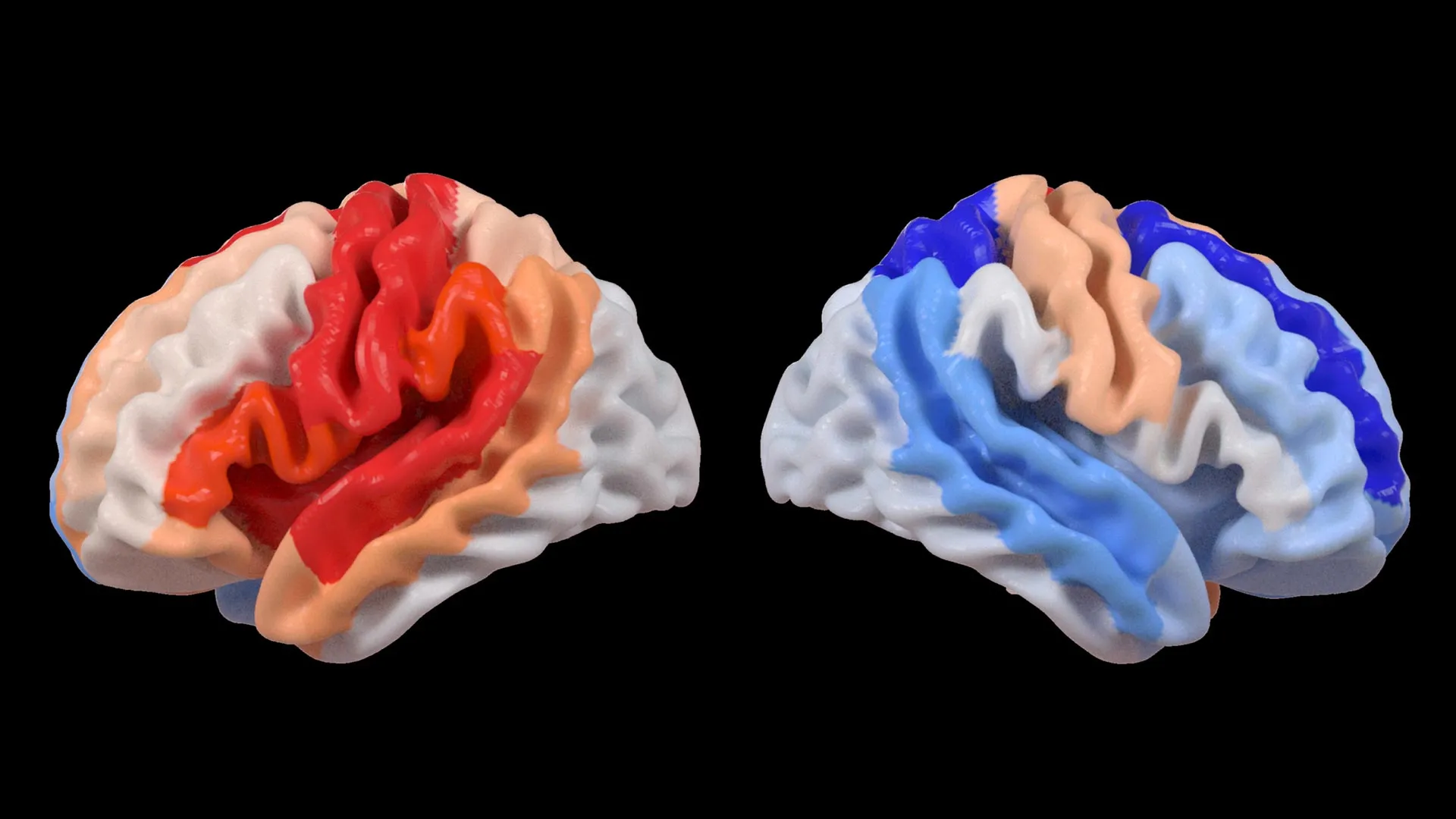
    A new study in The Lancet Digital Health suggests the brain can respond to stroke in a surprising way. Researchers at the USC Mark and Mary Stevens Neuroimaging and Informatics Institute (Stevens INI) found that people with severe physical impairments after a stroke may show signs of a “younger” brain structure in areas that were not damaged. This appears to reflect how the brain adapts and reorganizes itself after injury.

    The research was conducted as part of the Enhancing NeuroImaging Genetics through Meta-Analysis (ENIGMA) Stroke Recovery Working Group. Scientists analyzed brain scans from more than 500 stroke survivors collected across 34 research centers in eight countries. By applying deep learning models trained on tens of thousands of MRI scans, the team estimated the “brain age” of different regions in each hemisphere and examined how stroke affects both structure and recovery.

    “We found that larger strokes accelerate aging in the damaged hemisphere but paradoxically make the opposite side of the brain appear younger,” said Hosung Kim, PhD, associate professor of research neurology at the Keck School of Medicine of USC and co-senior author of the study. “This pattern suggests the brain may be reorganizing itself, essentially rejuvenating undamaged networks to compensate for lost function.”

    AI Reveals Brain Rewiring After Stroke

    To carry out the analysis, researchers used a type of artificial intelligence called a graph convolutional network. This system estimated the biological age of 18 brain regions based on MRI data. They then compared this predicted age with each person’s actual age, a measure known as the brain-predicted age difference (brain-PAD), which serves as an indicator of brain health.

    When these brain age measurements were compared with motor function scores, a clear pattern emerged. Stroke survivors with severe movement impairments, even after more than 6 months of rehabilitation, showed younger-than-expected brain age in regions opposite the site of injury. This effect was especially strong in the frontoparietal network, which plays an important role in movement planning, attention, and coordination.

    “These findings suggest that when stroke damage leads to greater movement loss, undamaged regions on the opposite side of the brain may adapt to help compensate,” Kim explained. “We saw this in the contralesional frontoparietal network, which showed a more ‘youthful’ pattern and is known to support motor planning, attention, and coordination. Rather than indicating full recovery of movement, this pattern may reflect the brain’s attempt to adjust when the damaged motor system can no longer function normally. This gives us a new way to see neuroplasticity that traditional imaging could not capture.”

    Large-Scale Data Reveals Hidden Patterns

    The study relied on ENIGMA, a global collaboration that combines data from more than 50 countries to better understand the brain across different conditions. By standardizing MRI data and clinical information from many research groups, the team created the largest stroke neuroimaging dataset of its kind.

    “By pooling data from hundreds of stroke survivors worldwide and applying cutting-edge AI, we can detect subtle patterns of brain reorganization that would be invisible in smaller studies. These findings of regionally differential brain aging in chronic stroke could eventually guide personalized rehabilitation strategies,” said Arthur W. Toga, PhD, director of the Stevens INI and Provost Professor at USC.

    Toward Personalized Stroke Recovery

    The researchers plan to continue this work by following patients over time, from the early stages after a stroke through long-term recovery. Tracking how brain aging patterns and structural changes evolve could help doctors tailor treatments to each person’s unique recovery process, with the goal of improving outcomes and quality of life.

    Learn more about associations between contralesional neuroplasticity and motor impairment by viewing this video made by the Stevens INI.

    The study, “Deep learning prediction of MRI-based regional brain age reveals contralesional neuroplasticity associated with severe motor impairment in chronic stroke: A worldwide ENIGMA study,” was funded by the National Institutes of Health (NIH) grant R01 NS115845 and supported by international collaborators from institutions including the University of British Columbia, Monash University, Emory University, and the University of Oslo.

  • Hong Kong PolyU researchers unveil AI tool to score large language model personality, with implications for business compliance and education

    Large language models have become a default interface for many AI products, but researchers still struggle to describe their behaviour in a consistent, measurable way. A team at The Hong Kong Polytechnic University says it has built a system that aims to quantify an LLM’s personality based on linguistic output.

    The tool, called Language Model Linguistic Personality Assessment, or LMLPA, is designed to translate model responses into numerical scores tied to personality traits. The researchers describe it as a step toward making model behaviour easier to compare across systems and deployments.

    How the LMLPA system works

    LMLPA combines two components: an adapted version of the Big Five Inventory and an AI rater that grades the model’s answers. The process focuses on patterns such as wording, style and other language features found in generated text.

    By using a standardised questionnaire structure, the approach attempts to bring more consistency to assessments that often rely on subjective impressions. The researchers say the outcome is a data-driven profile that can be tracked and tested across different prompts and settings.

    Why personality metrics could matter

    Developers and organisations increasingly want AI assistants to behave predictably in sensitive contexts, including classrooms, customer support and internal decision workflows. The team argues that quantifying communication tendencies could help tailor a model’s tone and interaction style to a specific use case.

    The researchers also point to potential value in governance and oversight, where firms are under pressure to document how AI tools behave and how risks are managed. They suggest that structured behavioural metrics could complement existing evaluation methods focused on accuracy and safety.

    From research to compliance applications

    PolyU said the work has also informed a business compliance platform that uses natural language processing to analyse large volumes of reports and other text. In that context, automation is intended to speed up data collection, analysis and insight generation for reporting tasks.

    The study, led by Prof. Lik-Hang Lee of PolyU’s Department of Industrial and Systems Engineering, was published in the journal Computational Linguistics. The researchers position LMLPA as part of a broader effort to align AI systems with human values and practical operational needs.

  • AI-built molecular atlas maps Alzheimer’s brain beyond amyloid plaques, pointing to overlooked metabolic shifts

    AI-built molecular atlas maps Alzheimer’s brain beyond amyloid plaques, pointing to overlooked metabolic shifts

    Researchers at Rice University have created a label-free molecular atlas of the Alzheimer’s brain in an animal model, using laser-based imaging paired with artificial intelligence. The work aims to clarify how the disease emerges and spreads beyond what standard pathology typically captures.

    The study used hyperspectral Raman imaging, an advanced form of Raman spectroscopy that reads chemical fingerprints in tissue without dyes or fluorescent tags. By scanning brain slices at high resolution, the team generated a detailed chemical map designed to reflect the brain’s native state.

    What the imaging revealed

    Analysis indicated that Alzheimer’s-linked chemical changes were not limited to amyloid plaques. Instead, the alterations appeared across multiple brain regions, with uneven patterns that could help explain why symptoms develop gradually and differ between individuals.

    To handle the large dataset, the researchers applied both unsupervised and supervised machine learning methods. Unsupervised tools grouped tissue by molecular similarity, while supervised models helped distinguish Alzheimer’s-affected samples from controls across different regions.

    Metabolic signals in key regions

    Beyond protein-related pathology, the maps pointed to broader metabolic differences, including shifts in cholesterol and glycogen signals. The strongest contrasts were reported in brain regions central to memory and cognition, including the hippocampus and cortex.

    The authors argue that these molecular patterns support a wider view of Alzheimer’s as a disorder involving disrupted brain structure and energy balance, not only plaque formation. They say a whole-brain, label-free approach could help surface changes that targeted assays might miss.

    While the findings are based on an animal model and would need validation in human tissue, the researchers suggest the approach could eventually inform earlier detection strategies and more region-specific treatment research. The study was published in ACS Applied Materials and Interfaces with support from U.S. federal research funders.

  • Waseda Researchers Apply Attachment Theory to Human-AI Bonds: What EHARS Reveals About Anxiety and Avoidance

    As AI chatbots and digital assistants become part of daily life, researchers are looking beyond trust and usefulness to understand the emotional side of human-AI interaction. A team at Waseda University argues that attachment theory, long used to explain human bonds, can also help explain why some people turn to AI for comfort and guidance.

    The researchers developed a new self-report measure called the Experiences in Human-AI Relationships Scale, or EHARS, to capture how users relate to AI in ways that resemble attachment patterns. The work, based on two pilot studies and a formal study, was published in Current Psychology in May 2025.

    Measuring attachment anxiety and avoidance

    EHARS focuses on two dimensions: attachment anxiety and attachment avoidance toward AI systems. Higher anxiety is linked to seeking reassurance and worrying that an AI will respond inadequately, while higher avoidance reflects discomfort with emotional closeness and a preference for distance.

    In the study, nearly 75% of participants reported turning to AI for advice, suggesting that many people already treat AI as a source of guidance. About 39% described AI as a constant, dependable presence, a finding the authors say is relevant to how emotional security can be sought through technology.

    What the findings do and do not mean

    The authors emphasize that the results do not prove people are forming genuine human-like attachments to AI. Instead, the study indicates that established psychological frameworks may help describe patterns in human-AI relationships as these tools become more conversational and socially responsive.

    That distinction matters because AI systems can simulate empathy without experiencing it, potentially shaping user expectations and dependency. Researchers and ethicists have increasingly warned that emotionally persuasive interfaces can heighten risks for vulnerable users, particularly in loneliness and mental health contexts.

    Implications for ethical AI design

    The team suggests EHARS could help designers and researchers evaluate how different users emotionally engage with AI, informing safer interaction patterns. In practice, that could mean more transparent disclosures, careful use of relational language, and guardrails to reduce overreliance where attachment anxiety appears high.

    As AI companions, coaching bots, and therapy-adjacent apps expand, measuring emotional dynamics may become as important as testing accuracy and security. The Waseda study positions attachment-informed evaluation as one tool for aligning AI behavior with user well-being and responsible product design.