Blog

  • Parkinson’s trial explores iPSC brain cell implants to restore dopamine and movement

    Parkinson’s trial explores iPSC brain cell implants to restore dopamine and movement

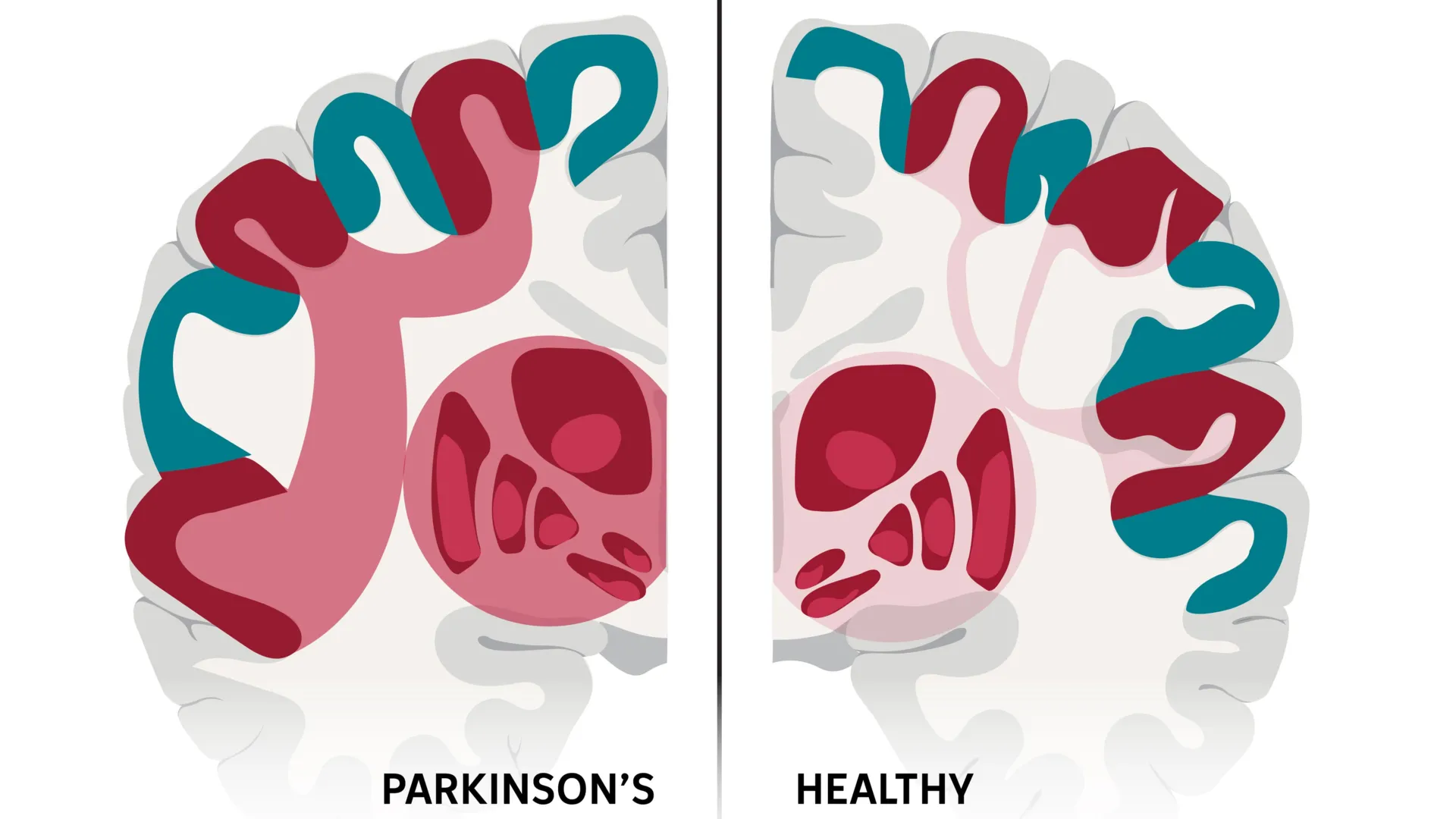
    Doctors at Keck Medicine of USC are taking part in an early-stage clinical trial testing whether implanted stem cell-derived brain cells can help people with Parkinson’s disease regain motor function. The approach aims to replace lost dopamine-producing cells and potentially reduce symptoms driven by dopamine decline.

    Parkinson’s is a progressive neurological condition that affects movement and can also influence mood and cognition. In the United States, more than 1 000 000 people live with the disease, and roughly 90 000 new cases are diagnosed each year, according to recent estimates.

    Aiming to restore dopamine production

    The trial focuses on replenishing dopamine, a key chemical messenger needed for smooth, coordinated movement. As dopamine-producing neurons deteriorate, people may develop tremor, muscle rigidity, slowed movement, and walking and balance difficulties.

    Standard therapies such as levodopa and deep brain stimulation can improve symptoms for many patients, but they do not replace the underlying lost cells. Researchers hope cell replacement could complement existing care by rebuilding the brain’s dopamine-making capacity.

    How the stem cell procedure works

    The study uses induced pluripotent stem cells, or iPSCs, which are adult cells reprogrammed into a flexible state and then guided to become dopamine-producing neurons. Because iPSCs are not embryonic stem cells, the technology is often presented as a less ethically contentious route for creating specialized cells.

    Neurosurgeons implant the cells into the basal ganglia using imaging guidance, aiming for precise placement in a region central to movement control. Participants are monitored closely for 12 to 15 months for safety signals and changes in Parkinson’s symptoms.

    Safety focus and limited enrollment

    Investigators are watching for risks that can follow brain surgery or cell therapies, including infection and abnormal involuntary movements known as dyskinesia. Longer follow-up is expected to continue for up to five years to better understand durability and longer-term safety.

    Keck Medicine is one of three U.S. sites participating in the Phase 1 REPLACE clinical trial, which plans to enroll 12 people with moderate to moderate-severe Parkinson’s disease. The experimental therapy, called RNDP-001, is being developed by Kenai Therapeutics and has received FDA fast-track designation to support an accelerated review pathway if results warrant it.
  • Study finds listeners use hand gestures to anticipate the next word in conversation

    In face-to-face conversation, people do more than listen to speech: they also read the hands. New research suggests that listeners use meaningful hand gestures to predict which words a speaker is likely to say next, speeding up comprehension.

    The work, led by scientists at the Max Planck Institute for Psycholinguistics and Radboud University in Nijmegen, tested whether gestures provide advance cues about upcoming speech. The team combined behavioural measures with electroencephalography, or EEG, to track how the brain responds.

    Avatars reveal predictive listening

    To tightly control timing and movement, the researchers used realistic virtual avatars that asked everyday questions. In one experiment, the avatar paused just before a key word, such as type, while making either a relevant typing gesture, a meaningless movement, or no movement at all.

    Participants were asked to guess how the sentence would end before hearing the missing word. They predicted the target word more often when they saw the matching gesture, indicating that hand movements can guide expectations about what comes next.

    EEG signals anticipation and easier processing

    A second experiment examined brain activity while a different group simply listened to the full questions. During the silent pause before the target word, EEG patterns associated with anticipation differed depending on whether a meaningful gesture was present.

    After the target word appeared, the brain showed a reduced N400 response when the gesture matched the word, a signal commonly linked to easier semantic processing. Together, the results suggest gestures help listeners prepare for upcoming meaning rather than merely adding emphasis after the fact.

    Implications for robots and assistants

    The findings also point to practical design choices for artificial agents, including robots and virtual assistants that use embodied avatars. If gestures can help humans predict speech in natural conversation, adding well-timed, meaningful hand movements could make synthetic communicators easier to understand.

    Researchers say the broader takeaway is that language comprehension is inherently multimodal. Listeners do not wait passively for words to arrive, but actively integrate visual cues such as gestures to anticipate what a speaker is about to say.

  • Cambridge study links menopause to grey matter decline, raising new questions about HRT and brain health

    Cambridge study links menopause to grey matter decline, raising new questions about HRT and brain health

    Menopause may be associated with measurable changes in brain structure, alongside higher rates of anxiety, depression and sleep disruption, according to new research led by the University of Cambridge using UK Biobank data.

    In a large sample of women, researchers reported lower grey matter volume in several brain regions after menopause, patterns that were broadly similar whether or not participants had used hormone replacement therapy, commonly known as HRT.

    What the researchers analyzed

    The team examined questionnaire, health and cognitive testing data from nearly 125 000 women in the UK Biobank, a long-running project that links health records with detailed participant assessments.

    They also reviewed brain MRI scans from around 11 000 women, allowing comparisons between those who were pre-menopause, post-menopause without HRT use, and post-menopause with HRT use.

    Mental health and sleep symptoms

    Across the dataset, women who had gone through menopause were more likely to report seeking medical help for anxiety, nervousness or depression, and they were more likely to report persistent sleep problems such as insomnia and fatigue.

    Women who used HRT showed higher levels of anxiety and depression than non-users, but the analysis suggested these differences often existed before menopause, indicating HRT may have been prescribed to people already experiencing symptoms.

    Brain regions tied to memory and emotion

    Imaging results showed reduced grey matter volume after menopause in areas involved in memory and emotional regulation, including the hippocampus, entorhinal cortex and anterior cingulate cortex.

    Because some of these regions are also affected early in Alzheimer’s disease, the findings add to ongoing research into why women are diagnosed with dementia more often than men, though the study does not prove menopause causes dementia.

    On cognitive testing, memory scores were broadly similar across groups, but reaction time tended to be slower after menopause, with evidence that HRT use was associated with a smaller decline in reaction speed.

    The authors emphasized that menopause can be a major health transition and argued for greater attention to mental health support, sleep and lifestyle measures such as exercise and diet, alongside individualized medical advice about HRT.

    The study was published in Psychological Medicine, and the researchers noted that further work is needed to clarify how hormone changes, symptom severity, HRT timing and other health factors interact with brain ageing.

  • Study finds earlier bedtimes and longer sleep may sharpen teens cognitive performance, even with small differences

    Adolescents who sleep a little longer and tend to fall asleep earlier show stronger brain function and do better on cognitive tests than peers with later, shorter sleep, according to researchers in the UK and China.

    The findings draw on objective sleep tracking and brain imaging, offering fresh evidence that modest changes in sleep habits may be linked to measurable differences in how the teenage brain works.

    Researchers analyzed data from the Adolescent Brain Cognitive Development study in the United States, using Fitbit sleep measures from more than 3 200 participants aged 11 to 12 and comparing them with brain scans and cognitive testing.

    They then checked whether similar patterns appeared in two additional groups aged 13 to 14, totaling about 1 190 participants, to see if the results held up beyond a single age snapshot.

    The team identified three broad sleep profiles, with average sleep times ranging from about 7 hours 10 minutes to roughly 7 hours 25 minutes, a gap of just over 15 minutes between the shortest and longest sleepers.

    Despite the small difference, adolescents in the longest-sleep group performed best on tests that assess skills such as vocabulary, reading, problem solving, and focus.

    Brain measures differed across groups

    Brain imaging also showed differences that tracked with sleep patterns, with the longest-sleep group showing the largest overall brain volume and stronger brain function measures, while the shortest-sleep group showed the smallest volume and weakest measures.

    The study did not find significant differences in school achievement between groups, suggesting standardized academic outcomes may not capture the subtler cognitive effects observed in testing.

    Heart-rate data during sleep pointed in the same direction: the longest-sleep group had the lowest heart rates across sleep states, while the shortest-sleep group had the highest.

    Lower sleeping heart rates are generally associated with better cardiovascular health and can align with more stable, higher-quality sleep, while higher rates can accompany restless sleep and frequent awakenings.

    Most teens still fell short

    Even the best sleepers in the study were not reaching the amount of sleep typically recommended for adolescents, highlighting how widespread sleep shortfalls can be in early teen years.

    The American Academy of Sleep Medicine advises that teenagers aged 13 to 18 should regularly sleep 8 to 10 hours per night for optimal health, while many fall below that range.

    Because the dataset follows participants over time, researchers reported that differences in sleep patterns and related brain and cognitive measures appeared to persist across multiple years around the main assessment window.

    The authors cautioned that the study cannot prove that better sleep directly causes better brain function, but they noted prior research supporting sleep’s role in memory consolidation and learning.

    What could be driving later bedtimes?

    The researchers said the next step is to better understand why some adolescents consistently go to bed later and sleep less, including potential influences such as evening screen use and individual body-clock differences.

    They argue that identifying the drivers of sleep loss could help shape practical interventions, since the results suggest even small improvements in sleep timing and duration may matter.

  • Why astringent flavanols in cocoa and berries may help trigger brain activity

    Why astringent flavanols in cocoa and berries may help trigger brain activity

    A dry, puckering sensation from cocoa, some berries and red wine is more than a taste quirk, according to emerging research on flavanols. Scientists are increasingly investigating whether astringency itself can act as a rapid signal to the brain, potentially influencing attention and memory.

    Flavanols are a type of polyphenol long associated in population studies and clinical research with cardiovascular benefits, including improved blood vessel function. They have also been linked to cognitive outcomes, but one persistent challenge is that only a small fraction of consumed flavanols is absorbed into the bloodstream.

    A new focus on taste pathways

    In a recent study in Current Research in Food Science, researchers from Shibaura Institute of Technology in Japan proposed that the sensory experience of astringency may help explain flavanols’ outsized effects. The team hypothesized that stimulation in the mouth could transmit signals through sensory nerves to the central nervous system.

    Working with mice, the researchers administered oral doses of flavanols and compared results with a control group given water. The flavanol groups showed higher activity and exploratory behavior and performed better on learning and memory tasks in the experiments.

    Neurochemistry tied to alertness and stress

    Brain measurements suggested changes in neurotransmitter systems associated with attention and arousal, including dopamine-related activity and the locus coeruleus norepinephrine network. The study also reported shifts in markers linked to sympathetic nervous system activity, which plays a key role in alertness and the body’s stress response.

    The researchers interpreted these patterns as evidence that flavanol-driven astringency may function like a mild physiological challenge, with downstream effects that resemble some aspects of exercise-induced activation. They argue this could help reconcile low bioavailability with observed impacts on brain-related outcomes.

    What it means for everyday diets

    The findings do not mean that any bitter or drying food will reliably boost cognition, and the work is primarily an animal study rather than a clinical trial in humans. Still, it adds momentum to the broader scientific push to understand how sensory cues from food can influence the brain quickly, alongside longer-term effects from digestion and circulation.

    Researchers say the idea could inform future work in sensory nutrition, including how foods might be formulated to balance palatability with measurable physiological responses. For consumers, the most evidence-backed approach remains obtaining flavanol-rich foods as part of an overall healthy diet, rather than treating astringency as a standalone brain hack.

  • Parkinson’s Study Points to SCAN Brain Network as a New Treatment Target, With Early Gains From Non-Invasive Stimulation

    Parkinson’s Study Points to SCAN Brain Network as a New Treatment Target, With Early Gains From Non-Invasive Stimulation

    Researchers say they have identified a specific brain network that may sit at the core of Parkinson’s disease, potentially reshaping how the condition is understood and treated. The findings focus on the somato-cognitive action network, or SCAN, which links planning and thinking with physical movement.

    Parkinson’s is a progressive neurological disorder affecting more than 10 million people worldwide, commonly causing tremor, stiffness, slowed movement, sleep disruption and cognitive changes. Standard therapies such as levodopa can ease symptoms for years, while deep brain stimulation can help selected patients, but neither stops disease progression.

    A network view of Parkinson’s

    The international team, led by China’s Changping Laboratory with collaborators including Washington University School of Medicine in St. Louis, analyzed brain imaging data from more than 800 participants across several centers. The dataset included people with Parkinson’s receiving different treatments, along with healthy volunteers and people with other movement disorders for comparison.

    The researchers report that Parkinson’s is marked by unusually strong connectivity between SCAN and deeper brain structures in the subcortex. Across multiple therapies examined, the study found that treatments tended to work better when they reduced this excessive coupling rather than simply stimulating nearby regions.

    Non-invasive stimulation shows early promise

    Building on that signal, the team tested a personalized, high-precision approach using transcranial magnetic stimulation, a non-invasive technique that delivers magnetic pulses through the scalp. In a small trial, 18 patients who received SCAN-targeted stimulation showed a higher response rate after two weeks than 18 patients who received stimulation near, but not on, the SCAN target.

    In the SCAN-targeted group, 56% met the study’s response threshold, compared with 22% in the comparison group, a roughly 2.5-fold difference. The work suggests that matching stimulation more precisely to an individual’s SCAN anatomy could improve outcomes, though larger and longer studies are needed.

    What comes next for SCAN targeting?

    The authors caution that the study does not prove SCAN changes cause Parkinson’s, and the non-invasive results are early-stage. They also note that more basic research is needed to map how different SCAN subregions relate to specific symptoms such as gait, tremor, mood and cognition.

    Even so, the findings add momentum to efforts to move neuromodulation earlier in the disease course, when symptoms are still developing and disability is lower. The researchers say future trials will explore additional non-invasive approaches, including surface electrode stimulation and low-intensity focused ultrasound, to influence SCAN activity more precisely.

    The study was published in Nature on Feb. 4 and was supported by funding from U.S. National Institutes of Health programs and major Chinese research grants. The authors also disclosed multiple industry relationships and patent interests related to neuromodulation and targeting tools, which were reported as managed under institutional conflict-of-interest policies.

  • Precision Treatment for Depression: A New Data-Driven Model Aims to Match Patients With the Therapy Most Likely to Work

    Researchers are moving beyond trial-and-error care for depression with a precision approach designed to better match patients to treatments based on individual characteristics. The effort reflects growing evidence that depression symptoms and recovery paths vary widely from person to person.

    The project, led by psychologists at the University of Arizona and Radboud University, draws on patient-level data from randomized clinical trials across the world. Their protocol, published in PLOS One, outlines how they plan to build a clinical decision support tool for adult depression treatment selection.

    Why first-line care often fails

    Standard care frequently begins with a first-line medication or therapy and then shifts if symptoms persist, a process that can take months. The researchers point to prior findings that roughly half of patients do not respond to an initial treatment, highlighting the need for better targeting.

    Instead of offering broad guidelines, the planned tool would generate a single recommendation by weighing multiple factors at once. These include demographic information such as age and gender, along with clinical features like anxiety symptoms or personality-related difficulties.

    What data the model will use

    The team aggregated outcomes from more than 60 clinical trials involving nearly 10 000 patients, covering several widely used interventions. The treatments include antidepressant medications and multiple psychotherapy approaches, such as cognitive therapy, behavioral therapy, interpersonal therapy and short-term psychodynamic therapy.

    By combining many trials, the researchers aim to overcome limits that can affect prediction models built from single studies with smaller samples. They say the work required years of data cleaning and harmonization before analysis could begin.

    When it could reach clinics

    The next step is to develop the algorithm and then test it in a clinical trial to see whether tool-guided care improves outcomes compared with usual practice. If the results hold up, the system could be deployed as a simple software or web-based application used during routine assessments.

    The researchers argue that the inputs are intentionally practical, relying on information that can be collected through standard questionnaires and basic clinical intake. Their longer-term goal is to help clinicians and patients reach effective treatment faster while using existing mental health resources more efficiently.

  • Late-life depression could precede Parkinson’s or Lewy body dementia, Danish study suggests

    Late-life depression could precede Parkinson’s or Lewy body dementia, Danish study suggests

    While there is currently no cure for Parkinson’s disease or Lewy body dementia, addressing depression early could improve quality of life and overall care for patients as these diseases develop.

    study published in General Psychiatry provides the most detailed longitudinal evidence to date, demonstrating that depression frequently precedes the diagnosis of PD and LBD and remains elevated for several years thereafter.


    Drawing on comprehensive Danish national health registers, the researchers conducted a retrospective case–control study including 17,711 individuals diagnosed with PD or LBD between 2007 and 2019. Researchers compared these patients with people of similar age and sex who were diagnosed with other long-term conditions, including rheumatoid arthritis, chronic kidney disease, and osteoporosis.


    The results showed a clear pattern: depression occurred more often and earlier in people who went on to develop Parkinson’s disease or Lewy body dementia than in those with other chronic illnesses. In the years leading up to diagnosis, the risk of depression rose steadily, peaking in the three years before diagnosis. Even after diagnosis, patients with Parkinson’s disease or Lewy body dementia continued to experience higher rates of depression than the comparison groups.


    Importantly, this pattern could not be fully explained by the emotional burden of living with a chronic illness. Other long-term diseases that also involve disability did not show the same strong increase in depression risk. This suggests that depression may be linked to early neurodegenerative changes in the brain, rather than being only a psychological reaction to declining health.


    The findings were especially striking for Lewy body dementia, where rates of depression were even higher than in Parkinson’s disease, both before and after diagnosis. Researchers note that differences in disease progression and brain chemistry may help explain this trend.


    “Following a diagnosis of PD or LBD, the persistent higher incidence of depression highlights the need for heightened clinical awareness and systematic screening for depressive symptoms in these patients.” first author Christopher Rohde noted “Thus, our main conclusion—that PD/LBD are associated with a marked excess depression risk preceding and following diagnosis when compared with other chronic conditions—remains valid.”


    The authors emphasize that this does not mean everyone with depression will develop Parkinson’s disease or dementia. Instead, they recommend greater awareness and closer monitoring when depression appears for the first time in older adults.


    While there is currently no cure for Parkinson’s disease or Lewy body dementia, addressing depression early could improve quality of life and overall care for patients as these diseases develop.

  • Study finds AI still struggles to read social cues in video, a hurdle for self-driving cars and robots

    Humans still outperform today’s artificial intelligence at interpreting social interactions in moving scenes, a skill that underpins safer self-driving cars and more helpful assistive robots. New research from Johns Hopkins University suggests many leading models miss context that people grasp quickly.

    The team examined how well AI systems can infer intentions, relationships, and ongoing actions when people share a scene. These judgments help determine whether two pedestrians are chatting, about to cross the street, or reacting to one another.

    Testing AI against human perception

    In the study, participants watched three-second video clips and rated social features on a one-to-five scale. The clips showed people interacting, doing side-by-side activities, or acting independently.

    Researchers then asked more than 350 AI language, video, and image models to predict human ratings and expected brain responses. For large language models, the systems evaluated short, human-written captions describing the videos.

    Where models fell behind

    People largely agreed with one another across questions, but the AI models did not show the same consistency, regardless of size or training data. Video models often struggled to describe what people were doing, and image models given still frames could not reliably detect communication.

    Language models were comparatively better at predicting how humans would judge behavior, while video models were more aligned with predicted neural activity. Even so, none of the model types matched human responses across the board.

    Why reading the room is hard

    The researchers argue the gap highlights a difference between recognizing objects in static images and understanding the unfolding story in real life. They suggest a potential cause is that many AI architectures draw inspiration from brain systems tuned for static vision rather than dynamic social scenes.

    Lead author Leyla Isik said an autonomous vehicle needs to read intentions and goals, not just identify people and objects. Co-first author Kathy Garcia added that social relationships, context, and dynamics appear to be a persistent blind spot in current model development.

    The findings are being presented at the International Conference on Learning Representations, where researchers will discuss implications for AI that must interact safely with humans. The work adds to a growing body of evidence that high scores on benchmarks do not always translate to robust real-world understanding.

  • Study Tracks Overimitation in Infants: Copying Starts Early, but In-Group Bias Comes Later

    Infants begin copying unnecessary actions well before age two, but that early tendency does not yet appear tied to choosing people who seem more similar to them. That is the central finding of a new Concordia University study published in Frontiers in Developmental Psychology.

    Overimitation refers to copying steps that are irrelevant to achieving a goal, such as repeating an extra action when opening a box to reach a toy. Researchers have long linked the behavior in older children to social affiliation, but evidence in children under two has been limited.

    What the new study tested

    The team observed 73 children aged 16 to 21 months, with an average age just over 18 months. Each child completed four tasks designed to measure different types of imitation and a separate test for in-group preference.

    In the overimitation task, an adult demonstrated three steps to open a box, including one action that did not help retrieve the toy. Other tasks measured memory-based copying and the ability to infer an adult’s intended goal when the adult appeared to fail at completing an action.

    Low overimitation, no in-group pull

    The researchers found low levels of overimitation at this age, and children’s performance was not driven by in-group preference. In the in-group task, children chose between objects offered by a woman and a robot, and their choices did not predict overimitation.

    By contrast, two other imitation measures showed a clear relationship: elicited imitation, often used to assess early memory, and imitation of unfulfilled intentions. This pattern suggests that at 16 to 21 months, imitation is more closely aligned with developing cognition and recall than with group-based social motivations.

    Why it matters for parents and educators

    The authors argue that the social reasons often proposed for overimitation may emerge later in development, as children learn more about group membership. They point to related work indicating that by around preschool age, overimitation can align more with preferences for similar peers.

    The findings also serve as a reminder that very young children may copy both helpful and unnecessary behaviors from adults. The researchers say this has implications for modeling actions in homes and classrooms where early learning is strongly shaped by observation.