Blog

  • UCLA study suggests accelerated TMS may ease treatment-resistant depression in five days, but follow-up timing matters

    UCLA study suggests accelerated TMS may ease treatment-resistant depression in five days, but follow-up timing matters

    Researchers at UCLA Health say an accelerated form of transcranial magnetic stimulation, or TMS, may deliver comparable symptom relief for some people with treatment-resistant depression in just five days. The approach aims to reduce the practical burden of the standard schedule, which typically requires daily weekday visits over six to eight weeks.

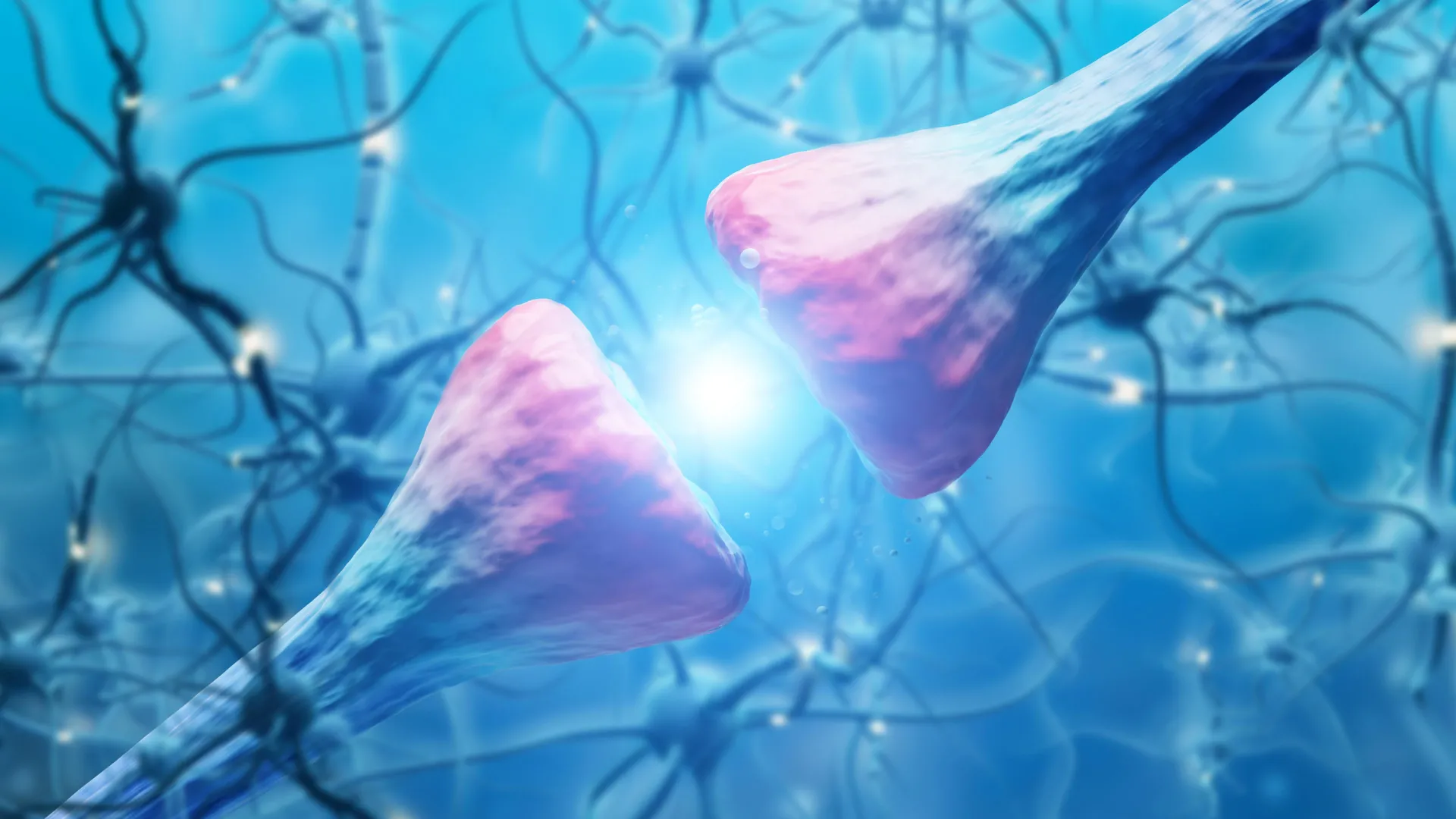
    TMS is a noninvasive brain stimulation therapy that uses magnetic pulses to target regions involved in mood regulation. It is commonly offered when patients do not improve after multiple antidepressant trials, and it has become a widely used option in outpatient psychiatric care.

    A five-by-five TMS schedule

    In the study, clinicians compared a compressed protocol known as 5×5, meaning five sessions per day for five consecutive days, with a conventional six-week course. The analysis included 175 patients, with 40 receiving the accelerated format and 135 receiving standard treatment.

    Both groups saw significant reductions in depression symptoms, and overall outcomes were not meaningfully different between schedules. The findings were published in the Journal of Affective Disorders, and the authors noted the results could expand access for patients who struggle to attend weeks of appointments.

    Why follow-up may change results

    One key observation was that some patients in the accelerated group did not appear to improve immediately after the five-day course ended. When assessed again two to four weeks later, those individuals showed substantial improvement, with depression scores falling by an average of 36%.

    That pattern suggests end-of-week assessments may underestimate the benefit of accelerated TMS for certain patients. The researchers said timing could be important when clinicians and patients decide whether a short course is working.

    What the study did not prove

    The researchers cautioned that the comparison was not a randomized clinical trial, meaning patients were not randomly assigned to the accelerated or standard schedule. They also reported that the traditional course performed better on some longer-term measures, underscoring the need for larger controlled trials.

    Even so, the team argues that a shorter TMS pathway could help more eligible patients start and complete care, especially those facing transportation, work, or caregiving barriers. Further research is expected to refine who benefits most, and whether booster sessions after a short course improve durability.

  • Autism communication study finds no effectiveness gap, pointing to a mismatch in styles

    A new study suggests autistic and non-autistic people can communicate information just as effectively, challenging a common assumption that autism inherently limits social connection. Researchers say many real-world difficulties may stem from mismatched communication styles rather than reduced social ability.

    The research was led by the University of Edinburgh and tested how accurately information was passed along between 311 participants. The team assessed groups made up entirely of autistic people, entirely of non-autistic people, and mixed groups.

    How the communication test worked

    In the experiment, the first participant heard a short story from a researcher and then retold it to the next person in a chain. Each person repeated what they remembered, and the final participant recalled the story aloud.

    Researchers scored how much information was retained at each step to measure communication effectiveness. They found no meaningful differences in accuracy between autistic-only, non-autistic-only, and mixed groups.

    Preference, not performance, stood out

    After the task, participants rated how comfortable the interaction felt, including how friendly, easy, or awkward it seemed. Autistic participants tended to prefer learning from other autistic people, while non-autistic participants often preferred interacting with non-autistic peers.

    The study supports the idea that communication challenges frequently arise when autistic and non-autistic people interact without shared expectations. The authors argue the results add weight to viewing autistic communication as a difference in style, not a deficit.

    Dr Catherine Crompton of the University of Edinburgh said the findings could help shift attention away from attempts to fix autistic communication. She added that reducing misconceptions and improving mutual understanding could help create more inclusive spaces.

  • NYU Study Links Aging Anxiety to Faster Biological Aging in Women, with Health Worries Playing the Biggest Role

    NYU Study Links Aging Anxiety to Faster Biological Aging in Women, with Health Worries Playing the Biggest Role

    Worrying about getting older, particularly fears of future health decline, may be tied to faster biological aging in women, according to new research from NYU School of Global Public Health. The study connects aging anxiety with changes in epigenetic markers measured in blood.

    Researchers analyzed data from 726 women in the Midlife in the United States study, combining survey responses with laboratory measures. They focused on whether subjective anxiety about aging aligned with objective indicators of cellular aging.

    How biological aging was measured

    The team used two widely cited epigenetic clocks to assess aging biology, including DunedinPACE, which estimates the pace of aging, and GrimAge2, which is designed to capture accumulated biological risk. Higher anxiety scores were associated with faster aging on DunedinPACE.

    The clearest link involved worries about age-related health problems rather than concerns about appearance or fertility. Researchers suggested health fears may be more persistent over time, potentially making them more relevant to longer-term stress biology.

    Why the link may matter

    Accelerated epigenetic aging has been associated in prior research with higher risk of age-related disease and earlier functional decline, though it is not a diagnosis on its own. The NYU findings add to evidence that psychological stressors can correlate with measurable biological changes.

    The authors emphasized that mental and physical health are often treated separately despite frequent overlap. They argued that addressing aging anxiety could be a meaningful, potentially modifiable factor in supporting healthier aging.

    Limits and what comes next

    The study captured a single point in time, so it cannot prove that anxiety causes faster aging. When researchers adjusted for health behaviors that can accompany anxiety, such as smoking and alcohol use, the statistical link weakened and was no longer significant.

    The team called for further research to clarify cause and effect, track changes over time, and identify which interventions might reduce harmful stress while supporting healthier coping. They also pointed to broader social pressures and caregiving burdens that can intensify midlife worries for women.

  • Study suggests recessive disease carriers face subtle Darwinian selection, challenging genetics textbooks

    New population-scale research suggests that people who carry single harmful variants in recessive disease genes are not always fully unaffected, as many genetics textbooks imply. Using health and reproductive data, the study finds small but measurable disadvantages that could shape how these variants persist over generations.

    Researchers analyzed genetic and life-outcome information from more than 300 000 participants in the UK Biobank, a major long-running resource for biomedical research. They focused on 1 900 genes linked to recessive disorders, where disease typically appears only when both gene copies are affected.

    On average, individuals carried about two potentially damaging variants across these recessive genes, the authors reported. As a group, carriers showed a slightly higher burden of medical diagnoses and a modest reduction in reproductive success, suggesting lower odds of passing these variants on.

    Signals strongest for disability genes

    The pattern was most pronounced for genes associated with intellectual disability, where carrier variants appeared less common than expected. The researchers also observed that carriers of these variants tended to spend fewer years in education, a signal consistent with subtle effects even in people who do not meet clinical thresholds.

    The findings build on earlier work showing many cases of intellectual disability arise from de novo mutations that occur spontaneously in a child rather than being inherited. Because each child typically acquires around 100 new mutations across the genome, rare but consequential changes can still emerge even if selection slowly reduces inherited risk variants.

    Evolution may still be at work

    The authors argue that these small carrier disadvantages are consistent with ongoing Darwinian selection in modern populations, operating through health and reproduction rather than survival alone. They also point to the possibility that social factors, including mate choice, could contribute, echoing Darwin’s later emphasis on sexual selection.

    Experts caution that the reported effects are modest and observed at the group level, meaning they may not predict outcomes for any single person. Still, the results may influence how genetic counseling, population genetics, and the long-term dynamics of disease variants are taught and studied.

  • AI-built molecular atlas maps Alzheimer’s brain beyond amyloid plaques, pointing to overlooked metabolic shifts

    AI-built molecular atlas maps Alzheimer’s brain beyond amyloid plaques, pointing to overlooked metabolic shifts

    Researchers at Rice University have created a label-free molecular atlas of the Alzheimer’s brain in an animal model, using laser-based imaging paired with artificial intelligence. The work aims to clarify how the disease emerges and spreads beyond what standard pathology typically captures.

    The study used hyperspectral Raman imaging, an advanced form of Raman spectroscopy that reads chemical fingerprints in tissue without dyes or fluorescent tags. By scanning brain slices at high resolution, the team generated a detailed chemical map designed to reflect the brain’s native state.

    What the imaging revealed

    Analysis indicated that Alzheimer’s-linked chemical changes were not limited to amyloid plaques. Instead, the alterations appeared across multiple brain regions, with uneven patterns that could help explain why symptoms develop gradually and differ between individuals.

    To handle the large dataset, the researchers applied both unsupervised and supervised machine learning methods. Unsupervised tools grouped tissue by molecular similarity, while supervised models helped distinguish Alzheimer’s-affected samples from controls across different regions.

    Metabolic signals in key regions

    Beyond protein-related pathology, the maps pointed to broader metabolic differences, including shifts in cholesterol and glycogen signals. The strongest contrasts were reported in brain regions central to memory and cognition, including the hippocampus and cortex.

    The authors argue that these molecular patterns support a wider view of Alzheimer’s as a disorder involving disrupted brain structure and energy balance, not only plaque formation. They say a whole-brain, label-free approach could help surface changes that targeted assays might miss.

    While the findings are based on an animal model and would need validation in human tissue, the researchers suggest the approach could eventually inform earlier detection strategies and more region-specific treatment research. The study was published in ACS Applied Materials and Interfaces with support from U.S. federal research funders.

  • Study links language networks to visual memory: Why a banana’s color may depend on words

    Our ability to store information about familiar objects depends on the connection between visual and language processing regions in the brain, according to a study published May 20 in the open-access journal PLOS Biology by Bo Liu from Beijing Normal University, China, and colleagues.

    Seeing an object and knowing visual information about it, like its usual color, activate the same parts of the brain. Seeing a yellow banana, for example, and knowing that the object represented by the word “banana” is usually yellow, both excite the ventral occipitotemporal cortex (VOTC). However, there’s evidence that parts of the brain involved in language, like the dorsal anterior temporal lobe (ATL), are also involved in this process — dementia patients with ATL damage, for example, struggle with object color knowledge, despite having relatively normal visual processing areas. To understand whether communication between the brain’s language and sensory association systems is necessary for representing information about objects, the authors tested whether stroke-induced damage to the neural pathways connecting these two systems impacted patients’ ability to match objects to their typical color. They compared color-identification behavior in 33 stroke patients to 35 demographically-matched controls, using fMRI to record brain activity and diffusion imaging to map the white matter connections between language regions and the VOTC.

    The researchers found that stronger connections between language and visual processing regions correlated with stronger object color representations in the VOTC, and supported better performance on object color knowledge tasks. These effects couldn’t be explained by variations in patients’ stroke lesions, related cognitive processes (like simply recognizing a patch of color), or problems with earlier stages of visual processing. The authors suggest that these results highlight the sophisticated connection between vision and language in the human brain.

    The authors add, “Our findings reveal that the brain’s ability to store and retrieve object perceptual knowledge — like the color of a banana — relies on critical connections between visual and language systems. Damage to these connections disrupts both brain activity and behavior, showing that language isn’t just for communication — it fundamentally shapes how sensory experiences are neurally structured into knowledge.”

  • Study identifies DeltaFosB in the hippocampus as a key driver of cocaine relapse, opening a path to targeted treatments

    Study identifies DeltaFosB in the hippocampus as a key driver of cocaine relapse, opening a path to targeted treatments

    Scientists at Michigan State University have pinpointed a brain protein that appears to be essential for the circuit changes that fuel cocaine relapse, offering a clearer biological explanation for why cravings can persist long after use stops. The findings, published in Science Advances and supported by the US National Institutes of Health, focus on a molecule called DeltaFosB.

    The research highlights the hippocampus, a region central to memory and learning, and its interaction with reward pathways involved in drug seeking. By linking relapse risk to durable changes in these circuits, the study adds weight to the view that cocaine addiction is driven by brain biology rather than willpower alone.

    How cocaine rewires memory circuits

    Unlike opioids, stopping cocaine does not typically cause severe physical withdrawal, yet relapse remains common, and no FDA-approved medication is specifically indicated for cocaine use disorder. Cocaine’s surge of dopamine reinforces drug-taking, while memory-linked cues can later reignite the urge to use.

    Using mouse models and a specialized CRISPR-based approach, the team found that DeltaFosB acts like a genetic switch in a pathway connecting reward centers and the hippocampus. With repeated cocaine exposure, DeltaFosB accumulates and changes how neurons respond, increasing the drive to seek the drug.

    Genes that intensify cocaine seeking

    The researchers also identified genes influenced by DeltaFosB after longer-term cocaine exposure, including calreticulin, which helps regulate how neurons communicate. In experiments, higher calreticulin activity appeared to boost signaling in pathways that promote continued cocaine seeking.

    Crucially, the study suggests DeltaFosB is not merely associated with these adaptations but required for them to fully develop. When the protein’s role was disrupted, cocaine did not produce the same patterns of brain activity changes linked to persistent drug seeking.

    What this could mean for treatment

    Because many of the implicated genes and circuits are conserved across mammals, the authors say the findings could help guide human research, though direct clinical implications remain years away. The group is now collaborating with the University of Texas Medical Branch to develop compounds aimed at altering how DeltaFosB binds to DNA.

    Future work will also explore how hormones may shape these circuits and whether addiction-related brain adaptations differ between males and females. Such insights could eventually support more personalized approaches to treating cocaine use disorder.

  • Why doctors are adding numbers to risk talks, and what patients should ask next

    When a doctor describes a complication as rare or unlikely, patients may interpret the danger very differently than clinicians intend. A new analysis argues that relying on vague words instead of clear figures can lead people to overestimate risks and make less informed choices.

    The recommendations come from a paper published April 29 in the Journal of General Internal Medicine by researchers including Ellen Peters of the University of Oregon, Paul K. J. Han of the National Cancer Institute and Clara N. Lee of the University of North Carolina. The authors focus on everyday decisions, from medication side effects to treatment options, where risk communication shapes consent.

    Studies in medical decision-making have found that verbal labels alone can inflate perceptions of harm, especially when patients are anxious or facing complex information. Even when numeracy varies widely, many patients report higher trust when clinicians provide numbers alongside plain-language explanations.

    How to make health risks clearer

    The authors urge clinicians to pair descriptors with specific probabilities, such as stating that a side effect occurs in 7 percent of people. That approach can calibrate expectations and reduce the tendency to assume the worst from a general warning.

    They also recommend simplifying what is shared in the moment by focusing on what is relevant to the patient’s situation. In practice, that can mean doing the math for multi-year risks or skipping options that are not realistic given a person’s condition.

    Context and uncertainty matter too

    Numbers can still mislead if they are presented without context, the paper notes. Comparisons between options, or explaining what clinicians generally consider a low or high risk, can help patients understand whether a figure is meaningful.

    The authors also stress acknowledging uncertainty, since risk estimates come from available evidence and may not capture individual factors. They argue that being transparent about what is known and unknown can improve shared decision-making rather than undermine confidence.

    What patients can do in visits

    One practical tool highlighted is the teach-back method, where a clinician asks a patient to repeat the pros and cons in their own words. It can reveal misunderstandings early and allow the doctor to correct them quickly.

    Patients can also advocate for clearer risk communication by asking for the chance of a side effect or outcome in absolute terms. If the information feels overwhelming, the authors suggest asking to narrow the discussion to the most important benefits and harms for that specific decision.

  • Study of 1 300 golden retrievers finds shared genes tied to canine behavior and human anxiety risk

    Study of 1 300 golden retrievers finds shared genes tied to canine behavior and human anxiety risk

    Researchers analyzing the DNA of 1 300 golden retrievers have identified genetic regions linked to temperament traits such as trainability, activity level, fearfulness and dog-directed aggression. The work suggests some of the same genes associated with behavior in dogs are also implicated in human mental and cognitive traits.

    The study, published in Proceedings of the National Academy of Sciences, combined genome-wide data with detailed owner-reported behavioral profiles. Scientists say the results add evidence that dogs and humans can share biological pathways influencing emotional responses.

    How behavior was matched to DNA

    The team drew on the Golden Retriever Lifetime Study, a long-running project that follows dogs over time using health records and repeated questionnaires. Owners reported dozens of behaviors, which were grouped into categories to create measurable traits for genetic analysis.

    Researchers then scanned each dog’s genome and looked for genetic markers that were more common in animals showing specific behavioral patterns. This approach does not pinpoint a single cause of a behavior, but highlights biological systems that may shape stress sensitivity and learning.

    Overlap with human trait studies

    When the researchers compared their canine results with large human genetic datasets, they found 12 genes linked to golden retriever behavior that also appear in studies of human traits. Those traits include anxiety and depression risk as well as measures related to cognition and educational outcomes.

    One gene highlighted in the analysis, PTPN1, was associated with dog-directed aggression in golden retrievers and has also been reported in human research connected to intelligence and depression. The team also reported a variant tied to fear of other dogs that aligns with human findings on rumination and education-related measures.

    What this could mean for owners

    Scientists caution that genes do not predetermine a dog’s personality, and environment and training remain crucial. Still, they argue that recognizing inherited differences in stress reactivity may help explain why some dogs find everyday situations more challenging.

    The findings could also inform veterinary care, including how clinicians and owners interpret fear-based behaviors and when stress-reducing interventions may be appropriate. Researchers say dogs may serve as useful models for understanding the biology of emotional disturbance because they share human environments and show comparable behavioral variation.

  • New study links strategic family routines to better workplace adaptability and creativity

    A new study suggests that employees who proactively reorganise life at home may become more adaptable and innovative at work. The research argues that small, deliberate changes in family routines can build confidence that carries into professional settings.

    The study, published in the Journal of Occupational and Organizational Psychology, was led by the University of Bath School of Management. Researchers followed 147 full-time, dual-income heterosexual couples with children in the United States over six weeks.

    According to the authors, taking initiative at home can create momentum that helps people respond better to change on the job. They link this effect to resilience and a greater willingness to experiment with new approaches at work.

    What strategic renewal looks like

    The researchers describe these purposeful household adjustments as strategic renewal. Examples include changing childcare schedules, redistributing domestic responsibilities, or putting clearer systems in place to coordinate busy weeks.

    Some families used shared calendars, rotated school pick-ups, or held regular household check-ins to revisit chores and priorities. Others redesigned living spaces to support remote work, created quiet zones, or set tech-free time to improve connection.

    Why employers may want to notice

    Professor Yasin Rofcanin of the University of Bath said that when people make deliberate changes at home, they often feel more capable and in control. He added that this sense of control can translate into greater creativity and adaptability at work.

    The study also points to the role of family creativity, or an environment where household members collaborate and try new solutions. The authors say this can make proactive changes more likely and strengthen the positive spillover into work performance.

    With hybrid and flexible work becoming more common, the researchers argue that home and work boundaries are increasingly blurred. They suggest employers can reinforce these benefits through flexible arrangements, coaching, and training that considers work-family dynamics.

    Additional measures such as wellbeing programmes, counselling, and family care support could also help reduce stress and improve functioning across both domains. The team notes that earlier research indicates supportive workplace relationships can, in turn, improve home life and creativity.