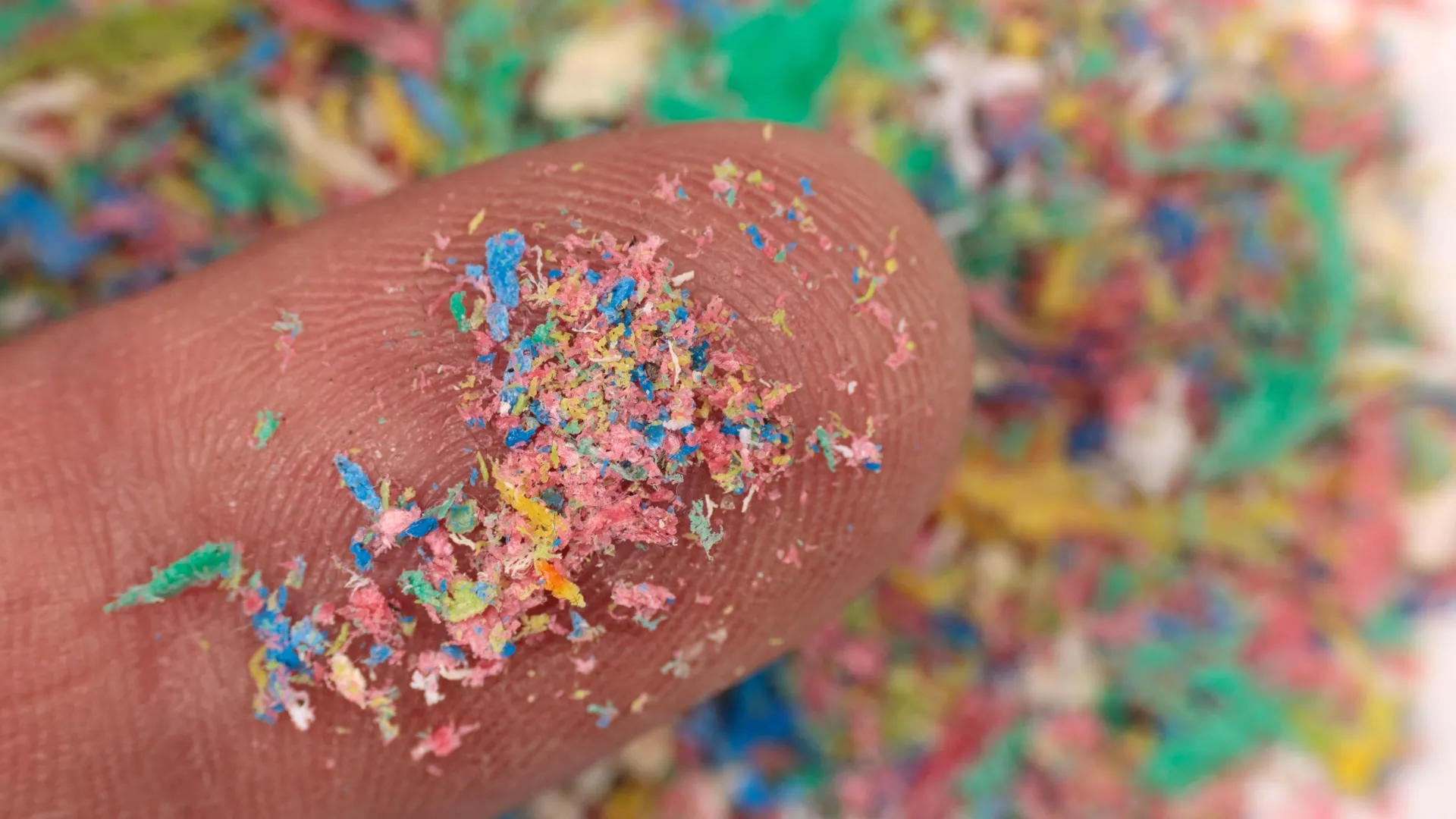
Microplastics, the tiny plastic fragments found in food, water and household dust, are under growing scrutiny as researchers examine how they may affect the brain. A new scientific review pulls together evidence suggesting these particles could contribute to processes seen in Alzheimer’s and Parkinson’s disease.
Dementia affects more than 57 million people globally, and experts expect the burden of neurodegenerative disease to rise as populations age. That backdrop is sharpening interest in whether environmental exposures such as microplastics may worsen inflammation or accelerate neurological decline.
Five mechanisms under scientific review
The review, published in Molecular and Cellular Biochemistry by an international team including the University of Technology Sydney and Auburn University, outlines several biological routes of potential harm. It focuses on immune activation, oxidative stress, disruption of the blood-brain barrier, mitochondrial dysfunction and direct neuronal injury.
Researchers argue that if microplastics weaken the blood-brain barrier, the brain may become more vulnerable to inflammatory molecules and immune responses that can damage delicate tissue. In parallel, they describe how oxidative stress could rise if reactive oxygen species increase while antioxidant defenses are depleted.
Energy disruption and protein buildup concerns
Another concern highlighted in the paper is mitochondrial interference, which could reduce cellular energy production and strain neurons that rely heavily on steady ATP supply. Over time, energy shortfalls may impair brain function and make nerve cells more susceptible to damage.
The authors also discuss disease-specific hypotheses, including whether microplastics might promote protein changes associated with Alzheimer’s, such as beta-amyloid and tau accumulation. For Parkinson’s, they note a possible role in α-synuclein aggregation and stress on dopamine-producing neurons.
What the evidence can and cannot show
While the review raises plausible pathways, the researchers stress that confirming a direct causal link in humans will require further studies, including exposure measurement and long-term clinical follow-up. Much of the current understanding comes from laboratory and animal research, along with emerging evidence that microplastics can accumulate in organs.
Even with uncertainties, scientists say practical exposure reduction may be reasonable while research catches up, particularly in everyday food and household contexts. The authors point to reducing reliance on plastic food containers and packaging, limiting plastic-related dust and fibers, and supporting policies that curb plastic pollution at its source.
Ongoing work at the involved institutions is expected to further test how ingested or inhaled microplastics interact with cells and barriers in the body. Public health experts say clearer answers will depend on standardizing how microplastics are measured and comparing real-world doses across populations.
Leave a Reply