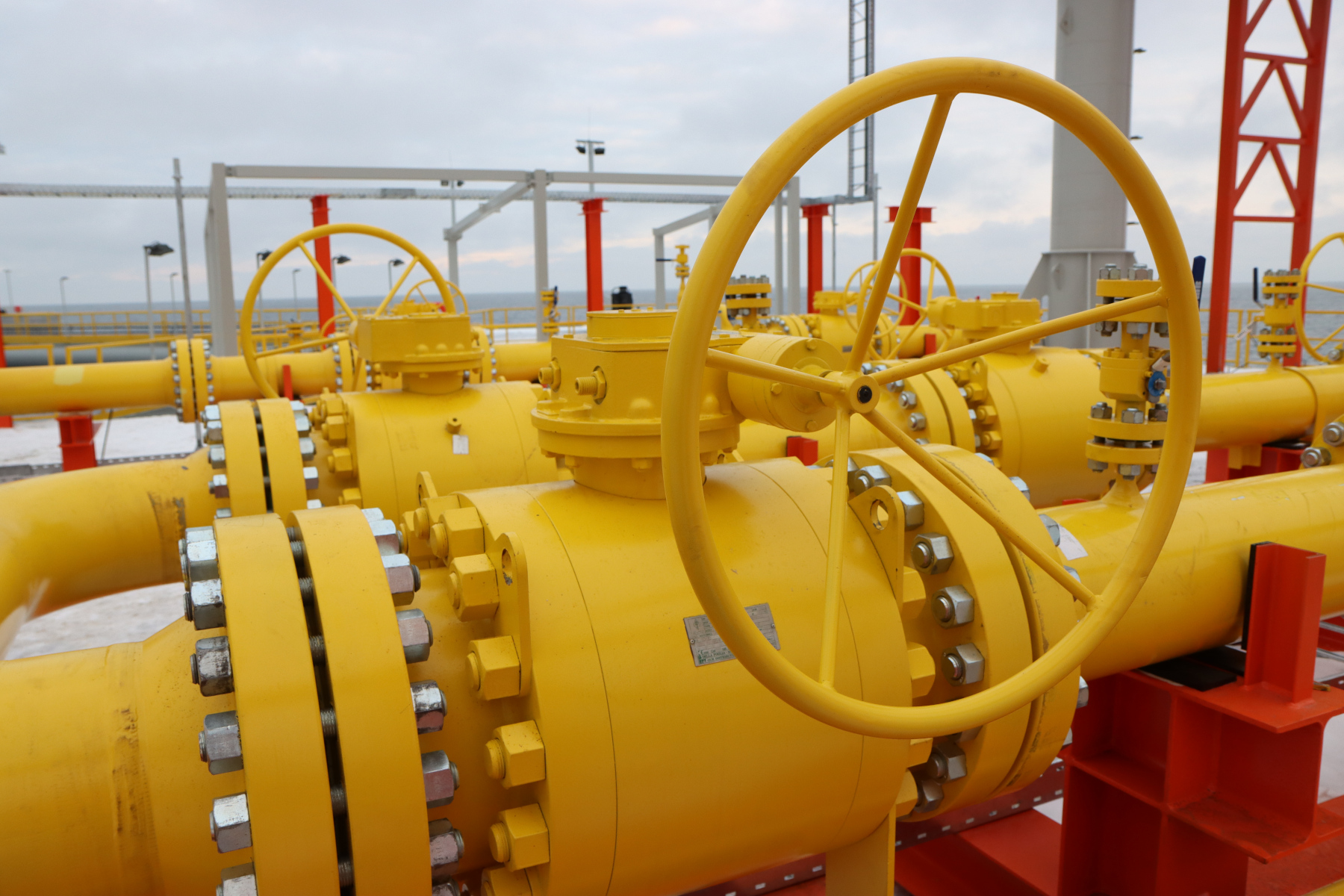

Slovakia seeks decade-long gas supply deal with Azerbaijan


Slovakia aims to secure a long-term natural gas supply contract with Azerbaijan for a minimum of ten years, Slovakian Deputy Prime Minister Tomas Taraba announced. The initiative aligns with European Union regulations that mandate a phased termination of Russian natural gas imports. Taraba noted that Slovakai views Baku as a highly reliable partner, particularly after Azerbaijan provided vital supply assistance during a recent transit crisis in Ukraine.
Martin Huska, CEO of Slovakian state energy firm SPP, confirmed in March that early-stage negotiations continue with the State Oil Company of the Azerbaijani Republic (SOCAR), according to Trend Azerbaijani news agency. SPP previously executed a short-term pilot contract with SOCAR, which successfully initiated gas deliveries in December 2024.
Azerbaijan currently exports gas to 16 nations, including 13 European destinations such as: Bulgaria, Romania, Hungary, Serbia, Slovenia, Croatia, Slovakia, North Macedonia, Azerbaijan has contracts to supply gas to 16 countries, 13 of them in Europe, namely Italy, Greece, Bulgaria, Romania, Hungary, Serbia, Slovenia, Croatia, Slovakia, North Macedonia, Germany, Ukraine and Austria. Serbia and Azerbaijan have also recently signed an agreement to construct a large gas-fired power plant near Niš.
Azerbaijani President Ilham Aliyev previously affirmed Baku’s readiness to sustain deliveries to Central Europe. Total annual export volumes from Azerbaijan to its partners are projected to scale up to 15 terawatt-hours, which equals approximately 1.5 billion cubic metres, according to Interfax.
“We are discussing the conclusion of a long-term contract with Azerbaijan, for at least 10 years,” said Tomas Taraba to Report.az. “Slovakia wants to diversify its energy supplies, and Azerbaijan is a very reliable partner for us. The only question is how to deliver energy resources to Central Europe. So it is not about whether we want to receive your energy resources, but how to get them delivered to Central Europe. We are currently discussing which pipelines can be used and in what volumes.”
Leave a Reply