Blog

  • Engineered psilocin compound hints at depression relief without hallucinations, early mouse study finds

    Engineered psilocin compound hints at depression relief without hallucinations, early mouse study finds

    Researchers have developed modified versions of psilocin, the active compound produced when the body metabolizes psilocybin, aiming to preserve potential antidepressant effects while reducing psychedelic-like symptoms. The work, published in the Journal of Medicinal Chemistry, adds to a fast-moving effort to make psychedelic-inspired medicines easier to use in routine care.

    Interest in psilocybin has grown as clinical trials explore its potential for major depressive disorder, treatment-resistant depression, anxiety linked to serious illness, and substance use disorders. Yet the hallmark altered state can complicate treatment settings, requiring intensive supervision and limiting who may be willing or able to receive it.

    Why scientists are redesigning psilocin

    The new research focuses on how strongly and how quickly psilocin reaches the brain and activates serotonin receptors, particularly pathways associated with mood regulation. The team tested five chemical variants designed to release psilocin more gradually, potentially reducing the rapid peak linked with more intense psychedelic effects.

    In lab experiments using human plasma and models of gastrointestinal absorption, one candidate stood out for stability and a slower conversion profile. The researchers selected that compound, referred to as 4e, for further testing as a proof of concept rather than a ready-to-use drug.

    What the mouse data suggests

    When given orally to mice, 4e delivered psilocin to the bloodstream and brain over a longer period, with lower peak levels than an equivalent dose of pharmaceutical-grade psilocybin. The compound still crossed the blood-brain barrier efficiently, suggesting it can reach the intended target tissue.

    To estimate psychedelic-like activity, the scientists tracked head-twitch responses, a standard rodent behavioral marker used in serotonin-based psychedelic research. Mice given 4e showed fewer head twitches than those given psilocybin, even though the compound continued to engage key serotonin receptors.

    What comes next before human trials

    The authors argue the results support a broader hypothesis that some therapeutic signaling may be separable from the most disruptive subjective effects. Even so, the study is early, relies on animal behavior proxies, and does not demonstrate antidepressant outcomes in people.

    Next steps typically include deeper safety profiling, dose-ranging studies, and clearer evidence of benefit in validated disease models before any clinical evaluation. The researchers also disclosed industry-linked funding and patent-related interests, which will be important to monitor as the work progresses.

    In parallel, human studies of psilocybin-assisted therapy continue to shape the field, including efforts to standardize dosing, supervision, and outcome measures. If non-hallucinogenic or low-hallucinogenic analogs prove effective, they could eventually broaden access by reducing the need for prolonged monitoring while still targeting serotonin-linked mechanisms relevant to depression.


  • Therapy horses are shaping social robots: Bristol researchers say the next generation should sometimes say no

    Interactive robots should not just be passive companions, but active partners-like therapy horses who respond to human emotion-say University of Bristol researchers.

    Equine-assisted interventions (EAIs) offer a powerful alternative to traditional talking therapies for patients with PTSD, trauma and autism, who struggle to express and regulate emotions through words alone.

    The study, presented at the CHI ’25: Proceedings of the 2025 CHI Conference on Human Factors in Computing Systems held in Yokohama, recommends that therapeutic robots should also exhibit a level of autonomy, rather than one-dimensional displays of friendship and compliance.

    Lead author Ellen Weir from Bristol’s Faculty of Science and Engineering explains: “Most social robots today are designed to be obedient and predictable — following commands and prioritising user comfort.

    “Our research challenges this assumption.”

    In EAIs, individuals communicate with horses through body language and emotional energy. If someone is tense or unregulated, the horse resists their cues. When the individual becomes calm, clear, and confident, the horse responds positively. This ‘living mirror’ effect helps participants recognise and adjust their emotional states, improving both internal well-being and social interactions.

    However, EAIs require highly trained horses and facilitators, making them expensive and inaccessible.

    Ellen continued: “We found that therapeutic robots should not be passive companions but active co-workers, like EAI horses.

    “Just as horses respond only when a person is calm and emotionally regulated, therapeutic robots should resist engagement when users are stressed or unsettled. By requiring emotional regulation before responding, these robots could mirror the therapeutic effect of EAIs, rather than simply providing comfort.”

    This approach has the potential to transform robotic therapy, helping users develop self-awareness and regulation skills, just as horses do in EAIs.

    Beyond therapy, this concept could influence human-robot interaction in other fields, such as training robots for social skills development, emotional coaching, or even stress management in workplaces.

    A key question is whether robots can truly replicate — or at least complement — the emotional depth of human-animal interactions. Future research must explore how robotic behaviour can foster trust, empathy, and fine tuning, ensuring these machines support emotional well-being in a meaningful way.

    Ellen added: “The next challenge is designing robots that can interpret human emotions and respond dynamically — just as horses do. This requires advances in emotional sensing, movement dynamics, and machine learning.

    “We must also consider the ethical implications of replacing sentient animals with machines. Could a robot ever offer the same therapeutic value as a living horse? And if so, how do we ensure these interactions remain ethical, effective, and emotionally authentic?”

  • Major Lancet review questions medicinal cannabis for anxiety and PTSD as trial evidence falls short

    Major Lancet review questions medicinal cannabis for anxiety and PTSD as trial evidence falls short

    A large review in The Lancet concludes there is no convincing evidence that medicinal cannabis improves symptoms of anxiety, depression or post-traumatic stress disorder. Researchers say the balance of data from randomized trials does not support routine prescribing for these mental health conditions.

    The analysis arrives as medical cannabis use has expanded rapidly in North America and elsewhere, including among people seeking relief from mood and trauma-related symptoms. The authors note that patient demand has often moved faster than the clinical evidence base.

    What the review examined

    The study pooled results from 54 randomized controlled trials conducted between 1980 and 2025, making it one of the broadest assessments of cannabinoids across mental health indications to date. It focused on both effectiveness and safety outcomes, comparing cannabis-based medicines with placebo or other controls.

    According to the authors, the evidence did not show meaningful improvements for anxiety, depression or PTSD when results were combined. They also cautioned that frequent use could be associated with harms, including psychotic symptoms and cannabis use disorder, and may delay more effective care.

    Potential benefits, but limited certainty

    The review found tentative signals that some cannabinoid preparations could help in a small number of other conditions, such as insomnia, tics or Tourette’s syndrome, autism-related symptoms, and cannabis use disorder. However, the authors stressed that the overall quality of evidence for these indications was low.

    They also pointed to areas where cannabis-based treatment is supported by stronger evidence, including specific epilepsy syndromes treated with cannabidiol, spasticity in multiple sclerosis, and certain types of pain. Even in these areas, they emphasized the need to match products and dosing to conditions studied in rigorous trials.

    Safety questions and regulation debate

    The authors said the findings should inform clinicians weighing prescriptions for mental health, particularly given varying product potency and formulations across markets. They argued that inconsistent regulation and marketing claims can leave patients with unclear expectations about benefits and risks.

    In substance use disorders, results differed by condition, with some evidence suggesting oral cannabinoid medicines may reduce cannabis smoking when combined with psychological therapy. But for cocaine-use disorder, the review reported increased cravings, indicating cannabis medicines should not be used for that purpose.

    Researchers called for clearer prescribing guidance and more high-quality trials that measure standardized mental health outcomes over longer follow-up periods. Until then, they said established, evidence-based treatments for anxiety, depression and PTSD should remain first-line care.

  • Stanford study maps how brief stimuli can sustain emotions, revealing a shared brain timing signature in humans and mice

    New research from Stanford Medicine offers a clearer look at how fleeting sensory events can set off emotional states that linger well beyond the trigger. The findings, reported in Science, point to a conserved brainwide timing pattern seen in both humans and mice.

    To create a safe, precisely timed negative experience across species, the team used brief air puffs to the eye, similar to a common eye exam test. Participants described the sensation as annoying or uncomfortable, and repeated puffs led to a longer-lasting feeling of irritation.

    A two-phase brainwide response

    In hospitalized epilepsy patients who already had intracranial electrodes implanted for clinical monitoring, researchers recorded widespread neural activity during the eye-puff task. They observed a fast burst of activity within about 200 milliseconds, followed by a slower phase lasting roughly 700 milliseconds that involved emotion-linked circuits.

    When the same task was run in mice, the brain response showed a comparable two-phase pattern. Repeated puffs also produced a more persistent negative state, reflected in reduced reward-seeking behavior after the stimulus ended.

    Ketamine hints at a mechanism

    The team then tested ketamine, a drug known to blunt typical emotional reactions at certain doses while leaving basic sensory awareness intact. In both humans and mice, ketamine preserved the reflexive blink but reduced longer, self-protective eye closure between puffs.

    Neural recordings suggested why: ketamine selectively shortened the slower, sustained phase of activity without eliminating the initial rapid sensory broadcast. By compressing this integrative window, the drug appeared to limit the brain’s ability to maintain an emotional state from a brief event.

    Why timing may matter clinically

    Researchers say these measurable timing properties could help explain emotional symptoms that are either too persistent or too fleeting across psychiatric conditions. They also argue that brainwide synchrony and the duration of integrative activity may be key variables for future diagnostics and treatment research.

    The work builds on a cross-species approach designed to isolate fundamental, evolutionarily conserved principles of emotional processing. While the study focused on mildly aversive input, the authors say similar timing rules may also apply to positive experiences, an area they are continuing to investigate.

  • Ozempic and other GLP-1 drugs linked to lower depression and addiction risk in large Swedish study

    Ozempic and other GLP-1 drugs linked to lower depression and addiction risk in large Swedish study

    GLP-1 medications, such as semaglutide (Ozempic, Wegovy, and Rybelsus), commonly prescribed for diabetes and obesity may also be linked to better mental health outcomes, according to new research. The study found that people using these drugs had fewer psychiatric hospital visits and took less time off work due to mental health issues. The large-scale analysis was conducted by researchers from the University of Eastern Finland, Karolinska Institutet in Stockholm, and Griffith University in Australia.

    Obesity and diabetes are both tied to a higher risk of mental health problems. At the same time, people with psychiatric disorders are more likely to develop metabolic conditions such as obesity and diabetes. Scientists have long been exploring how these conditions overlap and whether treatments for physical health might also influence mental well-being.

    To investigate this connection, researchers analyzed data from nearly 100,000 individuals, including more than 20,000 who had used GLP-1 medications. Participants were tracked using Swedish national health registers from 2009 to 2022.

    Reduced Depression Anxiety and Psychiatric Care

    The findings showed that GLP-1 medications, especially semaglutide, were associated with fewer psychiatric-related hospital visits and reduced sickness absence. During periods when people were taking semaglutide, the need for such care dropped by 42% compared to periods without GLP-1 use. The risk of depression was 44% lower, while anxiety disorders were reduced by 38%.

    Lower Risk of Substance Use and Suicidal Behavior

    The study also found a notable decrease in substance use disorders among semaglutide users. Hospital care and time off work related to substance use were 47% lower during treatment periods. In addition, GLP-1 receptor agonists were linked to a reduced risk of suicidal behavior.

    One of the study’s authors, Professor Mark Taylor from Griffith University, said the findings were not entirely unexpected: “An earlier study examining Swedish registers found the use of GLP-1 medications to be associated with a reduced risk of alcohol use disorder. Alcohol-related problems often have downstream effects on mood and anxiety, so we expected the effect to be positive on these as well.”

    Why Might These Drugs Affect the Brain

    Even so, the strength of the associations surprised the research team. “Because this is a registry-based study, we cannot determine exactly why or how these medications affect mood symptoms, but the association was quite strong. It is possible that, in addition to factors such as reduced alcohol consumption, weight loss-related improvements in body image, or relief associated with better glycemic control in diabetes, there may also be direct neurobiological mechanisms involved — for example, through changes in the functioning of the brain’s reward system,” said Research Director, Docent Markku Lähteenvuo from the University of Eastern Finland.

    Strong Evidence but More Research Needed

    The results were published in The Lancet Psychiatry, a leading journal in the field. While earlier studies on GLP-1 medications and mental health have produced mixed findings, many of those studies were smaller. This large registry-based analysis adds stronger evidence, though further research is still needed to fully understand the link.

  • Waseda Researchers Apply Attachment Theory to Human-AI Bonds: What EHARS Reveals About Anxiety and Avoidance

    As AI chatbots and digital assistants become part of daily life, researchers are looking beyond trust and usefulness to understand the emotional side of human-AI interaction. A team at Waseda University argues that attachment theory, long used to explain human bonds, can also help explain why some people turn to AI for comfort and guidance.

    The researchers developed a new self-report measure called the Experiences in Human-AI Relationships Scale, or EHARS, to capture how users relate to AI in ways that resemble attachment patterns. The work, based on two pilot studies and a formal study, was published in Current Psychology in May 2025.

    Measuring attachment anxiety and avoidance

    EHARS focuses on two dimensions: attachment anxiety and attachment avoidance toward AI systems. Higher anxiety is linked to seeking reassurance and worrying that an AI will respond inadequately, while higher avoidance reflects discomfort with emotional closeness and a preference for distance.

    In the study, nearly 75% of participants reported turning to AI for advice, suggesting that many people already treat AI as a source of guidance. About 39% described AI as a constant, dependable presence, a finding the authors say is relevant to how emotional security can be sought through technology.

    What the findings do and do not mean

    The authors emphasize that the results do not prove people are forming genuine human-like attachments to AI. Instead, the study indicates that established psychological frameworks may help describe patterns in human-AI relationships as these tools become more conversational and socially responsive.

    That distinction matters because AI systems can simulate empathy without experiencing it, potentially shaping user expectations and dependency. Researchers and ethicists have increasingly warned that emotionally persuasive interfaces can heighten risks for vulnerable users, particularly in loneliness and mental health contexts.

    Implications for ethical AI design

    The team suggests EHARS could help designers and researchers evaluate how different users emotionally engage with AI, informing safer interaction patterns. In practice, that could mean more transparent disclosures, careful use of relational language, and guardrails to reduce overreliance where attachment anxiety appears high.

    As AI companions, coaching bots, and therapy-adjacent apps expand, measuring emotional dynamics may become as important as testing accuracy and security. The Waseda study positions attachment-informed evaluation as one tool for aligning AI behavior with user well-being and responsible product design.

  • New Swedish study flags delayed paternal depression surge around baby’s first year

    New Swedish study flags delayed paternal depression surge around baby’s first year

    Fathers in Sweden are less likely to receive a psychiatric diagnosis during their partner’s pregnancy and in the months right after their child is born. But this pattern reverses over time. A new study published in JAMA Network Open reports that diagnoses of depression and stress-related conditions rise about a year after childbirth. The research was led by scientists at Karolinska Institutet in Sweden and Sichuan University in China.

    “The transition to fatherhood often involves both positive experiences and a range of new stresses,” says Jing Zhou, PhD student at the Institute of Environmental Medicine, Karolinska Institutet, and co-first author of the paper. “Many cherish the intimate moments with their child, whilst at the same time the relationship with their partner may be affected and sleep quality may deteriorate, which can contribute to an increased risk of mental ill-health.”

    Study Tracks Over 1 Million Fathers Across Sweden

    The researchers analyzed data from more than one million fathers whose children were born in Sweden between 2003 and 2021. Using linked national registers, they followed when men received new psychiatric diagnoses, beginning one year before pregnancy and continuing until the child reached one year of age.

    Depression and Stress Diagnoses Increase After One Year

    The findings show that psychiatric diagnoses became less common during pregnancy and in the early months after birth compared with the year before pregnancy. By one year after birth, diagnoses related to anxiety and substance use had returned to levels seen before pregnancy. In contrast, depression and stress-related disorders showed a clear increase. These diagnoses rose by more than 30 percent compared with rates before pregnancy.

    “The delayed increase in depression was unexpected and underscores the need to pay attention to warning signs of mental ill-health in fathers long after the birth of their child,” says Donghao Lu, senior lecturer and associate professor at the Institute of Environmental Medicine, Karolinska Institutet, and the paper’s corresponding author.

    Timing Support for Fathers’ Mental Health

    The researchers note that their results are based on clinical diagnoses, meaning men who did not seek care may not be included. Even so, the study highlights when fathers may be most vulnerable during early parenthood.

    “By identifying periods of increased vulnerability, healthcare providers and other stakeholders can more easily offer support,” says Jing Zhou. “Postnatal depression is often discussed for new mothers, but fathers’ well-being is also important, both for themselves and for the whole family.”

    The study was conducted in collaboration with Sichuan University in China and Uppsala University in Sweden. It was funded by Karolinska Institutet’s strategic research area in epidemiology and biostatistics, the Swedish Research Council and the European Research Council. The researchers report no conflicts of interest.

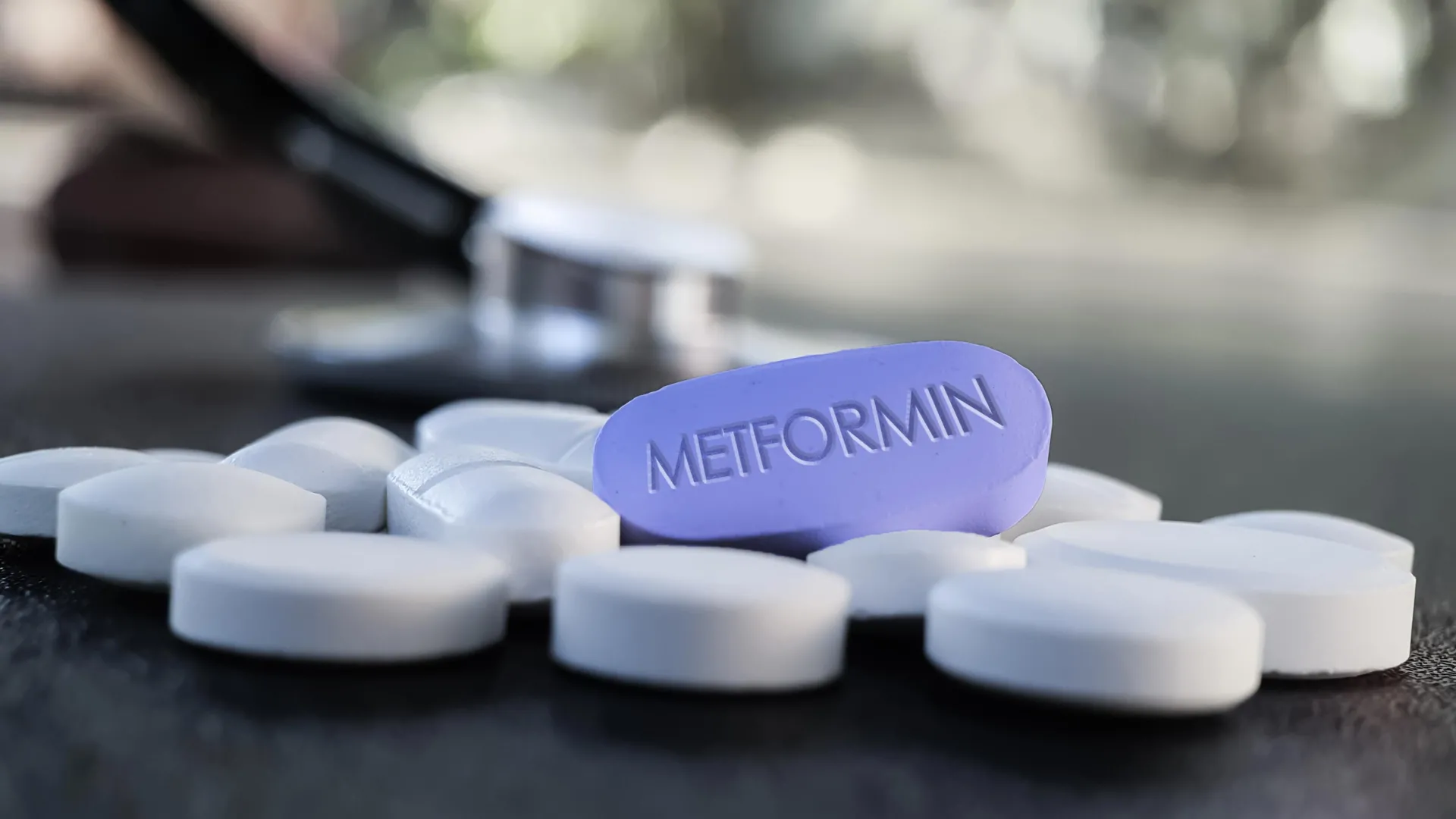
  • Scientists pinpoint metformin’s brain pathway, offering new clues for targeted type 2 diabetes treatment

    Scientists pinpoint metformin’s brain pathway, offering new clues for targeted type 2 diabetes treatment

    After more than 60 years as a first-line drug for type 2 diabetes, metformin is yielding a clearer explanation for how it lowers blood sugar. Researchers report that part of its glucose-lowering effect depends on a specific brain circuit, not only the liver or the gut.

    The study, led by Baylor College of Medicine and international collaborators, was published in Science Advances. It focuses on the ventromedial hypothalamus, a brain region known to help regulate whole-body metabolism.

    A protein switch in the hypothalamus

    The team centered on Rap1, a small signaling protein active in the ventromedial hypothalamus. They found that clinically relevant metformin dosing relied on suppressing Rap1 activity in this brain area to reduce blood glucose.

    To test the mechanism, the researchers used mice engineered to lack Rap1 in the ventromedial hypothalamus and then fed them a high-fat diet to model diabetes. In those mice, low-dose metformin did not improve blood sugar, while insulin and GLP-1–based drugs still worked.

    Why tiny brain doses mattered

    In another experiment, researchers delivered extremely small amounts of metformin directly into the brains of diabetic mice. Even at doses thousands of times lower than typical oral exposure, blood glucose fell markedly, supporting a central nervous system effect.

    The study also identified SF1 neurons in the ventromedial hypothalamus as key responders, becoming activated when metformin reached the brain. Electrophysiology data suggested metformin increased activity in most of these neurons, but only when Rap1 signaling was intact.

    What it could mean next

    The findings add to a growing view that metformin’s benefits may come from multiple organs working together, with the brain reacting at comparatively low drug levels. The authors argue that mapping this pathway could help guide future diabetes therapies that more precisely target glucose control.

    The researchers also pointed to broader interest in metformin’s neurological effects, including ongoing questions about brain aging. They plan to examine whether the same Rap1-linked signaling helps explain other observed effects of the drug beyond diabetes.

  • New research shows when eye contact matters most, and why robots can read it too

    New research shows when eye contact matters most, and why robots can read it too

    For the first time, a new study has revealed how and when we make eye contact — not just the act itself — plays a crucial role in how we understand and respond to others, including robots.

    Led by cognitive neuroscientist Dr Nathan Caruana, researchers from the HAVIC Lab at Flinders University asked 137 participants to complete a block-building task with a virtual partner.

    They discovered that the most effective way to signal a request was through a specific gaze sequence: looking at an object, making eye contact, then looking back at the same object. This timing made people most likely to interpret the gaze as a call for help.

    Dr Caruana says that identifying these key patterns in eye contact offers new insights into how we process social cues in face-to-face interactions, paving the way for smarter, more human-centered technology.

    “We found that it’s not just how often someone looks at you, or if they look at you last in a sequence of eye movements but the context of their eye movements that makes that behavior appear communicative and relevant,” says Dr Caruana, from the College of Education, Psychology and Social Work.

    “And what’s fascinating is that people responded the same way whether the gaze behavior is observed from a human or a robot.

    “Our findings have helped to decode one of our most instinctive behaviors and how it can be used to build better connections whether you’re talking to a teammate, a robot, or someone who communicates differently.

    “It aligns with our earlier work showing that the human brain is broadly tuned to see and respond to social information and that humans are primed to effectively communicate and understand robots and virtual agents if they display the non-verbal gestures we are used to navigating in our everyday interactions with other people.”

    The authors say the research can directly inform how we build social robots and virtual assistants that are becoming ever more ubiquitous in our schools, workplaces and homes, while also having broader implications beyond tech.

    “Understanding how eye contact works could improve non-verbal communication training in high-pressure settings like sports, defense, and noisy workplaces,” says Dr Caruana.

    “It could also support people who rely heavily on visual cues, such as those who are hearing-impaired or autistic.”

    The team is now expanding the research to explore other factors that shape how we interpret gaze, such as the duration of eye contact, repeated looks, and our beliefs about who or what we are interacting with (human, AI, or computer-controlled).

    The HAVIC Lab is currently conducting several applied studies exploring how humans perceive and interact with social robots in various settings, including education and manufacturing.

    “These subtle signals are the building blocks of social connection,” says Dr Caruana.

    “By understanding them better, we can create technologies and training that help people connect more clearly and confidently.”

    The HAVIC Lab is affiliated with the Flinders Institute for Mental Health and Wellbeing and a founding partner of the Flinders Autism Research Initiative.

    Acknowledgements: Authors were supported by an Experimental Psychology Society small grant.

  • Evolutionary anthropologists warn modern life is outpacing human biology, fueling chronic stress and fertility declines

    Evolutionary anthropologists warn modern life is outpacing human biology, fueling chronic stress and fertility declines

    Evolutionary anthropologists Colin Shaw of the University of Zurich and Daniel Longman of Loughborough University argue that human biology is struggling to keep up with the speed of industrial and urban change. In a recent analysis, they describe a growing mismatch between the bodies shaped by evolution and the environments many people now inhabit.

    For most of human history, daily life involved frequent movement, natural light cycles and intermittent threats that triggered short, intense stress responses. The researchers say modern living has shifted those conditions within just a few centuries, adding prolonged sedentary time and near-constant stimulation.

    Why stress no longer turns off

    Shaw and Longman point to the stress response as a key example of this mismatch. They argue that the same biological systems once used to survive predators now activate in response to traffic, workplace pressure, social media and persistent urban noise.

    Unlike an acute threat that ends quickly, many modern stressors linger or recur throughout the day. Longman suggests that repeated activation without adequate recovery can keep the nervous system on high alert, which may contribute to long-term wear on multiple body systems.

    Health and fertility trends under scrutiny

    The analysis links the modern environment to concerns such as rising inflammatory and autoimmune conditions, alongside global fertility declines. The authors frame these patterns as potential signs that industrial exposures and lifestyles can undermine both wellbeing and reproduction.

    They also highlight research documenting declines in sperm count and sperm motility since the mid-20th century. Shaw notes that scientists have investigated potential connections with chemical exposures, including pesticides and herbicides, as well as emerging concerns about microplastics.

    What solutions could look like

    Because genetic adaptation typically unfolds over many generations, the researchers argue the mismatch is unlikely to resolve through evolution on any near-term timeline. Instead, they suggest the focus should be on redesigning environments to better fit human physiology.

    That could include treating access to nature as a public health priority and adjusting city design to reduce harmful exposures such as noise, air pollution and disruptive light at night. The authors say evidence on which stimuli most affect blood pressure, heart rate and immune function could help guide policy and planning.