Blog

  • Schizophrenia study suggests brain prediction errors may drive hearing voices, and hints at an EEG biomarker

    Schizophrenia study suggests brain prediction errors may drive hearing voices, and hints at an EEG biomarker

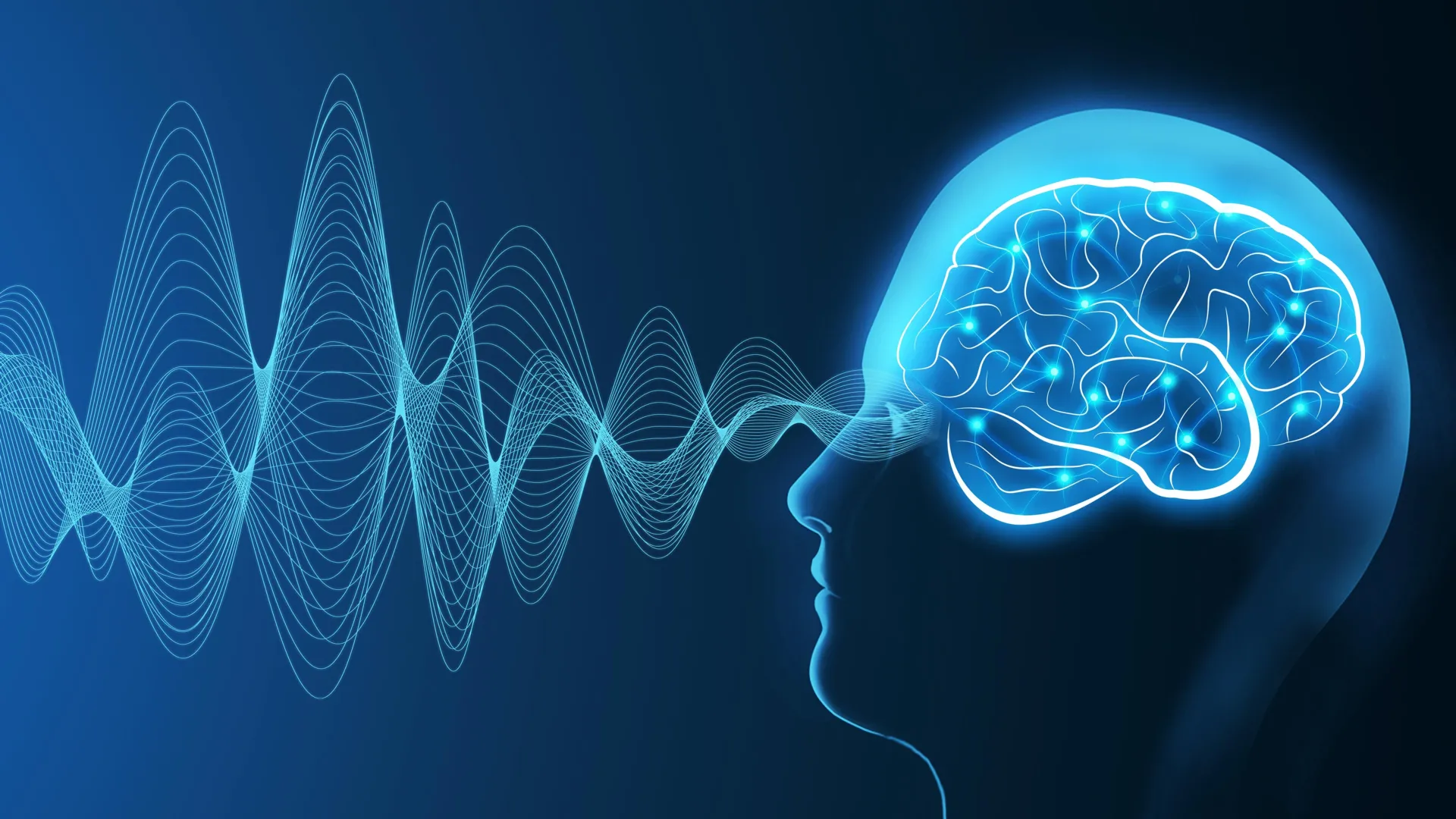
    Researchers at UNSW Sydney say they have found some of the clearest evidence yet that auditory verbal hallucinations in schizophrenia may stem from a breakdown in how the brain recognizes its own inner speech. The team argues the brain may mislabel self-generated thoughts as if they were external voices.

    The study, published in Schizophrenia Bulletin, focuses on a well-known theory in psychiatry: that hallucinated voices can arise when the brain’s normal system for predicting the sound of one’s own speech fails. If that prediction signal misfires, activity in sound-processing regions may look more like the brain is hearing someone else.

    How inner speech is measured

    Because inner speech is private, testing it directly has long been difficult. The researchers used EEG recordings to track brain responses while participants silently imagined speaking simple syllables while hearing sounds through headphones.

    In everyday speech, the brain typically dampens activity in the auditory cortex because it anticipates the sensory consequences of one’s own voice. The new work examined whether that suppression effect also appears during imagined speech, and whether it differs in people who hear voices.

    What the EEG signals showed

    The experiment compared 55 people with schizophrenia spectrum disorders who had experienced auditory hallucinations within the previous week, 44 people with schizophrenia without recent hallucinations, and 43 healthy participants. During the task, participants imagined saying “bah” or “bih” while the same sounds were sometimes played aloud, without advance notice of a match.

    Healthy participants showed reduced brain responses when the imagined syllable matched the sound they heard, consistent with accurate prediction and sensory suppression. By contrast, people with recent hallucinations showed the opposite pattern, with stronger responses when the imagined and heard sounds matched.

    Participants with schizophrenia who had not recently heard voices showed responses between the other two groups. The authors say that gradient could indicate a link between the disrupted prediction mechanism and the current presence of hallucinations, rather than diagnosis alone.

    Could this become a biomarker?

    The team says the findings strengthen the case that some hallucinated voices feel real because the brain processes inner speech as if it were coming from outside. They also argue the EEG signature could eventually contribute to a biomarker approach, an area where schizophrenia still lacks definitive lab or imaging tests.

    Next, the researchers plan to test whether this response pattern can help identify people at elevated risk of psychosis before symptoms fully emerge. Earlier identification could support earlier intervention, although the authors note further validation is needed across broader populations and clinical settings.

  • Study links rejection sensitivity to classroom conformity and peer pressure in preteens

    Imagine you’re a child in a classroom, and your teacher tells everyone to form groups for a project. You sit and wait, watching as other kids pair up and wondering if anyone will pick you.

    This fear of rejection — familiar to many children and adults — can significantly impact how kids behave in their peer groups, according to new research from the University of Georgia.

    The study found that children who feel anxious about being rejected are more likely to conform to academic expectations like studying harder or following classroom rules. They’re also less likely to engage in troublemaking behaviors. On the other hand, children who actively expect rejection tend to resist conforming to both academic behaviors and popular trends.

    Rejection sensitivity refers to two categories of reactions to potential rejection: rejection expectancy, a cognitive tendency to expect rejection, and anxious or angry anticipation, the emotion felt when anticipating rejection.

    “Rejection sensitivity is a really concerning characteristic in children,” said Michele Lease, a professor in the Mary Frances Early College of Education’s department of educational psychology and co-author of the study. “When children are rejection sensitive, they might worry and become withdrawn or feel angry and become hostile. If they’re trying to fit in and not get rejected, they might learn to conform, ingratiate themselves or be less assertive. Rejection sensitivity is also a good predictor of depression, even before the onset of symptoms.”

    The research, led by recent UGA graduate Cayenne Predix, involved more than 350 fourth and fifth grade students. Participants completed questionnaires with scenarios to measure how likely they were to follow their friends’ behaviors in three areas: academics, trend-following and troublemaking.

    “As a social developmental task, what’s happening at this age is children are trying to learn how to navigate their entire peer network, including their status within their friend group, and that’s a very unique time for trying to understand how kids feel about their place in the group,” said Lease. “It’s not that they don’t have good friendships, they do — they play, they do other things, but at this age one of their primary tasks is learning how to fit in.”

    Interestingly, witnessing relational victimization including gossiping or bullying did not consistently influence children’s conformity across behaviors. Instead, children’s emotional and cognitive reactions to potential rejection were the strongest predictors of whether they would follow group norms.

    Specifically, anxious children were more inclined to avoid disruptive actions and match their peers’ positive academic behaviors such as studying more or participating in class. Conversely, those who expected rejection were less likely to conform academically or socially.

    “Overall, the study’s findings underscore the need to consider both the emotional and cognitive aspects of rejection sensitivity when investigating conformity, especially in the context of relational aggression within friendship groups,” Lease said.

    Lease and her research team including Mihyun Kim, UGA doctoral candidate, and Kyongboon Kwon, University of Wisconsin-Milwaukee professor, are continuing their research to explore how friendship group norms influence sensitivity to rejection and conformity.

  • EEG brain signals may offer a noninvasive path to restoring movement after spinal cord injury

    EEG brain signals may offer a noninvasive path to restoring movement after spinal cord injury

    Researchers are moving closer to a noninvasive way to help people with spinal cord injuries regain movement by decoding brain waves linked to intended actions. The approach centers on electroencephalography, or EEG, which records electrical activity from the scalp.

    In many spinal cord injuries, the brain can still generate normal movement commands, but damaged pathways prevent those signals from reaching muscles. That gap has driven efforts to build new routes for communication rather than repairing the spinal cord itself.

    A bid to avoid brain surgery

    A study published in APL Bioengineering by scientists in Italy and Switzerland examined whether EEG can reliably capture signals produced when patients attempt to move paralyzed limbs. The long-term goal is to translate those signals into commands that could drive assistive devices or stimulation therapies.

    Much of the earlier progress in brain-computer interfaces has relied on implanted electrodes that record activity directly from the brain. While implants can provide clearer signals, they also bring surgical risk and ongoing concerns such as infection and device complications.

    Why legs are harder to decode

    EEG is safer and easier to repeat, but it faces a fundamental limitation: signals recorded at the scalp are weaker and less precise than those captured inside the skull. This makes it difficult to pinpoint activity from deeper brain regions involved in movement control.

    The researchers noted that decoding attempts to move the legs can be especially challenging, because lower-limb control is represented more centrally in the brain. By contrast, signals for hand and arm movements are often easier to separate with surface recordings.

    Machine learning shows early promise

    To interpret the EEG patterns, the team used machine learning designed to work with small, complex datasets typical of clinical research. Patients wore an EEG cap and were asked to attempt simple movements while the system learned patterns associated with effort versus rest.

    The method could distinguish when a participant was trying to move versus staying still, but it struggled to reliably differentiate among specific movement types. The next step is improving classification so intended actions like standing or walking can be identified more consistently.

    Researchers say success would likely depend on better algorithms, improved EEG hardware, and careful integration with downstream technologies such as stimulators or external assistive systems. For patients, the appeal is clear: a potential route toward meaningful function without placing electrodes in the brain.

  • Lip Size and Attraction: New Study Finds Men and Women Judge Faces Differently

    A new psychology study suggests lip size can subtly shape how attractive a face is perceived, and that preferences can differ depending on the viewer’s gender. The research also indicates that recent visual exposure can shift what people see as appealing.

    The work was led by Professor David Alais at the University of Sydney and used digitally altered images of faces that varied only in lip size. Participants were asked to rate attractiveness, allowing researchers to isolate lip size as a single factor.

    Gender differences in lip preference

    Across participants overall, ratings tended to favor thinner lips on male-presenting faces and fuller lips on female-presenting faces. When broken down by gender, women showed a stronger preference for fuller lips on female faces, while men more often preferred female faces with unaltered, natural-looking lip size.

    The authors argue the pattern points to observer-dependent standards, meaning judgments are shaped not just by the face being viewed but also by who is doing the viewing. The findings were published in Proceedings of the Royal Society B.

    How fast exposure can shift taste

    The experiments also found an adaptation effect, where brief exposure to plumper or thinner lips changed what participants rated as attractive immediately afterward. After seeing fuller lips, people were more likely to rate fuller lips as attractive in subsequent faces, with a similar shift after exposure to thinner lips.

    Notably, the effect appeared even when participants adapted to lips presented without the full face context, suggesting the brain may encode lip size as a distinct feature. Researchers say this kind of rapid recalibration has been observed in other areas of visual preference.

    Implications for cosmetic trends and body image

    With lip augmentation widely promoted through celebrity culture and social media, the study raises questions about how repeated exposure to enhanced features may reset perceived norms. Alais warned that this could contribute to a slide toward ever-plumper ideals, sometimes described as lip dysmorphia.

    “Our research highlights the subjective nature of beauty and the powerful influence of social and cultural factors,” Alais said. The team says more research is needed to understand whether these short-term shifts accumulate into long-term changes in body image and aesthetic expectations.

    In the study, 32 students, split evenly between women and men, rated 168 manipulated faces spanning seven lip sizes from thinner to fuller than a defined norm. Each image was shown briefly, designed to capture quick, instinctive judgments rather than slow deliberation.

  • Study finds long COVID brain fog is reported far more in the U.S., raising questions about care and stigma

    Study finds long COVID brain fog is reported far more in the U.S., raising questions about care and stigma

    An international study comparing long COVID patients across four countries found that people treated in the United States reported markedly higher rates of brain fog and mental health symptoms than patients in India, Nigeria, or Colombia.

    Researchers say the gap is unlikely to be explained by biology alone and may instead reflect differences in culture, stigma, and access to diagnosis and follow-up care.

    The analysis tracked more than 3 100 adults with persistent neurological symptoms after COVID-19 who were evaluated at academic medical centers in Chicago, Medellín, Lagos, and Jaipur.

    Most participants were not hospitalized during their initial infection, allowing researchers to focus on long-term symptoms among people who experienced milder acute illness.

    Brain fog reports varied sharply

    Among non-hospitalized participants, 86% of U.S. patients reported brain fog, compared with 63% in Nigeria, 62% in Colombia, and 15% in India.

    Patterns for depression and anxiety were similarly uneven, with nearly three-quarters of non-hospitalized U.S. patients reporting these symptoms, far above rates reported at other sites.

    Investigators cautioned that higher reported symptom rates do not necessarily mean Americans have more severe disease.

    They argue that patients in some settings may be less likely to label cognitive problems as a medical issue or may have fewer opportunities to be screened and treated.

    Culture and healthcare access may matter

    Senior author Dr. Igor Koralnik of Northwestern University said it is more culturally accepted in the U.S. and Colombia to discuss mental health and cognitive changes.

    He added that stigma, health literacy, and limited availability of mental health providers could reduce reporting in other countries, masking the true burden.

    Across all regions, commonly reported neurological complaints included fatigue, headache, dizziness, muscle pain, sleep problems, and sensory disturbances such as numbness or tingling.

    The team said the findings underscore the need for culturally sensitive screening tools and more consistent long COVID follow-up, especially where care is harder to access.

    The study was published in Frontiers in Human Neuroscience and adds to growing evidence that long COVID can disrupt daily function and work capacity long after infection.

    Researchers involved in the project are also testing cognitive rehabilitation approaches for long COVID brain fog in partner sites, using shared protocols to compare outcomes.

  • Eye-tracking training hints at new ways to build social skills in children with multiple disabilities

    Researchers at the University of Geneva say eye-tracking tools may help children and teenagers with multiple disabilities strengthen key social and emotional abilities. The findings challenge the long-held assumption that many of these patients are effectively untestable with standard methods.

    Multiple disabilities typically combine severe intellectual and motor impairments and can leave a person profoundly dependent on caregivers. Communication is often limited to subtle cues such as changes in muscle tone, eye movements, or facial expressions, which can be difficult to interpret consistently.

    What the study tested

    Building on earlier work showing that some patients demonstrate clear visual preferences, the team partnered with the University of Lille to test a year-long, personalised training approach. The study, published in Acta Psychologica, followed nine participants aged 7 to 18 through 40 to 100 individual sessions.

    The training relied on eye-controlled educational video games, allowing participants to interact without speech or hand movement. Researchers used several software tools, including the open-source Gazeplay platform alongside custom-built programmes designed to target specific socio-emotional skills.

    Early gains, careful conclusions

    By the end of the programme, all participants improved their visual exploration patterns, a basic skill that can support more complex communication. Each participant also progressed in at least one measured area, such as social orientation, joint attention, emotion discrimination, or socio-moral judgement.

    Scientists emphasised that the results are preliminary given the small sample, but they argue the improvements point to learning capacities that may be overlooked in clinical practice. The researchers say the work could inform new assessment and support methods, especially where traditional testing fails.

    Why it could matter next

    Assistive technologies are increasingly used to help non-speaking or motor-impaired people express choices and engage with others, but evidence for training specific social skills remains limited. The researchers say eye-tracking offers a measurable, low-demand way to personalise interventions and track change over time.

    Further studies with larger groups will be needed to confirm how durable these gains are and which training elements matter most. Still, the team says the approach could broaden access to communication and learning opportunities for a population often excluded from research and tailored therapies.

  • Researchers move closer to an early Parkinson’s blood test, with a five-year timeline in sight

    Researchers move closer to an early Parkinson’s blood test, with a five-year timeline in sight

    Scientists in Sweden and Norway say they have identified early biological signals of Parkinson’s disease that can be detected in blood, potentially years before the hallmark movement symptoms appear. The work points to a narrow early window when the disease may be easier to spot and, in the long run, easier to target with treatments.

    The study, led by researchers at Chalmers University of Technology with collaborators at Oslo University Hospital, focuses on changes linked to DNA repair and cellular stress response. These processes appear to leave short-lived traces in blood during the prodromal phase, when brain damage is still limited.

    Why early detection is difficult

    Parkinson’s affects more than 10 million people worldwide, and prevalence is expected to rise sharply as populations age. Yet most diagnoses still come after motor symptoms begin, when substantial loss of dopamine-producing nerve cells has often already occurred.

    Because the disease can develop gradually over many years, researchers have been searching for practical screening tools that work before disability sets in. Approaches such as brain imaging and cerebrospinal fluid testing can be informative, but they are harder to use broadly for early screening than a routine blood draw.

    Machine learning spots a distinct signature

    Using advanced analytics, including machine learning, the team reported a pattern of gene activity tied to DNA repair and stress response that appeared in people at an early stage of Parkinson’s. The same pattern was not observed in healthy controls or in patients with established motor symptoms, suggesting it may be time-sensitive.

    The researchers argue that this time-limited signal could be useful in identifying people at risk before tremor, rigidity, or slowed movement become obvious. They also say the biology behind the signature could help guide the search for therapies, including evaluating existing drugs for repurposing.

    What comes next for a blood test

    The team says the next steps include validating the findings in additional patient groups and refining tools to measure the signature reliably in clinical settings. They estimate that blood tests based on this approach could begin to be trialed in healthcare within about five years, though broader rollout would depend on further evidence.

    Experts generally caution that promising biomarkers must clear major hurdles, including accuracy across diverse populations and the ability to distinguish Parkinson’s from other neurodegenerative conditions. Still, a scalable blood test remains one of the most sought-after developments in Parkinson’s research because it could enable earlier monitoring and, eventually, earlier intervention.

    The findings were published in npj Parkinson’s Disease, and the research was supported by several funders, including the Michael J. Fox Foundation and national research bodies in Sweden and Norway. If confirmed, the work could add momentum to the global push for practical biomarkers that shift Parkinson’s care toward prevention and earlier treatment decisions.

  • American Heart Association warns sleep is more than hours: Why timing and regularity may shape cardiovascular risk

    Sleep health is not just about getting enough hours, according to a new American Heart Association scientific statement that reviews how multiple sleep traits may influence cardiometabolic risk. The statement was published in Circulation: Cardiovascular Quality and Outcomes.

    The authors describe sleep as a multidimensional pattern that includes duration, continuity, timing, satisfaction, regularity and daytime functioning. They argue that focusing only on total hours can miss key signals tied to blood pressure, blood sugar, cholesterol and body weight.

    Why sleep timing and regularity matter

    The statement notes that most adults generally need 7 to 9 hours of sleep, but both short sleep and long sleep have been linked in studies to higher cardiometabolic risk. Research summarized in the review also connects late bedtimes and inconsistent sleep schedules with outcomes such as obesity, elevated blood pressure and insulin resistance.

    Regularity is highlighted as a growing area of concern because weekday-weekend swings can create social jetlag. Large population studies have associated more consistent sleep-wake timing with lower cardiovascular mortality risk, though the authors stress that more trials are needed.

    Beyond hours: continuity and daytime function

    Sleep continuity, including difficulty falling asleep or repeated awakenings, is also discussed as a possible contributor to cardiovascular disease risk. Disturbed sleep continuity has been associated in research with higher risks that include hypertension, myocardial infarction and atrial fibrillation.

    Daytime functioning, such as excessive sleepiness, may reflect poor sleep quality or sleep disorders like obstructive sleep apnea. The statement links daytime sleepiness to higher rates of cardiovascular disease and stroke, and notes that addressing underlying causes can be part of risk reduction.

    Gaps in sleep health across communities

    The authors also review evidence that sleep health differs across populations due to social and environmental conditions. Noise, light exposure, housing and neighborhood safety, as well as socioeconomic stressors, have all been associated with poorer sleep patterns.

    The statement calls for clinicians to ask more detailed sleep questions and document problems that may warrant screening or treatment. It also urges more research to determine whether improving sleep dimensions beyond duration leads to measurable cardiometabolic benefits.

    Sleep is already included in the American Heart Association Life’s Essential 8 framework, but only sleep duration is currently scored. The authors say validated methods for assessing other sleep dimensions could eventually refine how cardiovascular risk is evaluated and managed.

  • Why US Midlife Is Getting Harder: Rising Loneliness, Memory Decline, and a Weaker Safety Net

    Why US Midlife Is Getting Harder: Rising Loneliness, Memory Decline, and a Weaker Safety Net

    Middle age is increasingly emerging as a pressure point in the United States, with Americans born in the 1960s and early 1970s reporting more loneliness and depression than earlier generations. Researchers also see declines in episodic memory and physical strength that appear more pronounced than in many other high-income countries.

    The pattern was outlined in cross-national research led by Arizona State University psychologist Frank J. Infurna, which compared survey data across 17 countries. The analysis suggests the US is diverging from peers where midlife health and well-being have generally improved over recent decades.

    Why the US stands out

    A key difference identified by the researchers is the level of public support for families. Many European countries expanded family benefits since the early 2000s, while US spending on comparable supports has been far more limited.

    That gap matters during midlife, when many people are simultaneously managing full-time work, raising children, and helping aging parents. In countries with stronger benefits, midlife loneliness tended to be lower and rose more slowly over time.

    Healthcare costs and financial strain

    Healthcare affordability also appears to play a central role in the US midlife squeeze. Even as the United States spends more per person on healthcare than other wealthy nations, individuals often face higher out-of-pocket costs and more financial exposure.

    The research links these pressures to delayed or skipped care, reduced preventive visits, and higher stress from medical bills and debt. Those dynamics can compound other midlife burdens, including work instability and caregiving responsibilities.

    When education protects less

    Income inequality was another factor associated with worse midlife outcomes, aligning with broader evidence that inequality can weaken health and social ties. The researchers noted that inequality has risen in the United States since the early 2000s, while it has been steadier in much of Europe.

    One of the more striking findings is cognitive: despite higher educational attainment over time, US middle-aged adults showed declines in episodic memory not widely seen in peer countries. The authors suggest chronic stress, financial insecurity, and cardiovascular risk factors may be eroding the protective effect education once provided.

    The study argues these trends are not inevitable, pointing to personal buffers such as stronger social connections and a sense of control over daily life. But it also concludes that policy choices, including paid leave, childcare support and more affordable access to care, are closely tied to how well midlife populations fare.

  • Brain generosity study points to the basolateral amygdala as a key social-distance switch

    Neuroscientists investigating why people are generous to some but not others have identified a brain region that appears to fine-tune giving based on emotional closeness. The work, published in Proceedings of the National Academy of Sciences, focuses on the basolateral amygdala, part of the limbic system linked to emotion and social learning.

    The international team studied people with Urbach-Wiethe disease, an extremely rare condition that can cause selective damage to the basolateral amygdala while leaving much of the brain intact. Fewer than 150 cases have been documented worldwide, with one of the larger patient groups living in Namaqualand in northern South Africa.

    A natural experiment in social decisions

    Because the disease affects a specific region, researchers describe it as a quasi-natural experiment for probing prosocial behaviour. Previous research has connected the amygdala to processing emotional cues such as facial expressions, but its role in generosity has been harder to pin down.

    To test generosity in a controlled way, participants took part in dictator games, a standard tool in behavioural economics. They were asked to divide money between themselves and another person, with the recipient varying from close friends to acquaintances, neighbours, or strangers.

    Generous to friends, not strangers

    People with basolateral amygdala damage were as generous as healthy comparison participants when deciding about close friends. However, when the recipient was socially more distant, they tended to keep more money for themselves than the control group.

    The researchers conclude that the basolateral amygdala is not required for altruism in general, but helps calibrate how generous someone is depending on social distance. When that calibration is impaired, self-interest appears to dominate unless a strong emotional bond is present.

    Why the findings may matter

    By linking social-distance sensitivity to a specific brain circuit, the study adds context to how biology and lived experience jointly shape social behaviour. The authors say the results could also inform research into conditions where social decision-making differs from typical patterns, including autism spectrum disorder and psychopathy.

    They caution that the findings come from a rare patient group and do not imply that one brain area single-handedly determines moral choices. Still, the work suggests that therapies aimed at improving social functioning may benefit from targeting how people evaluate emotional closeness and context during decisions.